- Time Period: Post-WW2 Period
- Institution: 16 May 1941
- Country: Mongolia
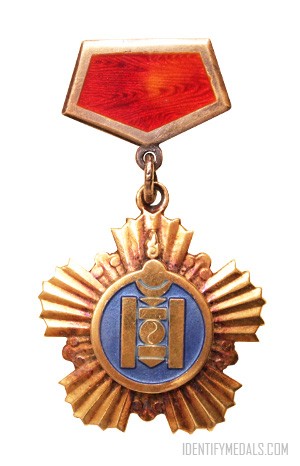
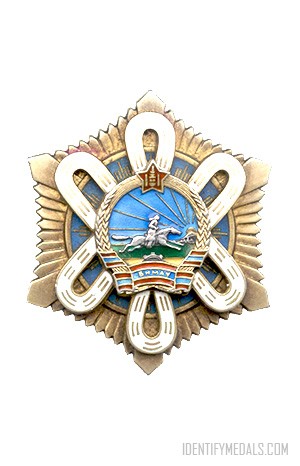
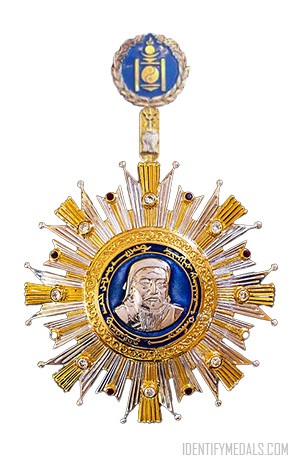
The Order of Sukhbaatar (Сүхбаатарын одон) is a major state order of Mongolia, first established in May 1941 (with some sources citing its formal introduction in September 1945). It is named after Damdin Sükhbaatar, the Mongolian revolutionary hero who played a central role in the country’s struggle for independence in the early 20th century. The award is given to both Mongolian citizens and foreign nationals in recognition of exceptional services to Mongolia’s defense, economic and cultural development, and acts of heroism in protecting the nation against external and internal threats. It continues to be conferred today, and until 2005 it was the highest state order before being superseded by the Order of Chinggis Khaan. Recipients of the Order are accorded various civic privileges, including cultural and social benefits provided by the state.
The Order of Sukhbaatar Medal Design
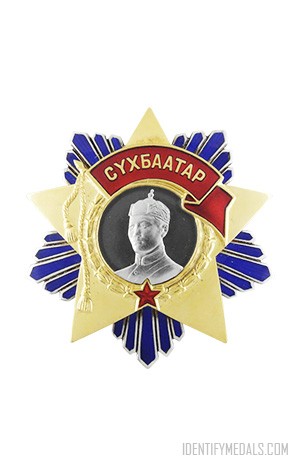
The obverse (front) of the Order of Sukhbaatar is highly symbolic and visually rich, reflecting Mongolia’s revolutionary heritage and state identity. On the front, the medal is dominated by a large five-pointed star that serves as the primary shape of the Order. Between the star’s points are silver or enameled rays of varying lengths, often finished in blue enamel, which create a radiant, layered effect. At the center of the star is a circular medallion featuring a relief portrait (bust) of Damdin Sükhbaatar, traditionally rendered in a contrasting material such as platinum against an enamel background. The central scene is surrounded by a decorative wreath or border, and above the portrait is a revolutionary banner in red enamel bearing the Cyrillic inscription “СҮХБААТАР” (“Sukhbaatar”), symbolizing the award’s namesake and Mongolia’s revolutionary spirit. Below the portrait, a red enamel star often appears as an additional motif, reinforcing the order’s prestige.
The combination of colors (red, blue, and metallic tones), the star motif, and the portrait all emphasize the Order’s association with national pride, heroic service, and the legacy of Sukhbaatar himself.