Military medals are among the most recognisable symbols of service, sacrifice, and honour. And two of the most common types of awards are campaign medals and gallantry medals. Although they may look similar, they represent very different forms of recognition. So, what exactly is a campaign medal — and how does it differ from a gallantry medal?
Campaign medals and gallantry medals serve different roles, but both are important and, together, they form part of the wider record of military history. Campaign medals recognise the millions who served — often in harsh, dangerous, and exhausting conditions — even if their role was not celebrated in headlines. Gallantry medals highlight extraordinary acts of courage, reminding us of the bravery individuals showed in moments of crisis. Let’s see the differences in more detail and explore some examples for both.
What is a Campaign Medal?
A campaign medal is an award given to members of the armed forces (and sometimes civilians) in recognition of service during a specific military campaign or conflict.
Unlike medals for bravery, campaign medals are not awarded for a single heroic act. Instead, they are issued to those who served in a particular theatre of war, region, or operation, often for a required length of time.
Campaign medals recognise participation in a war or campaign, service in a defined operational area, or contribution to a military effort, whether in combat or support roles.
How Are Campaign Medals Earned?
Campaign medals are usually awarded based on eligibility criteria, such as:
- Serving in a particular region
- Taking part in a named operation
- Completing a minimum number of days or months on duty
- Being part of a qualifying unit or service branch
Some campaign medals also include clasps or bars, which add extra detail about the recipient’s service. For example, an Africa Star might include a clasp such as “8th Army,” indicating a specific formation.
Examples of Campaign Medals
During the Second World War, Britain issued several campaign awards known as “Stars,” including:
- The 1939–1945 Star – general operational service
- The Africa Star – service in North Africa
- The Italy Star – the Italian campaign
- The France and Germany Star – Western Europe, 1944–45
Other campaign-related awards included:
- The Defence Medal – service in home defence or civil defence
- The War Medal 1939–1945 – issued to most full-time wartime personnel

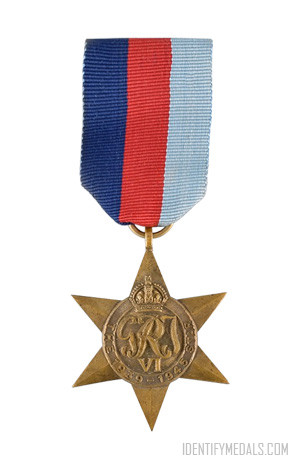
The 1939-1945 Star
The 1939–1945 Star is a military campaign medal instituted by the United Kingdom on 8 July 1943 for operational service overseas.
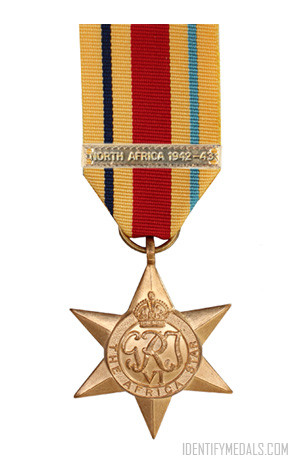
The Africa Star
The Africa Star is a military campaign medal awarded to those who served in the Second World War specifically in North Africa.
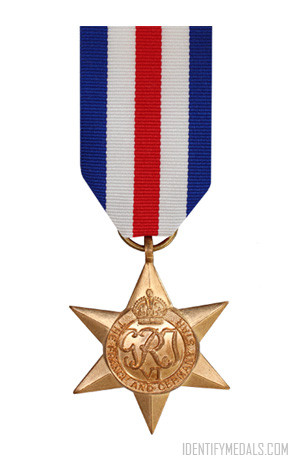
The France and Germany Star
The France and Germany Star is a military campaign medal awarded to subjects of the British Commonwealth who served during WW2.
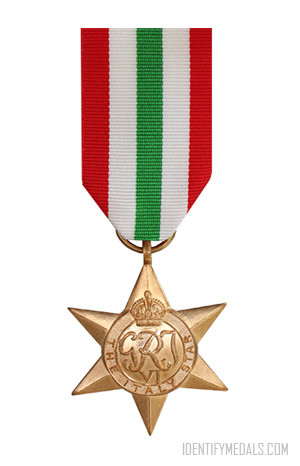
The Italy Star
The Italy Star is a military campaign medal, instituted by the United Kingdom in May 1945 for service in the Italian Campaign 1943 to 1945.
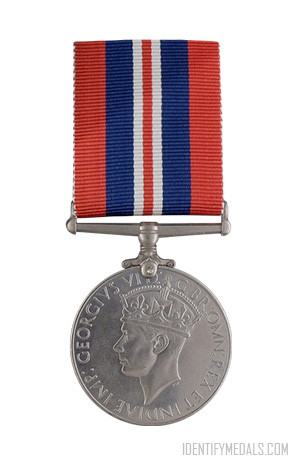
The War Medal 1939-1945
The War Medal 1939–1945 is a British campaign medal instituted by the United Kingdom on 16 August 1945. The medal was awarded to subjects of the British Commonwealth who had served full-time.
What is a Gallantry Medal?
A gallantry medal is awarded for bravery, courage, or heroism, usually in the face of the enemy or in extremely dangerous circumstances.
Gallantry awards are not given simply for being present in a war zone. These medals are far rarer than campaign awards because they recognise acts that go beyond normal duty — moments where an individual showed exceptional courage, leadership, or self-sacrifice. Gallantry medals honour:
- Heroism in combat
- Bravery under fire
- Extraordinary devotion to duty
- Risking one’s life to save others
Examples of Gallantry Medals
Some well-known British gallantry awards include:
- The Victoria Cross (VC) – the highest award for bravery
- The Military Cross (MC) – gallantry on land
- The Distinguished Flying Cross (DFC) – bravery in aerial operations
- The Distinguished Conduct Medal (DCM) – exceptional courage by soldiers
These awards often required eyewitness reports and official recommendations.

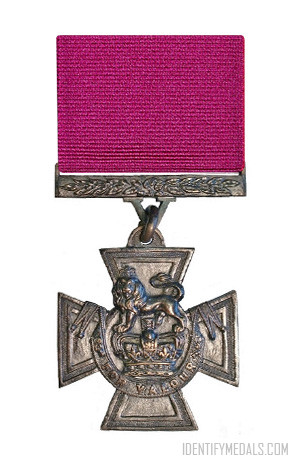
The Victoria Cross
The Victoria Cross (VC) is the highest United Kingdom honors system award. It is given for gallantry in the presence of the enemy.
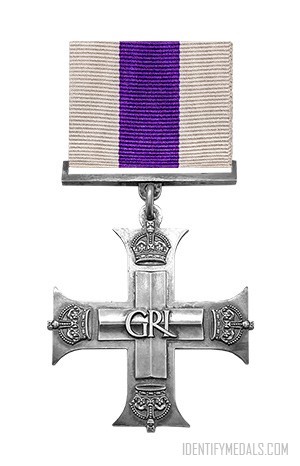
The Military Cross
The Military Cross (MC) is the third-level military decoration awarded for acts of exemplary gallantry during active operations.
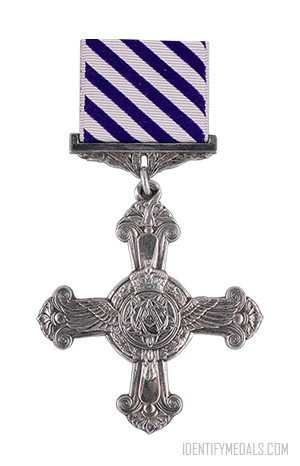
The Distinguished Flying Cross and Medal (UK)
The Distinguished Flying Cross (DFC) was established in June 1918 for officers and warrant officers of the RAF for acts of valor and courage.
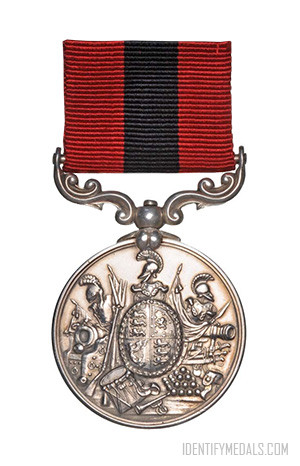
The Distinguished Conduct Medal
The Distinguished Conduct Medal, or DCM, was established in 1854 and is the oldest British award for gallantry in the field by other ranks.
Campaign Medals vs Gallantry Medals: Key Differences
Although both types of medals recognise military service, they represent very different achievements.
| Feature | Campaign Medals | Gallantry Medals |
|---|---|---|
| Purpose | Recognise service in a campaign | Recognise bravery or heroism |
| Awarded For | Participation and duty | Exceptional courage beyond duty |
| Eligibility | Based on time/place of service | Based on a specific act |
| Frequency | Widely issued | Rare and selective |
| Examples | Africa Star, War Medal | Victoria Cross, Military Cross |
Conclusion
A campaign medal honours service in a particular conflict or theatre of war, while a gallantry medal honours exceptional bravery and heroism.
Understanding the difference helps us appreciate the full meaning behind military awards — not just as decorations, but as symbols of sacrifice, duty, and courage. Whether common or rare, every medal tells a story worth remembering.