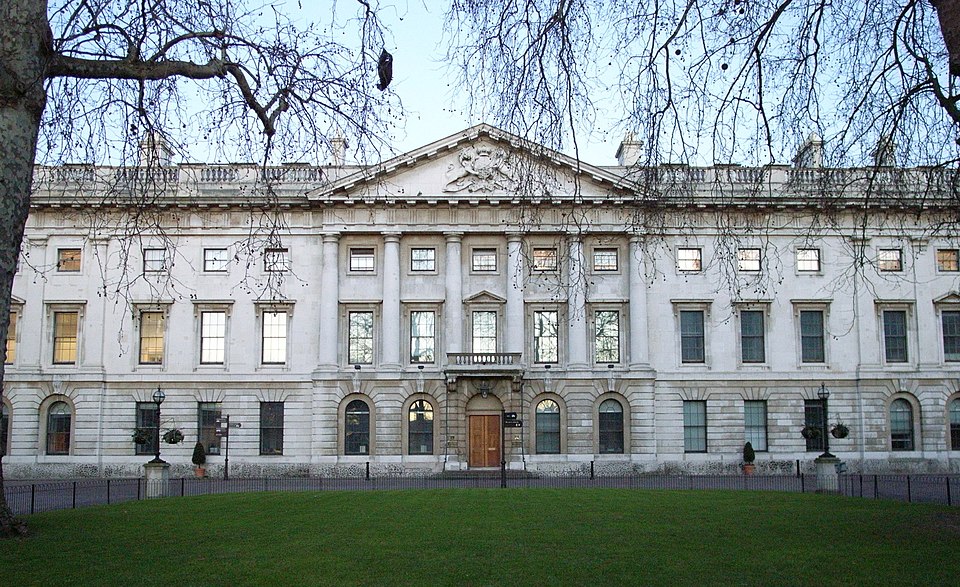
The Royal Mint is the United Kingdom’s historic state mint and the principal maker of British official medals and decorations, including many of those issued during the First and Second World Wars. It has produced official medals for over two centuries and holds a unique place in British numismatic and medallic history.
Medals struck by the Royal Mint are typically named on the rim or edge for British service awards. Because the Mint’s work extended across both world wars, many collector groups value examples bearing original naming and good condition.
A Brief History of the Royal Mint
The institution dates back over 1,100 years, originally responsible for striking coins for English and later British monarchs. A Royal Patent in 1669 granted the Mint the exclusive right to produce medals bearing a monarch’s portrait — establishing its early role in medal manufacture.
The turning point for official campaign medals came with the Waterloo Medal in 1815, which was one of the first large‑scale British military awards; this began the Mint’s regular involvement in military medal production.
After WWI, formal medal production was reorganised, and by 1922 the Royal Mint’s dedicated medal unit became the official supplier of virtually all British state medals and decorations, except for the Victoria Cross.
Involvement with WWI & WWII Medals
The Royal Mint was central to manufacturing British military medals for both world wars:
Although much wartime production was shared with private contractors and the Woolwich Arsenal due to industrial demand, the Mint supported war production and later assisted heavily with medal striking and engraving.
After the conflict ended and metal shortages eased, the Mint helped produce millions of campaign stars and other service medals for Britain and the Commonwealth.
Master tooling for many campaign stars was prepared at the Royal Mint and then supplied overseas to Australian, Canadian, Indian, and South African mints. The Mint also made other medals related to the war effort, such as the George Cross, George Medal, Defence Medal, and War Medal 1939–1945.
Notable Medals Made by the Royal Mint

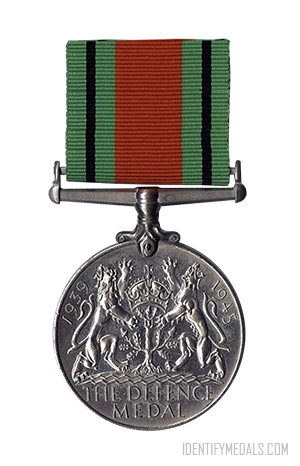
The Defence Medal (United Kingdom)
The Defence Medal is a campaign medal instituted in 1945 awarded to subjects of the British Commonwealth for service during WW2.
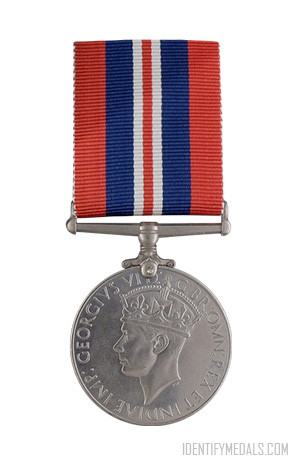
The War Medal 1939-1945
The War Medal 1939–1945 is a British campaign medal instituted by the United Kingdom on 16 August 1945. The medal was awarded to subjects of the British Commonwealth who had served full-time.
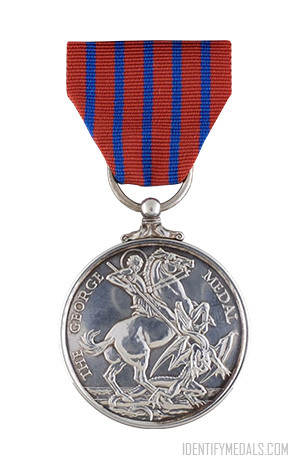
The George Medal
The George Medal (or GM) is a decoration of the United Kingdom and Commonwealth instituted in 1940 by King George VI for gallantry.
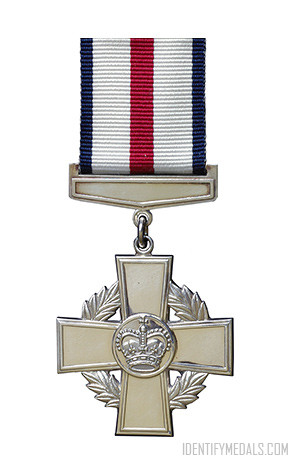
The Conspicuous Gallantry Cross and Medal
The Conspicuous Gallantry Cross (CGC) is a second level military decoration of the British Armed Forces created in 1993.
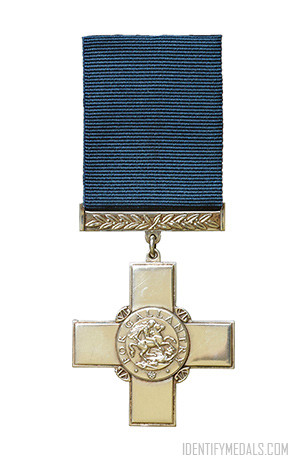
The George Cross (Great Britain)
The George Cross is the second highest award of the UK honors system and it’s awarded for acts of the greatest heroism or courage.

Design & Production Quality
The Mint’s medal production blended traditional craftsmanship with modern techniques, often using historic tools alongside newer technology. Many award designs, especially for high‑volume military medals, were overseen by the Royal Mint Advisory Committee, ensuring artistic standards and heraldic accuracy.
Historic dies and tools dating back over 100 years still form part of the Mint’s production heritage.
Recognition & Legacy
From Waterloo through both world wars to modern honours and even the 2012 London Olympics medals, the Royal Mint’s output spans medals of national and international significance.
Although it competed with other manufacturers after 2010 for some British medal contracts, the Royal Mint remains widely recognised as Britain’s premier medal maker.