Medal Shadow Boxes: What Are They, and Should You Buy or Make One?

Shadow boxes are an excellent way to display your collection of military medals. You can get them on the market or make your own. Here’s how.

A shadow box is a type of display case quite popular with collectors. The box is designed to showcase and protect items such as medals, ribbons, photographs, and other memorabilia. The name, in fact, refers to the depth of the box, which allows for three-dimensional items to be arranged in a visually appealing way.

If you have a collection of medals, shadow boxes can be a great way to mount them. Plus, you can customize your display to add inscriptions, photos, and contextual information (such as newspaper clippings). 

Shadow boxes are commonly used by veterans or families to honor military service and achievements, too. So, let’s take a look at the different options available and whether you should consider making your own!

How is a Shadow Box Used to Display Medals?

Shadow boxes are popular for displaying military medals, awards, and other honors. Often, medals are arranged in order of importance or chronological order of when they were awarded. Mounting, design, and protection also play a role in how you plan your shadow box.

When deciding between buying or making a shadow box, keep reading to find out the best way to consider factors such as your budget, time, and the level of customization you desire.
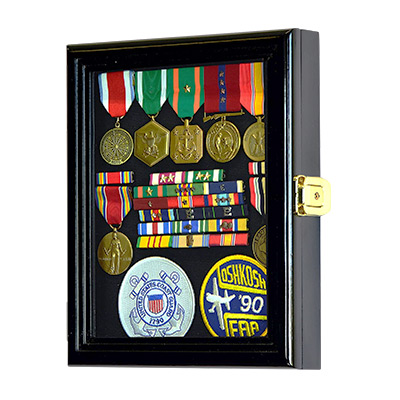
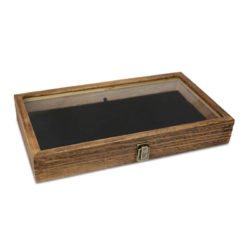
XS Display Case Cabinet Box
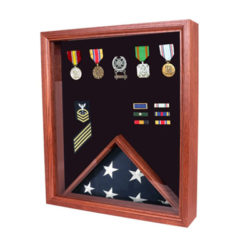
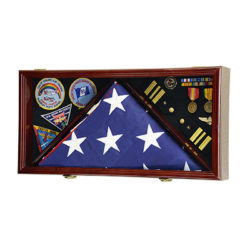
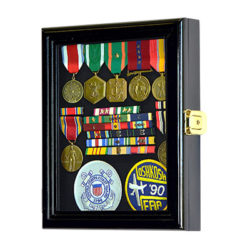
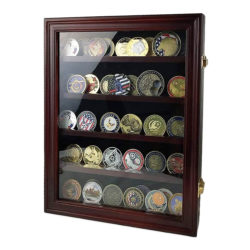
A store-bought shadow box cabinet displaying a collection of medals and badges.

Selection and Arrangement

The first step in using a shadow box to display a collection is to select the medals and any accompanying items. The main goal for an arrangement is to ensure that each item is visible and presented attractively.

When displaying medals, there are several creative and meaningful ways to arrange them. Here are some ideas to consider:

By Order of Importance

  • Highest Honors First: Place the most prestigious or highest-ranking medals at the top or center of the display. This approach highlights the significance of the top honors.
  • Descending Order: Arrange medals in descending order of importance, ensuring the most important medals are prominently visible.

Chronologically

  • By Date Awarded: Display medals in the order they were received. This method creates a timeline of achievements and showcases the progression of accomplishments.
  • Event-Based: Group medals by specific events or periods in the recipient’s life, such as military campaigns, sports seasons, or career milestones.

Thematic Groupings

  • By Type: Separate medals into categories such as military, civilian, sports, academic, or professional awards.
  • By Campaign or Conflict: For military medals, group them by specific wars, campaigns, or missions to tell a detailed story of the recipient’s service.
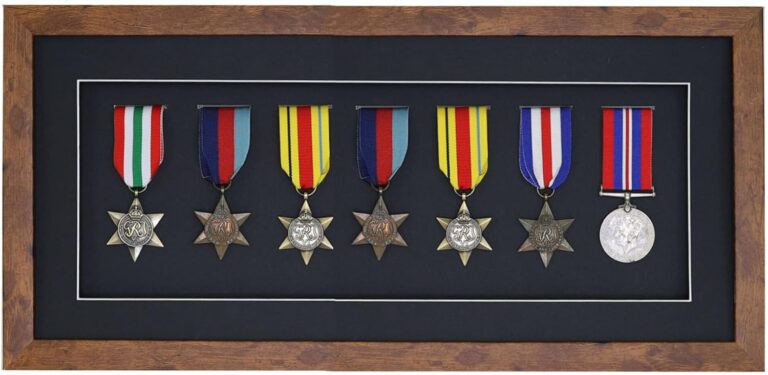
A shadow box showing a group of World War II medals.
Thematic Ordering: A shadow box showing a group of World War II medals.

Personalized and Storytelling Displays

  • Personal Journey: Arrange medals alongside photos, documents, and other memorabilia that highlight the recipient’s personal journey and experiences.
  • Accompanied by Narrative: Include captions or brief narratives with each medal to explain the context and significance of each award.

Combined with Other Memorabilia and Interactive

  • Integrated Display: Combine medals with other personal artifacts such as uniforms, badges, certificates, and photographs to create a comprehensive and engaging display.
  • Digital Displays: Incorporate digital photo frames or QR codes that link to videos or websites with more detailed stories about the medals and the recipient’s achievements.

Mounting

Medals and other items are mounted onto a backing material within the shadow box. This backing can be fabric, felt, or any material that complements the items. Mounting methods include using pins, adhesive, or mounting brackets designed for securing medals. Here are different mounting methods explained in detail:

Pins

Using straight pins or sewing pins to attach medals to the backing material.

  • How it Works: The pins are inserted through the medal ribbons and into the backing, securing the medals in place. This method is minimally invasive and preserves the integrity of the medals and ribbons.
  • Advantages: Pins are easily adjustable, allowing for repositioning of the medals. They are also relatively simple to use and do not require any permanent alteration of the medals.
  • Disadvantages: Over time, the weight of heavier medals might cause the pins to shift, and repeated adjustments can wear out the backing material.

Adhesive

Using glue, double-sided tape, or adhesive strips to attach medals and other items to the backing.

  • How it Works: A small amount of adhesive is applied to the back of the medals or their ribbons, then pressed firmly onto the backing material.
  • Advantages: Adhesive mounting provides a clean, flush appearance with no visible mounting hardware. It’s also a straightforward and quick method.
  • Disadvantages: Adhesives can be difficult to remove and may leave residue on the medals or backing. Some adhesives may not be strong enough to hold heavier medals securely over time.

Mounting Brackets

Using brackets specifically designed for mounting medals and other items.

  • How it Works: Brackets are small metal or plastic clips that hold the medals in place. They are typically attached to the backing with screws or strong adhesive.
  • Advantages: Brackets provide a secure and stable hold for medals, especially heavier or larger ones. They can also be repositioned if necessary.
  • Disadvantages: Installing brackets requires more effort and precision. Depending on the design, brackets might be visible, which could affect the overall aesthetic of the display.

Velcro Strips

Using Velcro strips to attach medals and other items to the backing.

  • How it Works: One side of the Velcro is attached to the backing, and the other side is attached to the back of the medals or their ribbons. The two sides are then pressed together to hold the medals in place.
  • Advantages: Velcro strips allow for easy removal and repositioning of medals. They also provide a strong hold without damaging the medals or backing.
  • Disadvantages: Velcro can add bulk behind the medals, potentially affecting the flush appearance of the display.

Sewing

Sewing medals directly onto the backing material.

  • How it Works: Using needle and thread, the ribbons of the medals are sewn onto the backing. This method is often used for fabric backings like felt or velvet.
  • Advantages: Sewing provides a very secure attachment, ensuring that medals remain in place even when the display is moved or jostled. It also allows for a clean, elegant appearance.
  • Disadvantages: Sewing is time-consuming and requires some skill. It also involves making small holes in the medal ribbons, which may not be desirable for all collectors.

Using Foam Inserts

Cutting foam inserts to fit the shape of the medals and placing them inside the shadow box.

  • How it Works: The foam is cut to the exact dimensions of the medals, which are then pressed into the foam. This holds the medals securely in place.
  • Advantages: Foam inserts provide a custom fit for each medal, ensuring they do not move or shift. They also protect the medals from damage.
  • Disadvantages: Cutting foam inserts requires precision, and once cut, the foam cannot be easily adjusted for different medals.

Design and Customization

The design of the shadow box can be customized to reflect personal preferences or to enhance the aesthetic appeal. Customization options include selecting the frame material and color, the type of glass or acrylic cover, and the background fabric. Personalized plaques or inscriptions can also be added to provide context or commemorate specific achievements.

Frame Material and Color

A classic choice, wood frames offer a traditional and elegant look. Different types of wood (oak, mahogany, pine, etc.) can provide varying shades and grain patterns. Natural wood tones also tend to enhance the natural beauty of the wood grain and can complement a wide range of interior styles.

Metal frames, often made of aluminum or steel, provide a modern and sleek appearance. They are durable and can be finished with various coatings such as brushed, polished, or matte. Frames can be painted in any color, from classic black or white to bold, vibrant hues. Options like gold, silver, bronze, or chrome can also add a touch of sophistication and highlight the prestige of the medals.
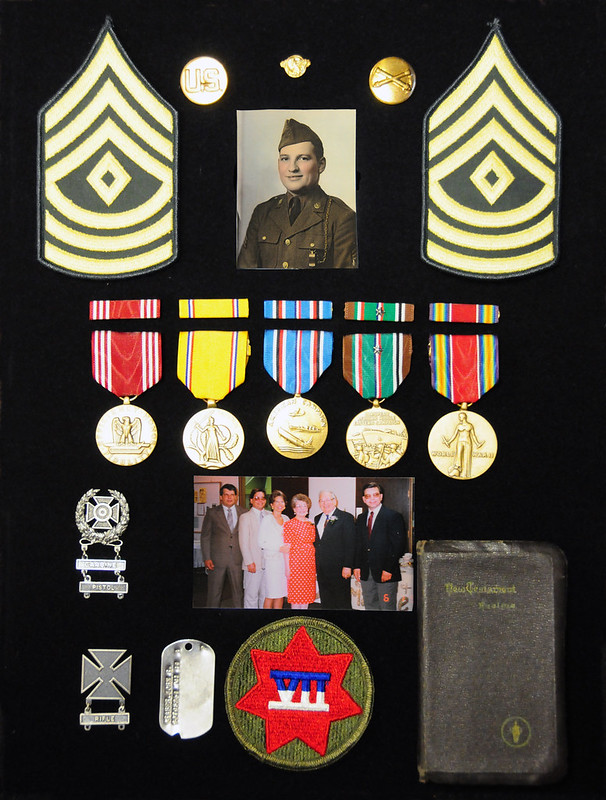
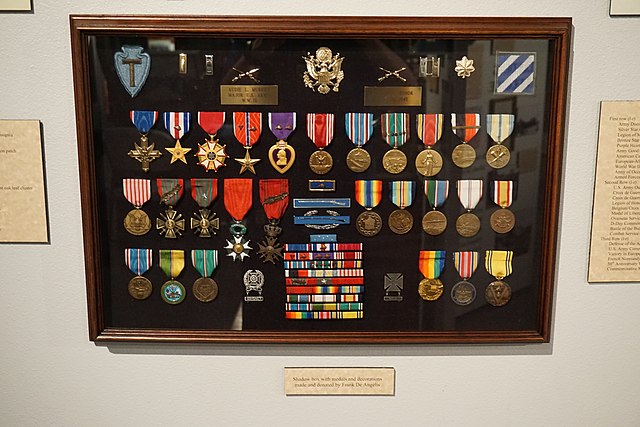
A photo of military memorabilia and personal items from World War II veteran John Graber. Image courtesy of North Dakota National Guard via Flickr Commons.

Type of Glass or Acrylic Cover

Glass:

  • Standard Glass: Provides a clear view of the display but can be prone to glare and reflections.
  • Non-Glare Glass: Treated to reduce reflections and glare, making it easier to view the contents from different angles.
  • UV-Protective Glass: Filters out ultraviolet light to prevent fading and damage to the medals and fabric over time. This is especially important for preserving the colors and integrity of the display.

Acrylic:

  • Standard Acrylic: Lighter and more shatter-resistant than glass, making it a safer option, especially in areas prone to impacts.
  • Non-Glare Acrylic: Reduces reflections similarly to non-glare glass, providing a clearer view of the display.
  • UV-Protective Acrylic: Offers the same UV protection as UV-protective glass but with the added benefits of being lighter and more impact-resistant.

Background Fabric

Types of Fabric:

  • Velvet: A luxurious choice that provides a rich, textured background. Velvet comes in various colors and adds a touch of elegance to the display.
  • Felt: A versatile and commonly used material that is easy to work with. Felt is available in many colors and provides a soft, non-reflective background.
  • Silk: Adds a high-end, sophisticated look. Silk backgrounds are smooth and can make the medals stand out prominently.
  • Linen or Cotton: These natural fabrics offer a clean, classic look and are available in many shades to complement the medals and frame.

Color Options:

  • Neutral Colors: Black, white, or beige backgrounds create a classic, understated look that allows the medals to be the focal point.
  • Bold Colors: Red, blue, green, or other vibrant colors can enhance the visual impact of the display and may be chosen to reflect specific themes or match room decor.
  • Patterned Fabrics: While less common, patterned backgrounds can add a unique touch, provided they do not distract from the medals. Patterns can be subtle, such as a tone-on-tone design, to add texture without overwhelming the display.

Additional Customization Options

Engraved Plaques: Adding engraved plaques with details about each medal, such as the date awarded, the recipient’s name, and the significance of the award, provides context and enhances the narrative of the display.

Lighting: Incorporating LED lights within the shadow box can illuminate the medals, highlighting their details and adding a dramatic effect. Lights can be strategically placed to avoid reflections and shadows.

Personal Touches: Including personal items such as photographs, documents, or small mementos alongside the medals can create a more comprehensive and personalized display.

Protection

A key purpose of the shadow box is to protect the contents from dust, light, and physical damage. The enclosed design helps preserve the condition of the medals and other memorabilia. UV-protective glass or acrylic is often used to prevent fading from exposure to light.

Option 1: Buying a Shadow Box

Buying a shadow box is a convenient and effective way to display and protect medals and other memorabilia. Ready-made shadow boxes are available in various sizes, materials, and designs, making it easy to find one that suits your specific needs and aesthetic preferences.

Some benefits of buying include:

  • Pre-made shadow boxes are readily available from many retailers, both online and in physical stores. This convenience saves time and effort compared to creating a custom shadow box from scratch.
  • There is a wide range of options in terms of size, frame material, color, and background fabric. This variety allows you to choose a shadow box that matches the items you wish to display.
  • Purchased shadow boxes are often made from durable materials designed to protect and preserve your items. Many come with UV-protective glass or acrylic to prevent fading from light exposure.

Basic shadow boxes can range from $20 to $50. Mid-range options with additional features such as UV-protective glass and customizable backgrounds typically range from $50 to $150, and high-end, professionally crafted shadow boxes with custom framing and premium materials can range from $150 to $500 or more.

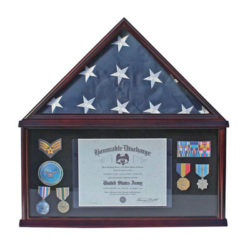
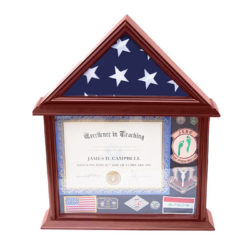
Here are some ideas if you’re looking to buy a shadow box for your medals:

A Couple of Considerations When Buying a Shadow Box

Ensure the shadow box is appropriately sized for the items you want to display. Measure the dimensions of your medals and any other items to make sure they will fit comfortably within the box.

Check the type of mounting hardware included with the shadow box. Many come with pins, adhesive, or brackets designed to securely hold medals and other items.

Option 2: Creating Your Own Shadow Box

Creating your own shadow box is a rewarding and personalized way to display medals and memorabilia. This approach allows for complete customization and the opportunity to infuse your personal touch into the display.

Some benefits of going the shadow box DIY way include:

  • Crafting your own shadow box allows you to choose every element, from the frame and background fabric to the arrangement of the items.
  • You can include additional elements such as engraved plaques, photos, and other memorabilia that might not fit into a pre-made shadow box.
  • Building a shadow box from scratch provides a creative outlet. It allows you to experiment with different materials, layouts, and design elements, making the project both fun and fulfilling. This process can be particularly meaningful if the shadow box is intended as a gift, adding a personal touch that pre-made options cannot match.
  • Depending on the materials chosen, creating a shadow box can be more cost-effective than purchasing a high-end pre-made one.

Steps to Creating Your Own Shadow Box

Gather Materials

    • Frame: Choose a deep frame or shadow box kit. Frames can be sourced from craft stores, thrift shops, or online retailers. Ensure the frame is deep enough to accommodate the items you plan to display.
    • Backing Material: Select a material for the backing, such as fabric (felt, velvet, or linen) or paper. The backing material should complement the items and the overall design.
    • Mounting Hardware: Collect mounting materials such as pins, adhesive, Velcro, or mounting brackets. These will be used to secure the items within the shadow box.
    • Glass or Acrylic Cover: If the frame does not come with a cover, you will need a piece of glass or acrylic to protect the display.

Prepare the Frame

      • Disassemble the frame and clean it thoroughly. If necessary, paint or stain the frame to match your desired color scheme.
      • Cut the backing material to fit the dimensions of the frame. Attach the backing material to the frame using glue or staples, ensuring it is smooth and free of wrinkles.

Plan the Layout

    • Arrange the items on the backing material before attaching them. Experiment with different layouts to find the most visually appealing arrangement. Consider the balance and spacing between items.
    • Include additional elements like engraved plaques or small mementos to enhance the display.

Mount the Items

    • Secure the items to the backing material using your chosen mounting method. For heavier items, use sturdy mounting brackets or Velcro. For lighter items, pins or adhesive may be sufficient.
    • Ensure that all items are securely attached and that the display looks neat and organized.

Assemble the Shadow Box

    • Once all items are mounted, reassemble the frame with the backing and the cover. Make sure the cover is clean and free of smudges or dust.
    • Double-check that everything is securely in place and that the display looks as intended.

Here are some videos to help you get started:

Conclusion

Medal shadow boxes are an elegant and meaningful way to display and protect cherished medals and memorabilia.

Purchasing a shadow box provides convenience, a wide range of styles, and professional quality, making it an excellent choice for those looking for a quick and reliable solution. On the other hand, creating your own shadow box allows for complete personalization, creative expression, and can be a cost-effective alternative, offering a deeply personal touch to your display.

Regardless of the method you choose, a well-crafted shadow box will preserve and showcase your medals for years to come, allowing you and others to appreciate the stories and accomplishments they represent.
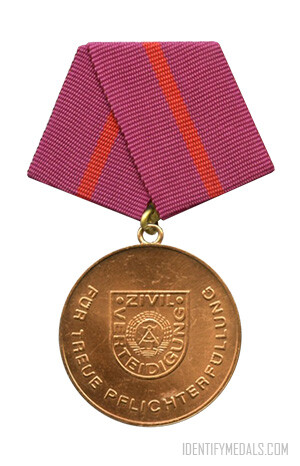
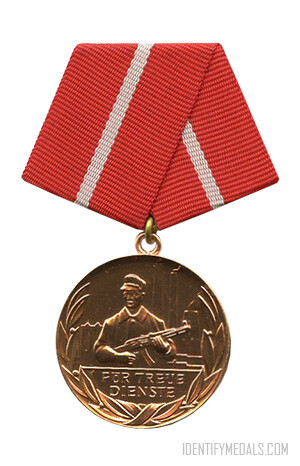
The Medal for Faithful Fulfillment of Duties in the Civil Defense of the GDR

The Medal for Faithful Fulfillment of Duties in the Civil Defense of the GDR honored individuals who demonstrated exceptional dedication.

The Medal for Faithful Fulfillment of Duties in the Civil Defense of the GDR (or Medaille für treue Pflichterfüllung in der Zivilverteidigung der DDR in German) was established to honor individuals who demonstrated exceptional dedication and performance in the civil defense sector of the German Democratic Republic.

Created on February 11, 1963, this medal recognized those who contributed significantly to the preparation, coordination, and execution of civil defense measures, ensuring the safety and protection of the population during emergencies and disasters.

The Award Criteria

The criteria for receiving the Medal for Faithful Fulfillment of Duties in the Civil Defense of the GDR included demonstrating consistent dedication, efficiency, and professionalism in civil defense roles.

The medal was awarded in multiple classes based on service duration and performance: bronze for 5 years, silver for 10 years, and gold for 15 years or more. Recipients were expected to have shown exceptional performance in planning and executing civil defense operations, adherence to socialist principles, and significant contributions to the safety and preparedness of the state.

The Award Design

The Medal for Faithful Fulfillment of Duties in the Civil Defense of the GDR featured a circular design made from bronze, silver, or gold, depending on the class.

The obverse side displayed civil defense symbols, such as a shield or a torch, surrounded by laurel leaves. The reverse bore the inscription “Für treue Pflichterfüllung” (For Faithful Fulfillment of Duties) and the number of years of service.

The medal was attached to a crimson ribbon with a central red stripe.

The Medal for Faithful Service in Fighting Groups of the Working Class

The Medal for Faithful Service in Fighting Groups of the Working Class was awarded to paramilitary units composed of workers of the GDR.

The Medal for Faithful Service in Fighting Groups of the Working Class (or Medaille für treue Dienste in den Kampfgruppen der Arbeiterklasse in German) was established to recognize the long-term dedication and exemplary service of members of the Fighting Groups of the Working Class.

These groups were paramilitary units composed of workers who were trained and organized to defend the German Democratic Republic (GDR) against internal and external threats. The medal was created to honor their commitment to the socialist state and their role in safeguarding its achievements.

The Award Criteria

The criteria for receiving the Medal for Faithful Service in Fighting Groups of the Working Class included demonstrating long-term service and exemplary performance in the duties of the Fighting Groups.

The award was given in multiple classes, typically bronze for 5 years, silver for 10 years, and gold for 15 years or more. Recipients needed to show dedication to their training, readiness to defend the state, and adherence to socialist principles. The medal recognized both individual achievements and collective efforts in maintaining the security and stability of the GDR.

The Award Design

The Medal for Faithful Service in Fighting Groups of the Working Class featured a round design made from bronze, silver, or gold, depending on the class.

The obverse side displayed symbols of the Fighting Groups, such as crossed rifles or a clenched fist, surrounded by laurel leaves. The reverse bore the inscription “Für treue Dienste” (For Faithful Service) and the number of years of service.

The medal was attached to a red ribbon with a central white stripe.

The Medal for Loyal Service in the Customs Administration of the GDR

The Medal for Loyal Service in the Customs Administration of the GDR was established to recognize the dedication of customs officials.

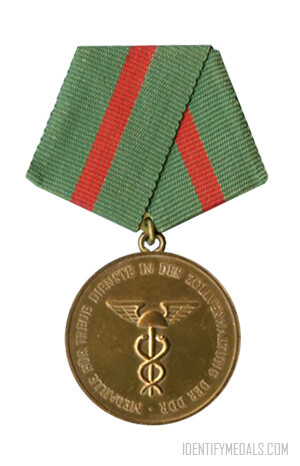
The Medal for Loyal Service in the Customs Administration of the GDR (or Medaille für treue Dienste in der Zollverwaltung der DDR in German) was established to recognize the dedication and long-term service of customs officials within the German Democratic Republic.

Instituted on June 30, 1954, this medal honored customs officers who played a crucial role in regulating trade, preventing smuggling, and ensuring the security and economic interests of the state. The award highlighted the importance of the Customs Administration in maintaining the integrity of the GDR’s borders and economic policies.

The Award Criteria

Recipients of the Medal for Loyal Service in the Customs Administration of the GDR were selected based on their length of service and exemplary conduct.

The medal was awarded in multiple classes, typically bronze for 5 years, silver for 10 years, and gold for 15 years or more. Criteria included consistent performance, adherence to state regulations, and significant contributions to the efficiency and effectiveness of the customs services. The award aimed to motivate customs officials and recognize their commitment to upholding the state’s economic and security measures.

The Award Design

The Medal for Loyal Service in the Customs Administration of the GDR featured a circular design made from bronze, silver, or gold, corresponding to the class.

The obverse displayed an emblem of the Customs Administration, such as crossed keys or a shield, surrounded by laurel branches. The reverse bore the inscription “Für treue Dienste” (For Faithful Service) and the number of years of service.

The medal was attached to a green ribbon with a thick red stripe in the middle.

The Medal for Faithful Service in Militarized Organs of the Interior Ministry

The Medal for Faithful Service in Militarized Organs of the Interior Ministry recognized dedication and service in the militarized branches.

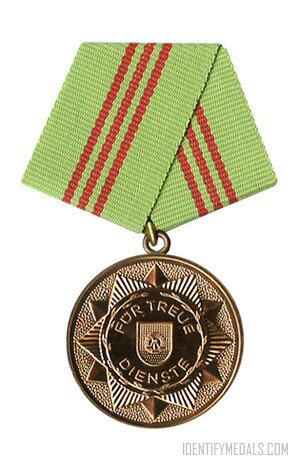
The Medal for Faithful Service in Militarized Organs of the Interior Ministry (or Medaille für treue Dienste in den bewaffneten Organen des Ministeriums des Innern in German) was an honor awarded by the German Democratic Republic. It was established on December 1, 1955, to recognize the dedication and long-term service of personnel within the militarized branches of the Ministry of the Interior, including the police and other security services.

This medal aimed to acknowledge the essential role these organs played in maintaining internal security, public order, and the enforcement of state laws. It was part of the broader system of state awards designed to incentivize loyalty and exemplary performance among security personnel.

The Award Criteria

The criteria for receiving the Medal for Faithful Service in Militarized Organs of the Interior Ministry were based on the length of service and the demonstration of consistent, exemplary performance.

The medal was awarded in different classes, reflecting various milestones in service duration. Typically, these classes included bronze for 5 years of service, silver for 10 years, and gold for 15 years or more. Recipients needed to have shown continuous dedication, adherence to the principles of socialism, and significant contributions to the effectiveness and reliability of the security services.

The Award Design

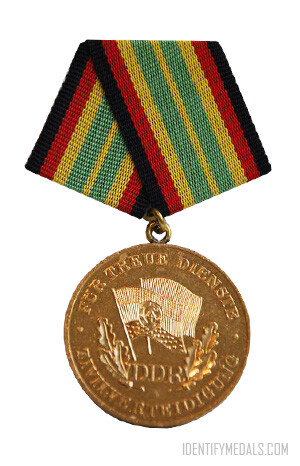
The Medal for Faithful Service in Militarized Organs of the Interior Ministry featured a circular design made from bronze, silver, or gold, depending on the class.

The obverse side displayed the emblem of the Ministry of the Interior, which might include symbols such as a shield, crossed swords, or other elements indicative of law enforcement. The reverse typically bore the inscription “Für treue Dienste” (For Faithful Service) along with the number of years of service.

The medal was attached to a green ribbon with three thin red lines in the middle.

The Medal for Faithful Service in the Civil Defense of the GDR

The Medal for Faithful Service in the Civil Defense was awarded for long-term dedication and exemplary service in civil defense efforts.

The Medal for Faithful Service in the Civil Defense of the GDR (or Medaille für treue Dienste in der Zivilverteidigung der DDR in German) was established to honor the long-term dedication and exemplary service of individuals involved in the GDR’s civil defense efforts.

Created on February 11, 1963, this medal recognized those who contributed significantly to the preparation, coordination, and implementation of civil defense measures, ensuring the safety and protection of the population in times of emergencies and disasters.

The Award Criteria

The criteria for receiving the Medal for Faithful Service in the Civil Defense of the GDR included the length of service and the recipient’s consistent demonstration of dedication, efficiency, and professionalism in civil defense roles.

The medal was awarded in multiple classes based on service duration: bronze for 5 years, silver for 10 years, and gold for 15 years or more. Recipients needed to show exceptional performance in planning and executing civil defense operations, adhering to socialist principles, and making significant contributions to the safety and preparedness of the state.

The Award Design

The design of the Medal for Faithful Service in the Civil Defense of the GDR featured a circular medal made from bronze, silver, or gold, corresponding to the class.

The obverse side displayed civil defense symbols, such as a shield or a torch, surrounded by laurel leaves. The reverse bore the inscription “Für treue Dienste” (For Faithful Service) and the number of years of service.

The ribbon was worn on the left chest, signifying the recipient’s long-term service and dedication to civil defense in the GDR.

The Medal For Faithful Service in the Border Guards of the GDR

The Medal For Faithful Service in the Border Guards of the GDR was established to recognize the long-term service and loyalty of members.

The Medal for Faithful Service in the Border Guards of the GDR (or Medaille für treue Dienste in den Grenztruppen der DDR in German) was established to recognize the long-term service and loyalty of members of the Border Guards.

Instituted on December 1, 1954, this medal aimed to honor the dedication and exemplary conduct of personnel who played a vital role in securing the borders of the GDR, preventing illegal crossings, and protecting the state’s sovereignty. The award underscored the importance of the Border Guards in maintaining national security and stability.

The Award Criteria

The criteria for receiving the Medal for Faithful Service in the Border Guards of the GDR included the length of service and the recipient’s consistent demonstration of loyalty, professionalism, and dedication.

The medal was awarded in multiple classes based on service duration: bronze for 5 years, silver for 10 years, and gold for 15 years or more. Recipients were expected to show outstanding performance, adherence to the principles of the socialist state, and significant contributions to border security and protection.

The Award Design

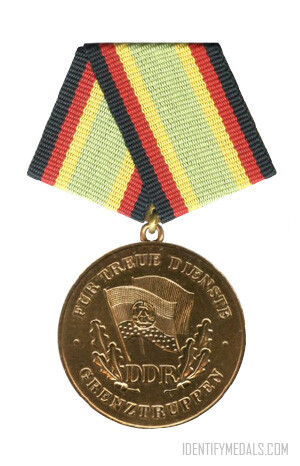
The design of the Medal for Faithful Service in the Border Guards of the GDR featured a round medal made from bronze, silver, or gold, depending on the class.

The obverse side depicted symbols of the Border Guards, such as a watchtower or a border patrol emblem, surrounded by laurel leaves. The reverse bore the inscription “Für treue Dienste” (For Faithful Service) along with the number of years of service.

The medal was attached to a ribbon, green with black, red, and yellow stripes, representing the national colors of the GDR. 

The Medal For Faithful Service in the National People’s Army

The Medal For Faithful Service in the National People’s Army was established to honor the long-term and dedicated service of personnel.

The Medal for Faithful Service in the National People’s Army (or Medaille für treue Dienste in der Nationalen Volksarmee in German) was established to honor the long-term and dedicated service of military personnel in the National People’s Army (NVA) of the GDR.

Instituted on March 1, 1956, this medal aimed to recognize the loyalty, commitment, and exemplary conduct of soldiers who served in the NVA. The award highlighted the critical role of the armed forces in defending the socialist state and maintaining national security.

The Award Criteria

The Medal for Faithful Service in the National People’s Army was awarded based on the duration of service and the demonstration of consistent, exemplary performance by the recipients.

The medal was conferred in multiple classes, each corresponding to specific service milestones: bronze for 5 years, silver for 10 years, gold for 15 years, and higher classes for longer periods of service. Recipients were required to show loyalty to the state, dedication to their military duties, and adherence to the principles of the socialist system, ma

The Award Design

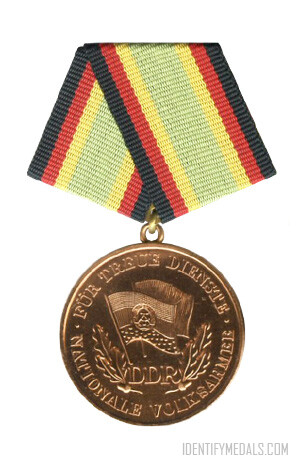
The design of the Medal for Faithful Service in the National People’s Army featured a circular medal made from bronze, silver, or gold, according to the class.

The obverse side depicted an emblem of the National People’s Army, such as crossed rifles or other military symbols, encircled by a wreath of laurel leaves. The reverse bore the inscription “Für treue Dienste” (For Faithful Service) and the number of years of service.

The medal was suspended from a ribbon in the colors of the GDR, with different designs to indicate the various classes. 

The Medal for Faithful Service in the Barracked People’s Police

This Medal for Faithful Service was a decoration instituted to recognize long-term, dedicated service in the Kasernierte Volkspolizei.

The Medal for Faithful Service in the Barracked People’s Police (or Medaille für treue Dienste in der Kasernierten Volkspolizei in German) was a decoration instituted by the German Democratic Republic (GDR) to recognize long-term, dedicated service in the Barracked People’s Police (Kasernierte Volkspolizei).

Established on December 1, 1955, this medal was created to acknowledge the commitment and loyalty of police personnel who served in this militarized wing of the police force. The Barracked People’s Police were responsible for maintaining internal security, supporting the armed forces, and preparing for national defense, making their service critical to the state’s stability and security.

The Award Criteria

The Medal for Faithful Service in the Barracked People’s Police was awarded based on the length of service and the exemplary conduct of the recipients. The award recognized periods of faithful and diligent service in increments of five years.

Typically, the medal was available in multiple classes, including bronze (5 years), silver (10 years), and gold (15 years or more), reflecting the duration and dedication of the service provided. Recipients needed to demonstrate consistent performance, loyalty to the state, and adherence to the principles of the socialist system.

The Award Design

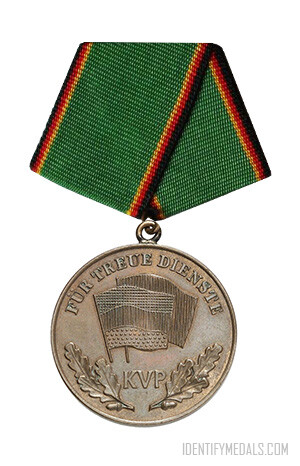
The design of the Medal for Faithful Service in the Barracked People’s Police featured a round medal made from bronze, silver, or gold, corresponding to the class of the award.

The obverse side displayed the emblem of the Barracked People’s Police, often including symbols such as a police shield or an inscription highlighting the award. The reverse typically bore the inscription “Für treue Dienste” (For Faithful Service) along with the number of years of service.

The medal was attached to a green ribbon with thin edges in the GDR’s national colors.

The Brotherhood in Arms Medal

The Brotherhood in Arms Medal was a prestigious award in the GDR, established to recognize and honor the solidarity and cooperation.

The Medal Brotherhood in Arms (or Medaille Brüderlichkeit im Arme in German) was a prestigious award in the German Democratic Republic, established to recognize and honor the solidarity and cooperation between the GDR’s military forces and those of other socialist countries.

The medal was created to celebrate the fraternal bonds and mutual support among the armies of the socialist bloc, highlighting their joint efforts in maintaining peace and defending socialist ideals. It was a symbol of international military solidarity and the collective strength of socialist nations.

The Award Criteria

The criteria for receiving the Medal Brotherhood in Arms included demonstrating exceptional cooperation and solidarity with the armed forces of other socialist countries. It was awarded to military personnel who contributed significantly to joint operations, military exercises, and other collaborative efforts that strengthened the bonds between the GDR and its allies.

The medal recognized both individual contributions and collective achievements in fostering international military cooperation. It aimed to encourage and honor those who played a key role in promoting unity and mutual support among socialist armies.

The Award Design

The Medal Brotherhood in Arms featured a circular design made from high-quality metal, typically bronze, silver, or gold.

The obverse side displayed symbols of military cooperation, such as crossed flags or shaking hands, often surrounded by laurel leaves. The reverse side bore an inscription denoting the purpose of the award and the year it was established.

The medal was attached to a white ribbon with a thin central line.