- Time Period: Pre-WW1
- Institution: 20 June 1874
- Country: United States
Established at the same time as the gold grade in 1874, the Silver Lifesaving Medal recognizes extraordinary lifesaving efforts that do not meet the extremely high threshold of the Gold Lifesaving Medal.
Like its gold counterpart, it transitioned from Treasury Department administration to Coast Guard responsibility and remains authorized under U.S. law. Over 1,900 Silver Lifesaving Medals have been awarded since its creation.
The Coast Guard Silver Lifesaving Medal Criteria
The Silver Lifesaving Medal is awarded to individuals who rescue or attempt to rescue someone from drowning, shipwreck, or other water‑related dangers under circumstances that show significant effort and risk but not to the same degree of personal danger required for the gold medal.
The geographic and jurisdictional requirements are the same as for the Gold Lifesaving Medal, and awards may also be made posthumously.
The Coast Guard Silver Lifesaving Medal Design
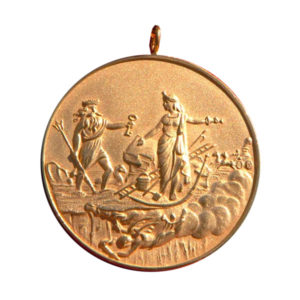
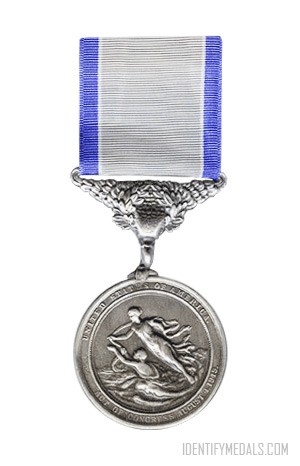
Like the gold medal, the silver version is struck from actual silver and features imagery representing lifesaving efforts.
Historically, early silver medals were worn from a light blue ribbon; post‑1949 versions use a standardized ribbon pattern with multiple colors. The obverse inscription usually identifies heroic deeds in saving life from the sea, and additional awards are often denoted by silver clasps or stars on the ribbon.