- Time Period: Post-WW2 Period
- Year of Institution: 19 September 2003
- Country: Republic of The Philippines
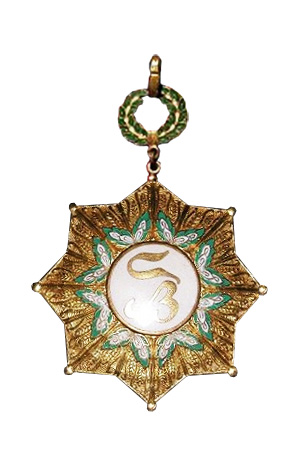
The Order of Gabriela Silang (or Orden ni Gabriela Silang in Filipino) stands as an exclusive all-female order within the Philippines, honoring the legacy of the esteemed Philippine national heroine, Gabriela Silang.
The distinction was named in honor of María Josefa Gabriela Cariño Silang , an 18th-century Filipino revolutionary and independence activist against Spanish colonizers, recognized as a national hero of the Philippines. Today, it is awarded to the spouses of heads of state or government, natives and foreigners.
This distinguished order comprises a single class, bestowed upon the spouses of heads of state and/or government, regardless of nationality, showcasing the significance of their contributions to society.
The Order of Gabriela Silang Design
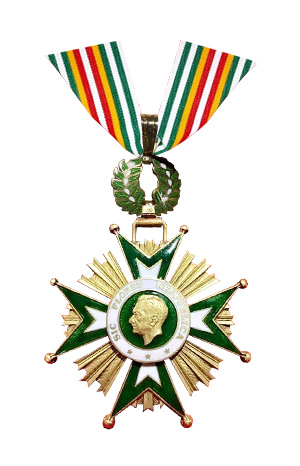
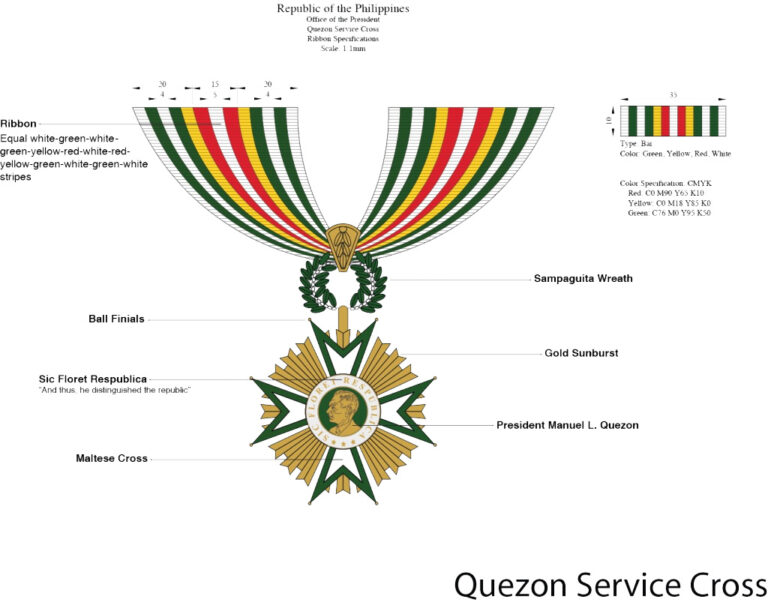
Made of gold-plated silver, the order’s badge has the shape of an eight-rayed star with an inner medallion surrounded by stylized rays in the shape of rice leaves, on which the stylized letters “G” and “S” are placed. The inner medallion is enameled in white and the letters are gilded.
The ribbon of the Order of Gabriela Silang is adorned with vibrant hues of red, accented by striking borders in yellow and blue, symbolizing courage, unity, and loyalty.
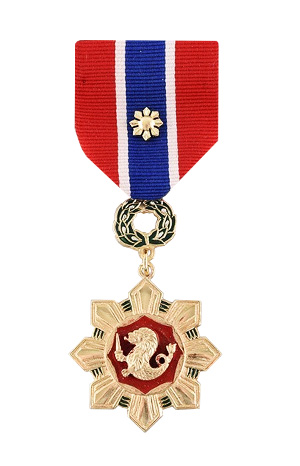
 Chief Commander (CCLH) (Punong Komandante) – Granted to a civilian for a lifetime of distinguished service in public affairs not otherwise qualifying for the Quezon Service Cross, or to a former or incumbent head of state and/or government.
 Grand Commander (GCLH) (Marangal na Komandante) – Bestowed upon a civilian for extraordinary acts of service that significantly impact the military sphere of the Philippines, or upon individuals such as crown princes, Vice Presidents, Senate Presidents, Speakers of the House, Chief Justices, or their equivalents in other nations, as well as foreign ministers or officials of cabinet rank, Ambassadors, Undersecretaries, Assistant Secretaries, or others of similar rank, for their lifelong contributions to the military field.
 Grand Officer (GOLH) (Marangal na Pinuno) – Awarded to a civilian for acts of exemplary merit benefiting the Republic of the Philippines, or to individuals holding positions such as chargé d’affaires, Ministers, Minister Counselors, Consul Generals, Executive Directors, or those of comparable rank.
 Commander (CLH) (Komandante) – Conferred upon a civilian for conspicuous acts of merit that serve the interests of the Republic of the Philippines, or to individuals holding positions like Chargé d’affaires, Counselors, First Secretaries, Consul Generals in the consular section of an Embassy, Consular officers with a rank exceeding Second Secretary, Directors, or others of similar standing.
 Officer (OLH) (Pinuno) – Granted to a civilian for commendable acts of merit benefiting the Republic of the Philippines, or to individuals such as Second Secretaries, Consuls, Assistant Directors, or those with similar positions.
 Legionnaire (LLH) (Lehiyonaryo) – Conferred upon a civilian for acts of merit that benefit the Republic of the Philippines, or to individuals holding positions like Third Secretaries, Vice Consuls, Attachés, Principal Assistants, or others of similar rank.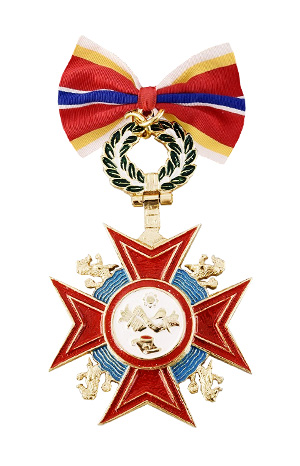
 Grand Collar (GCS) (Raja) – Awarded to a former or current Head of State and/or government.
 Grand Cross (GCrS) (Datu) – The Grand Cross is divided into two categories:
 Grand Officer (GOS) (Maringal na Lakan) – Granted to Chargé d’affaires, e.p., ministers, minister counselors, consuls general overseeing consular posts, executive directors, or individuals of comparable rank.
 Commander (CS) (Lakan) – Bestowed upon Chargé d’affaires a.i., counselors, first secretaries, consuls general in the consular section of an Embassy, consular officers with a personal rank higher than Second Secretary, directors, or individuals holding similar positions.
 Officer (OS) (Maginoo) – Conferred upon Second Secretaries, consuls, assistant directors, or individuals of similar rank.
 Member (MS) (Maharlika) – Awarded to Third Secretaries, Vice Consuls, Attachés, Principal Assistants, or individuals holding comparable positions.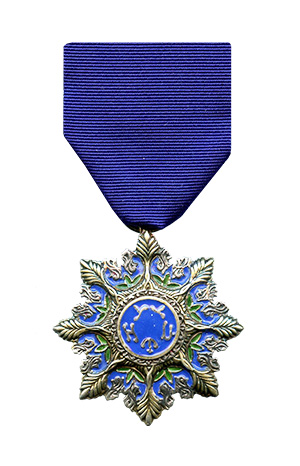
 Grand Collar (Supremo): Bestowed upon an individual who has endured significant hardships in defense of the democratic principles or territorial integrity of the Republic of the Philippines, or upon a former or current head of state or government.
 Grand Cross (Bayani): Conferred upon an individual dedicated to resolving conflicts peacefully, serving as a role model for the Filipino people, or holding high-ranking positions such as Crown Prince, Vice President, Senate President, Speaker of the House, Chief Justice, Foreign Minister, Ambassador, Undersecretary, or Assistant Secretary.
 Grand Officer (Marangal na Pinuno): Granted to an individual demonstrating lifelong commitment to political and civic welfare, or holding positions such as Chargé d’affaires e.d., Minister, Minister Counselor, Consul General, Executive Director, or similar ranks.
 Commander (Komandante): Bestowed upon individuals showing exceptional dedication to political and civic welfare, or holding positions like Chargé d’affaires a.i., Counselor, First Secretary, Consul General in an Embassy’s consular section, Director, or equivalent ranks.
 Officer (Pinuno): Awarded to individuals with commendable dedication to political and civic welfare, or holding positions like Second Secretary, Consul, Assistant Director, or similar ranks.
 Member (Kagawad): Given to individuals displaying meritorious dedication to political and civic welfare, or holding positions like Third Secretary, Vice Consul, Attaché, Principal Assistant, or equivalent ranks.