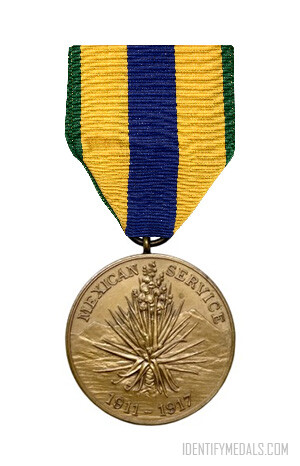
The Mexican Service Medal

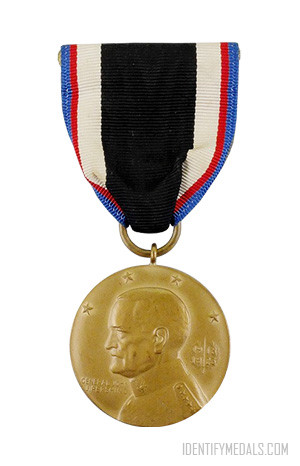
The Mexican Service Medal is an American award given for service in Mexico from 1911 to 1919. It was established in 1917.

The Mexican Service Medal is a United States military award recognizing service in Mexico from 1911 to 1919.

The Army version of the Mexican Service Medal was established on December 12, 1917, by General Orders from the United States War Department. The Navy version followed, established by Navy Department General Orders Number 365 on February 11, 1918, and later amended by General Orders No. 464 on April 27, 1919. This medal honors servicemen who participated in military actions against Mexican forces from April 12, 1911, to June 16, 1919.

To receive the Mexican Service Medal, servicemen had to engage in one of the specified military actions:

  • Veracruz Expedition: April 21 to November 23, 1914
  • Punitive Expedition into Mexico: March 14, 1916 to February 7, 1917
  • Buena Vista, Mexico: December 1, 1917
  • Aftermath of Brite Ranch raid, San Bernardino Canyon: December 26, 1917
  • La Grulla, Texas: January 8–9, 1918
  • Aftermath of Neville Ranch raid, Pilares, Chihuahua: March 28, 1918
  • Battle of Nogales, Arizona: November 1–26, 1915, or Ambos Nogales: August 27, 1918
  • Battle of Ciudad Juárez: June 15–16, 1919

The Navy also awarded the medal to those who served on U.S. naval vessels patrolling Mexican waters during the designated periods or who were involved in the above actions.

The medal was awarded only once, with no service stars for multiple engagements. Soldiers cited for gallantry could receive the Citation Star on their Mexican Service Medal. No additional devices were authorized for the Navy version.

The Mexican Service Medal Design

The medal is bronze and includes engravings that signify service and participation in the specified military engagements. The distinct designs for the Army and Navy versions reflect the different branches’ traditions and service contexts.

The designs are:

  • Army Version: Engraved with a yucca plant.
  • Navy Version: Depicts the San Juan de Ulúa fortress in Veracruz harbor. Both versions bear the inscription “1911 – 1917.”
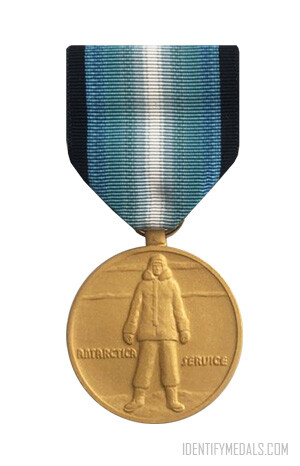

The Antarctica Service Medal

The Antarctica Service Medal was established in 1960 and intended as a military award for previous Antarctica expeditions from 1928 to 1941.

The Antarctica Service Medal (ASM) was established on July 7, 1960, by the United States Congress through Public Law 600 of the 86th Congress. This medal was created to serve as a military award, replacing several commemorative awards issued for prior Antarctic expeditions from 1928 to 1941. The medals made obsolete by the creation of the ASM include the Byrd Antarctic Expedition Medal, the Second Byrd Antarctic Expedition Medal, and the United States Antarctic Expedition Medal.

The ASM is a recognized award of the United States Armed Forces, authorized for wear on active duty uniforms and issued in the name of the U.S. Department of Defense. It can also be awarded to U.S. civilians and foreign citizens participating in U.S. Antarctic expeditions at the invitation of a U.S. agency, such as the National Science Foundation.

The Antarctica Service Medal Criteria

Eligibility for the Antarctica Service Medal requires personnel to train or serve for ten days on the Antarctic continent or on vessels in Antarctic waters (south of 60 degrees latitude). Flight crews qualify by performing transport missions to Antarctica, with one day of service credited for each mission within a 24-hour period. Civilians working in research facilities or on research vessels south of 60 degrees latitude for at least ten days (or thirty days before October 10, 2008) are also eligible, facilitated through the National Science Foundation.

The Antarctica Service Medal Design

The medal is a 1¼ inch bronze piece. The obverse features a polar landscape with a figure in Antarctic clothing, flanked by the words “ANTARCTICA” and “SERVICE.” The reverse displays a polar projection of Antarctica with geodesic lines, overlaid with the words “COURAGE,” “SACRIFICE,” and “DEVOTION,” encircled by penguins and marine life.
The service ribbon, 1⅜ inches wide, has a design symbolizing the Antarctic environment: black and dark blue edges represent five months of darkness, while the center, with colors grading from white to medium blue, symbolizes seven months of sunlight and the aurora australis.

Buy this Medal

Right Now on eBay 
Clicking a link to eBay may result in a referral commission being paid if a purchase is made.
Loading...

The Korea Defense Service Medal

The Korea Defense Service Medal is an American military service medal awarded to those who have served duty in South Korea in the 1950s.

The Korea Defense Service Medal (KDSM) is a military decoration of the United States Armed Forces, established in 2002 through legislation signed by President George W. Bush. The initiative to create this medal was led by Representative Elton Gallegly (R-CA) and Senator Jeff Bingaman (D-NM). John Sproston designed the final version of the medal.

Recipients of the KDSM are eligible for membership in veterans’ organizations such as the Veterans of Foreign Wars (VFW) and the American Legion.

The Korea Defense Service Medal Criteria

The KDSM is awarded to U.S. Armed Forces members who have served in South Korea in support of its defense post-Korean Armistice Agreement. To qualify, a service member must have served at least 30 consecutive days or 60 non-consecutive days in the South Korean theater. This includes reservists on annual training. Exceptions to the time requirement include participation in combat, injury in the line of duty requiring medical evacuation, or aircrew members who have logged over 30 days of sorties in South Korean airspace.

The medal is retroactive to service performed after July 28, 1954. The National Personnel Records Center verifies the entitlement for discharged members who served in South Korea before the KDSM’s creation. Additionally, service members can receive both the Armed Forces Expeditionary Medal and the KDSM for the same period between October 1, 1966, and June 30, 1974. Only one KDSM is awarded per individual, regardless of the length of service in South Korea.

The Korea Defense Service Medal Design

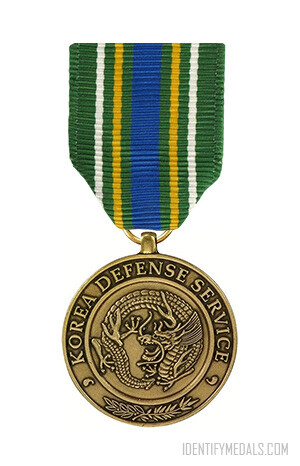
The KDSM is a bronze medal measuring 1¼ inches in diameter. The obverse features a Korean “circle dragon” with a scroll inscribed “KOREA DEFENSE SERVICE,” flanked by laurel and bamboo sprigs.

The reverse side displays the outline of the Korean Peninsula with two crossed swords.

The medal’s ribbon is mainly green with an ultramarine blue stripe in the center, flanked by golden yellow and white stripes.

Buy this Medal

Right Now on eBay 
Clicking a link to eBay may result in a referral commission being paid if a purchase is made.
Loading...

How to Start Collecting American Military Medals: Ideas & Prices

If you want to start a collection of medals from the United States, here are some great ideas classified by difficulty and total costs.

If you’ve ever been captivated by the history and heroism represented by military medals, starting a collection of American military medals can be a rewarding hobby. But with dozens of available decorations (some easy to find, others extremely difficult), where do you start? 

Whether you’re a history buff, a military enthusiast, or simply looking for a unique and meaningful collection, this guide will help you get started. We’ll explore various ideas for building your collection (including World War I, World War II, and more), categorized by difficulty and cost, to ensure you find the perfect entry point into this fascinating and honorable pursuit.

A (Quick) Love Letter to Medal Collecting

Collecting military medals is a great hobby because each medal tells a unique story of bravery, sacrifice, and patriotism. The intricate designs and profound significance of these medals connect us to the individuals who served and shaped history. In other words, each piece serves as a tangible link to the past, offering us a glimpse into the experiences and achievements of the brave souls who wore them.

This hobby goes beyond mere collecting, too. It’s a but of a journey through time. As you acquire more medals, your admiration for those who served deepens, and your understanding of our collective heritage grows. This connection to history and the people who made it is what makes collecting military medals such an enriching and inspiring pursuit.

The Easiest US Medal Collections to Get Started

For those new to the world of military medal collecting, it can be a good idea to start with the easiest and most accessible medals.

Here are some suggestions for collections that are both affordable and readily available:

  • Service Medals: Service medals are a great starting point because they are widely available and relatively cheap. Medals such as the National Defense Service Medal, Armed Forces Expeditionary Medal, and the Global War on Terrorism Service Medal are commonly awarded and can often be found at reasonable prices. 

  • Campaign Medals: Campaign medals, awarded for participation in specific military campaigns, are another excellent choice for beginners. The Vietnam Service Medal, Southwest Asia Service Medal, and Iraq Campaign Medal are examples that are frequently available and affordable. 

  • Good Conduct Medals: Most Good Conduct Medals, awarded to enlisted personnel for exemplary behavior, efficiency, and fidelity, are both common and inexpensive. These medals have been issued since World War II and are easily found in military surplus stores and online marketplaces.

  • Commemorative Medals: While not official military decorations, commemorative medals are often created to honor specific events, units, or achievements. They are widely available and can be a cost-effective way to build a collection. Examples include medals commemorating anniversaries of significant battles or honoring veterans of specific wars.

  • State and National Guard Medals: Medals issued by individual states and the National Guard can also be a great starting point. These medals recognize service within state military units and are usually less expensive than federal awards. 

The Most Accessible US Medal Collections

For beginners, some of the most accessible collections are those that include medals widely awarded and easily obtainable. Overall, these accessible collections allow new collectors to build a meaningful and diverse collection without a significant financial investment. As your interest and knowledge grow, you can gradually expand to include rarer and more valuable pieces, deepening your appreciation for the history and heroism these medals represent.

Option #1: Collecting U.S. Service Medals

Complete List and Prices (All Time Periods)

Collecting these medals offers a meaningful and relatively affordable entry into the world of military memorabilia. Here’s a comprehensive list of U.S. Service Medals that would form a complete collection, along with their average prices based on availability and typical market value (remember that prices can vary based on the condition of the medals and the specific market or seller):

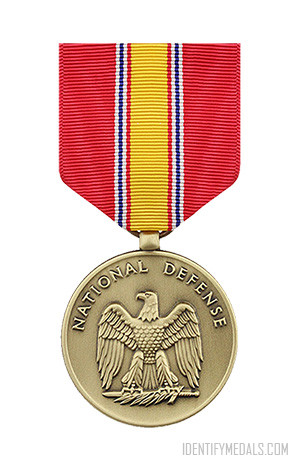
  • National Defense Service Medal (NDSM) $5-$10 (Awarded to U.S. military personnel for honorable active service during designated time periods of national emergency)

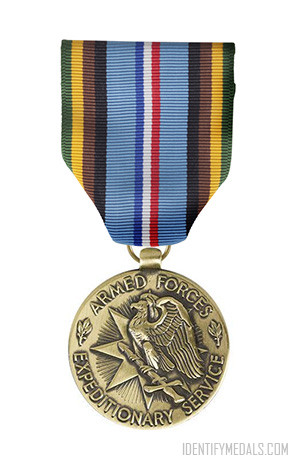
  • Armed Forces Expeditionary Medal (AFEM) $10-$20 (Presented to service members who participated in U.S. military operations, U.S. operations in direct support of the United Nations, or U.S. operations of assistance to friendly foreign nations)

  • Global War on Terrorism Service Medal (GWOTSM) $5-$10 (Given to military personnel for service in the Global War on Terrorism, including operations against terrorism since September 11, 2001)

  • Korea Defense Service Medal (KDSM) $10-$20 (Awarded to U.S. military personnel who served in the defense of South Korea after July 28, 1954)

  • Antarctica Service Medal (ASM) $15-$25 (Recognizes U.S. military and civilian personnel for participating in scientific research and exploration in Antarctica)

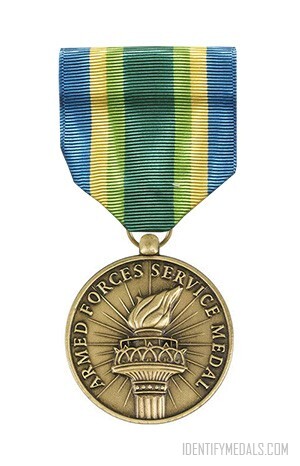
  • Armed Forces Service Medal (AFSM) $10-$20 (Granted to service members who participate in significant U.S. military operations, providing support in non-combat roles)

  • Humanitarian Service Medal (HSM) $10-$20 (Awarded for meritorious direct participation in a significant military act or operation of a humanitarian nature)

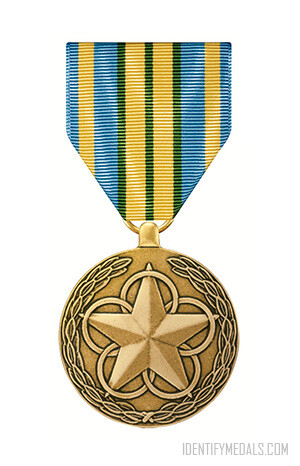
  • Outstanding Volunteer Service Medal $10-$20 (Recognizes military personnel who perform substantial volunteer service to the local community beyond their military duties)

  • Air and Space Campaign Medal $10-$20 (Awarded for participation in or support of combat operations against an armed enemy during specified campaigns)

  • Inherent Resolve Campaign Medal (IRCM) $10-$20 (Given to service members for participation in Operation Inherent Resolve, the campaign against ISIS in Iraq and Syria)

  • Military Outstanding Volunteer Service Medal (MOVSM) $10-$20 (Recognizes members of the U.S. Armed Forces who perform outstanding volunteer community service)

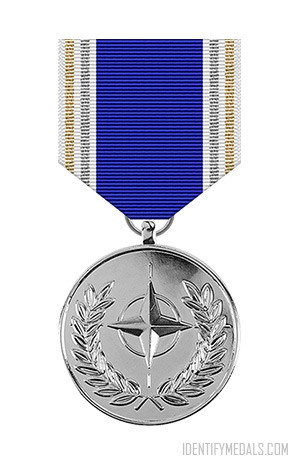
  • NATO Medal $10-$20 (Awarded to military personnel who have participated in NATO operations or activities, promoting peace and security among member nations)

Total Estimated Cost:
Given the range of prices, here’s the average total cost if you were to purchase each medal:

  • Low-End Total: $115
  • High-End Total: $245

Option #2: Collecting U.S. Campaign Medals

Complete List and Prices (All Time Periods)

Collecting these medals offers a significant and enriching connection to the various campaigns and conflicts in which the U.S. has been involved. Here’s a comprehensive list of U.S. Campaign Medals that would form a complete collection, along with their average prices based on availability and typical market value:

  • Mexican Service Medal $100-$200 (Awarded to U.S. military personnel for service in Mexico from 1911 to 1919, recognizing participation in specific engagements such as the Veracruz Expedition and the Punitive Expedition)

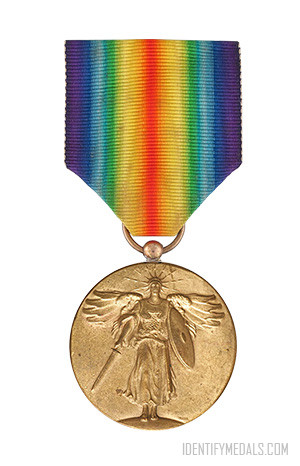
  • World War I Victory Medal $50-$100 (Presented to U.S. Armed Forces members who served in World War I, commemorating their contribution to the Allied victory from 1917 to 1918)

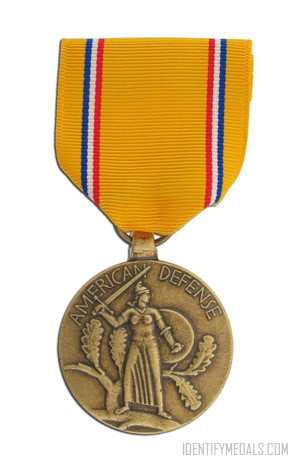
  • American Defense Service Medal $20-$40 (Awarded to service members for duty during the period of the national emergency declared by President Roosevelt before the U.S. entered World War II)

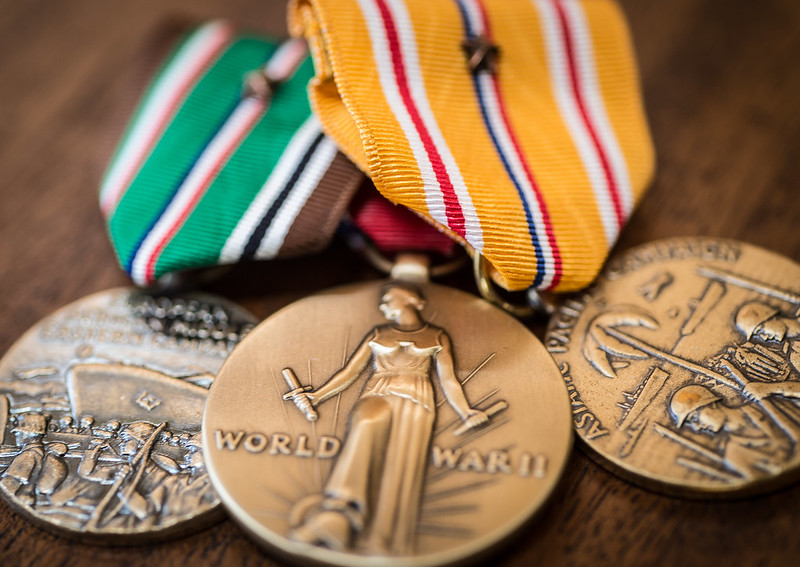
  • American Campaign Medal $20-$40 (Given to military personnel who served in the American Theater during World War II, from December 7, 1941, to March 2, 1946)

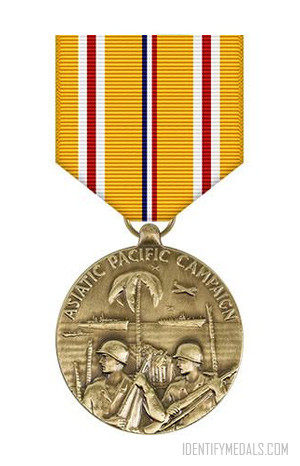
  • Asiatic-Pacific Campaign Medal $20-$40 (Recognizes U.S. military service in the Asiatic-Pacific Theater during World War II, from December 7, 1941, to March 2, 1946)

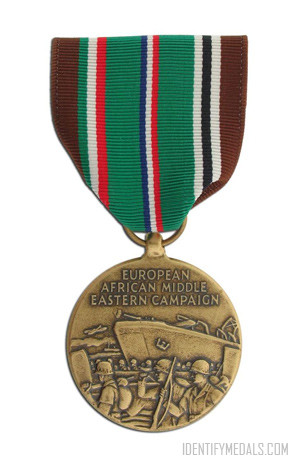
  • European-African-Middle Eastern Campaign Medal $20-$40 (Awarded to U.S. service members who served in the European-African-Middle Eastern Theater during World War II)

  • World War II Victory Medal $20-$40 (Given to all members of the U.S. Armed Forces who served during World War II, between December 7, 1941, and December 31, 1946)

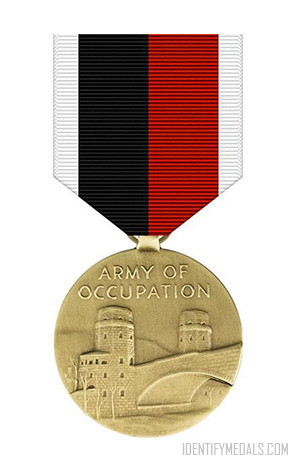
  • Army of Occupation Medal $20-$40 (Presented to U.S. military personnel who performed occupation service in Germany, Austria, Italy, or Japan after World War II)

  • Medal for Humane Action (Berlin Airlift) $50-$100 (Awarded to service members who participated in the Berlin Airlift, delivering supplies to Berlin between 1948 and 1949)

  • Korean Service Medal $20-$40 (Given to U.S. military personnel who served in the Korean War between June 27, 1950, and July 27, 1954)

  • Vietnam Service Medal $20-$40 (Awarded to members of the U.S. Armed Forces who served in Vietnam and adjacent areas between 1965 and 1973)

  • Southwest Asia Service Medal $20-$40 (Recognizes U.S. military service during the Persian Gulf War, from August 2, 1990, to November 30, 1995)

  • Kosovo Campaign Medal $20-$40 (Awarded to service members who participated in or supported operations in Kosovo after March 24, 1999)

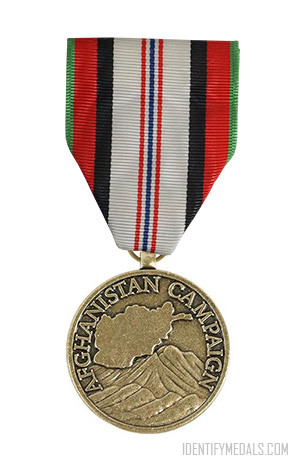
  • Afghanistan Campaign Medal $20-$40 (Given to U.S. military personnel who served in Afghanistan in support of Operation Enduring Freedom from October 24, 2001, onward)

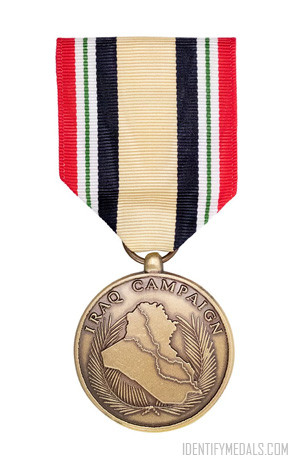
  • Iraq Campaign Medal $20-$40 (Presented to service members who served in Iraq in support of Operation Iraqi Freedom from March 19, 2003, to December 31, 2011)

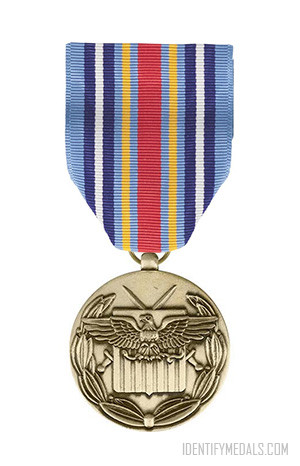
  • Global War on Terrorism Expeditionary Medal $20-$40 (Recognizes U.S. military personnel who deployed abroad in support of the Global War on Terrorism since September 11, 2001)

  • Inherent Resolve Campaign Medal $20-$40 (Awarded to service members who participated in Operation Inherent Resolve, the military campaign against ISIS in Iraq and Syria, beginning in 2014)

Total Estimated Cost:
Given the prices for these campaign medals, here’s the average cost for the complete collection:

  • Low-End Total: $490
  • High-End Total: $1000

The More Expensive World War US Medal Collections

For those with a deeper interest in history and a larger budget, collecting medals from the World Wars can be an exciting and enriching pursuit. These collections, while more expensive, offer a profound connection to some of the most significant events in modern history. Collecting these medals involves a substantial financial investment, but the historical significance and the stories of bravery and sacrifice they represent make it a deeply rewarding endeavor. 

Option #1: Collecting WW1 American Medals

Complete List and Prices

Collecting these medals offers a profound connection to the Great War and the bravery of those who served during that pivotal time in history. Here’s a comprehensive list of U.S. World War I medals that would form a complete collection and their average prices:

  • World War I Victory Medal $50-$100 (Awarded to U.S. military personnel who served in the armed forces between 1917 and 1918)

  • Army of Occupation of Germany Medal $50-$100 (For members of the U.S. Army who served in Germany or Austria-Hungary after the end of World War I)

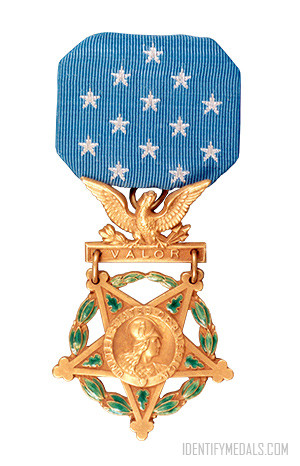
  • Medal of Honor (WWI issue) $10,000-$20,000+ (Note: Due to its rarity and the prestige associated with it, this medal is exceptionally expensive and highly collectible.)

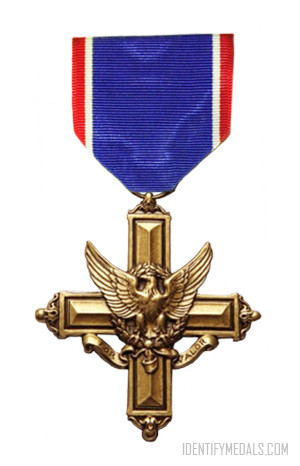
  • Distinguished Service Cross $1,000-$2,000 (Established in 1918, it is the second-highest military decoration awarded to Army personnel)

  • Distinguished Service Medal $500-$1,000 (For exceptionally meritorious service to the government in a duty of great responsibility. During WWI, it was often awarded to senior officers for outstanding leadership and achievements)

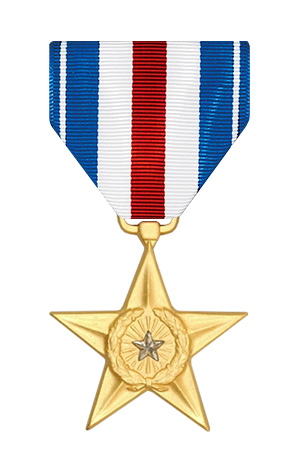
  • Silver Star $200-$400 (Awarded for gallantry in action against an enemy of the United States. Instituted in 1918, it is the third-highest military combat decoration)

  • World War I Victory Medal with campaign clasps $75-$150 (for medals with specific clasps)

  • Victory Medal for Army (different battle clasps) $100-$200 (depending on the clasps. Recognizes participation in specific battles or operations. These clasps denote the recipient’s involvement in significant engagements)

  • Victory Medal for Navy (different battle clasps) $100-$200 (depending on the clasps. Each adds historical value and significance, typically increasing the price)

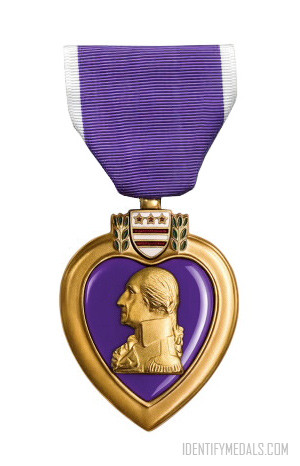
  • Purple Heart (retroactively awarded) $100-$300 (Awarded retroactively for wounds received in action, honors the sacrifice of those injured or killed. Although initially instituted in 1932, many World War I veterans received it retroactively)

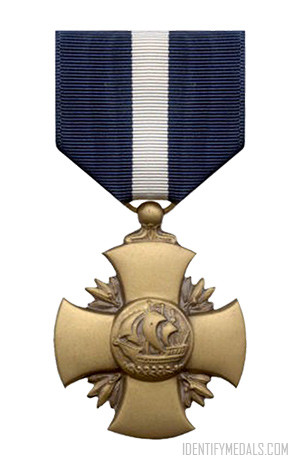
  • U.S. Navy Cross $1,500-$3,000 (The second-highest military decoration awarded for valor in combat, was established in 1919. Awarded to Navy, Marine Corps, and Coast Guard members)

Total Estimated Cost:
Considering the range of prices above, here’s the average total cost you’d need to pay if you were to purchase each medal in the WW1 collection:

  • Low-End Total: $13,675
  • High-End Total: $27,450+

Option #2: Collecting WW2 American Medals

Complete List and Prices

Collecting these medals offers a profound connection to the pivotal events of World War II and the valor of those who served during that time. Here’s a comprehensive list of U.S. World War II medals that would make a full collection and their prices (shown as averages):

  • Medal of Honor (WWII issue) $10,000-$20,000+ (Note: Due to its prestige and the limited number issued, it is extremely rare and highly valuable, with prices often exceeding $20,000)

  • Distinguished Service Cross $1,000-$2,000 (During World War II, it was second only to the Medal of Honor in terms of valor)

  • Navy Cross $1,500-$3,000 (Like the Distinguished Service Cross, it is awarded for extraordinary heroism but specifically within the Navy and Marine Corps)

  • Distinguished Service Medal (Army) $500-$1,000 (Awarded for exceptionally meritorious service to the government in a duty of great responsibility)

  • Silver Star $200-$400 (The third-highest military combat decoration. Widely awarded during WWII, this medal is a common yet highly respected collectible)

  • Legion of Merit $100-$200 (Awarded for exceptionally meritorious conduct in the performance of outstanding services and achievements. During WWII, it was awarded to both U.S. military personnel and allied forces)

  • Distinguished Flying Cross $300-$500 (Awarded for heroism or extraordinary achievement while participating in an aerial flight and to recognize the bravery of pilots and aircrew)

  • Bronze Star $100-$200 (For heroic or meritorious achievement or service in a combat zone)

  • Purple Heart $100-$300 (Awarded to those wounded or killed while serving with the U.S. military. During WWII, it was awarded in large numbers, making it a common yet deeply symbolic medal)

  • Air Medal $50-$150 (For meritorious achievement while participating in aerial flight)

  • World War II Victory Medal $20-$40 (Awarded to all military personnel who served during WWII. It is one of the most common and least expensive WWII medals)

  • American Defense Service Medal $20-$40 (For those who served on active duty before the U.S. entered WWII)

  • American Campaign Medal $20-$40 (For service within the American Theater during WWII. It acknowledges participation in various defensive and offensive operations)

  • Asiatic-Pacific Campaign Medal $20-$40 (Awarded for service in the Asiatic-Pacific Theater during WWII. It recognizes participation in major battles and operations)

  • European-African-Middle Eastern Campaign Medal $20-$40 (For service in the European-African-Middle Eastern Theater. It is one of the most recognizable WWII medals)

  • Army of Occupation Medal $20-$40 (Awarded to personnel who performed occupation service in Europe and Asia following WWII. It represents the post-war efforts to stabilize and rebuild occupied territories)

Total Estimated Cost:
Considering the prices we have covered above, the average total cost you’d need to invest for a complete World War II collection could be:

  • Low-End Total: $14,020
  • High-End Total: $28,890+

Other US Medal Collections

There are several other fascinating categories of U.S. military medals that offer rich histories and unique stories. These collections encompass different conflicts and service periods, each with its own significance and allure for collectors. Let’s see a few examples.

Option #1: Collecting Civil War Medals

The Civil War, a defining conflict in American history, produced several notable medals. Collecting Civil War medals can be challenging due to their age and rarity, but they hold immense historical value.

  • Civil War Campaign Medal $300-$600 (This medal was established in 1907 to recognize Union Army service members who served during the Civil War)
  • Southern Cross of Honor $200-$400 (Awarded to Confederate veterans, this medal was issued by the United Daughters of the Confederacy)
  • Society of the Army of the Potomac Medal $1,500 to $2,000 (Established in 1869 by the Society of the Army of the Potomac, an organization of Union Army veterans who served in the Army of the Potomac during the Civil War)
  • Davis Guard Medal $2,000 to $2,500 (Awarded by the State of Texas to the members of the Davis Guards, a Confederate artillery unit, for their distinguished service during the Second Battle of Sabine Pass on September 8, 1863)

Option #2: Collecting Vietnam War Medals

The Vietnam War era produced a range of medals that honor the service and sacrifice of those who served during this turbulent period. These medals are more accessible and provide a poignant connection to a recent and significant chapter in U.S. military history.

  • Vietnam Service Medal $20-$40 (Awarded to members of the armed forces who served in Vietnam and surrounding areas between 1965 and 1973)

  • Vietnam Campaign Medal $30-$50 (Issued by the South Vietnamese government to U.S. military personnel who served for six months in Vietnam)

  • Armed Forces Expeditionary Medal $10-$20 (Awarded for participation in military operations, including early operations in Vietnam)

Option #3: Collecting War on Terrorism Medals

The Global War on Terrorism, initiated after the September 11 attacks, has led to the creation of several medals recognizing service in ongoing military operations. These medals are readily available and represent contemporary military engagements.

Option #4: Collecting Korean War Medals

The Korean War, often called the “Forgotten War,” also has its own set of medals recognizing the valor and service of those who fought in the early 1950s.

  • Korean Service Medal $20-$40 (Awarded to U.S. military personnel who served in Korea between 1950 and 1954)

  • Korean War Service Medal $30-$50 (Issued by the South Korean government to U.S. veterans of the Korean War)

Option #5: Collecting Desert Storm/Desert Shield Medals

The Gulf War, comprising Operation Desert Shield and Operation Desert Storm, is another significant conflict with its own unique set of medals.

Conclusion

Collecting American military medals is a deeply rewarding hobby that connects you to the rich history and heroic stories of the U.S. Armed Forces.

Starting with easier collections, such as service and campaign medals, allows beginners to build a meaningful foundation without significant financial investment. As your passion and knowledge grow, you can venture into more specialized collections, including those from the Civil War, Vietnam War, the Global War on Terrorism, and beyond.

Each medal in your collection represents a piece of history and a tribute to the bravery and sacrifice of American service members. By carefully selecting and preserving these medals, you are not only creating a valuable collection but also honoring the legacy of those who served. Whether you are a seasoned collector or just beginning your journey, the world of military medal collecting offers endless opportunities for learning, appreciation, and connection to the past. Dive into this fascinating hobby, and let the stories of courage and valor inspire you as you build your collection.

FAQs About Collecting US Medals

Q: What is the best way to start collecting U.S. military medals?
A: The best way to start is by focusing on accessible and affordable medals such as service medals and campaign medals. These are widely available and can provide a solid foundation for your collection.

Q: Where can I find U.S. military medals for my collection?
A: You can find military medals at antique shops, military surplus stores, online marketplaces like eBay, and specialized dealers. Attending military memorabilia shows and auctions can also be a good way to find rare medals.

Q: How can I ensure the authenticity of the medals I purchase?
A: To ensure authenticity, buy from reputable dealers and sellers with good reviews. Research the specific characteristics of the medals you are interested in and consider consulting reference books or experts in military memorabilia.

Q: Are some U.S. military medals more valuable than others?
A: Yes, medals vary in value based on factors such as rarity, historical significance, and condition. Medals of Honor, Distinguished Service Crosses, and campaign medals from earlier conflicts like the Civil War tend to be more valuable.

Q: How should I store and display my medal collection?
A: Store medals in a cool, dry place away from direct sunlight to prevent damage. Use display cases with UV-protective glass to showcase your collection while protecting it from dust and environmental damage.

Q: Can I clean my medals to make them look better?
A: It’s generally recommended to avoid cleaning medals, as improper cleaning can reduce their value. If necessary, gently clean them with a soft cloth and consult a professional for any significant restoration.

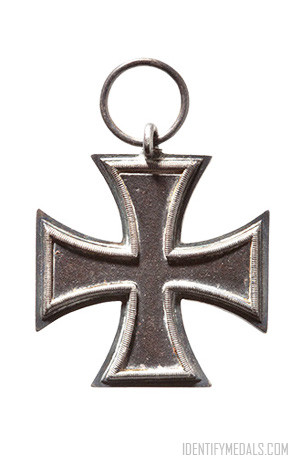
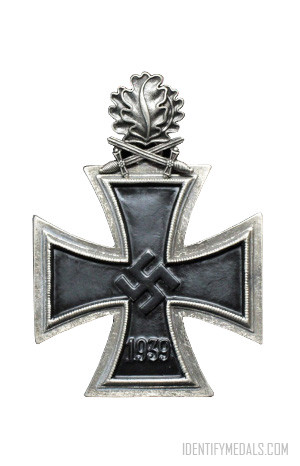
The Iron Cross (EK 1957)

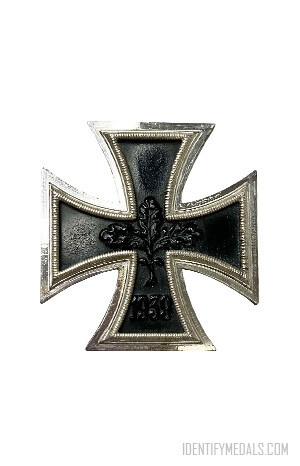
The Iron Cross 1957 was introduced to allow German veterans to wear their WWII decorations in a denazified form.

Institution: 26 July 1957
Country: Germany

The Iron Cross 1957 was officially established on July 26, 1957. It aimed to honor the bravery and leadership of those who had served during World War II while adhering to new legal requirements.

Following the end of World War II, Germany underwent significant political and social changes, including the denazification process to remove Nazi symbols from public life. By the mid-1950s, many German veterans sought recognition for their wartime service without the stigma associated with Nazi imagery. In response, the Federal Republic of Germany (West Germany) introduced the Iron Cross 1957.

This version allowed veterans to wear their decorations in a form that conformed to post-war regulations, promoting reconciliation and respect for individual bravery.

The Iron Cross 1957 Criteria

The criteria for the Iron Cross 1957 remained the same as those of the 1939 version. It was awarded to recognize acts of bravery and leadership in combat. Veterans who had earned the Iron Cross during World War II were eligible to wear the 1957 version, ensuring that their wartime service could be publicly acknowledged without the associated Nazi symbols

More Variations of the Iron Cross

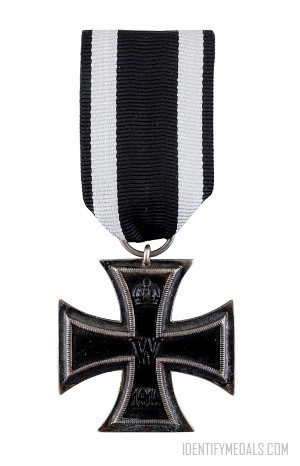
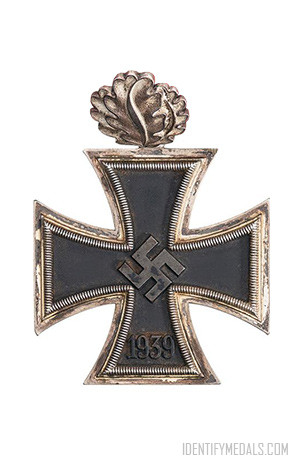
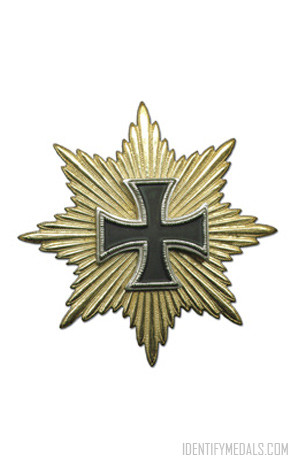
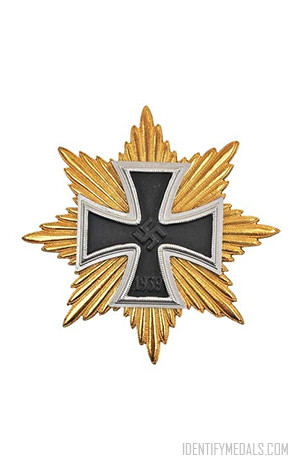
The Iron Cross, a prestigious German military decoration, has undergone several variations since its inception. For example, the Iron Cross 1813 was instituted during the Napoleonic Wars by King Frederick William III of Prussia, the Iron Cross 1914 was awarded during World War I, it was reinstated by Kaiser Wilhelm II, and the Iron Cross 1939 was revived by Adolf Hitler for World War II, with modifications including a swastika.

Find the Iron Cross Medal Online

Right Now on eBay 
Clicking a link to eBay may result in a referral commission being paid if a purchase is made.
Loading...

Further Reading About the Iron Cross

Discover the stories behind the Iron Cross with these compelling books and delve into the rich history and significance of this prestigious military decoration.

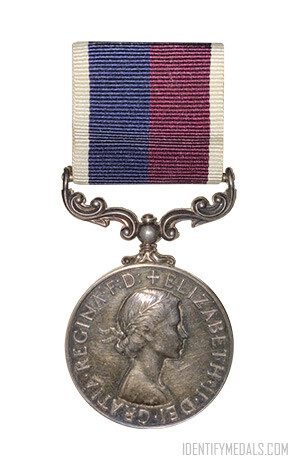
The Royal Air Force Long Service and Good Conduct Medal

The Royal Air Force Long Service and Good Conduct Medal was instituted by King George V in 1919 and awarded to officers and airmen.

The Royal Air Force Long Service and Good Conduct Medal is awarded to regular members of the Royal Air Force in recognition of their long service and exemplary conduct.

Instituted by King George V in 1919, following the establishment of the world’s first independent air force, the medal was initially awarded to non-commissioned officers and airmen. The criteria were later broadened to include officers who had served a minimum period in the ranks before being commissioned. Since 2016, all regular members of the RAF, including officers who have never served in the ranks, are eligible for this medal.

Originally, the medal was awarded after eighteen years of unblemished service, later reduced to fifteen years from December 1, 1977. An airman became eligible upon completing the requisite service period, provided there were no disqualifying offenses. Recommendations for the medal required a commanding officer’s endorsement and were awarded only to serving personnel. Before 1944, up to four years of service in the Royal Navy or British Army could count towards the RAF service requirement. During wartime or emergencies, the medal could be awarded for distinguished service without the usual time or conduct requirements.

The Royal Air Force Long Service and Good Conduct Medal Design

The silver medal is a 36-millimeter disk, with the obverse featuring the effigy of the reigning monarch.

The reverse displays the RAF eagle with outstretched wings, surmounted by the crown, and the inscription “FOR LONG SERVICE AND GOOD CONDUCT.” The clasp features an eagle with outstretched wings and a crown, with a silver rosette on the ribbon bar denoting the award in undress uniform.

The ribbon is 32 millimeters wide with distinct bands of white, dark blue, and crimson.

More British Long Service and Good Conduct Decorations

The British military has instituted several Long Service and Good Conduct Decorations, each honoring the dedication and exemplary service of its personnel across different branches. Here are some other ones from different time periods:

Find these medals online:

Right Now on eBay 
Clicking a link to eBay may result in a referral commission being paid if a purchase is made.
Loading...

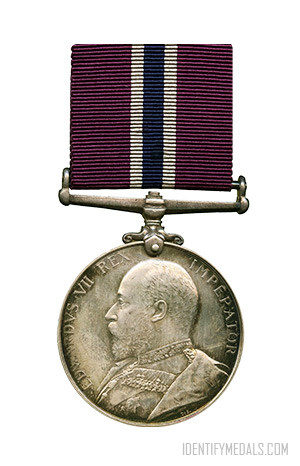
The Permanent Forces of the Empire Beyond the Seas Medal

The Permanent Forces of the Empire Beyond the Seas Medal was established in 1910 to supersede the several local versions of the Army one.

The Permanent Forces of the Empire Beyond the Seas Medal, also known as the Permanent Overseas Forces Long Service and Good Conduct Medal, was established in 1910 to recognize long service and good conduct among other ranks of the Permanent Forces of the Dominions and Colonies of the British Empire.

This medal replaced the various local versions of the Army Long Service and Good Conduct Medal. Superseded in 1930 by the Medal for Long Service and Good Conduct (Military), it continued the tradition of honoring exemplary service.

Commonwealth of Australia Version

The Commonwealth of Australia version of the Army Long Service and Good Conduct Medal emerged following Australia’s federation on 1 January 1901.

The five distinct medals for New South Wales, Queensland, South Australia, Tasmania, and Victoria were unified into a single version with King Edward VII’s effigy and the inscription “COMMONWEALTH OF AUSTRALIA” on the reverse.

These medals retained the same crimson ribbon, but with a distinctive 4-millimeter central band representing the Commonwealth. This version was part of the broader effort to standardize awards across the British Empire’s territories.

The Permanent Forces of the Empire Beyond the Seas Medal Design

The Permanent Forces of the Empire Beyond the Seas Medal is crafted in silver, with a diameter of 36 millimeters (1.42 inches) and a thickness of 3 millimeters (0.12 inches). It features a single-toe claw mounting, secured to the medal by a horizontal pin through its upper edge, and is supported by double-scroll claws on the rim. The medal is attached to a straight, swiveling suspension bar.

The initial version of the medal’s obverse showcases the effigy of King Edward VII in a Field Marshal’s uniform, facing left, with the inscription “EDWARDVS VII REX IMPERATOR” around the edge. Following the coronation of King George V on June 22, 1911, the obverse was updated to depict his effigy, also in a Field Marshal’s uniform and facing left, with the inscription “GEORGIVS V BRITT: OMN: REX ET IND: IMP:” around the perimeter.

The reverse side of the medal is smooth with a raised rim. It features the inscription “PERMANENT FORCES OF THE EMPIRE BEYOND THE SEAS” around the edge, and “FOR LONG SERVICE AND GOOD CONDUCT” in four lines at the center.

The medal is suspended from a ribbon that is 32 millimeters wide. The ribbon consists of an 11.5-millimeter wide crimson band and a 2.5-millimeter wide white band, repeated in reverse order and separated by a 4-millimeter wide dark blue band.

More British Long Service and Good Conduct Decorations

The British military has instituted several Long Service and Good Conduct Decorations, each honoring the dedication and exemplary service of its personnel across different branches. Here are some other ones from different time periods:

Find these medals online:

Right Now on eBay 
Clicking a link to eBay may result in a referral commission being paid if a purchase is made.
Loading...

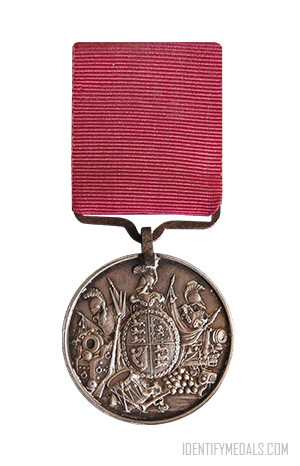
The Army Long Service and Good Conduct Medal

This Army long service medal was instituted by King William IV in 1830 and remained in use for a hundred years, until 1930.

Instituted by King William IV in 1830, the Army Long Service and Good Conduct Medal was awarded for long service and exemplary conduct. It remained in use until 1930, when it was replaced by the Medal for Long Service and Good Conduct.

On 31 May 1895, Queen Victoria authorized Dominion and Colonial governments to adopt various military medals, including the Army Long Service and Good Conduct Medal, for their local military forces. Territories that utilized this authorization included Canada, Cape of Good Hope, India, Natal, New South Wales, New Zealand, Queensland, South Australia, Tasmania, Victoria, and, from 1901, the Commonwealth of Australia.

Originally awarded for 21 years (infantry) or 24 years (cavalry) of service, the qualifying period was reduced to 18 years in 1870.

The Army Long Service and Good Conduct Medal Design

Initially featuring a Trophy of Arms and the Royal Coat of Arms, the medal’s obverse changed with each monarch. The reverse consistently displayed “FOR LONG SERVICE AND GOOD CONDUCT”.

Authorized in 1895 for Dominion and Colonial forces, these medals were similar but included specific territory names and unique ribbon colors. Made of silver, 36mm in diameter, the medal’s suspension evolved over time, with the ribbon changing in 1916 to a crimson or reddish-violet with white edges.

More British Long Service and Good Conduct Decorations

The British military has instituted several Long Service and Good Conduct Decorations, each honoring the dedication and exemplary service of its personnel across different branches. Here are some other ones from different time periods:

Find these medals online:

Right Now on eBay 
Clicking a link to eBay may result in a referral commission being paid if a purchase is made.
Loading...

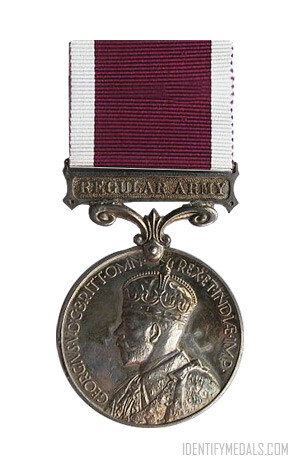
The Medal for Long Service and Good Conduct

The Medal for Long Service and Good Conduct was instituted by King George V in 1930 and initially awarded to Regular Force officers.

The Military Medal for Long Service and Good Conduct is awarded to regular members of the armed forces. It was instituted by King George V in 1930 and replaced the Army Long Service and Good Conduct Medal and the Permanent Forces of the Empire Beyond the Seas Medal.

Initially awarded to Regular Army warrant officers, non-commissioned officers, and men of the UK Armed Forces, it also had territorial versions for the British Dominions. In 1947, eligibility was extended to include officers with prior service in the ranks, and since 2016, it includes all regular members who meet the required length of service.

The Medal for Long Service and Good Conduct Design

The medal is crafted in silver, measuring 36 millimeters in diameter.

The obverse features the effigy of the reigning monarch. Two versions were made during the reigns of King George VI and Queen Elizabeth II. All versions share an ornamented scroll pattern suspender, attached to a bar inscribed “REGULAR ARMY,” affixed with a single-toe claw and a horizontal pin.

The reverse, unchanged across versions, is smooth with a raised rim and bears the inscription “FOR LONG SERVICE AND GOOD CONDUCT” in four lines. The bar’s reverse is smooth and undecorated.

The clasp displays the Army Crest. A silver rosette on the ribbon bar denotes the award of the clasp in undress uniform. The ribbon, identical to that of the Army Long Service and Good Conduct Medal introduced in June 1916, is 32 millimeters wide and crimson or reddish violet, edged with 3-millimeter-wide white bands.

More British Long Service and Good Conduct Decorations

The British military has instituted several Long Service and Good Conduct Decorations, each honoring the dedication and exemplary service of its personnel across different branches. Here are some other ones from different time periods:

Find these medals online:

Right Now on eBay 
Clicking a link to eBay may result in a referral commission being paid if a purchase is made.
Loading...

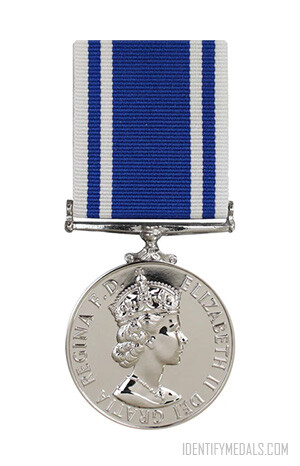
A List of All British Long Service and Good Conduct Medals

Explore the comprehensive list of medals awarded to military personnel for their dedication, exemplary service, and good conduct.

Throughout history, the British Armed Forces have recognized the unwavering dedication, exemplary service, and impeccable conduct of their personnel through a series of distinguished medals. These Long Service and Good Conduct Medals serve as symbols of honor and commitment, celebrating the careers of those who have dedicated significant portions of their lives to military service.

Long service and good conduct medals emerged as a means to recognize the sustained dedication and exemplary behavior of military personnel. Initially, such recognition was informal, but by the 19th century, formalized awards were introduced. These medals not only honored individual commitment but also served to encourage high standards of professionalism and discipline within the ranks.

The purpose of this article is to provide a comprehensive list of these medals, highlighting their historical significance and the criteria for their award. 

Long Service and Good Conduct Medals:
The Historical Context

The tradition of awarding medals in the British military dates back to the 17th century, with the earliest recorded medals given for acts of valor and significant military achievements. Over time, these awards evolved to include various categories, such as campaign medals, gallantry awards, and long service and good conduct medals.

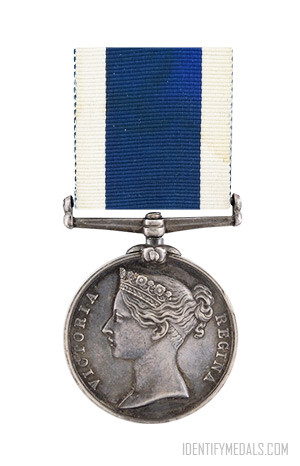
In fact, it was the introduction of the Victoria Cross in 1856 that marked a significant milestone, setting a high standard for gallantry awards. In terms of service and conduct, the Naval Long Service and Good Conduct Medal, established in 1830, was one of the first of its kind, followed by similar medals for the army and volunteer forces. 

Long Service and Good Conduct Medals from the UK

Let’s take an in-depth look at the various medals awarded to recognize the dedication and professionalism of service personnel. From the prestigious Naval Long Service and Good Conduct Medal, established in the early 19th century, to other significant awards.

Find British Long Service and Good Conduct Medals Online

Right Now on eBay 
Clicking a link to eBay may result in a referral commission being paid if a purchase is made.
Loading...