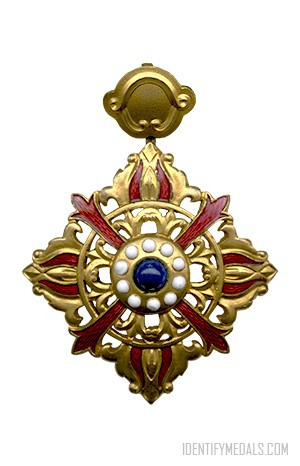

- Time Period: Pre-WW1
- Institution: 20 June 1874
- Country: United States
The Gold Lifesaving Medal is one of the oldest U.S. federal decorations, first authorized by an Act of Congress on June 20, 1874 to recognize heroism in saving lives from peril in the water.
Originally administered by the U.S. Life‑Saving Service under the Treasury Department, it became a Coast Guard‑administered award after the Life‑Saving Service merged with the Revenue Cutter Service to form the modern Coast Guard. The current legal authorization comes from Title 14 of the U.S. Code, and the medal continues to be awarded by the Coast Guard today. More than 600 Gold Lifesaving Medals have been issued since its inception.
The Coast Guard Gold Lifesaving Medal Criteria
The Gold Lifesaving Medal is awarded to any person—military or civilian—who rescues or attempts to rescue another person from drowning, shipwreck, or other perils of the water and does so at the risk of their own life, demonstrating extreme and heroic daring. The rescue must occur in waters within the United States or under its jurisdiction, or involve a U.S. citizen or vessel if outside U.S. jurisdiction. Awards may be made posthumously.
The Coast Guard Gold Lifesaving Medal Design
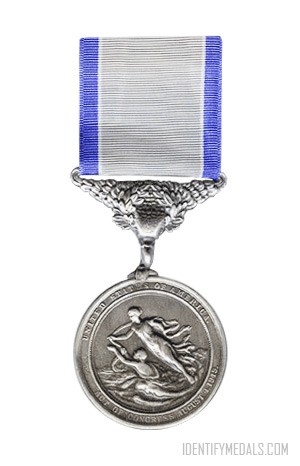
The medal is uniquely struck from pure gold, making it one of the few U.S. decorations made of the precious metal itself. Early versions were large, table‑display pieces; later iterations, dating from the late 19th century onward, were designed to be worn suspended from a ribbon.
The obverse depicts a rescue scene at sea, symbolizing life‑saving action, while the reverse bears inscriptions reflecting its purpose under Act of Congress.
The medal’s ribbon and size were standardized around 1949 to align with other U.S. awards. Subsequent awards are denoted by gold bars inscribed with the recipient’s name.


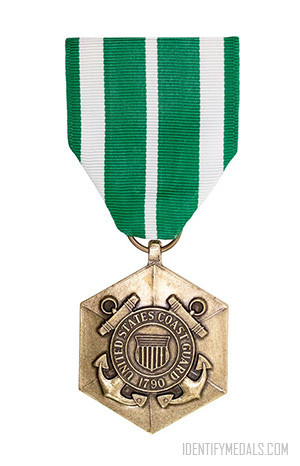
 Coast Guard Presidential Unit Citation
 DHS Outstanding Unit Award
 Coast Guard Unit Commendation
 Coast Guard Meritorious Unit Commendation
 Meritorious Team Commendation
 Coast Guard “E” Ribbon
 Commandant’s Letter of Commendation Ribbon
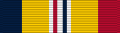 Coast Guard Combat Action Ribbon
 Enlisted Person of the Year Ribbon
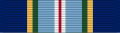 Special Operations Service Ribbon
 Coast Guard Sea Service Ribbon
 Restricted Duty Ribbon
 Coast Guard Overseas Service Ribbon
 Coast Guard Basic Training Honor Graduate Ribbon
 Coast Guard Recruiting Service Ribbon