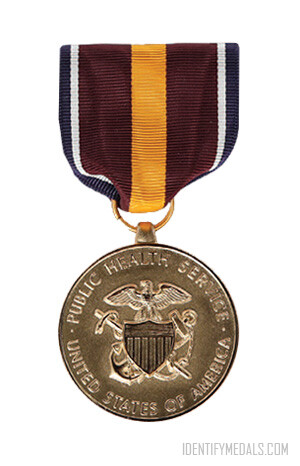
The Public Health Service Distinguished Service Medal

The highest honor awarded by the United States Public Health Service Commissioned Corps, it recognizes exceptional accomplishments.

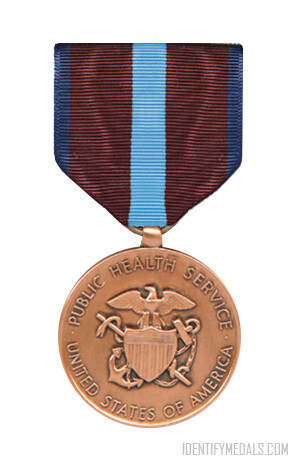
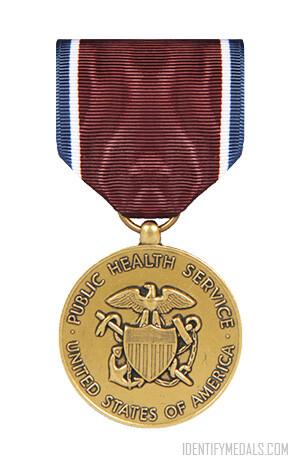
The Public Health Service (PHS) Distinguished Service Medal is the highest honor awarded by the United States Public Health Service Commissioned Corps.

It recognizes exceptional accomplishments by officers of the Corps or other members of the U.S. Uniformed Services whose achievements significantly advance the Corps’ mission. This prestigious medal is the top decoration of the Department of Health and Human Services Public Health Service Commissioned Corps.

Award Criteria

The medal is presented for extraordinary contributions that have a profound impact on national or global health. Recipients demonstrate an exceptional commitment to public service and make significant advancements in public health. The award may also honor acts of heroism that save lives or protect health.

The medal can be awarded “With Valor”, denoted by a bronze “V” device, to acknowledge acts of courage and bravery. This designation is reserved for officers who demonstrate conspicuous bravery, risking their own safety through specific actions that save or preserve lives. It does not apply to general exposure to hazardous conditions but instead requires clear evidence of extraordinary risk and heroism.

In summary:

  • Members of the United States Public Health Service
  • Commissioned Corps
  • Members of any other Uniformed Service of the United States

More Medals of the Public Health Service

Find This Medal Online

Right Now on eBay 
Clicking a link to eBay may result in a referral commission being paid if a purchase is made.
Loading...

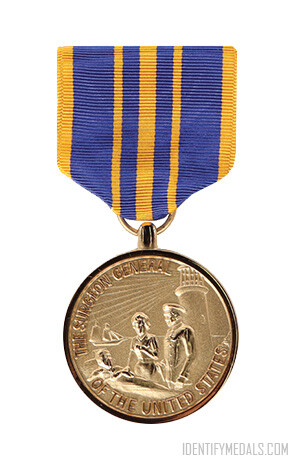
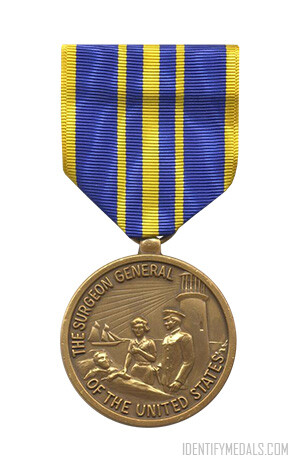
The Surgeon General’s Medallion

The Surgeon General’s Medallion is the fourth-highest honor within the U.S. Public Health Service. It’s given for exceptional achievements.

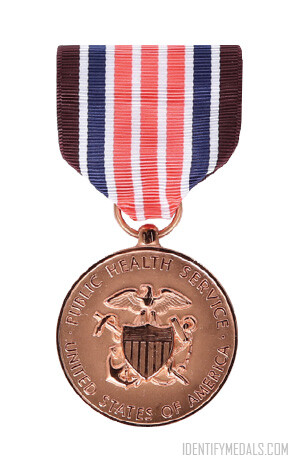
The Surgeon General’s Medallion is the fourth-highest honor within the U.S. Public Health Service and the Public Health Service Commissioned Corps. Presented by the U.S. Surgeon General, this prestigious award recognizes exceptional achievements in public health and medicine.

The criteria for the award are determined by the sitting Surgeon General and typically include groundbreaking contributions to public health, advancements in disease prevention and control, or outstanding service in senior roles within the Department of Health and Human Services.

Due to its high regard, the Surgeon General’s Medallion is authorized for wear on active-duty uniforms of the U.S. Armed Forces. For Public Health Service Commissioned Corps members, it is worn after the Public Health Service Meritorious Service Medal and before the Department of Commerce Silver Medal, the Surgeon General’s Exemplary Service Medal, and the Legion of Merit.

More Medals of the Public Health Service

Find This Medal Online

Right Now on eBay 
Clicking a link to eBay may result in a referral commission being paid if a purchase is made.
Loading...

The Humanitarian Medal

The Humanitarian Medal is a newly established British honor designed to recognize individuals who have demonstrated exceptional bravery and commitment in disaster response efforts. Announced in July 2023, this medal acknowledges the courageous actions of UK citizens who risk their lives to assist others during emergencies, both domestically and internationally.

Key Features of the Humanitarian Medal:

  • Purpose: To honor acts of bravery and selflessness by UK citizens in disaster situations, including natural disasters, humanitarian crises, and other emergencies.

  • Eligibility: Open to both civilians and members of the armed forces who have gone above and beyond in providing aid and relief during critical incidents.

The Humanitarian Medal Design

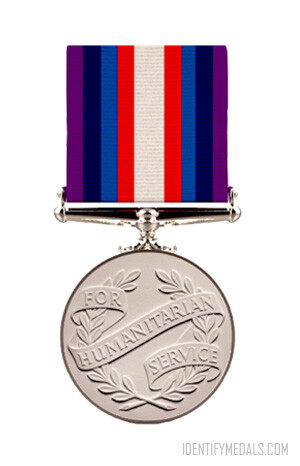
The medal features laurel wreaths, symbolizing triumph in overcoming crises, intertwined with a banner inscribed with “For humanitarian service.” The obverse showcases the Sovereign’s effigy.

The ribbon design represents the diverse routes and services involved in humanitarian efforts. A central white stripe symbolizes civilians and peace, flanked by four narrow stripes: red for humanitarian organizations, light blue for the NHS, and dark blue and purple for other services.

The Queen’s Commendation for Brave Conduct Medal

This medal was created in 1934 to recognize acts of bravery by civilians and armed forces members in non-combat situations.

The Queen’s Commendation for Brave Conduct, originally the King’s Commendation for Brave Conduct, recognized acts of bravery by civilians and armed forces members in non-combat situations, both in war and peace. Established by King George VI in 1939, it was discontinued in 1994 and replaced by the Queen’s Commendation for Bravery. It represented the lowest tier of bravery awards in the British honors system, alongside a mention in despatches, and did not confer post-nominal letters.

The commendation was created at the onset of World War II to address the lack of recognition for non-combat gallantry, especially among civilians and the Merchant Navy. Awards were published in the London Gazette and described simply as “Commendation for brave conduct” until 1945, when the title “King’s Commendation for Brave Conduct” was formalized. It allowed posthumous recognition, filling a gap left by other gallantry awards, which were typically not awarded posthumously except for the Victoria Cross and George Cross.

The Evolution of the Commendation

The practice of commendations originated during World War I, where it was primarily used to honor acts of bravery by Merchant Navy seamen. The system fell into disuse between the wars but was revived in 1939. After World War II, the commendation continued to recognize non-frontline bravery, often involving civil defense and public service. In 1952, it was renamed the Queen’s Commendation for Brave Conduct following the death of King George VI. The award was officially replaced by the Queen’s Commendation for Bravery in 1994.

Notable recipients ranged from firefighters and air raid wardens to Merchant Navy personnel and civilians who displayed courage in life-threatening situations, often in response to U-boat attacks, bombings, and other wartime emergencies. Recipients were listed in the London Gazette and received certificates, but no medal accompanied the commendation.

The Commendation for Brave Conduct Medal Design

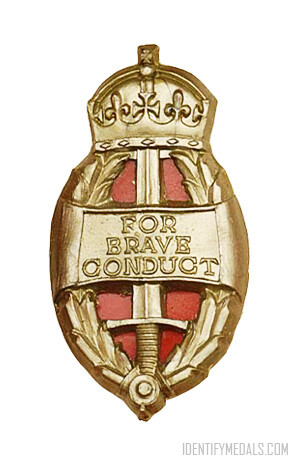
Before 1943, recipients of the Commendation for Brave Conduct received only a certificate. In 1943, a gold and red plastic pin-backed badge, designed by George Kruger Gray 🔗, was introduced for civilian recipients. Measuring 38 mm by 20 mm, it featured an upright sword in a wreath with a crown and was intended for everyday civilian wear, often provided in pairs with a red box.

From 1946, the plastic badge was replaced by a silver metal laurel leaf for civilians, while armed forces personnel and merchant seamen received a bronze oak leaf insignia. Identical to the Mention in Despatches oak leaf, these devices were worn on the ribbon of the appropriate campaign medal—typically the Defence Medal for civilians and War Medal for servicemen—or directly on clothing if no medal had been awarded. For post-1945 campaigns, they could be worn on corresponding campaign medals.

The Humanitarian Service Medal

The Humanitarian Service Medal (HSM) is a U.S. military award that recognizes members of the Armed Forces for humanitarian missions.

The Humanitarian Service Medal (HSM) is a U.S. military award established on January 19, 1977, by President Gerald Ford 🔗 through Executive Order 11965. It recognizes members of the Armed Forces, including Reserve and National Guard, for meritorious participation in humanitarian missions, such as disaster relief, refugee support, or non-combatant evacuations.

The medal was proposed in 1975 by Julia V. Taft, head of the Interagency Task Force for Indochinese Resettlement, to honor military personnel aiding Vietnamese and Cambodian refugees after the Vietnam War. Despite initial opposition from Army Lieutenant General Harold G. Moore, who favored certificates over medals, Army Lieutenant General John W. Vessey supported the idea, leading to its approval by President Ford.

The Humanitarian Service Medal Criteria

The HSM is awarded for activities designated by the Department of Defense, including natural disaster relief and humanitarian operations. It cannot be given for domestic disturbances or when other military awards like the Armed Forces Service Medal are issued for the same mission. The award is retroactive to April 2, 1975.

For civilians, the Department of the Army offers a similar recognition, the Civilian Award for Humanitarian Service.

The Humanitarian Service Medal Design

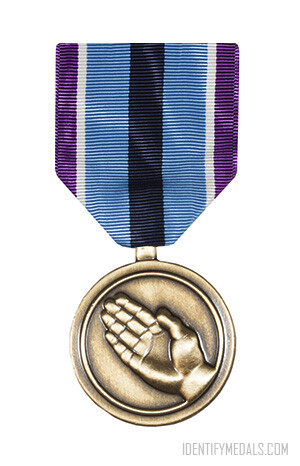
The Humanitarian Service Medal (HSM) is crafted from a durable, high-quality metal alloy and features intricate detailing that symbolizes its purpose. The medal is accompanied by a ribbon made of woven fabric, designed to complement the medal’s theme of service and recognition.

The obverse of the medal features a laurel wreath encircling a raised depiction of a helping hand. The hand is symbolic of assistance and support, reflecting the humanitarian mission recognized by the award. This imagery highlights the dedication of U.S. military personnel to aiding those in need. The reverse side bears a simple inscription that reads “For Humanitarian Service,” along with space for additional engraving if required. The clean, understated design emphasizes the selfless nature of the contributions being honored.

The medal is suspended from a ribbon featuring alternating vertical stripes of purple and white. The purple symbolizes dedication and compassion, while white signifies purity of purpose and service. The ribbon’s color scheme reinforces the theme of humanitarian aid and the noble qualities associated with such efforts.

Buy this Medal

Right Now on eBay 
Clicking a link to eBay may result in a referral commission being paid if a purchase is made.
Loading...

Medals for Service in Disaster Relief and Humanitarian Missions

Beyond the battlefield, some medals are awarded for non-combat achievements, such as disaster response, peacekeeping, and medical aid.

Medals are often associated with acts of valor in combat, but many awards recognize achievements beyond the battlefield, honoring individuals and groups for their extraordinary contributions to disaster relief, humanitarian aid, and peacekeeping missions.

Let’s take a look at some of the decorations that highlight the critical, life-saving roles played by military personnel, civilians, and international collaborators in non-combat scenarios.

The Significance of Non-Combat Medals

Non-combat medals represent a global commitment to valuing acts of service, compassion, and bravery outside traditional military roles. They inspire others to contribute to disaster relief and humanitarian missions, often under extremely dangerous and demanding conditions.

By celebrating these efforts, non-combat medals highlight the multifaceted nature of service, reinforcing the idea that heroism extends far beyond the battlefield. Whether awarded to individuals, groups, or international organizations, these honors serve as a reminder of humanity’s resilience and capacity to work together for the greater good.

1. Recognizing Disaster Relief Efforts

When natural disasters strike, military and civilian responders frequently step in to provide aid. Medals for disaster relief recognize their tireless work in saving lives, restoring order, and supporting recovery efforts.

  • United States: The Humanitarian Service Medal is awarded to U.S. service members who participate in significant humanitarian operations, such as hurricane response, wildfire relief, or international disaster assistance.

  • United Kingdom: The Queen’s Commendation for Bravery often acknowledges acts of exceptional courage during disaster response.

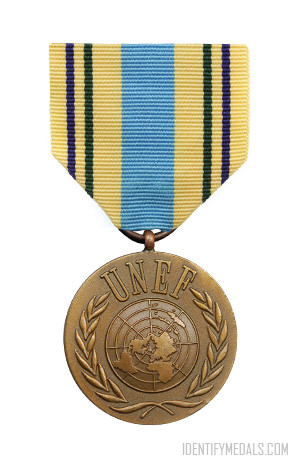
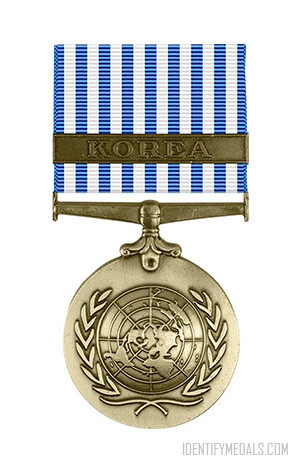
  • Global Examples: UN personnel are often recognized with the United Nations Medal for their work in disaster-stricken regions, such as providing aid after earthquakes or tsunamis.

2. Honoring Humanitarian Aid Contributions

Humanitarian missions often address issues like food insecurity, disease outbreaks, and displacement due to conflict or natural disasters. Medals in this category celebrate contributions to the well-being of affected populations.

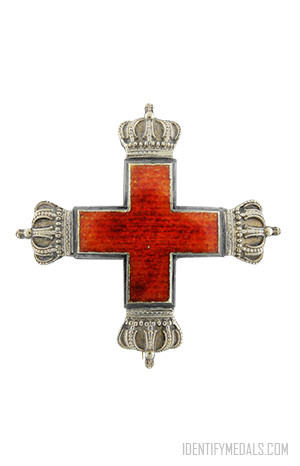
  • International Red Cross Medals: Awarded to volunteers and professionals who risk their lives to deliver medical aid and essential services in challenging conditions.

  • United Kingdom: The Humanitarian Medal is a newly established British honor designed to recognize individuals who have demonstrated exceptional bravery and commitment in disaster response efforts.

  • India: The Samaj Seva Medal acknowledges individuals or groups contributing to significant community service and relief efforts during emergencies.

3. Peacekeeping and Conflict Resolution Awards

Peacekeeping missions aim to stabilize regions affected by war or unrest. These medals highlight the role of military and civilian personnel in promoting peace and security.

  • United Nations Peacekeeping Medal: Presented to those serving in UN peacekeeping operations, such as in Bosnia, Rwanda, or South Sudan.

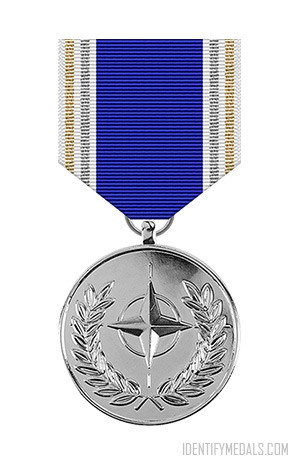
  • NATO Medal: Awarded to individuals participating in NATO-led peacekeeping operations, such as those in the Balkans or Afghanistan.

  • African Union Medals: Recognize efforts in missions like AMISOM, which promotes peace and stability in Somalia.

4. Medals for Public Health and Medical Aid

Medical professionals, researchers, and organizations are often recognized for their work in combating disease outbreaks or providing health services in crisis zones.

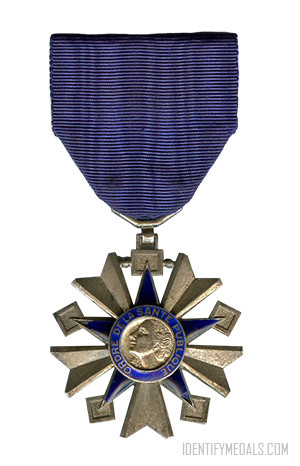
  • United States Public Health Service Awards: Medals like the Surgeon General’s Medallion honor those involved in public health emergencies, such as responses to pandemics or vaccination campaigns.

  • WHO Awards: The World Health Organization Medal is presented for significant contributions to global health initiatives, such as eradicating polio or managing Ebola outbreaks.

5. Civilian and Volunteer Recognition

While military personnel often dominate the conversation about medals, many awards are designed specifically for civilian and volunteer contributions in non-combat scenarios.

  • United States: The Presidential Volunteer Service Award acknowledges exceptional volunteerism, including humanitarian efforts during crises.

  • Australia: The Humanitarian Overseas Service Medal is awarded to Australians who provide significant service in international humanitarian missions.

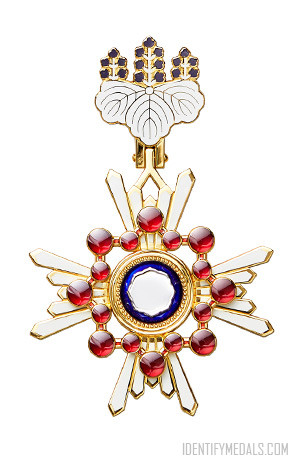
  • Japan: The Order of the Sacred Treasure may be presented to civilians who demonstrate extraordinary service in relief operations.

The Médaille Militaire (France)

The Médaille Militaire (or French Military Medal) was established in 1952 and awarded for meritorious service and acts of bravery.

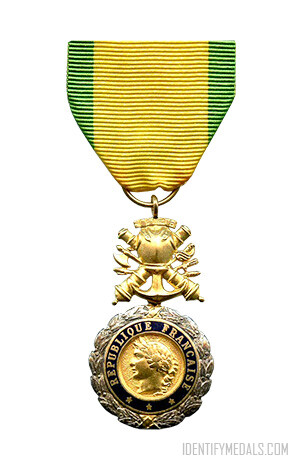
The Médaille Militaire (or Military Medal) is a distinguished military decoration of France, awarded for acts of bravery and meritorious service in action against an enemy. Reserved for non-commissioned ranks, it stands as the third-highest honor in the French Republic, following the Legion of Honour, which serves both civil and military purposes, and the Order of Liberation, an order established solely for the Second World War. This makes the Médaille militaire the highest exclusively military decoration still awarded in France.

During World War I, over 230,000 Médaille militaire honors were conferred, a testament to the sacrifices made, with 1.4 million French soldiers killed and 3 million wounded. By comparison, the British Military Medal was awarded approximately 115,000 times, and the Victoria Cross, the UK’s highest military decoration, was awarded to 627 recipients.

Established in 1852 by Louis-Napoléon Bonaparte, then-President of France, the award may have drawn inspiration from a similar medal created by his father, Louis Bonaparte, King of Holland. Following World War I, the Médaille militaire was briefly awarded to soldiers wounded in combat, adding a unique dimension to its legacy.

The Médaille Militaire Design

The Médaille militaire is a distinguished silver medal adorned with a laurel wreath, measuring 28 mm (1.1 in) across, encircling a central gold medallion. The medallion displays the left-facing profile of Marianne, symbolizing the French Republic, although earlier versions from the Second Empire featured Emperor Napoleon III’s profile instead. Encircling the medallion is a blue enamel ring inscribed in gold with “RÉPUBLIQUE FRANÇAISE” (“FRENCH REPUBLIC”), accompanied by a small gold star at the bottom. The number of stars varies by era, with one star for the Fourth Republic version and three stars for the Fifth Republic; the Third Republic medal bore the year “1870,” while the Second Empire version included “LOUIS-NAPOLEON” instead of “RÉPUBLIQUE FRANÇAISE” and floral embellishments beside the star.

Originally, the medal was topped with a silver imperial eagle, while later versions are adorned with a design combining a breastplate over crossed cannons, an anchor, sabres, swords, and battle axes, with a looped ring for attaching the ribbon. The reverse of the medal remains consistent across all versions, displaying the inscription “VALEUR ET DISCIPLINE” (“VALOUR AND DISCIPLINE”) in relief, surrounded by the blue enamel ring.

The Médaille militaire ribbon is 37 mm (1.5 in) wide, yellow with green edges measuring 6 mm (0.24 in) each. This ribbon design was inspired by the Order of the Iron Crown, which the Médaille militaire succeeded in France.

D-Day Medals: All Awards From The Invasion of Normandy

Adolf Hitler wore several medals throughout his life, reflecting his military service and political career. Here is the complete list.

The D-Day invasion on June 6, 1944, was a heroic and grueling undertaking that tested the courage and resilience of Allied forces. Recognizing the bravery and sacrifices made during this monumental assault, several military decorations and medals were awarded to soldiers, sailors, airmen, and support staff who played key roles in the operation. Medals from various Allied nations honored both individual acts of valor and collective contributions, reflecting the international scale and significance of the invasion.

In thi article, we will take a look at the most notable medals awarded for service and heroism during the D-Day invasion.

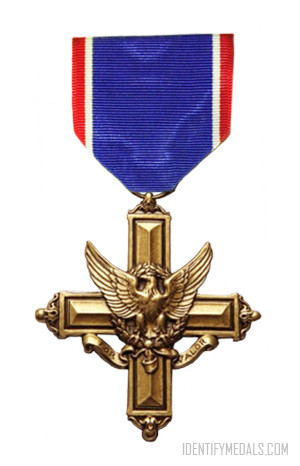
1. The Distinguished Service Cross (United States)

The United States awarded the Distinguished Service Cross (DSC) to individuals who displayed extraordinary heroism in combat.

On D-Day, many American soldiers who braved the beaches of Normandy received this honor, recognizing actions that went beyond the call of duty, especially under heavy enemy fire.

A story of courage:

Lieutenant John M. Spalding of the U.S. Army’s 1st Infantry Division was awarded the Distinguished Service Cross for extraordinary heroism on D-Day. Facing relentless machine-gun and mortar fire on Omaha Beach, Spalding demonstrated remarkable courage, repeatedly risking his life to rally and lead his men forward across the deadly open sands.

His decisive actions and personal bravery inspired his troops to secure a foothold on the beach, contributing to the success of the invasion despite overwhelming odds. Spalding’s courage on June 6, 1944, remains a testament to the valor displayed by Allied forces at Normandy.

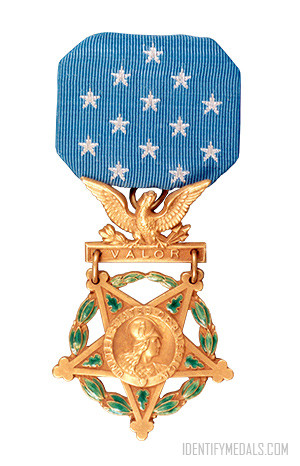
2. The Medal of Honor (United States)

The highest military decoration in the United States, the Medal of Honor was awarded to soldiers who demonstrated extreme valor at the risk of life.

During the Normandy landings, four American soldiers received this prestigious award for their actions on Omaha and Utah beaches.

A story of courage:

Brigadier General Theodore Roosevelt Jr. earned the Medal of Honor for his extraordinary bravery on D-Day. At 56, he was the oldest man and only general to land with the first wave at Utah Beach. When he discovered his troops had landed off course, he famously said, “We’ll start the war from right here!” and led them in securing the area under heavy fire.

Walking with his cane, Roosevelt inspired his men through calm, courageous leadership, helping establish a crucial foothold. His actions became a symbol of resilience and quick thinking during the Normandy invasion.

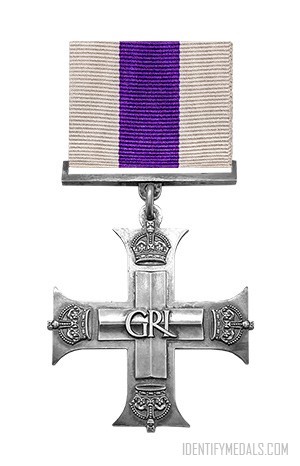
3. The Military Cross (United Kingdom)

The British Military Cross was awarded to officers who exhibited exemplary gallantry during active operations against the enemy. Numerous British soldiers received the Military Cross for their contributions during the Normandy invasion, particularly for leading charges on heavily fortified German positions.

A story of courage:

Captain Patrick Porteous of the British Army earned the Military Cross for his bravery on D-Day. As a member of the Royal Engineers, Porteous led his unit onto Sword Beach under intense enemy fire.

Despite being wounded, he pressed forward to clear mines and obstacles, enabling his troops to advance. When his unit faced heavy machine-gun fire that pinned them down, Porteous took command, directing effective counter-fire that silenced the enemy positions. His courageous actions and leadership under fire played a crucial role in securing Sword Beach, earning him the Military Cross for gallantry on that historic day.

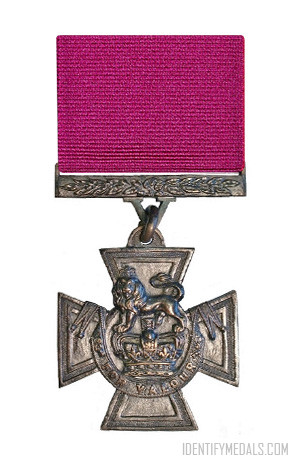
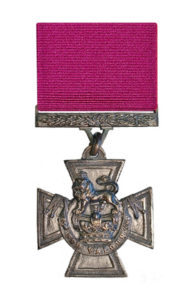
4. The Victoria Cross (United Kingdom)

The Victoria Cross (VC), the highest British military honor, was awarded to soldiers who demonstrated exceptional bravery. Although awarded sparingly, the VC was given to a few who took decisive actions against formidable odds, often at great personal risk. The honor underscored the courage of individuals who made extraordinary sacrifices during the invasion.

A story of courage:

Company Sergeant Major Stanley Hollis of the British Army’s Green Howards regiment was awarded the Victoria Cross for his exceptional bravery on D-Day, the only VC awarded for actions on June 6, 1944.

Landing on Gold Beach, Hollis led his men in clearing enemy bunkers under heavy fire. Spotting a machine-gun nest threatening his unit, he charged it alone, taking out the position and saving numerous lives. Later that day, he risked his life again by rescuing trapped comrades under fire. His fearless actions and leadership inspired his men and helped secure key positions, earning him Britain’s highest military honor for valor.

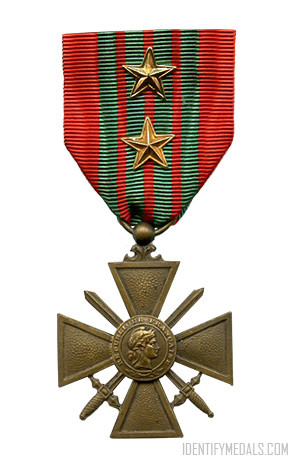
5. The Croix de Guerre (France)

The French government awarded the Croix de Guerre to Allied soldiers who contributed significantly to the liberation of France. This decoration was given to both individuals and units, including American, British, and Canadian soldiers. It symbolized France’s gratitude for the Allied efforts on D-Day and throughout the Normandy campaign.

A story of courage:

Sergeant John Bodnar, an American paratrooper with the 101st Airborne Division, was awarded the Croix de Guerre by France for his bravery on D-Day. Dropped behind enemy lines near Sainte-Mère-Église, Bodnar’s unit came under heavy fire from German forces. Despite being wounded, he led a small group to disable a machine-gun nest, clearing a path for his fellow paratroopers.

His courage and determination helped secure key positions crucial to the success of the Allied landings. In recognition of his heroism and contribution to the liberation of France, he was awarded the Croix de Guerre, one of France’s highest honors for bravery.

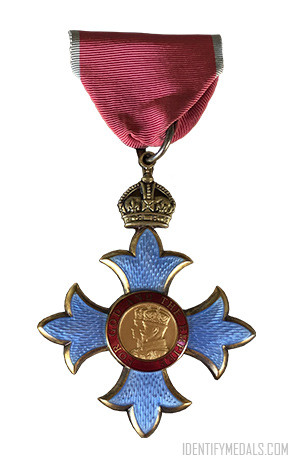
6. The Order of the British Empire (United Kingdom)

Some British soldiers, medics, and support staff received the Order of the British Empire (OBE) for outstanding service. This award recognized contributions that may not have been in direct combat but were nonetheless essential to the success of the operation.

A story of courage:

Lieutenant Colonel Terence Otway was awarded the Order of the British Empire (OBE) for his leadership and meticulous planning during D-Day. Tasked with leading the 9th Parachute Battalion to destroy the Merville Battery—a heavily fortified German artillery position threatening Sword Beach—Otway’s men faced intense enemy defenses.

Despite heavy losses during the parachute drop, he led a courageous assault on the battery with a fraction of his original force. Under Otway’s command, the battalion successfully disabled the guns, helping to secure the beach for the incoming Allied forces. His leadership and success under challenging conditions earned him the OBE, recognizing his significant contribution to the invasion.

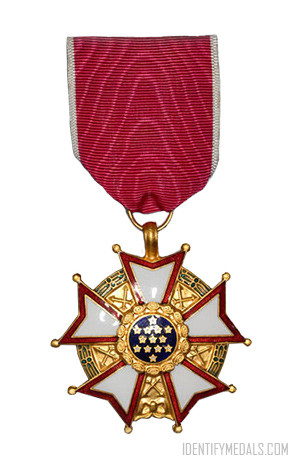
7. The Legion of Merit (United States)

The Legion of Merit was awarded to U.S. soldiers, as well as Allied personnel, for exceptional conduct and meritorious service in wartime. During the Normandy invasion, this award honored those who made outstanding contributions to the overall success of the operation.

A story of courage:

Colonel James E. Rudder was awarded the Legion of Merit for his extraordinary leadership and courage during the D-Day invasion. As the commander of the 2nd Ranger Battalion, Rudder led his men in the assault on Pointe du Hoc, a strategic cliffside position fortified with German guns aimed at Utah and Omaha Beaches.

Despite intense fire and treacherous terrain, Rudder’s Rangers scaled the cliffs under his command, neutralizing the German defenses after fierce combat. Wounded twice, Rudder refused to leave his men, inspiring them to secure the position and protect the landing beaches. His bravery and leadership earned him the Legion of Merit for outstanding service.

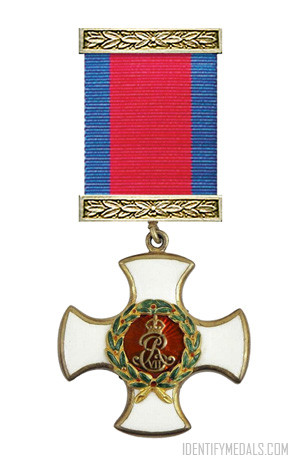
8. The Distinguished Service Order (United Kingdom and Commonwealth)

Awarded for exceptional leadership in combat, the Distinguished Service Order (DSO) recognized the actions of officers who demonstrated remarkable command under fire. Many British and Canadian officers received this award for their leadership on D-Day and in the days following.

A story of courage:

Lieutenant Colonel Robert “Bob” Dawson, commanding officer of the 1st Battalion, Royal Hampshire Regiment, was awarded the Distinguished Service Order (DSO) for his exemplary leadership on D-Day. Landing on Gold Beach under heavy German fire, Dawson led his men through fierce resistance, directing attacks and clearing enemy positions to secure the beachhead.

Despite the chaos and relentless gunfire, he inspired his troops with his calm presence, ensuring they held their ground and pushed forward. His courage and decisive actions were instrumental in the success of the landings, earning him the DSO for distinguished leadership in combat.

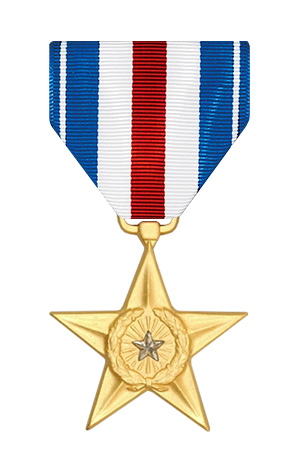
9. The Silver Star (United States)

Awarded for gallantry in action, the Silver Star was given to numerous American soldiers who showed bravery under heavy enemy fire. This award often went to those who, despite danger, advanced into enemy territory or saved fellow soldiers on the beaches and beyond.

A story of courage:

Private First Class Charles N. DeGlopper of the 325th Glider Infantry Regiment, 82nd Airborne Division, was awarded the Silver Star (posthumously upgraded to the Medal of Honor) for his incredible bravery on D-Day.

During intense fighting near the French village of La Fière, DeGlopper’s unit was pinned down by German forces. Realizing his squad needed a distraction to escape, he stood up in the open, firing his machine gun and drawing enemy fire onto himself. Though he was mortally wounded, his selfless act allowed his comrades to reposition and ultimately continue the fight. His courage saved lives and exemplified heroism, earning him the Silver Star for gallantry.

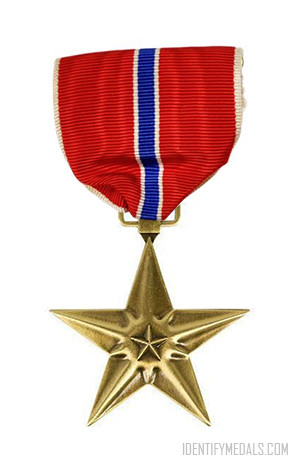
10. The Bronze Star (United States)

The Bronze Star honored acts of heroism and meritorious service in combat. Many U.S. soldiers received this award for their courageous actions on D-Day, particularly those who overcame significant obstacles on the beaches.

A story of courage:

Sergeant Philip Streczyk, serving with the 16th Infantry Regiment, 1st Infantry Division, was awarded the Bronze Star for his bravery and leadership on D-Day at Omaha Beach. As his unit faced heavy German fire and obstacles, Streczyk repeatedly exposed himself to enemy gunfire to lead his men through the chaos.

He located and cleared paths through minefields, enabling his fellow soldiers to advance off the deadly beach and secure higher ground. His fearless actions and guidance under fire inspired his men and were instrumental in breaking through the German defenses, earning him the Bronze Star for heroism in combat.

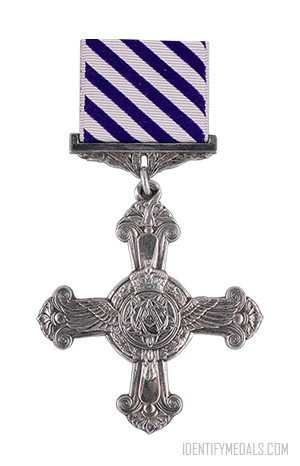
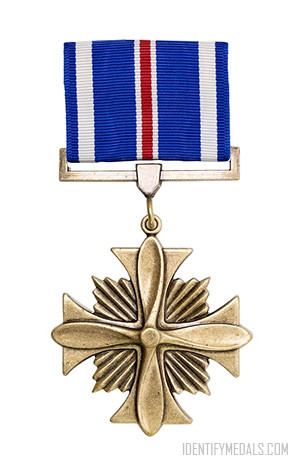
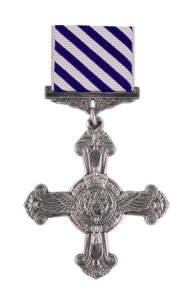
11. The Distinguished Flying Cross (United States and United Kingdom)

Both the U.S. and U.K. awarded the Distinguished Flying Cross (UK) Distinguished Flying Cross (USA) and to airmen who displayed extraordinary heroism during air missions. On D-Day, Allied pilots who flew through heavy anti-aircraft fire to drop paratroopers, conduct bombings, or provide close air support were awarded the DFC for their bravery.

A story of courage:

Flight Lieutenant David Samuel Anthony Lord of the Royal Air Force was awarded the Distinguished Flying Cross for his remarkable bravery during D-Day operations. As a pilot with the RAF’s 271 Squadron, Lord flew low over Normandy to drop essential supplies to paratroopers facing fierce German resistance.

Despite heavy anti-aircraft fire, he skillfully maneuvered his aircraft to deliver his cargo with precision. His courage and flying skill under intense enemy fire ensured critical supplies reached the troops on the ground, helping them hold their positions. His actions exemplified the bravery of RAF pilots, earning him the Distinguished Flying Cross for gallant service.

12. The French Médaille Militaire

The Médaille Militaire, one of France’s highest military honors, was awarded to both French and foreign troops for exceptional service. Many Allied soldiers who fought for France’s liberation, particularly during the Normandy campaign, received this medal as a mark of France’s appreciation.

A story of courage:

Staff Sergeant Harrison Summers of the 502nd Parachute Infantry Regiment, 101st Airborne Division, was awarded the French Médaille Militaire for his extraordinary bravery on D-Day.

After landing near Sainte-Marie-du-Mont, Summers was tasked with capturing a German-held barracks to secure a key position. With just a handful of men, he charged the barracks under heavy enemy fire, clearing one building after another almost single-handedly. His fearless actions inspired his fellow soldiers and helped secure the area, significantly aiding the Allied push inland.

For his courage and contribution to the liberation of France, he was awarded the Médaille Militaire, one of France’s highest honors.

Unit Citations and Battle Honors

Many units received special commendations and battle honors for their collective bravery. U.S. units, like those involved in the assaults on Omaha and Utah Beaches, and British and Canadian regiments fighting at Juno, Sword, and Gold Beaches, were recognized with unit citations, commemorating their courage and resilience. Here are real examples of units that received citations for their bravery and actions during the D-Day landings:

  • 29th Infantry Division (United States) – This division, known as the “Blue and Gray,” spearheaded the assault on Omaha Beach alongside the 1st Infantry Division. For their bravery under intense German fire and their success in securing the beachhead, the 29th Infantry Division received the Presidential Unit Citation.

  • 1st Infantry Division (United States) – The “Big Red One” was instrumental in the brutal fight for Omaha Beach. Facing heavy resistance, they managed to break through the German defenses, earning the division the Presidential Unit Citation for its actions on D-Day.

  • 82nd Airborne Division (United States) – The 82nd Airborne Division parachuted into Normandy as part of the airborne operations to secure key positions behind enemy lines. For its critical role in disrupting German forces and securing the town of Sainte-Mère-Église, the 82nd received the French Croix de Guerre.

  • 101st Airborne Division (United States) – The “Screaming Eagles” were dropped behind Utah Beach to seize and hold key areas, such as causeways, to facilitate Allied movements inland. They received the French Croix de Guerre and Belgian Fourragere for their courage and effectiveness during the Normandy campaign.

  • 3rd Canadian Infantry Division – This division led the assault on Juno Beach, overcoming heavily fortified German defenses and advancing inland. The division received battle honors from the Canadian government and recognition from the French for its critical role in the Normandy landings.

  • Royal Winnipeg Rifles (Canada) – Part of the 3rd Canadian Infantry Division, this regiment faced fierce resistance at Juno Beach, suffering heavy casualties. Their persistence and success in securing the beachhead earned them battle honors and recognition from France.

  • British 6th Airborne Division – Tasked with securing the eastern flank and capturing key bridges over the Orne River and Caen Canal, this division was crucial to the success of the invasion. They received battle honors and were later awarded the French Croix de Guerre for their actions.

  • The Green Howards (Alexandra, Princess of Wales’s Own Yorkshire Regiment) (United Kingdom) – This British regiment landed on Gold Beach and fought with remarkable courage, securing the area and pushing inland. They were awarded battle honors for their actions on D-Day.

  • Royal Ulster Rifles (United Kingdom) – Part of the 6th Airborne Division, this regiment was critical in securing areas east of the beaches, supporting the flanks of the invasion force. Their bravery earned them battle honors for their contributions.

Ten Essential Books on the Normandy Invasion (D-Day)

The best books covering the D-Day landings and the larger Battle of Normandy. Strategy, personal narratives, and its impact on WWII.
The Normandy Invasion, often referred to as D-Day, was one of the most significant and ambitious military operations of World War II. It took place on June 6, 1944, and marked the beginning of the Allied liberation of Western Europe from Nazi occupation.

These books provide a well-rounded understanding of the Normandy Invasion, from the high-level strategies and logistics to the personal stories of courage, sacrifice, and resilience. Each offers a different angle on the complexity and significance of D-Day, making this list essential reading for anyone interested in WWII history.

What's the Normandy Invasion?

The Normandy Invasion (often called D-Day) was the pivotal Allied operation during World War II aimed at liberating Nazi-occupied France and beginning the end of German control over Western Europe. On June 6, 1944, Allied forces launched a massive assault along the beaches of Normandy, France. This operation, known officially as Operation Overlord, required years of planning, extensive coordination, and a complex network of deception strategies to mislead the German forces about the invasion’s timing and location.

At dawn, thousands of American, British, Canadian, and other Allied troops stormed five designated beachheads: Utah, Omaha, Gold, Juno, and Sword. Supported by intense aerial and naval bombardments, they encountered fierce German defenses, especially on Omaha Beach, where American forces suffered heavy casualties.

The battle extended well beyond that single day; after securing the beaches, Allied forces pushed inland through Normandy, encountering brutal resistance and suffering substantial losses in the countryside and small towns fortified by the German army. The invasion’s success came at a high cost, but it marked a turning point in the war. The operation was a profound moment of sacrifice and courage, altering the course of history as it paved the way for the liberation of France and the eventual defeat of Nazi Germany in Europe.

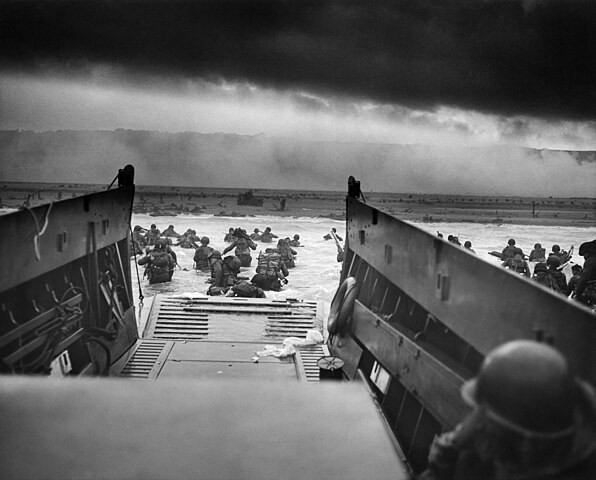
The 16th Infantry Regiment, US 1st Infantry Division wading ashore from their landing craft. 6 June 1944.
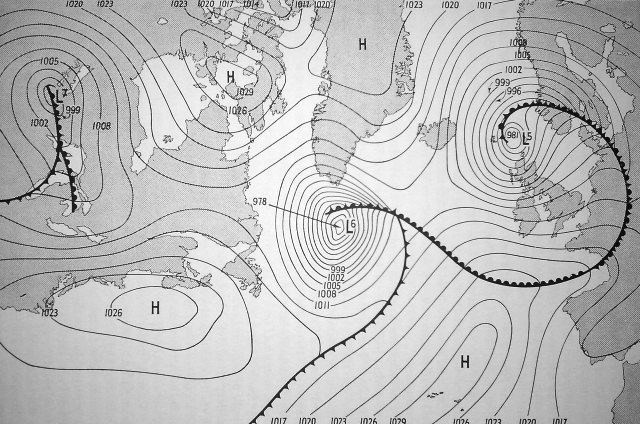
A surface weather analysis map displaying weather fronts as observed on June 5.

The Best Books About D-Day

These books collectively offer a well-rounded and multifaceted view of the Normandy Invasion, covering everything from strategic planning and on-the-ground fighting to intelligence operations and the personal sacrifices of the men involved.

#1

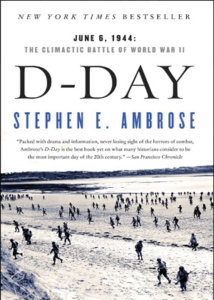
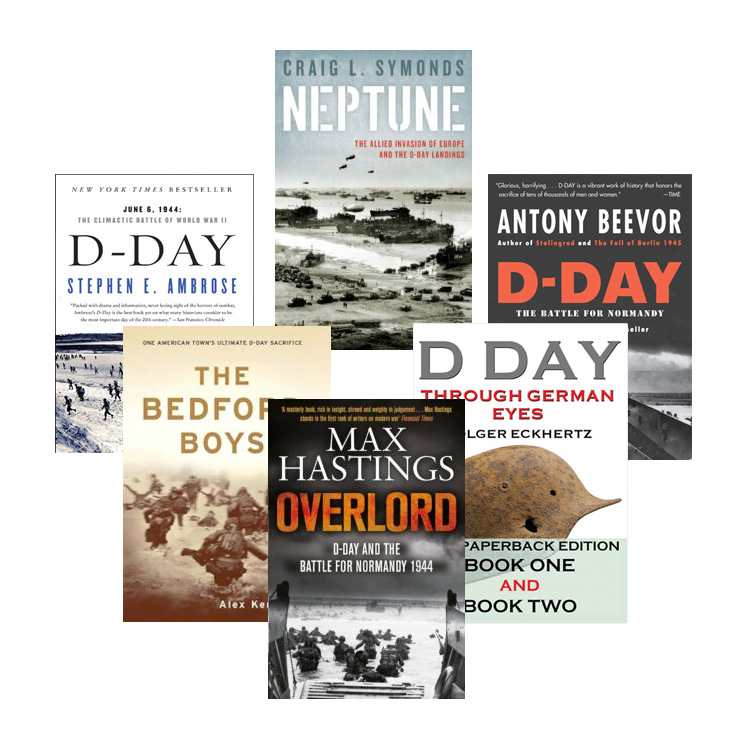
D-Day, June 6, 1944: The Climactic Battle of World War II by Stephen E. Ambrose

4.3 on Goodreads
Rated 4.3 out of 5

Ambrose’s book is often considered a definitive account of D-Day, offering a vivid, human-centered narrative. Through extensive interviews with veterans and meticulous research, Ambrose captures the personal experiences of Allied soldiers, shedding light on their fears, determination, and resilience. Ambrose also delves into the broader strategies and decisions that shaped the day’s events, making the book both emotionally powerful and historically informative.

D Day: June 6, 1944: The Climactic Battle of World War II
#2

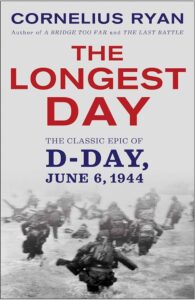
The Longest Day by Cornelius Ryan

4.3 on Goodreads
Rated 4.3 out of 5

Cornelius Ryan’s The Longest Day was one of the first comprehensive books to document D-Day, drawing from a vast range of eyewitness accounts. Ryan interviewed soldiers, officers, and civilians from both Allied and German sides, crafting a suspenseful and dramatic retelling. The book’s journalistic approach gives readers an on-the-ground view of the Normandy landings, making it feel as though they are there amid the chaos and courage of D-Day.

The Longest Day by Cornelius Ryan
#3

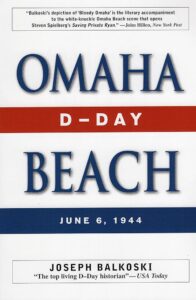
Omaha Beach: D-Day, June 6, 1944 by Joseph Balkoski

4.2 on Goodreads
Rated 4.2 out of 5

Focusing on Omaha Beach, the bloodiest of the five landing sites, Balkoski presents a highly detailed and in-depth account of the brutal experiences faced by American soldiers. With firsthand accounts and exhaustive research, Balkoski’s book explores the challenges, sacrifices, and small victories of the soldiers who managed to secure the beach despite overwhelming odds. The book is praised for its realism and dedication to accuracy.

Omaha Beach: D-Day, June 6, 1944 by Joseph Balkoski
#4

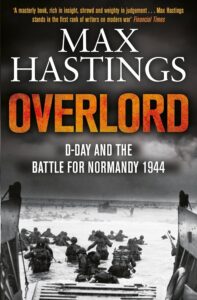
Overlord: D-Day and the Battle for Normandy by Max Hastings

4.1 on Goodreads
Rated 4.1 out of 5

Max Hastings provides a balanced look at D-Day by examining both the Allied and German perspectives, which is somewhat unique among books about D-Day. Hastings analyzes the successes and failures on both sides, using firsthand accounts to add depth and realism to his analysis. The result is a critical, well-rounded look at the Normandy invasion, capturing the scope of the operation and the toll on those who fought.

Overlord: D-Day and the Battle for Normandy by Max Hastings
#5

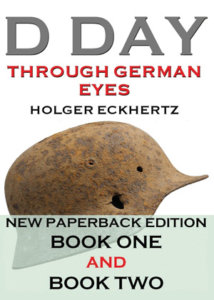
D-Day Through German Eyes by Holger Eckhertz

4.2 on Goodreads
Rated 4.2 out of 5

This book offers a unique perspective by focusing on German soldiers who defended the Atlantic Wall during the invasion. Compiled from interviews with German soldiers, it provides a rare view of the conflict from the other side of the battle. Readers gain insight into the defenders’ experiences, thoughts, and challenges, which adds an unusual dimension to the typical D-Day narrative.

D DAY Through German Eyes - The Hidden Story of June 6th 1944
#6

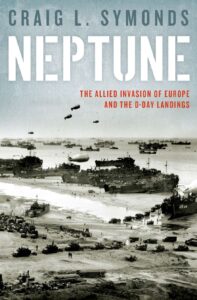
Neptune: The Allied Invasion of Europe and the D-Day Landings by Craig L. Symonds

4.3 on Goodreads
Rated 4.3 out of 5

Symonds shifts the focus to the naval operations that were essential for the success of D-Day. He covers the massive logistical efforts required to coordinate and transport troops, equipment, and supplies across the English Channel. Through detailed analysis, Symonds highlights the monumental challenges the Allied naval forces faced, underscoring their crucial role in the invasion’s success.

Neptune: The Allied Invasion of Europe and the D-Day Landings by Craig L. Symonds
#7

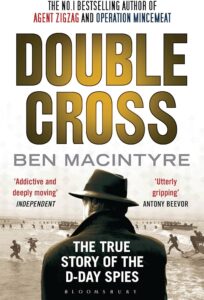
Double Cross: The True Story of the D-Day Spies by Ben Macintyre

4.1 on Goodreads
Rated 4.1 out of 5

Macintyre’s Double Cross uncovers the secret intelligence efforts behind D-Day, focusing on a network of double agents who helped deceive the German high command about the invasion’s location and timing. The book combines suspense, espionage, and history, revealing how spies and counter-intelligence played an essential role in the invasion’s success.

Double Cross: The True Story of the D-Day Spies by Ben Macintyre
#8

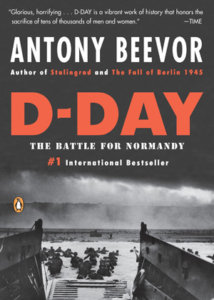
D-Day: The Battle for Normandy by Antony Beevor

4.3 on Goodreads
Rated 4.3 out of 5

Beevor’s work provides a comprehensive look at the Normandy campaign beyond just the initial invasion. His research includes extensive firsthand accounts, offering a stark and detailed portrayal of the intense fighting that followed the landings. Beevor’s account is gritty, immersive, and often challenging, capturing the brutal reality of the prolonged struggle in Normandy.

D-Day: The Battle for Normandy
#9

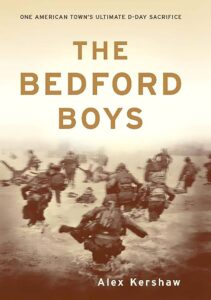
The Bedford Boys: One American Town’s Ultimate D-Day Sacrifice by Alex Kershaw

4.3 on Goodreads
Rated 4.3 out of 5

Kershaw tells the moving story of the Bedford Boys, a group of young men from Bedford, Virginia, who were part of the first wave at Omaha Beach. Many of them did not survive the day, and their loss had a profound impact on their hometown. This book personalizes the story of D-Day, showing how the lives and sacrifices of ordinary soldiers resonate far beyond the battlefield.

The Bedford Boys: One American Town’s Ultimate D-Day Sacrifice by Alex Kershaw
#10

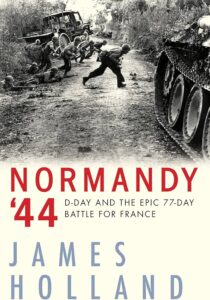
Normandy ‘44: D-Day and the Epic 77-Day Battle for France by James Holland

4.4 on Goodreads
Rated 4.4 out of 5

James Holland’s Normandy ‘44 goes beyond D-Day to cover the entire Normandy campaign. His approach combines strategic insights with in-depth character portraits, giving readers a full view of the battles that followed the landings. Holland’s narrative style and thorough research make the book both informative and engaging, bringing the extended Normandy campaign to life in vivid detail.

Normandy ‘44: D-Day and the Epic 77-Day Battle for France by James Holland

Conclusion: Reading About The Normandy Invasion

Exploring the Normandy Invasion through these essential books provides readers with a profound understanding of one of history’s most critical military operations.

From strategic planning and deception to the courage and sacrifice shown on D-Day, these narratives offer diverse perspectives that bring this monumental event to life. The stories of soldiers, civilians, and even the German defenders illuminate the human dimension behind the historical facts, reminding us of the bravery, hardship, and complexity involved in the liberation of Europe.

Reading about the Normandy Invasion not only honors those who fought but also deepens our appreciation for the operation’s lasting impact on the course of World War II and modern history.

Medal Makers: Spink & Son (United Kingdom)

A prominent British firm, Spink & Son, was known for producing military medals, including many of the decorations awarded during WWII.
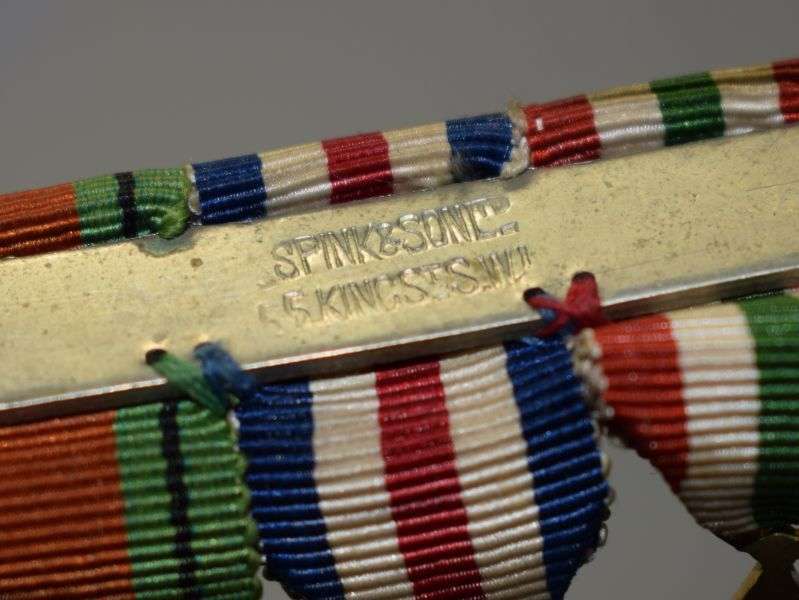
Spink & Son is a prestigious British firm with a long history that dates back to the late 17th century. Founded in 1666 by John Spink, the company originally started as a goldsmith and pawnbroker in London. Over time, it evolved into one of the world’s leading auction houses and dealers in coins, medals, banknotes, and other collectibles.

Spink & Son is particularly renowned for its involvement in the production and sale of military medals. The company has been a major player in designing and manufacturing medals for the British military and Commonwealth countries, including during and after World War II.

They produced medals such as the Distinguished Flying Cross, the Victoria Cross (one of the most prestigious British military decorations), and campaign medals awarded to British and Allied soldiers. Their craftsmanship and attention to detail have made their medals highly prized by collectors and veterans alike.

Beyond manufacturing medals, Spink & Son is also famous for its auctions. The company specializes in the auctioning of rare coins, banknotes, medals, stamps, bonds, and shares. Their auctions have attracted collectors and investors from around the world.

The Historical Importance of Spink & Son

The company has been involved in many important historical moments, including the sale of items related to British and world history. Their auctions have featured items from royal collections, historical figures, and significant military campaigns.

During World War II, Spink & Son played a crucial role in producing medals for the British military, contributing to the recognition of bravery and service during a critical period in history.

Design and Production of Medals

Spink & Son was responsible for the design, production, and distribution of some of the most important military medals awarded to British and Commonwealth forces during the war. These included decorations for acts of gallantry, such as the Distinguished Flying Cross (DFC) for the Royal Air Force, and campaign medals like the 1939-1945 Star, which was awarded to service members who participated in key operations during the war. The meticulous craftsmanship of Spink & Son ensured that each medal was not only a symbol of honor but also a lasting artifact that conveyed the significance of the recipient’s service.

The medals produced by Spink & Son were awarded to soldiers, sailors, airmen, and civilians who displayed exceptional bravery and dedication. These honors were vital in boosting morale during the war, providing public and official acknowledgment of the sacrifices made by individuals in the face of great danger. The production of these medals was not just a logistical task but also a moral and patriotic duty, as each medal represented the gratitude of the nation towards those who fought to defend it.

Supporting the War Effort

By taking on the responsibility of producing these medals, Spink & Son played an indirect but significant role in the broader war effort. The timely production and distribution of medals allowed for their presentation soon after acts of heroism, ensuring that recognition was both immediate and meaningful.

Legacy and Reputation

Spink & Son’s legacy is built on centuries of expertise in numismatics (the study or collection of currency, including coins, tokens, paper money, and related objects), philately (the collection and study of postage stamps), and the creation of military honors.

Spink & Son 🔗 has expanded its operations beyond the United Kingdom, with offices and representatives in various parts of the world, including New York, Hong Kong, and Switzerland. This global presence has allowed them to serve an international clientele. Today, the company continues to operate as a leading auction house and dealer, maintaining its status as a trusted name in the world of collectibles.