Medals of Independence: Commemorating Africa’s Liberation Movements

The medals and honors awarded to individuals and groups who played pivotal roles in Africa’s struggle for independence from colonial rule.

Africa’s struggle for independence from colonial rule marked a pivotal chapter in the continent’s history, characterized by resilience, unity, and the pursuit of freedom. Central to this transformative period were the individuals and groups who dedicated themselves to liberation movements, seeking to overthrow colonial regimes and establish self-governance.

In recognition of their sacrifices and contributions, medals and honors were bestowed upon these heroes of independence, serving as tangible symbols of courage, leadership, and perseverance. So, let’s take a look at some of these awards, their stories, and meaning.

The Historical Context

During the colonial era in Africa, which spanned from the late 19th century to the mid-20th century, European powers such as Britain, France, Belgium, Portugal, and Germany imposed their rule over vast territories on the African continent. This period was characterized by the systematic exploitation of Africa’s natural resources, forced labor, cultural suppression, and the imposition of colonial administrations that favored European interests.

The impact of colonialism on Africa was profound and far-reaching. Indigenous populations were subjected to harsh treatment, including forced displacement, enslavement, and violence. Economic systems were structured to benefit colonial powers, too, leading to the extraction of wealth from Africa to European countries.

In response to these injustices, liberation movements began to emerge across Africa. These movements were fueled by a desire for self-determination, freedom from foreign domination, and the restoration of African sovereignty. 

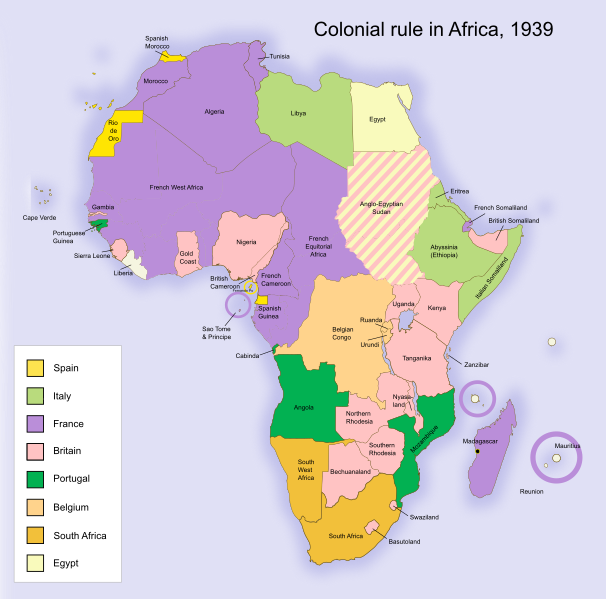
European control in 1939, the year the Second World War began
European control in 1939, the year the Second World War began.

Medals and Honors of the African Independence Movement

The medals awarded during Africa’s struggle for independence reflected the diverse nature of liberation movements and the individuals involved. Criteria for receiving these honors often included acts of bravery, leadership, and dedication to the cause. Medals were designed to embody the spirit of liberation, featuring motifs such as freedom symbols, national emblems, and cultural icons.

Among the recipients of these medals were iconic leaders such as Nelson Mandela, Julius Nyerere, and Kwame Nkrumah, whose visionary leadership and unwavering commitment to liberation inspired generations. Additionally, grassroots activists, freedom fighters, and ordinary citizens were recognized for their contributions to the struggle, underscoring the collective effort that drove Africa towards independence.

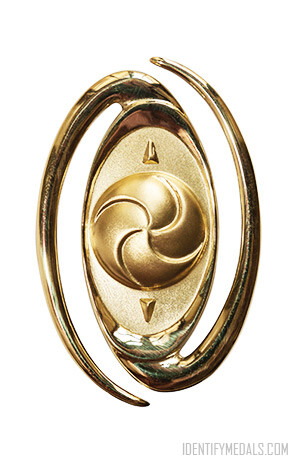
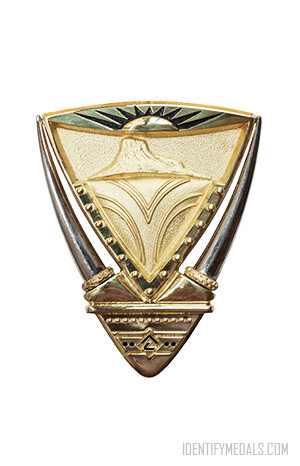
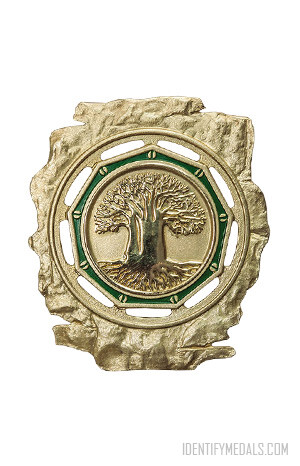
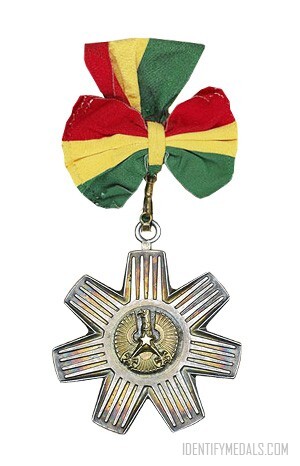
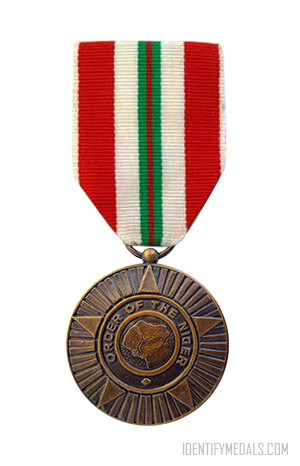
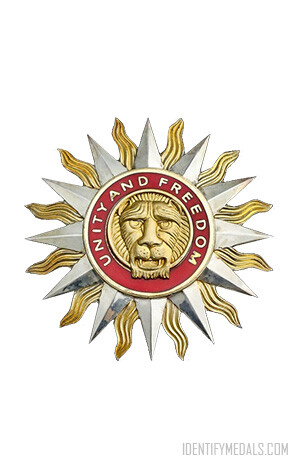
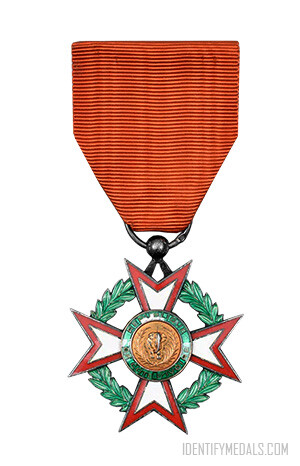
Here are some example of such medals (in his case, all from South Africa):

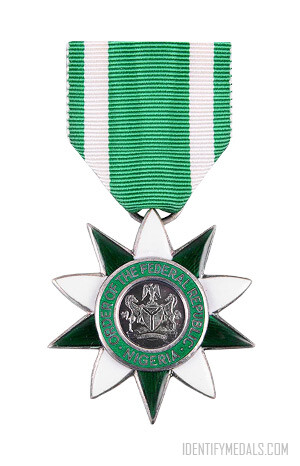
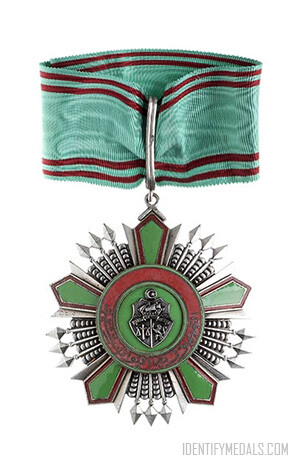
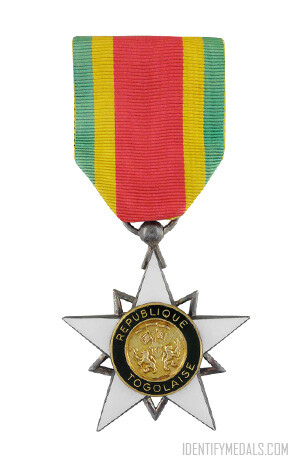
Other medals established to celebrate the independence of African countries include:

Colonial Military Involvement in World War I

More than half a million colonial soldiers fought in Europe. They came from all corners of Africa and were deployed in different battles.

It is still difficult to determine whether colonial military involvement in World War I helped strengthened or loosen colonial ties. More than half a million colonial soldiers fought in Europe, mainly in the French army. These soldiers came from all corners of Africa and were deployed in different parts of Europe.

Most of the European countries involved in colonizing Africa participated in World War I. They controlled large parts of the continent, thereby forcing the native Africans to participate in the war. Apart from the economic exploitation of Africa to support the war, colonial powers forced Africans to migrate to Europe where they either became workers or soldiers.

WW1 and the Colonies

Between 1914 and 1918 alone, more than 440,000 native soldiers and 268,000 workers were shipped to Europe, where they were forced to participate in the war. According to the British Library, more than four million men of African origin were mobilized across the continent to participate in the First World War alone.

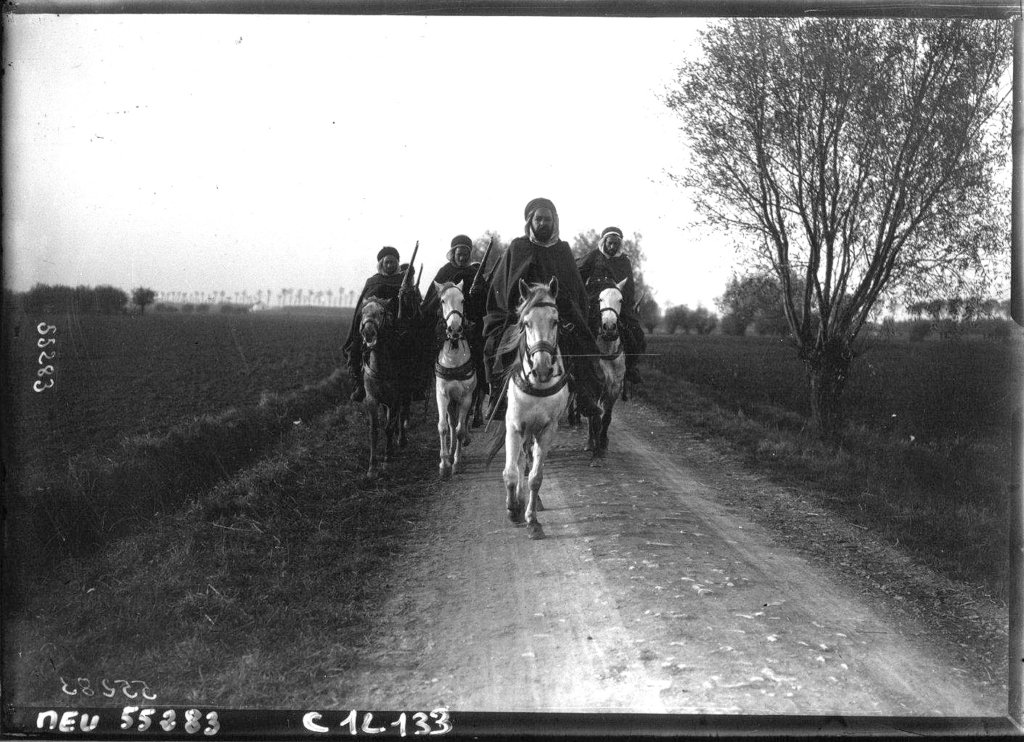
Cavalry patrol of Moroccan Spahis fighting for the French army near Furnes, Belgium, 1914.
Cavalry patrol of Moroccan Spahis fighting for the French army near Furnes, Belgium, 1914. Public Domain. Courtesy of Bibliothèque nationale de France.

The Origin of Colonial Troops

France was the most notable culprit as far as colonial troops were involved. It had already used African soldiers to fight its European wars like the Italian war in 1859, Crimean war (1854-1856) and the Franco-Prussian war in 1870-71.

After the first crisis in Morocco in 1905 Adolphe Messimy, a radical army general, petitioned for an extended period of compulsory military service to Muslim Algerians. A 1912 verdict allowed for the forceful recruitment if the required number wasn’t met by those who volunteered.

From 1914-1915, France deployed more than 450,000 soldiers from Africa. They came from West Africa, Algeria, Morocco, Tunisia, and Somalia. European settlers added another 110,000 from North Africa, while around 5,700 were extracted from Senegalese ports and towns. The then Prime Minister George Clemenceau (1841-1929) came up with a suggestion to hire 200,000 Ethiopian mercenaries, but it never happened.

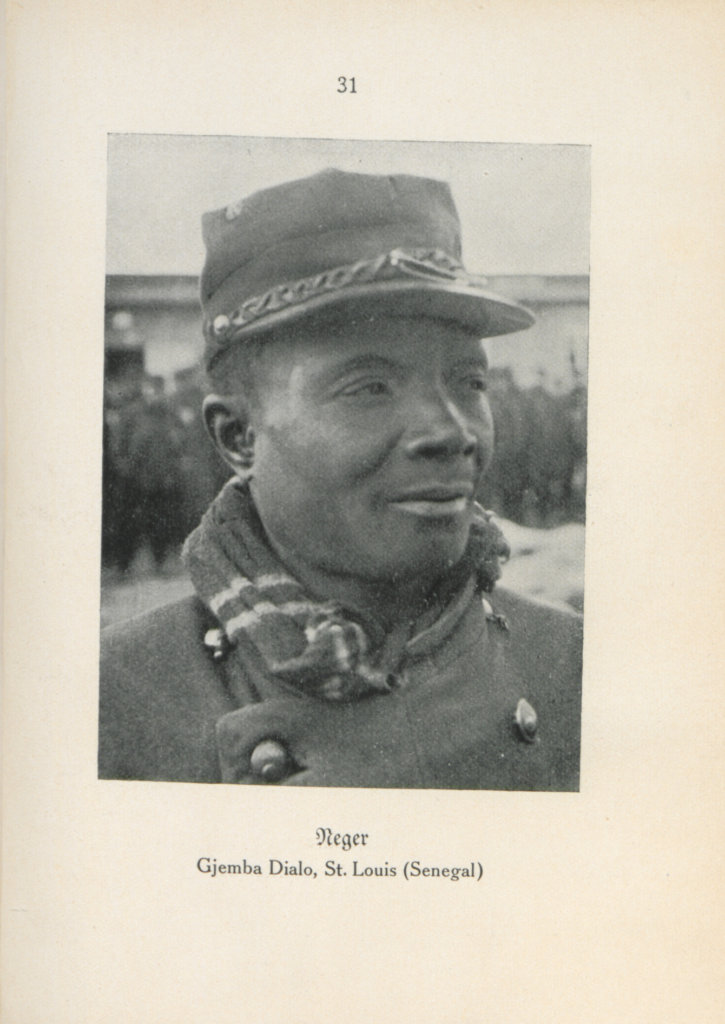
Portrait titled "Our Enemies. 96 Character Heads from Prisoner of War Camps in Germany".
Portrait from portraits are titled "Our Enemies. 96 Character Heads from Prisoner of War Camps in Germany". Public Domain. Courtesy of Staatsbibliothek zu Berlin.

The number of colonial troops increased in the second half of the First World War. After suffering heavy casualties in the first phase, a new doctrine emerged. Colonial troops were to fight alongside soldiers from European countries to minimize defections and casualties.

The massive recruitment of men from North and West Africa to participate in World War I came with numerous challenges. For instance, the French saw a drop in the number of volunteers and the military resorted to coerced recruitment. This approach faced opposition from many people.

In West Africa, rich and influential Africans would resort to handing over their servants and slaves to the recruiting officers to spare their family members from participating in the war. Resistance came in many forms; for instance, there were cases of self-mutilation, fleeing into Liberia, the Gold coast, Guinea or even into the dense forests. In some instances, armed rebellion cropped up to fight the colonial powers taking people to fight in the First World War.

In West Africa, rich and influential Africans would resort to handing over their servants and slaves to the recruiting officers to spare their family members from participating in the war.

Unlike the French who never hesitated to deploy colonial troops in the First World War, countries like BritainItaly, and Belgium among others exhibited some reluctance in deploying their colonial soldiers.

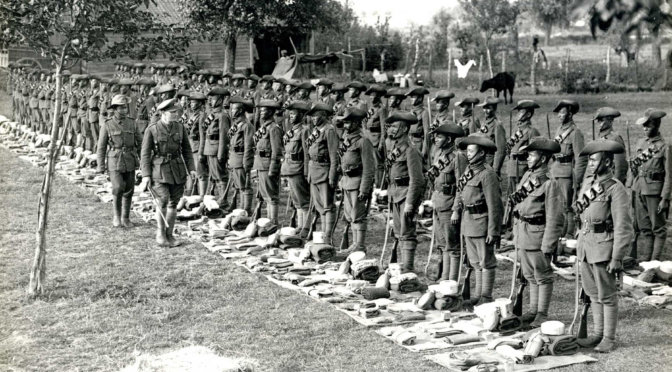
The British soldiers comprised of colonial troops in the Middle East and Africa. Part of India’s colonial soldiers was partially used in Europe from as early as 1914. But in 1916 the famous ‘million black army’ was endorsed by many politicians like Winston Churchill (1874-1965) and senior military officers. However, racial prejudice, logistical challenges, and opposition from African countries made it difficult to use these troops in Europe.

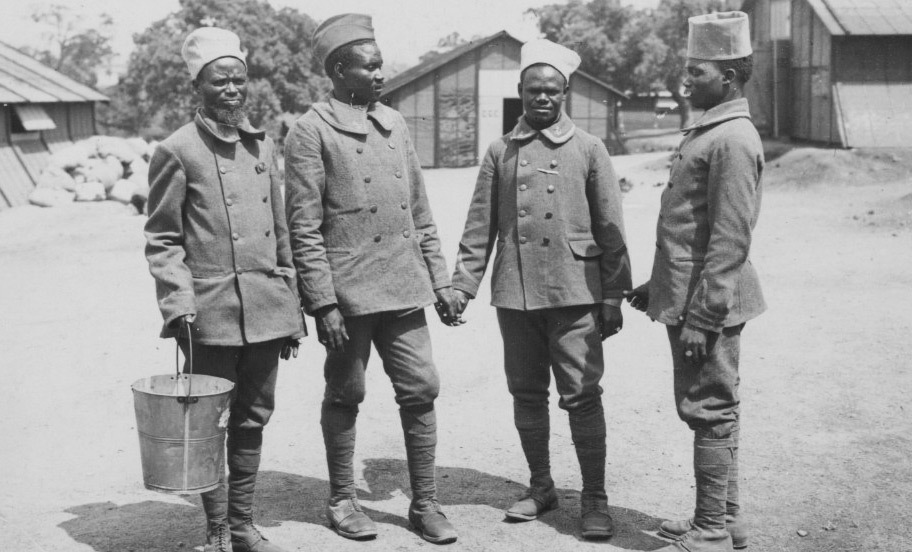
Senegalese soldiers at a Sudanese camp during World War One, circa 1914-1918.
Senegalese soldiers at a Sudanese camp during World War One, circa 1914-1918. Public Domain.

Italy tried deploying its colonial troops in Europe but it was disastrous. For instance, in August 1915, around 2,700 troops from Libya were taken to Sicily. But they failed to get to the frontline because many died from pneumonia immediately after arriving. As a result, the remaining Libyans had to be shipped back home.

Belgium had planned to ship its colonial soldiers from Congo, but this never materialized. But a small number of Congolese fighters fought alongside metropolitan Belgian troops. The Portuguese didn’t bother deploying its colonial troops in Europe either. The Germans used a majority of its colonial forces in the African theatres of wars but never envisioned sending them to Europe to fight in the First World War. Furthermore, they wouldn’t have done so due to logistical challenges.

Race and Military Dogma

It is no secret the involvement of the colonial troops in the First World War is remarkable in the sense that people from different races met and fought against each other and alongside one another. This diversity is the reason why Britain and France resorted to using non-white soldiers against the Germans.

In 1914, The Times History of the World wrote, “the instinct which made us such sticklers for propriety in all our dealings made us more reluctant than other nations would feel to employ colored troops against a white enemy.”

Britain used colonial troops in its colonies for imperial defense and not in Europe to fight other white groups. The argument brought forward is if a white man is trained to use arms against another European, there’s no guarantee that they’ll not attack their own masters in the future. However, this changed after European countries realized their native soldiers were suffering heavy casualties, hence the decision to use colonial troops. The British had a racial categorization policy that informed their decision to deploy two Indian divisions in France.

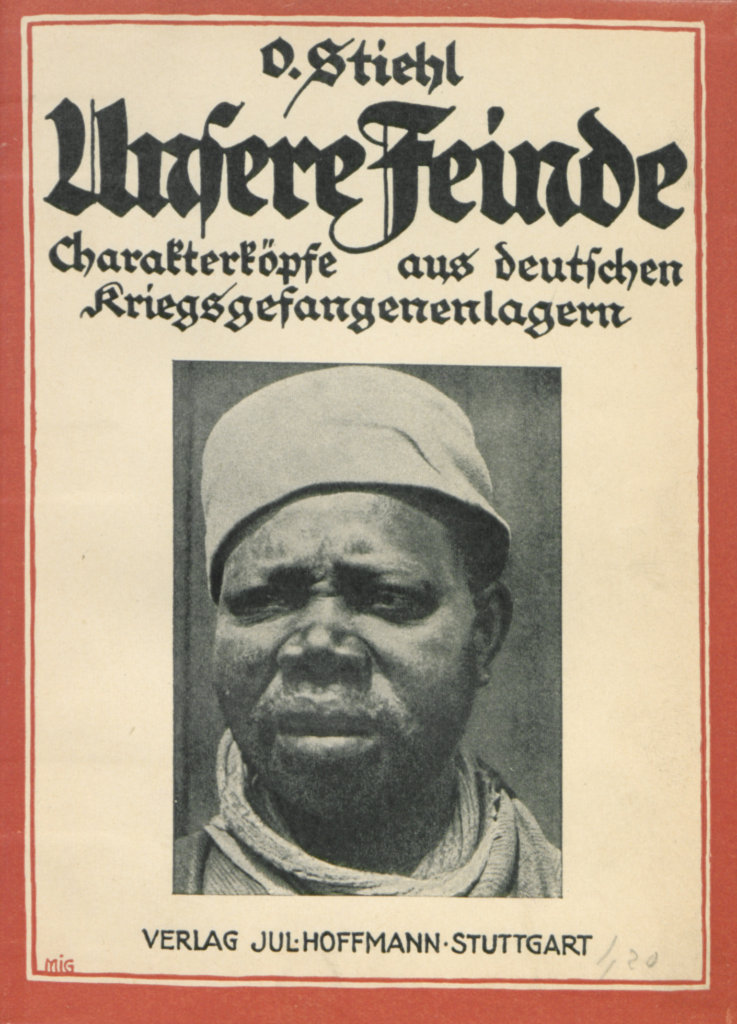
German publication, Our Enemies. Striking heads in the Prisoner of War camps in Germany, 1916.
German publication, Our Enemies. Striking heads in the Prisoner of War camps in Germany, 1916. Public Domain. Courtesy of Staatsbibliothek zu Berlin.
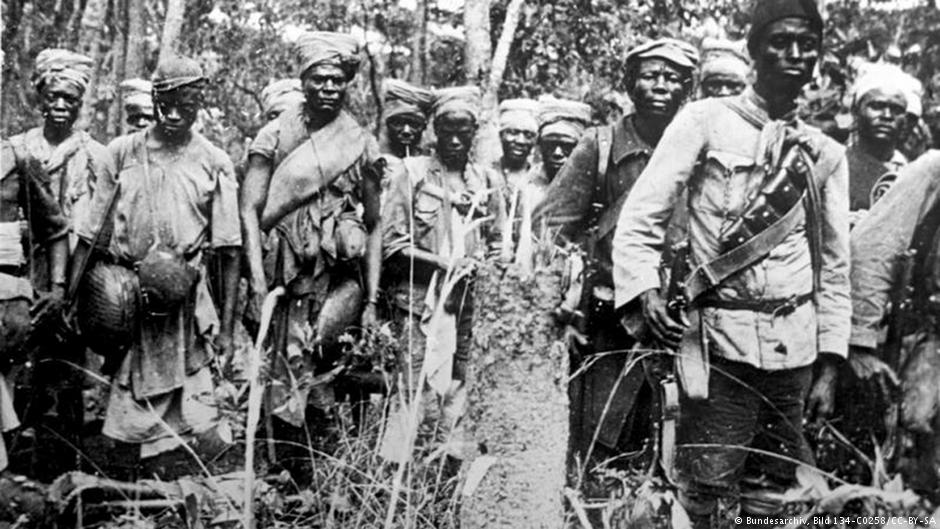
Askaris and bearers in German East Africa
Askaris and bearers in German East Africa. Public Domain. Courtesy of Bundesarhiv.
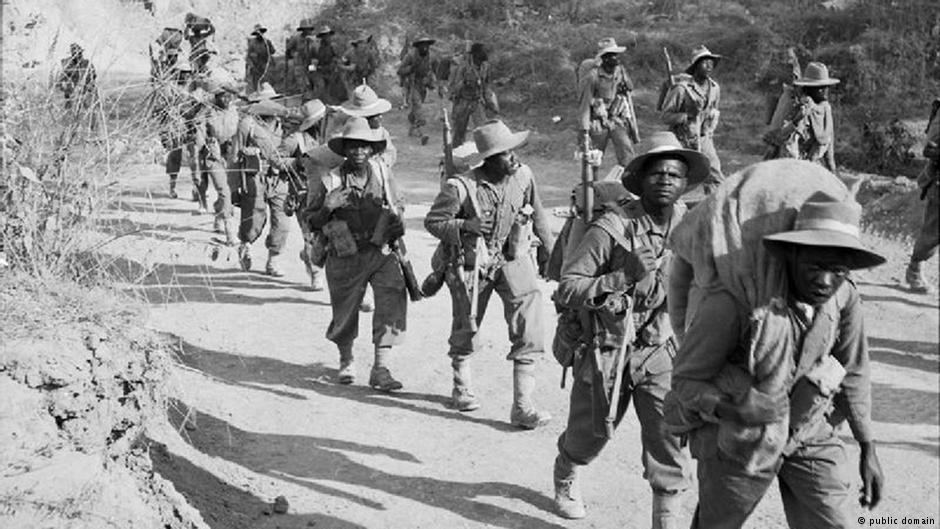
Troops of the East Africa division marching in Burma.
Troops of the East Africa division marching in Burma. Public Domain. Courtesy of DW.

Final Thoughts

While in common thought the perception of World War I is narrowly confined to the Western Front, the battle took place in the Middle East, Europe and Africa. But there were brief excursions in the Far East and Central Asia.

The litany of the labels of the different arenas of combat has become the identifier for the ‘world’ nature of World War I. The colonial Homefront -the lives of many, women and children across Africa and Asia who lost their fathers, brothers, and husbands and experienced a myriad of challenges remains one of the under-researched areas of World War I history.

Part of the problem lies in the sources. A majority of the colonial soldiers who served in the First World War were illiterate and did not leave memoirs and diaries like those found in Europe. But there is much to learn from the experiences of both men, women and children, both combatants and non-combatants who fought in the war and whose lives were changed forever.

Guest Contributor: Solomon Ochieng is an ex-soldier turned freelance writer. He’s interested in military history, its traditions and recent developments. He has a BsC in ICT Management from Maseno University and regularly writes for Ethiopia’s Ezega.com, and a regular contributor to Identify Medals focused on military medals and awards. In his free time, you’ll find him reading or working out.

Kenyan Presidential Awards, Orders and Medals

During national celebrations, several Kenyans are conferred the presidential awards in recognition of their efforts towards their country.

During national celebrations, several Kenyans are usually conferred the presidential awards in recognition of the efforts they make to serve their country and others. Various athletes, politicians, clergymen, statesmen among others are awarded by the sitting president. But which awards do they receive? What do these awards mean and who are some of the recipients of these awards? And what are the criteria used to award these individuals? Read on.

The National Honors and Awards Committee advice the president on who to award the decorations and medals. The recipients are nominated by their county commissioners, government agencies, religious institutions, non-governmental entities, individuals, and other community-based groups.

You can find the most important Kenyan medals below. However, if you’re looking for the complete list of Kenyan awards and decorations, follow this link.

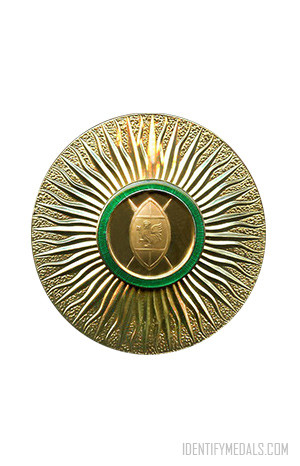
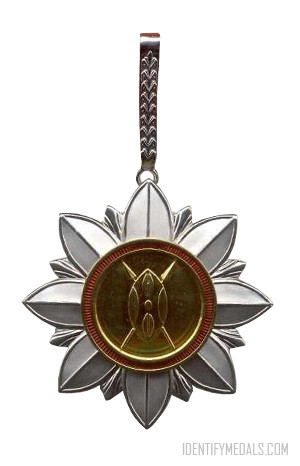
Chief of the Order of the Golden Heart of Kenya (C.G.H)

This is the highest-ranked award and is presented to the holders of the president’s office. Influential leaders like President Yoweri Museveni of Uganda, Former Liberia’s President Ellen Johnson Sirleaf and Aga Khan IV, have received this award despite not being Kenyans.

As you can see, it’s a breast star made by Spink with an inverted backplate. It’s not that big, and it’s about 73 millimeters in diameter. The incumbent, President Uhuru Muigai Kenyatta is the holder of the award Chief of the Order of the Golden Heart of Kenya.

The Order of the Golden Heart is divided into three categories based on their seniority:

The first is the Chief of the Golden Heart, which as indicated earlier, is awarded to a sitting president.

The next is the Elder of the Order of the Golden Heart of Kenya (E.G.H) that is awarded to among others the deputy President of the Republic of Kenya, Speakers of the August House and the Senate, the Cabinet Secretaries, the First Lady, The Deputy President’s wife, the Kenya Defense Forces (KDF) Chief of Staff and Personnel, and the Head of Public Service. In 2017, he awarded Mufaddal Saifuddin the Elder of the Order of the Golden Heart.

Last in this category is the Moran of the order of the Golden Heart of Kenya (M.G.H)

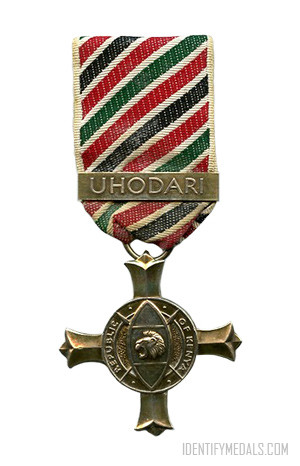
Uhodari Medal

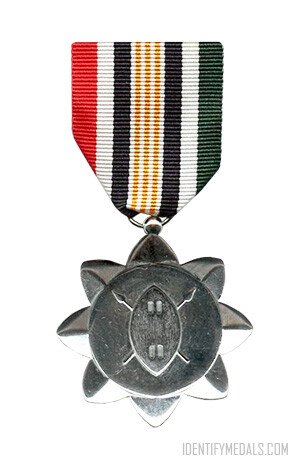
In the Kenya Defense Forces, this award is very prestigious. The Uhodari Medal is awarded to soldiers and individuals recognized for their most outstanding acts of bravery and sacrifice while serving in the armed forces and in different capacities.

However, for over 20 years no one received this award. President Moi’s predecessor H.E. Mwai Kibaki didn’t award the Uhodari Medal to anyone. But recently, the incumbent, H.E. Uhuru Kenyatta awarded Major Ndeke Fredrick Afande the Uhodari Medal.

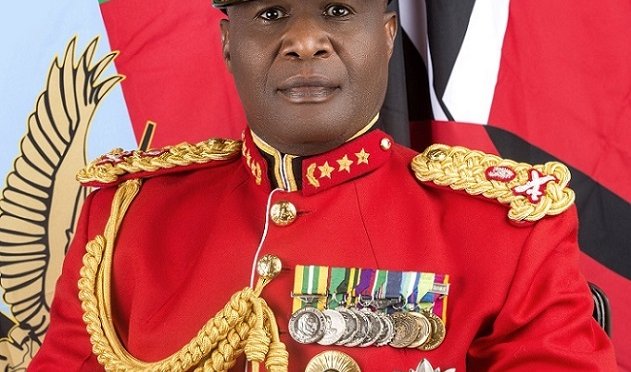
The most notable figure to have received this award is former Defense Forces General Mohammed for the role he played in saving the country during the 1982 coup attempt. He was awarded this medal by Retired president Daniel Arap Moi for saving the government.

Up to date, only 13 Kenyans have received this award, but a majority are not alive. As the country’s utmost gallantry honor, it is presented to the most conscious bravery or for some daring act of valor, extreme devotion to duty and self-sacrifice. The recipients of this prestigious award put the lives of other first in an act of selflessness.

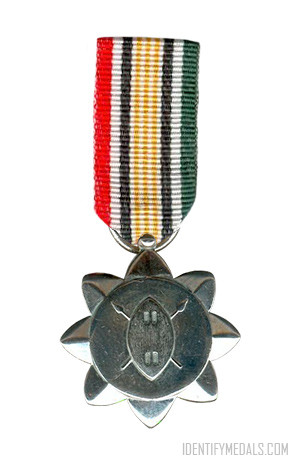
The Order of the Burning Spear

The Order of the Burning Spear was instituted on 21 April 1966 and measures 18.4mm (0.72 inches) in diameter. The award is given for distinguished services to public dignitaries, exemplary members of the public service, and other professionals.

The Order is divided into:

  • Chief of the Order of the Burning Spear (C.B.S)
  • Elder of the Order of the Burning Spear (E.B.S)
  • Moran of the Order of the Burning Spear (M.B.S)

Some of the notable figures who received this award include; former Statehouse Spokesman Manoah Esipisu, 800 meters Olympic Champion and world record holder David Rudisha, and veteran journalist Jeff Koinange of Citizen Television Kenya.

The elder rank of the Order of the Burning Spear is always a breast star and a neck badge, while the insignia of Moran Burning Spear (M.B.S.) and it’s ONLY a neck badge. The ribbon of the award is black, half green with a wide white-edged red central stripe. The earlier insignia of the Moran of the Burning Spear had a silvered center.

The Order of the Grand Warrior of Kenya (O.G.W)

The Order of the Grand Warrior (O.G.W) is an award presented to individuals in recognition of an outstanding service rendered to the country in different responsibilities and capacities. More importantly, it is an award presented to those who put their lives at risk to save their fellow countrymen.

The recipients of the O.G.W are those who leave a lasting image on their fellow countrymen by putting their country first before their personal feelings and interests. Among the notable recipients of this award include Former Senate Speaker, Hon. David Ekwee Ethuro, current speaker of the National Assembly, Hon. Justin Bedan Muturi, former leader of the majority party in the Senate, Hon. Prof. Kithure Kindiki, and the current leader of majority party in the national assembly Hon. Adan Duale.

Another notable figure to receive this award is Salah Farah, a Kenyan Muslim who shielded Christians during an Al-Shabaab ambush in Mandera town in Kenya.

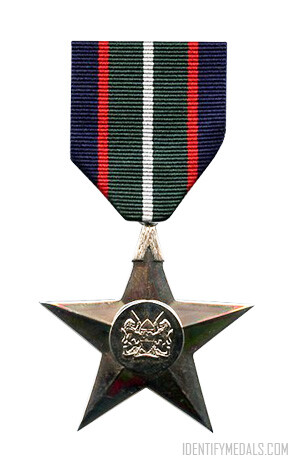
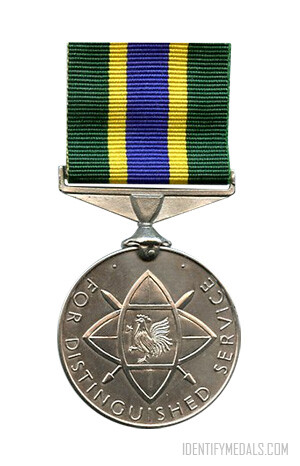
Other awards according to seniority include the Distinguished Conduct Order, the Distinguished Conduct Order, the Distinguished Service Medal, the Silver Star of Kenya and the President’s Commendations (Military and Civilian Division).

The national Honors Act of 2014 prescribes the minimum threshold one you must meet before being conferred with these honors: A recipient of any of these awards shall merit the conferment of the award if:

  • The individual displays exemplary abilities, actions, valor, courage, and leadership for the protection, advantage, and improvement of the nation.
  • The person has made tremendous contributions to the nation in the social, economic, scientific, public, academics, governance, administration, business, and other notable fields.
  • A state or public office holder who has made a significant impact in the improvement of their national and county governments, the legislature, judiciary, executive, independent offices and commissions.
  • A person who has brought glory and honor to the country, notably the athletes who exhibit exemplary performance at the global arenas.

All Kenyan Medals

Kenyan Medals: Uhodari Medal.

The Uhodari Medal

The Uhodari Medal is awarded to individuals for their most outstanding acts of bravery and sacrifice while serving in the armed forces.

Read More »

Find Kenyan Medals Online

Right Now on eBay 
Clicking a link to eBay may result in a referral commission being paid if a purchase is made.
Loading...