John McCain: A Lifetime of Service to America

Born on August 29, 1936 at Coco Solo Naval Station in the Panama Canal Zone when it was a U.S. territory, John McCain grew up in a family that had multiple examples of service to America. Both his father and grandfather were distinguished Navy Admirals, and McCain would follow in their footsteps as well as participating in politics in his later life. 

Admired on both the right and the left, John McCain dedicated his life to serving the American people and was willing to endure great pain and suffering to fulfill that duty.

Who Was John McCain?

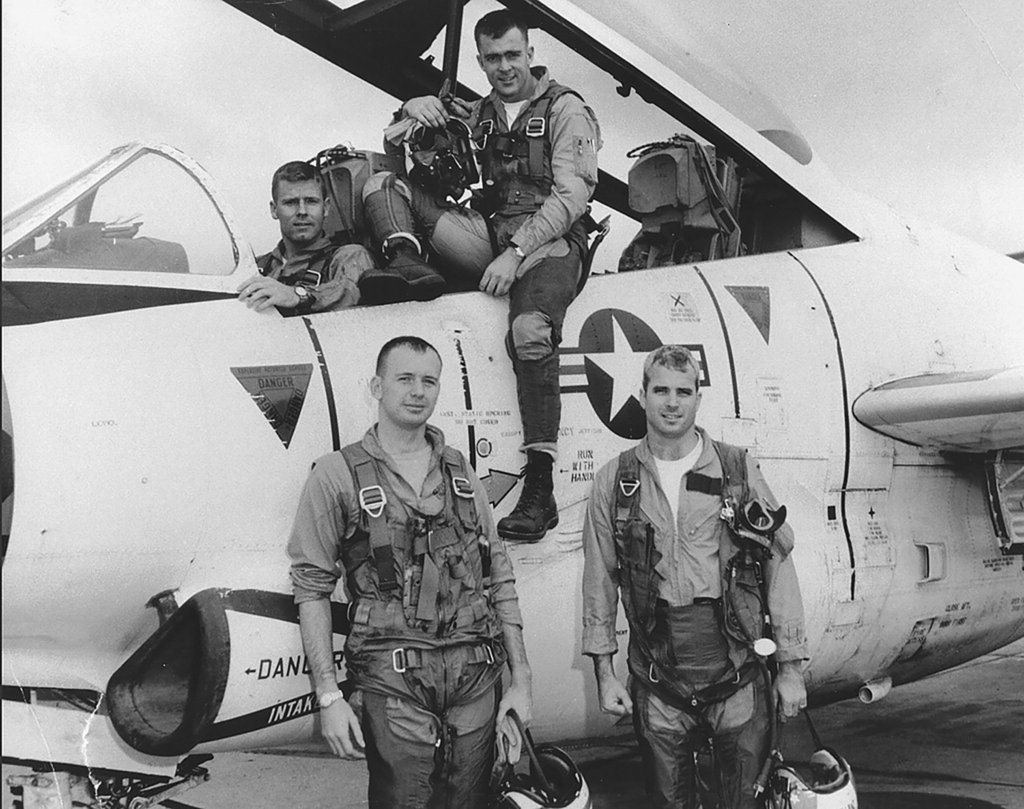
Lieutenant McCain (front right) with his squadron and T-2 Buckeye trainer, 1965
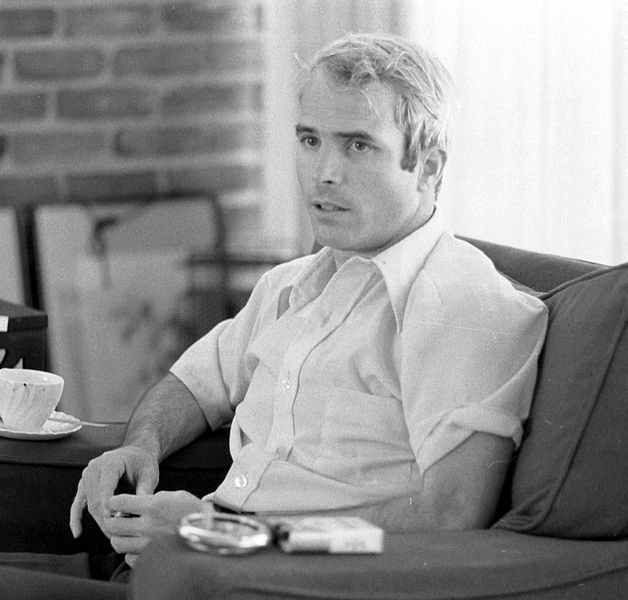
Interview with McCain, April 1974
Interview with McCain, April 1974. Source: Wikipedia.

As a military brat, McCain moved frequently as a child and attended 20 different schools throughout his childhood. He attended the Naval Academy, graduating near the bottom of his class in 1958 and became a Naval aviator for the 22 years, including serving in North Vietnam during the Vietnam War.

Although his father and grandfather had always been well-known in the military, McCain began to be recognized for his own service after his lengthy imprisonment in Vietnam. McCain’s 23rd bombing mission over North Vietnam on October 26, 1967 went terribly wrong when a missile struck his plane, forcing McCain to eject. In the process, he was knocked unconscious, broke both his arms and his leg, and taken prisoner.

McCain was a prisoner of war in the camp now known as “Hanoi Hilton”, a prison used by the French colonists in French Indochina for political prisoners, and later by North Vietnam for U.S. prisoners of war during the Vietnam War. He did not receive the medical treatment that he desperately needed and endured years of torture, spending much of his time in solitary confinement. The friendship of his fellow POWs like Air Force Majors George “Bud” Day and Norris Overly and his Christian faith kept him going during this time.

In late June, as McCain’s father was preparing to assume command of the U.S. forces in the Pacific, the North Vietnamese gave McCain the opportunity to accept an early release, which McCain denied. It was good that he did because the North Vietnamese had hoped to demoralize the American people and other POWs that POWs with privileged parents like McCain could escape, but others could not.

Since POWs were released based on their date of capture, McCain was finally released on March 14, 1973. He continued his service in the Navy once he returned home, including his last duty assignment of serving as naval liaison to the United States Senate. McCain retired from the Navy on April 1, 1981, with the rank of captain.

John McCain and the House of Representatives

Soon thereafter McCain was elected to the U.S. House of Representatives as a representative from Arizona in 1982 and served for two terms. Four years later, he was elected to the United States Senate in 1986, taking the seat formerly held by Republican Barry Goldwater. Throughout his career in the U.S. Senate, McCain served as the Chairman of the Senate Committees on Indian Affairs, Commerce, Science and Transportation, and the Armed Services.

McCain had media reputation of being a “maverick” due to his willingness to vote differently than his party on particular issues, including his stances on gun control and gay/lesbian issues. He is most well-known for the campaign finance reform bill of 2002—the McCain-Feingold Act.  

In 2000, McCain attempted to run for president, but lost the primary to George W. Bush of Texas, who later became the 43rd president. In 2008, McCain again ran for president and was the Republican Party’s nominee for president and chose Governor Sarah Palin as his running mate, losing the election to Barack Obama and Joe Biden.

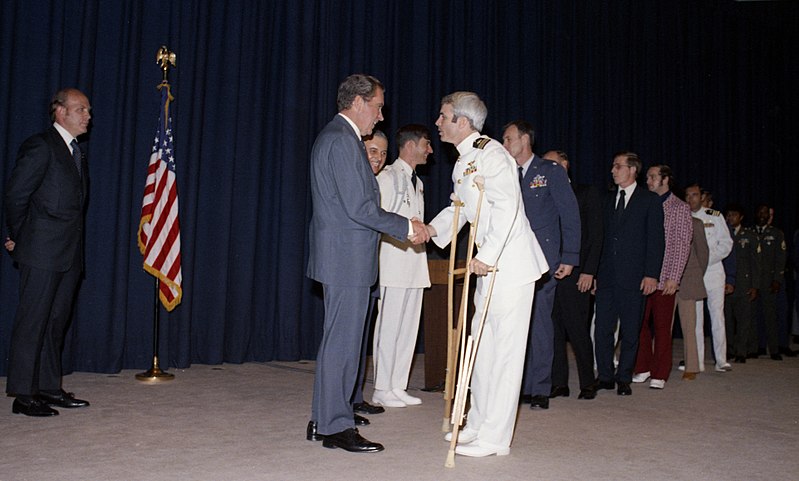
President Richard Nixon Greets Former Vietnam Prisoner of War John McCain, Jr. at a Pre-POW Dinner Reception, 5/24/1973
President Richard Nixon Greets Former Vietnam Prisoner of War John McCain, Jr. at a Pre-POW Dinner Reception, 5/24/1973. Source: Wikipedia.

Even though he lost the presidency, McCain continued to serve in the Senate for 10 years after the presidential election in 2008 until his death in 2018, becoming one of America’s longest-serving politicians.

In his personal life, McCain met and married Carol Shepp in 1965 while stationed at Meridian Naval Air Station, adopting her two sons from a previous marriage, Doug and Andy. A daughter Sidney was born in 1966. In the late 1970s, McCain’s marriage failed, and their divorce was final in April 1980.

The next month, McCain married Cindy Hensley whom he had met in 1979 in Hawaii. They would have four children together: daughter Meghan who was born in 1984, John Sidney “Jack” McCain IV who was born in 1985, James Hensley McCain who was born in 1988, and Bridget who was adopted in 1991.

McCain also coauthored a variety of booksFaith of My Fathers (1999), Worth the Fighting For: A Memoir (2002), Why Courage Matters: The Way to a Braver Life (2004), Hard Call: Great Decisions and the Extraordinary People Who Made Them (2007), Thirteen Soldiers: A Personal History of Americans at War (2014), and The Restless Wave: Good Times, Just Causes, Great Fights, and Other Appreciations (2018).

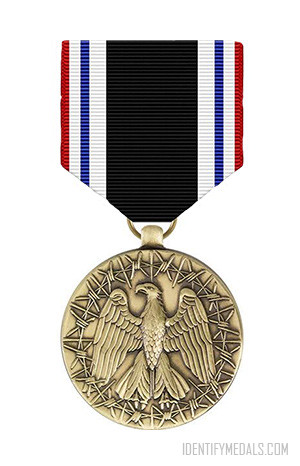
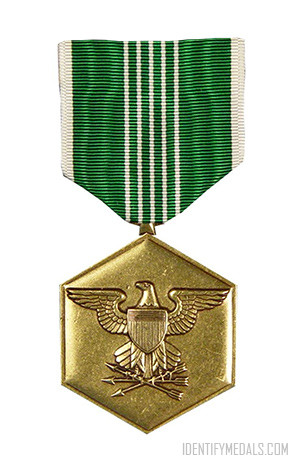
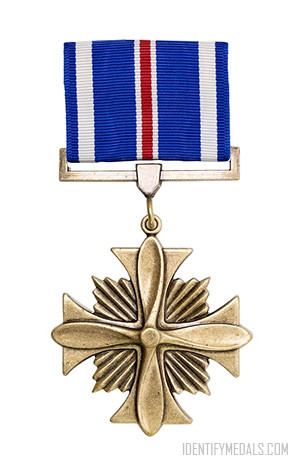
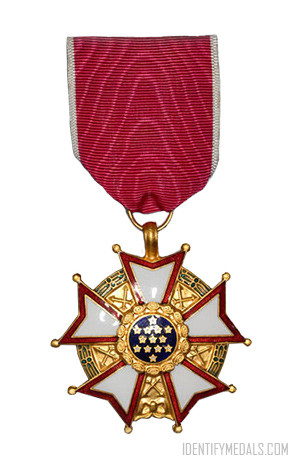
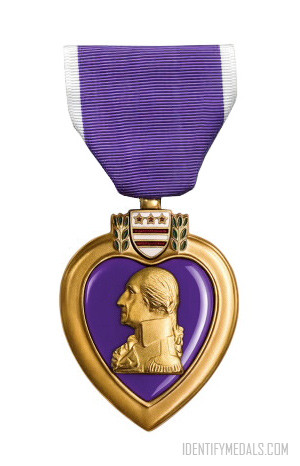
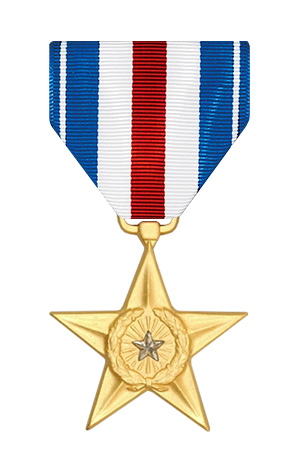
Some of John McCain’s medals:

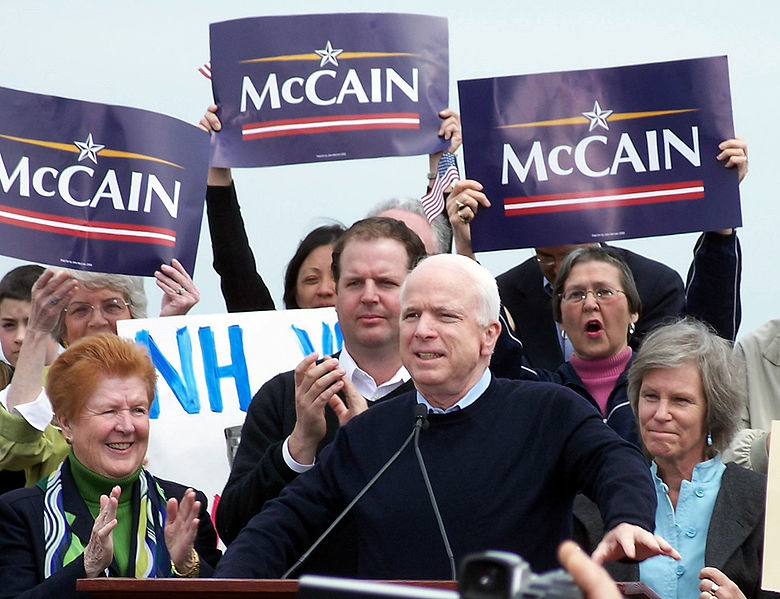
McCain formally announces his candidacy for president in Portsmouth, New Hampshire, 2007
McCain formally announces his candidacy for president in Portsmouth, New Hampshire, 2007. Source: Wikipedia.
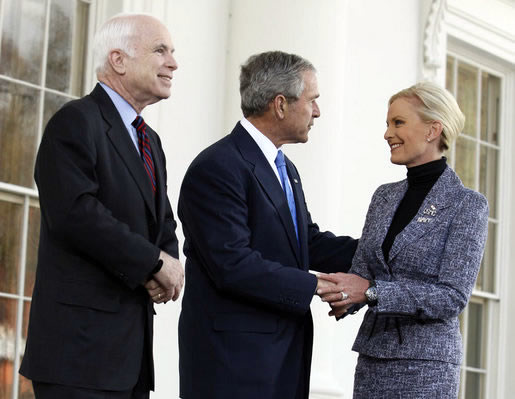
Republican presidential nominee Senator John McCain and his wife Cindy with President George W. Bush at the White House, Wednesday, March 5, 2008.
Republican presidential nominee Senator John McCain and his wife Cindy with President George W. Bush at the White House, Wednesday, March 5, 2008. Source: Wikipedia.
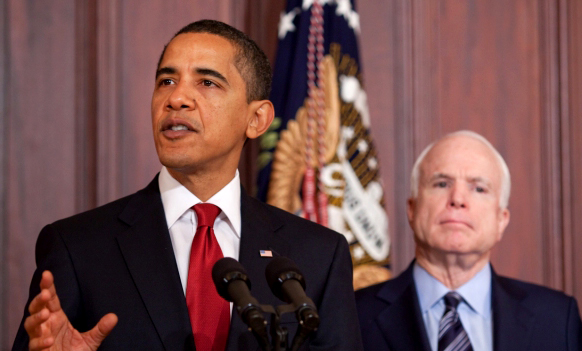
President Barack Obama and Senator John McCain in a press conference, taking place on March 4, 2009.
President Barack Obama and Senator John McCain in a press conference, taking place on March 4, 2009. Source: Wikipedia.

Although some Republicans see McCain as a controversial political figure due to his unorthodox political decisions—he chose to vote down a bill that would repeal the Affordable Health Care Act (NBC News had the apt title: “McCain hated Obamacare. He also saved it.”), almost all Americans have a huge respect for McCain’s military service, especially given the years that he served as a POW.

For his service and as a prisoner-of-war, McCain received the Silver Star, the Distinguished Flying Cross, the Legion of Merit with Combat ‘V’ and one gold star, the Bronze Star Medal with Combat ‘V’ and two gold stars, two Purple Hearts, the Navy Commendation Medal, and the Prisoner-of-War medal. In October 2017, McCain received the Liberty Medal.

Diagnosed with a type of brain cancer in July 2017, McCain decided to discontinue treatment on August 24, 2018, dying on August 25, 2018. McCain’s remains laid in state at the U.S. Capitol Rotunda, a high honor that has been presented to fewer than three dozen people, including Abraham Lincoln, John F. Kennedy, and Ronald Reagan.

Sources


Guest Contributor: Rachel Basinger is a former history teacher turned freelance writer and editor. She loves studying military history, especially the World Wars, and of course military medals. She has authored three history books for young adults and transcribed interviews of World War II veterans. In her free time, Rachel is a voracious reader and is a runner who completed her first half marathon in May 2019.

What Makes Vietnam War Medals Especially Unique

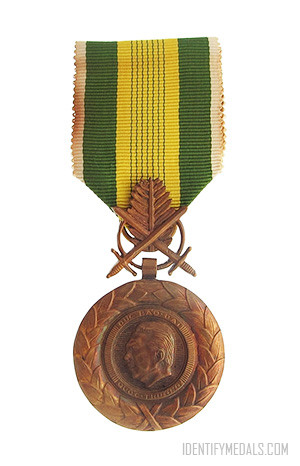
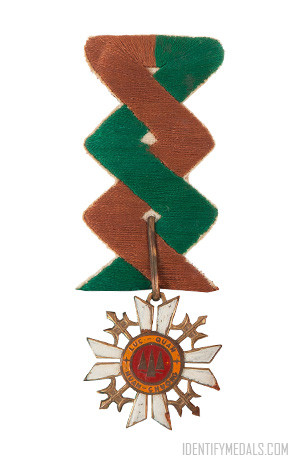
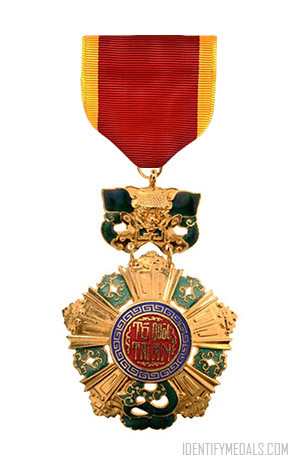
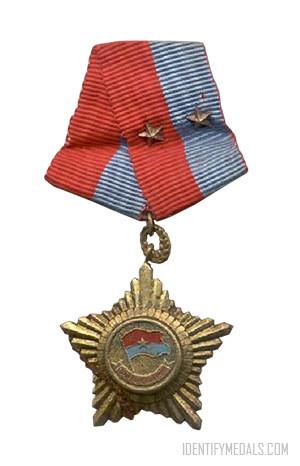
Did you know that some Vietnam War medals and decorations are especially unique because they were issued by South Vietnam, a country that ceased to exist after North Vietnam’s victory? Even so, U.S. military members who received foreign South Vietnamese decorations and medals are still authorized to wear them.

Due to the fall of South Vietnam, the official records of individuals who received awards from that country disappeared, although some U.S. military units maintained records of those awards. While South Vietnam issued a variety of awards and decorations, the U.S. only issued one medal specifically pertaining to the Vietnam War.

In addition, perhaps due to the unpopularity of the war, the Department of Defense never created lists of individuals who received military medals during the Vietnam War except for the Medal of Honor. Typically, the awards were only recorded in personnel records of casualties. In 2002, a team of volunteers began to record some medals awarded to each Vietnam War casualty.

In 2013, the Virtual Wall began to create its own database for these awards, which includes the Medal of HonorDistinguished Service CrossNavy CrossAir Force CrossSilver StarDistinguished Flying CrossBronze Star for Valor, Bronze Star to Meritorious Service or Achievement, Purple HeartAir Medal, Good Conduct Medal, and two foreign awards—Vietnam Gallantry Cross and Vietnam Military Merit Medal.

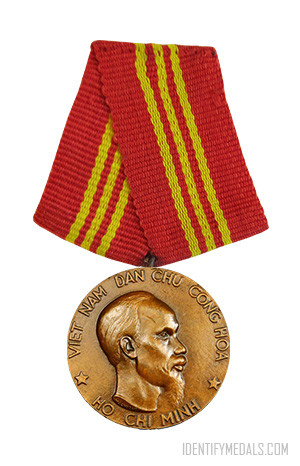
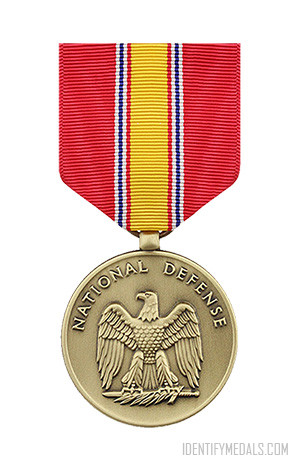
Here is just a small sample of the medals, awards, and decorations issued during the Vietnam War, three of which we’ll cover more in-depth:

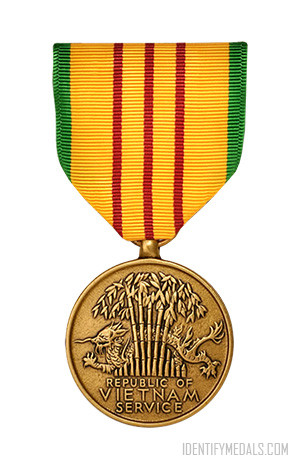
The Vietnam Service Medal

Authorized by executive order in 1965, the Vietnam Service Medal is a U.S. medal to honor service members who served in Vietnam, Laos, Cambodia, and/or Thailand from 1965 to 1973 for 30 consecutive or 60 nonconsecutive days.

The colors of the ribbon are green, yellow, and red, which represents the flag of the Republic of Vietnam at the time—yellow with red stripes running horizontally—and the green Vietnamese jungles. In addition, the three red stripes indicate the three ancient empires of Vietnam Tonkin, Annam, and Cochin China.

For those who participated in campaigns like the Tet counteroffensive in 1968 and the air offensive phases from 1966 to 1969, bronze stars on mounted on the ribbon for participation.

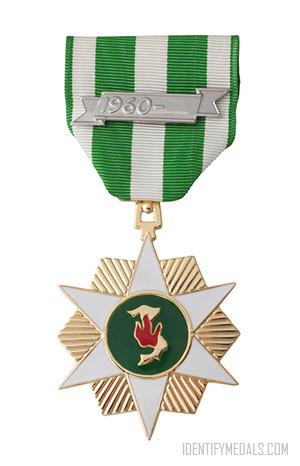
The Republic of Vietnam Campaign Medal

In addition to the U.S. medal, the Republic of Vietnam Campaign Medal is a foreign award, meaning a military decoration or award issued to American troops who aided that country in conflict. First introduced during the First Indochina War, the Republic of Vietnam Campaign Medal was authorized for wear on American service members as of December 1966 for their service in Vietnam.

In order to receive this medal, military members must have served in the Republic of Vietnam for six months between March 1, 1961 and March 28, 1973 or served outside Vietnam but gave combat support for six months or served less than six months but was wounded, captured and escaped enemy forces, or was killed in action.

What’s unique about the medal is that it comes with a default device, known as the 1960 device. It reads, “1960-”. Because they were produced and awarded during the war, it reads the start date of the conflict, but no end date was added.

Finally, its design helps to tell the story of the Vietnam War with the colors of the medal—green and white—to represent freedom and purity respectively. In addition, the medallion has a six pointed white enamel star, six golden rays between each point in the star, and a map of Vietnam in the center of the medallion. The putative red flames on the map represent the locations of the war.

The Vietnam Gallantry Cross

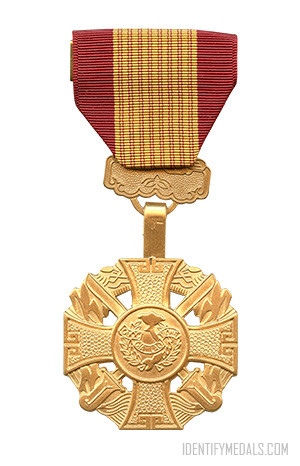
Under the Department of the Army General Order (DAGO) 43, 1970, all military personnel of all branches were awarded the Vietnam Cross of Gallantry if they had served in Vietnam between March 1, 1961 and March 28, 1973.

In addition, according to DAGO 8, 1974, the Vietnam Gallantry Cross, Unit Citation with Palm was awarded to Headquarters U.S. Military Assistance Command (MACV) and all subordinate units during February 8, 1962 to March 28, 1973. This meant that all military personnel who were assigned to units that served in-country Vietnam during this period were considered as assigned to MACV, regardless of service or component.

In other words, the Republic of Vietnam authorized this award for all foreign military personnel and units for valorous achievement and participation during the Vietnam War. Equivalent to the French Croix de Guerre, the medal demonstrates South Vietnam’s gratitude to the American and Allied soldiers who worked, fought, and sacrificed themselves for the freedom of the Republic of Vietnam.

In closing, the Vietnam War has always been a touchy subject. Since the war was quite unpopular, many veterans were not welcomed when they returned, even if they did not personally agree with the conflict. In addition, many Vietnam War vets rarely talked about their experiences during the war and their service—until somewhat recently—went undiscussed.

As a result, besides the Medal of Honor and other prestigious U.S. decorations, many individuals do not know much about the Vietnam War medals, which is unfortunate because they are especially unique.

From the unique device attached to the Republic of Vietnam Campaign Medal to the fact that some medals were issued by a now defunct country—South Vietnam, the medals specifically connected to the Vietnam War have a distinctive story to tell.  

Sources:

Guest Contributor: Rachel Basinger is a former history teacher turned freelance writer and editor. She loves studying military history, especially the World Wars, and of course military medals. She has authored three history books for young adults and transcribed interviews of World War II veterans. In her free time, Rachel is a voracious reader and is a runner who completed her first half marathon in May 2019.