The Turkish Armed Forces Medal of Distinguished Courage and Self-Sacrifice

This medal is awarded to those who fulfill the duties entrusted to them with great courage while putting their lives in danger.

The Turkish Armed Forces Medal of Distinguished Courage and Self-Sacrifice (or Türk Silahlı Kuvvetleri Üstün Cesaret ve Feragat Madalyası in Turkish) stands as one of the most prestigious honors conferred by the Turkish Armed Forces (TAF), established on July 3, 1975.

In times of war or peace, the medal is awarded to individuals or military units who have demonstrated exceptional courage and self-sacrifice while carrying out their duties, often risking their lives in the process.

This prestigious accolade may be bestowed upon civilians or military personnel of any nationality. Recommendations for its awarding can be made by the Deputy Minister for National Defense or by any of the Commanders representing the four branches of the Turkish Armed Forces (TAF): the Army, the Navy, the Air Force, or the Gendarmerie (excluding the Commander of the fifth branch, the Coast Guard). Final approval for the award rests with the Chief of the General Staff.

The Medal of Distinguished Courage Design

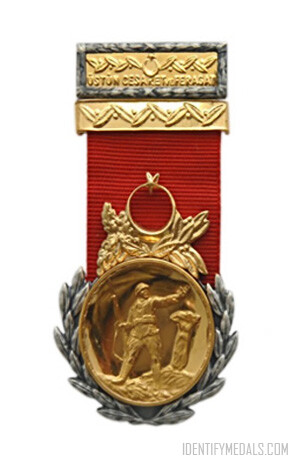
The medal features silver laurels surrounding a gold medal with an engraving of Mehmetçik, the legendary Turkish soldier, atop.

The regular size decoration consists of three pieces. Made of bronze, it is minted with 5 micrometer silver and 0.2 micrometer gold-plating. It weighs 59 grams and has a diameter of 3.5 cm. The miniature size decoration also comprises three pieces. Made of bronze, the miniature medal is minted with 5 micrometer silver and 0.2 micrometer gold-plating. It weighs 15 grams and has a diameter of 1 cm.

The ribbon is red with a golden crescent moon and a star on top.
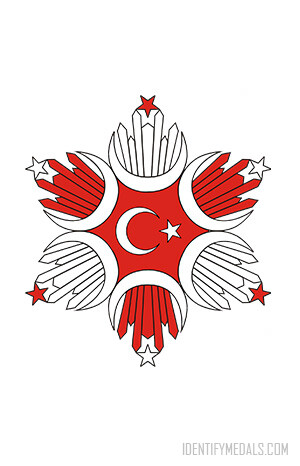
Order of Merit of the Republic of Turkey

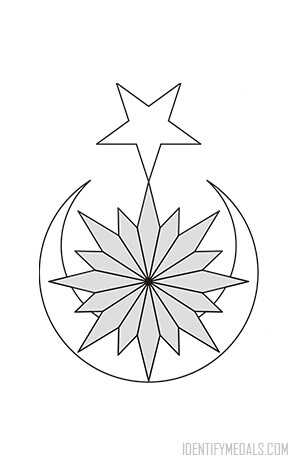
Order of Merit of the Republic of Turkey (Türkiye Cumhuriyeti Liyakat Nişanı) is awarded to foreign scientists, academics, and artists.

The Order of Merit of the Republic of Turkey (or Türkiye Cumhuriyeti Liyakat Nişanı in Turkish) is conferred by the President of Turkey based on recommendations from relevant Cabinet members, taking into account input from the Ministry of Foreign Affairs and the Atatürk Supreme Council for Culture, Language, and History.

This honor is bestowed upon foreign scientists, academics, artists, and intellectuals as a token of appreciation for their efforts in promoting and highlighting the Republic of Turkey on the global stage through their contributions to science and the arts.

  • Eligibility: Foreign scientists, academics, artists and intellectuals.
  • “Given to people who foreign nationals in recognition of their contributions for international promotion and glorification of the Republic of Turkey in science and arts.”

The Order of the Republic of Turkey

The Order of the Republic (Türkiye Cumhuriyeti Cumhuriyet Nişanı) is the second highest Turkish state order after the Order of the State.

The Order of the Republic (or Türkiye Cumhuriyeti Cumhuriyet Nişanı in Turkish) holds the distinction of being the second-highest state order in Turkey, following the Order of the State.

It is awarded by the President of Turkey, upon the recommendation of the Council of Ministers, to individuals such as prime ministers, ministers, and foreign mission members. This recognition is bestowed in appreciation of their efforts to foster closer ties and strengthen friendly relations between their nations and the Republic of Turkey.

  • Eligibility: Foreign Prime Ministers, Ministers and foreign representative members.
  • Awarded for: “Given to people for the development of friendly relations and with the Republic of Turkey.”

Russia’s Medieval Award: The Kievan Rus’ Grivna Neck Bracelet

During the early Middle Ages in Rus’, a practice emerged where the grivnas and dengis had a significant role as a form of reward.

During the early Middle Ages in Rus’, a practice emerged where the grivna, a neck bracelet crafted from precious metals, assumed a significant role as a form of reward. The grivna, beyond its ornamental function, became a tangible symbol of recognition and appreciation, bestowed upon individuals for various noteworthy achievements. 

As Rus’ society evolved, the significance of the grivna as a reward grew, signifying not only material wealth but also status, honor, and distinction. Over time, the tradition of awarding the grivna contributed to the development of a structured system of honors and recognition within Rus’, laying the groundwork for the emergence of more formalized medal systems in later periods.

What is a Rus' Grivna?

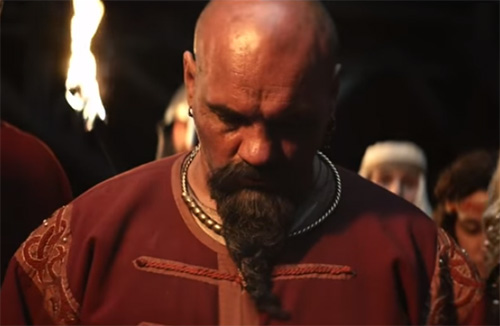
In Kievan Rus‘, a multitude of necklaces were worn by its people, offering a diverse array of styles and materials. Among these adornments, men predominantly favored necklaces or torques known as “grivna.”

Crafted primarily from solid silver, though occasionally from other precious metals, grivna exhibited a variety of designs. Some were unadorned, while others featured intricate engravings or elaborate shapes. For men, the grivna held particular significance as a symbol of warriorhood, reflecting the wearer’s martial prowess and status within society.

The Evolution of the Grivna Into an Honors System

The evolution of the grivna into an honors system reflects a fascinating transformation in the societal norms and values of Kievan Rus’.

As Kievan Rus’ evolved and its societal structures became more complex, the significance of the grivna expanded beyond its ornamental function. It began to symbolize not only individual wealth and status but also honor and achievement. Warriors who demonstrated exceptional bravery or leadership in battle were often rewarded with intricately crafted grivna, signifying their valor and contributions to the community.

As the use of grivna as a reward became more widespread, it laid the groundwork for the development of a more formalized system of honors within Kievan Rus’. The practice of bestowing grivna upon individuals for noteworthy achievements became increasingly structured, with specific criteria and protocols for recognition established by rulers and leaders.

By the later stages of Kievan Rus’, the grivna had evolved into an established honors system, where individuals were recognized and rewarded for their service, loyalty, and contributions to the community.

The First Medals of the Russian Empire

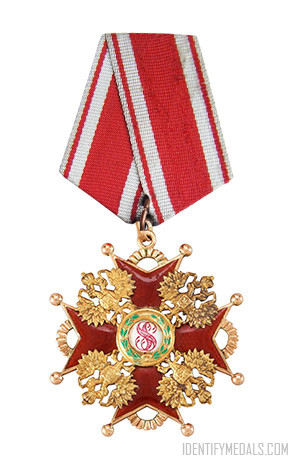
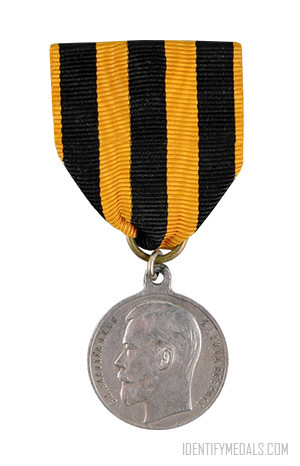
In the late 17th century, Peter the Great laid the foundation for a formal system of honors and decorations. In 1698, for instance, he established Russia’s first order, the Order of St. Andrew, setting the stage for the subsequent development of the empire’s medal system. Then, during the reign of Catherine the Great, several new orders and decorations were established, including the Order of St. Catherine, the Order of St. Vladimir, and the Order of St. George.

From Dengis to Soldier Awards

Throughout the early centuries, particularly until the end of the 17th century, dengi also served as a common form of reward. Dengi, unlike conventional coins, were crafted from silver wire, imbuing them with a unique significance. These silver tokens became emblematic of honor and distinction, often bestowed upon individuals for acts of valor, loyalty, or exemplary service.

The use of dengi as a form of recognition paved the way for the development of a more standardized system of soldier awards. These dengi, with their intrinsic value and symbolic importance, became the prototype for the mass distribution of honors among military personnel.

However, it was towards the latter part of the 17th century that a significant shift occurred in the nature of these awards. The traditional silver dengi were replaced by a new form of recognition – the “gold” award. In this case, the term “gold” referred not only to the material but also to the esteemed status of the award itself.

These “gold” awards took the form of medals fashioned in the likeness of coins, bearing the distinguished image of the coat of arms of Moscow. This transition marked a pivotal moment in the evolution of the Russian honors system, as it introduced a more uniform and prestigious method of recognizing merit and service.

Conclusion

The evolution of the grivna into an honors system in Kievan Rus’ reflects the dynamic interplay between cultural traditions, societal norms, and evolving political structures. What began as a simple neck ornament gradually transformed into a symbol of honor and recognition, shaping the way individuals were valued and rewarded within their society.

Find Russian Medals Online

Right Now on eBay 
Clicking a link to eBay may result in a referral commission being paid if a purchase is made.
Loading...

Pip, Queak, and Wilfred: Three Inseparable Friends of WW1 + Video

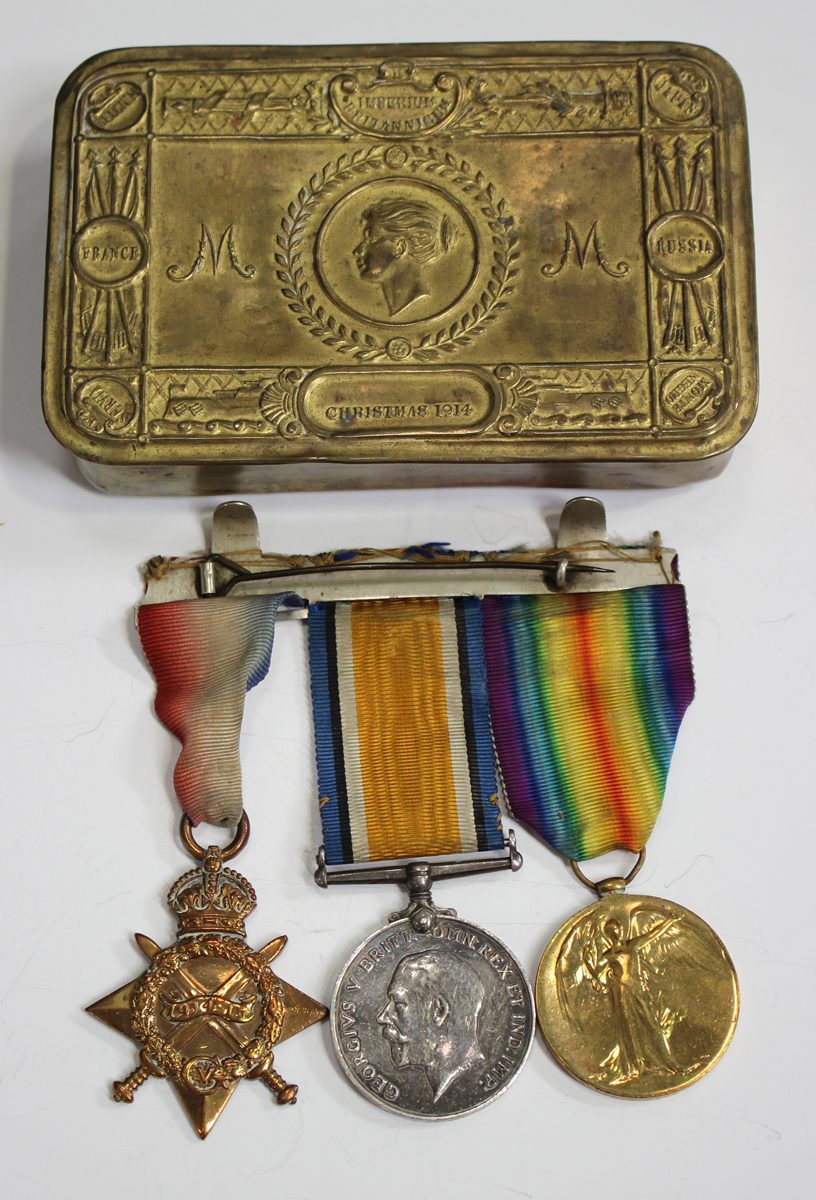
Pip, Squeak and Wilfred was a British strip cartoon created in 1919. During World War I, though, the names meant something entirely different!

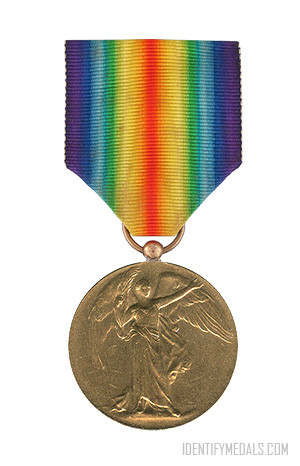
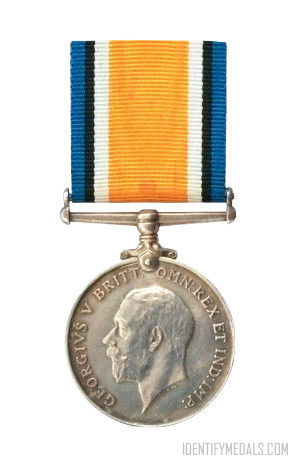
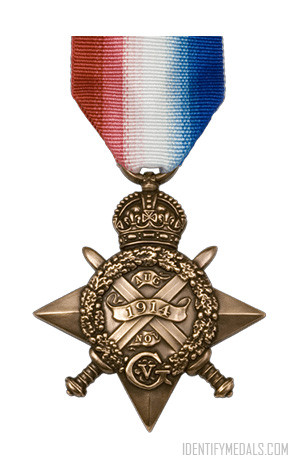
Pip, Squeak and Wilfred was a British strip cartoon created in 1919. During World War I, though, the names meant something entirely different! ‘Pip‘ was the nickname of the 1914 Star Medal, which was awarded to officers and men of British and Imperial forces who served in any theatre of the First World War. ‘Squeak‘ was the British War Medal, also awarded to all officers and men who had served between 1914 and 1920. And ‘Wilfred‘ was the British Victory Medal, given to those to had receeived he other two.

In the original comic strip, “Pip” a dog, “Squeak” a penguin, and “Wilfred” a rabbit were inseparable. And, iff someone in your family fought during WW1, it’s likely these three medals have remained together all this time, too. So, let’s learn more about these medals and the origin of their nicknames.

The Military Medals of WW1: Why Were They Awarded?

Medals were awarded in World War I (WWI) for various reasons, primarily to recognize and honor the bravery, sacrifice, and service of military personnel.

Medals such as the Victoria Cross (VC) in the British Empire, the Croix de Guerre in France, and the Medal of Honor in the United States were awarded to individuals who displayed exceptional bravery and valor in combat. These medals often recognized acts of heroism performed under fire or in exceptionally dangerous situations.

In some cases, medals were also awarded to soldiers for long and meritorious service, recognizing their dedication, discipline, and commitment over a period of time. These medals were typically awarded to those who had served for a certain number of years with good conduct. And others, like the Purple Heart in the United States, were awarded to soldiers who were wounded or injured in combat. 

lastly, many soldiers received medals simply for their service in specific campaigns or theaters of war. These medals were often awarded to all personnel who served in a particular conflict or location, regardless of individual acts of bravery. Pip, Squeak, and Wilfred were all campaign medals.

Pip, Squeak, and Wilfred: The Comic Strip and Characters

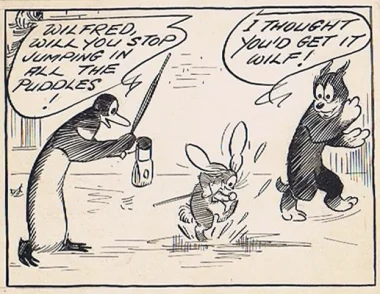
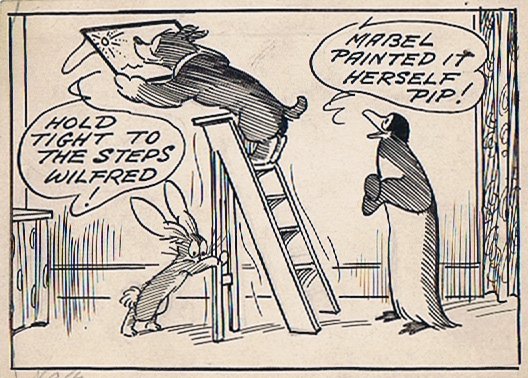
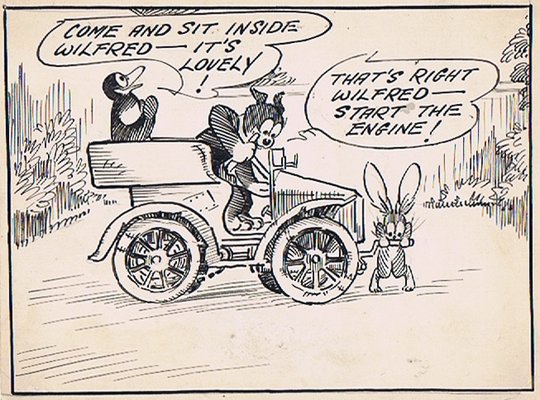
The comic strip “Pip, Squeak, and Wilfred” was immensely popular in Britain during World War I and well into the interwar period. It chronicled the adventures of these three characters, a dog, a penguin, and a rabbit, respectively.

The association of these characters with the medals became entrenched in popular culture, giving rise to the enduring nicknames for the awards. The use of these whimsical names provided a lighter touch to the serious business of honoring military service, and they remain a colorful aspect of British military history from the Great War era.

The comic strip "Pip, Squeak, and Wilfred"

The Pip, Squeak, and Wilfred Medals

The Pip, Squeak, and Wilfred Medals, also known as the 1914 Star, the British War Medal, and the Victory Medal respectively, were awarded to British and Imperial military personnel who served during World War I. These three medals earned their distinctive nicknames due to their appearance and association with the popular comic strip characters.

WW1 Medals and Awards: The 1914 Star

The 1914 Star

The 1914 Star, ‘Mons’ Star or ‘Pip’ is a British Empire campaign medal instituted in 1917 and presented for service during World War I.

Read More »
  1. The 1914 Star (Pip): This medal, awarded to those who served in specified theaters of war between August 5th and November 22nd, 1914, featured a bronze star. It became known as the “Pip” due to its star shape, resembling the insignia of a “pip” in a playing card deck. The term “Pip” also alluded to a character named Pip, a dog in a British comic strip called “Pip, Squeak, and Wilfred.”

  2. The British War Medal (Squeak): This medal was awarded to those who served in any theater of war between August 5th, 1914, and November 11th, 1918, or who served in Russia between August 1918 and July 1920. It featured the allegorical figure of Victory on the obverse and a ribbon with orange, black, and white stripes. The medal earned the nickname “Squeak” because its colors resembled those of the comic strip character Squeak, a penguin.

  3. The Victory Medal (Wilfred): This medal was awarded to all those who received the 1914 Star or the 1914-15 Star and to most of those who were awarded the British War Medal. It featured the winged figure of Victory on the obverse and had a rainbow-colored ribbon. The medal earned the nickname “Wilfred” as it was associated with the character Wilfred, a rabbit, from the same comic strip.

Find These Medals Online

Right Now on eBay 
Clicking a link to eBay may result in a referral commission being paid if a purchase is made.
Loading...

The Five Napoleonic Wars and Their Medals

The Napoleonic Wars had a profound impact on European history. As such, the saw the issuance of various military medals and decorations.

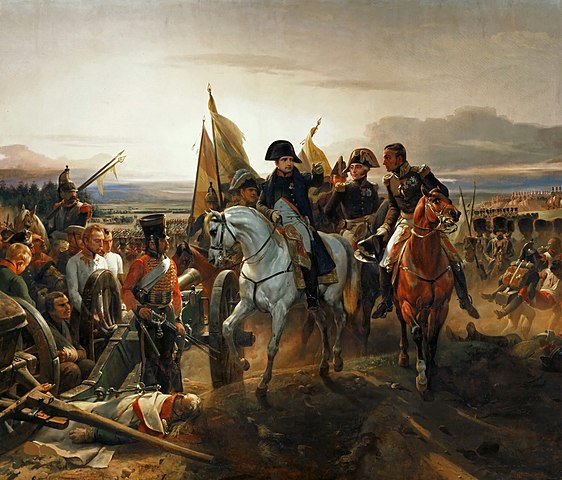
The Napoleonic Wars were a series of conflicts fought between 1803 and 1815, primarily involving the French Empire led by Napoleon Bonaparte and various coalitions of European powers seeking to contain or defeat him.

These wars saw the issuance of various military medals and decorations to recognize acts of bravery, service, and merit on the battlefield. These medals were often awarded by national governments or military commanders and served as symbols of honor and distinction for those who served in the wars. 

In this article, we will explore all the medals awarded for the Napoleonic Wars.

The Five Phases of the Napoleonic Wars

The Napoleonic Wars had a profound impact on European history, reshaping the political landscape and setting the stage for the modern era. The wars can be divided into five main phases:

  • War of the Third Coalition (1805): This conflict began with the Third Coalition of European powers, including Austria, Russia, and the United Kingdom, declaring war on France. The war culminated in the decisive Battle of Trafalgar, where the British Royal Navy defeated the combined French and Spanish fleets, establishing British naval supremacy.

  • War of the Fourth Coalition (1806-1807): Napoleon’s forces faced off against Prussia, Russia, Saxony, and Sweden in this conflict. The war included Napoleon’s famous victories at the Battles of Jena and Auerstedt in 1806 and the Treaties of Tilsit in 1807, which resulted in significant territorial gains for France and its allies.

  • War of the Fifth Coalition (1809): Austria led the Fifth Coalition against France, seeking to regain territory lost in previous conflicts. The war saw Napoleon’s victory at the Battle of Wagram, leading to the Treaty of Schönbrunn and further territorial concessions from Austria.

  • Peninsular War (1808-1814): This conflict, fought primarily in the Iberian Peninsula, saw French forces facing off against Spanish and Portuguese guerrilla fighters, as well as British expeditionary forces led by the Duke of Wellington. The Peninsular War drained French resources and morale, ultimately contributing to Napoleon’s downfall.

  • War of the Sixth Coalition (1812-1814): This coalition, which included Russia, Prussia, Austria, and Sweden, launched a major campaign against Napoleon’s forces. The war included Napoleon’s disastrous invasion of Russia in 1812 and culminated in the Battle of Leipzig, also known as the Battle of Nations, in 1813. The coalition’s victory led to Napoleon’s abdication and exile to the island of Elba.

The Napoleonic Wars Military Medals

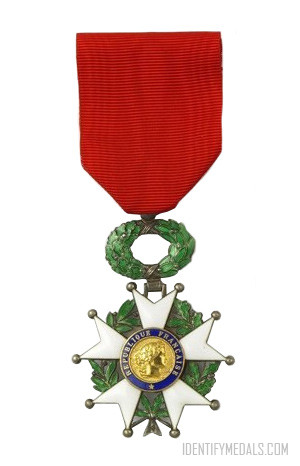
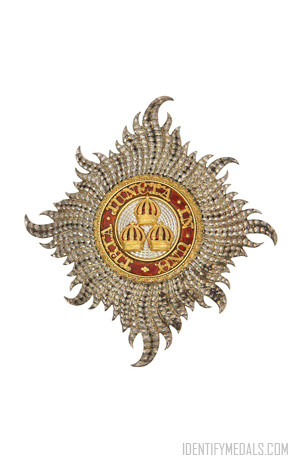
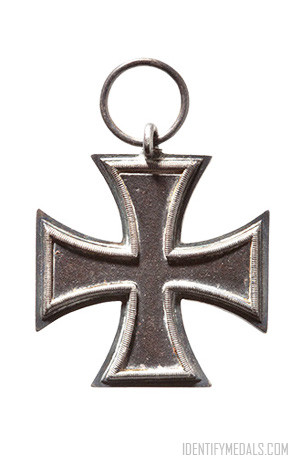
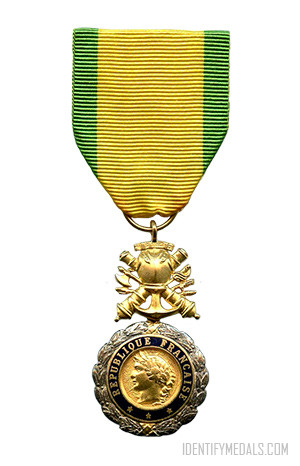
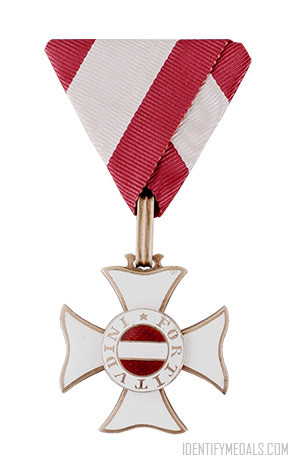
Some notable military medals associated with the Napoleonic Wars include the Legion of Honor (France), the Honorable Order of the Bath (United Kingdom), the Iron Cross (Prussia), the Military Medal (France), and the Military Order of Maria Theresa (Austria). You can use the links below to learn more about each:

Pre-WW1 Medals and Awards: The Legion of Honour

The Legion of Honor

The Legion of Honor (or Ordre national de la Légion d’honneur in French) is the highest French order of merit for military and civil merits.

Read More »

The Napoleonic Wars and The Legion of Honor

The Legion of Honor was established by Napoleon Bonaparte in 1802 and was France’s highest military decoration and one of the most prestigious honors that a Napoleonic soldier could receive. Soldiers were awarded the Legion of Honor for a wide range of exceptional acts of valor, leadership, and service to the nation.

Overall, the Legion of Honor was awarded to Napoleonic soldiers who exemplified the highest ideals of military service, courage, and devotion to the nation. For example, someone might receive a Legion of Honor for:

  1. Acts of Bravery on the Battlefield: Soldiers who displayed exceptional courage and bravery in the heat of battle were often considered for the Legion of Honour. This could include charging enemy positions, holding strategic positions against overwhelming odds, or rescuing wounded comrades under fire.

  2. Leadership and Command: Officers who demonstrated outstanding leadership skills and tactical acumen were often recognized with the Legion of Honour. This could involve successfully leading troops into battle, devising innovative strategies, or rallying troops in the face of adversity.

  3. Long and Meritorious Service: Soldiers who served with distinction over a long period of time, demonstrating dedication, loyalty, and professionalism, were also eligible for the Legion of Honour. This could include veterans who fought in multiple campaigns or served with distinction in peacetime roles.

  1. Contributions to Military Science or Administration: Soldiers who made significant contributions to military science, technology, or administration were sometimes awarded the Legion of Honour. This could include engineers, medical personnel, or logistical officers who implemented innovative practices or technologies that improved the effectiveness of the armed forces.

  2. Acts of Humanitarianism or Charity: Soldiers who demonstrated compassion and humanity, either on the battlefield or in civilian contexts, were occasionally recognized with the Legion of Honor. This could include providing aid to wounded or civilian populations, organizing relief efforts, or engaging in acts of charity and philanthropy.

  3. Political or Diplomatic Service: In addition to military service, soldiers who served in political or diplomatic capacities, representing France’s interests abroad or negotiating treaties and alliances, were also eligible for the Legion of Honour.

The Napoleonic Wars and The Order of the Bath

During the Napoleonic Wars, the Order of the Bath played a significant role in recognizing the distinguished service and gallantry of British military officers and personnel. Established in 1725, the Order of the Bath was revived and expanded during the tumultuous years of conflict with Napoleon’s forces. It became one of the most prestigious military orders in Britain, serving as a symbol of honor and recognition for those who demonstrated exceptional bravery, leadership, and service to the nation.

The Order of the Bath was divided into three classes: Knight Grand Cross (GCB), Knight Commander (KCB), and Companion (CB). Each class represented a different level of distinction, with the Knight Grand Cross being the highest honor.

The Napoleonic Wars and The Iron Cross

Although the Iron Cross is more commonly associated with later conflicts, notably World War I and World War II, its origins can be traced back to the early 19th century, during the tumultuous era of Napoleon’s campaigns.

The Iron Cross was actually first established by King Frederick William III of Prussia in 1813, during the War of the Sixth Coalition against Napoleon. It was intended to honor Prussian soldiers who had demonstrated exceptional courage and valor in battle against the French forces.

Find a Napoleonic War Medal Online

Right Now on eBay 
Clicking a link to eBay may result in a referral commission being paid if a purchase is made.
Loading...

All the British WW2 Campaign Medals and Where to Find Them

During WW2, certain medals were awarded for participating in specified military campaigns. Here’s the complete list and data.

During World War II (1939–1945) British campaign medals are awarded to members of the British Armed Forces and civilians for active service in specific military campaigns or operations. These medals serve as lasting recognition of an individual’s contribution to the war effort in particular theatres of conflict.

Typically, eligibility was determined based on the individual’s service in a specific theater of operations or campaign during the war. However, in addition to specific time frames and locations, individuals had to meet certain criteria related to the duration and nature of their service to qualify for the medal. In some cases, civilians who provided essential support or were directly involved in the war effort were also eligible for these medals. Let’s take a look at the different British Campaign Medals of World War II.

WW2 UK Campaign Medals Eligibility

The general eligibility criteria for World War II campaign medals varied depending on the specific medal, but there were some common requirements for most decorations awarded during this period. For example:

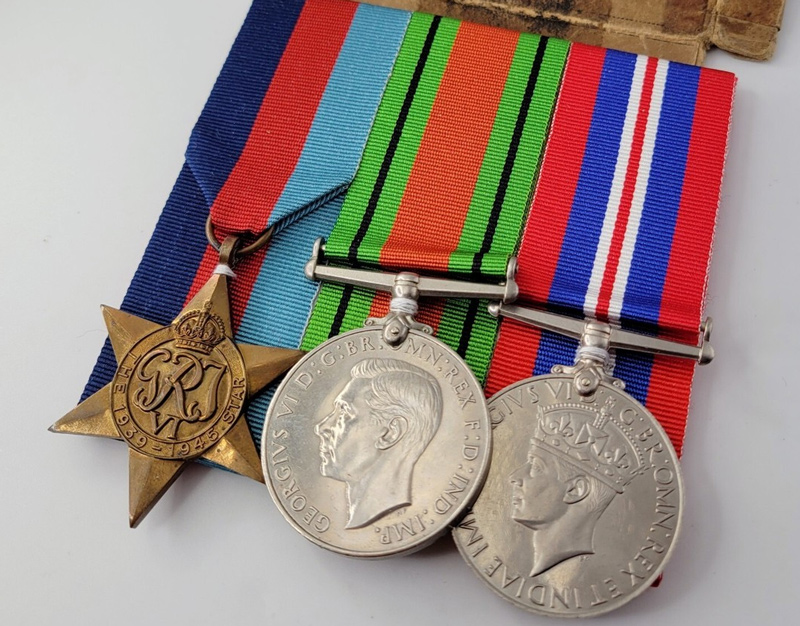
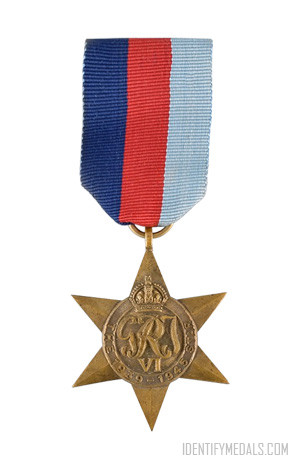
Service Period: Individuals awarded with a campaign medal needed to have served during a specific time frame associated with the campaign for which the medal was awarded. For example, the 1939-1945 Star required service between 3rd September 1939 and 2nd September 1945.

Operational Service: Eligibility often required active operational service in the designated theater of operations. This could involve direct participation in combat, support roles, or other duties contributing to the war effort.

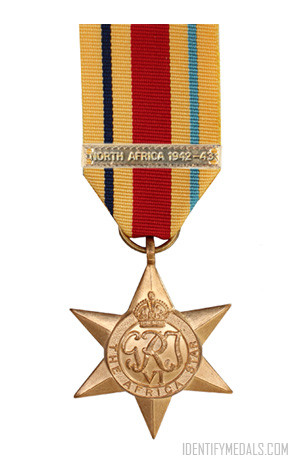
Location of Service: Some medals were awarded for service in specific geographical areas or campaigns. For instance, the Africa Star was awarded for operational service in North Africa.

Nationality: Campaign medals were generally awarded to members of the British Armed Forces, including personnel from the United Kingdom, Commonwealth nations, and allied forces.

Other Requirements: In addition to specific time frames and locations, individuals had to meet certain criteria related to the duration and nature of their service to qualify for the medal. In some cases, civilians who provided essential support or were directly involved in the war effort were also eligible for these medals.

UK WW2 Campaign Medals

Below is a clear and complete classification of all UK Second World War campaign and service medals, organised by type. Britain issued a defined group of medals for WWII, mainly between 1943–1946. I have used the categories Campaign Stars, Service Medals, and Special Operational Awards, although this is not the only way to separate them.

Campaign Stars (Operational Theatre Awards)

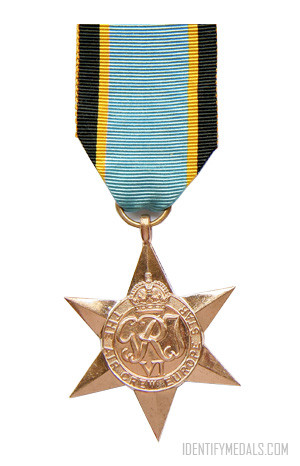
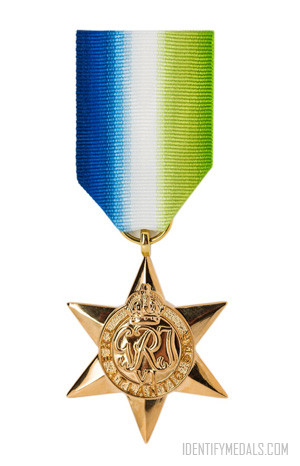
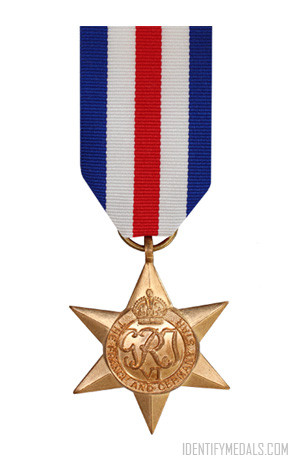
These are the main British campaign medals of the Second World War, awarded to personnel who served in particular combat theatres or operational areas during the conflict. Each Star represents service in a specific region or major campaign, such as North Africa, Italy, or the Atlantic. They are commonly known as “Stars” because of their distinctive six-pointed star design, which makes them easily recognisable among British wartime awards.

WW2 Medals and Awards: The Africa Star

The Africa Star

The Africa Star is a military campaign medal awarded to those who served in the Second World War specifically in North Africa. 

Read More »
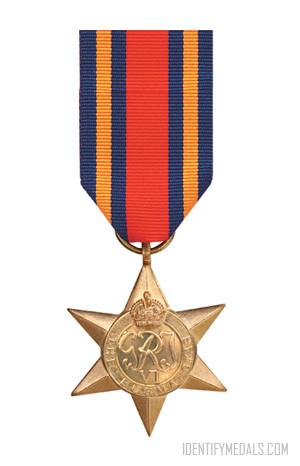
WW2 Medals and Awards: The Burma Star

The Burma Star

The Burma Star is a military campaign medal for award to subjects of the British Commonwealth who served in the Burma Campaign.

Read More »
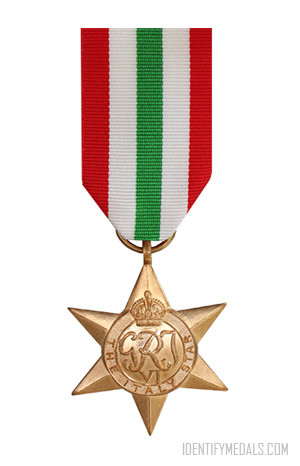
WW2 Medals and Awards: The Italy Star

The Italy Star

The Italy Star is a military campaign medal, instituted by the United Kingdom in May 1945 for service in the Italian Campaign 1943 to 1945.

Read More »
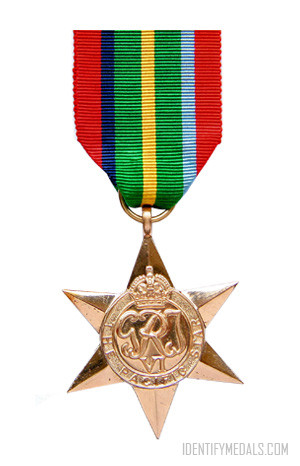
WW2 Medals and Awards: The Pacific Star

The Pacific Star

The Pacific Star is a British military campaign medal instituted by the United Kingdom in 1945 for those who served in the Pacific Campaign.

Read More »

2. Defence and War Service Medals (General WWII Service)

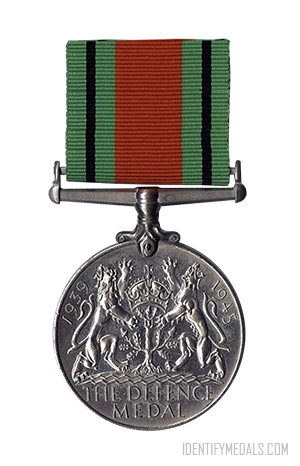
Unlike the Campaign Stars, which were awarded for service in specific combat theatres, the Defence Medal and the War Medal 1939–1945 recognised broader wartime service. These awards were issued to millions of personnel who contributed to the war effort both at home and overseas. They are often described as general service medals, because they were not limited to one particular campaign or battlefield.

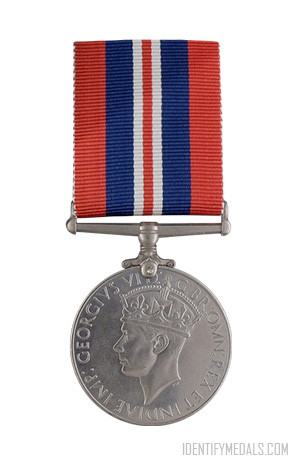
The War Medal 1939-1945 Obverse

The War Medal 1939-1945

The War Medal 1939–1945 is a British campaign medal instituted by the United Kingdom on 16 August 1945. The medal was awarded to subjects of the British Commonwealth who had served full-time.

Read More »

3. Special Campaign and Operational Medals

In addition to the main Campaign Stars and the general Defence and War Medals, Britain also recognised certain types of service that did not fit neatly into the standard campaign system. These are often referred to as special campaign or operational medals. These awards were created to acknowledge service in unique or extreme conditions, particular operational roles not fully covered by the original Stars, and groups whose contributions were overlooked at the time. Some of these medals were introduced long after WWII ended.

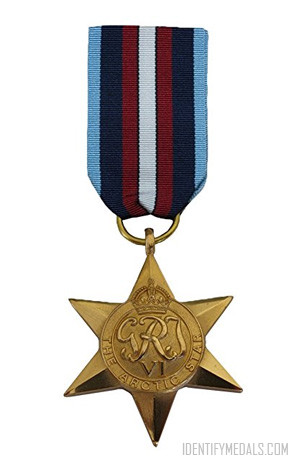
WW2 Medals and Awards: The Arctic Star

The Arctic Star

The Arctic Star is a military campaign medal which was instituted for service on the Arctic Convoys north of the Arctic Circle in WW2. 

Read More »

4. Merchant Navy and Civilian Operational Medals

Certain medals were specifically for civilians or merchant seamen.

  • Merchant Navy Star (sometimes classed separately) For Merchant Navy operational service.

  • King’s Medal for Courage in the Cause of Freedom. Civilian bravery linked to war service.

How to Apply for a WW2 Campaign Medal

To obtain a World War II campaign medal in the UK, you will first need to confirm your eligibility. This entails ensuring the applicant meet the specified criteria for the particular medal and campaign. You can check the requirements and initiate the process through the UK Government Page.

Once eligibility is established, applicants must gather all necessary documentation, such as service records, to support their claim. They then complete the appropriate application form, which can usually be found online or requested from relevant authorities.

After filling out the form, applicants submit it along with their supporting documents to the designated authority responsible for processing medal applications. Following the submission, applicants must await the processing of their application, which may take some time. Upon approval, the medal will be issued to the applicant or their authorized representative. 

More information:

Find a WW2 Campaign Medal Online

Right Now on eBay 
Clicking a link to eBay may result in a referral commission being paid if a purchase is made.
Loading...

How to Apply for a US Military Medal: Eligibility and Process

A step-by-step guide to determine if you or another person is entitled to a medal and how to apply for and receive it.

Military medals serve as tangible symbols of honor, valor, and sacrifice, representing the bravery and dedication of those who have served in the United States Armed Forces. But regardless of whether you are a veteran seeking to claim medals earned during your service or a family member seeking to honor a loved one’s military legacy, navigating the process of applying for military medals can sometimes be complex and daunting.

In this guide, I ll walk you through the step-by-step process of applying for US military medals, including tips and resources to help you successfully navigate the application process. From determining eligibility and gathering required documentation to submitting the application and following up on its status, we’ll cover everything you need to know to ensure a smooth and successful experience.

Who Can Apply for a US military Medal?

Any individual who has served in the United States Armed Forces, including the Army, Navy, Air Force, Marines, and Coast Guard, is eligible to apply for US military medals. Additionally, certain family members of deceased veterans or veterans unable to apply themselves may also be eligible to apply on their behalf. You can also request a replacement medal.

Generally, veterans themselves or their next of kin, such as surviving spouses, children, or parents, are the ones who typically apply for military medals. However, specific eligibility criteria may vary depending on the type of medal and the circumstances of the service member. 

How to Apply for a US Military Medal Step by Step

Receiving recognition for one’s military service through the award of a military medal is a significant honor, not only for the individual veteran but also for their family and loved ones. As we have mentioned, though, the process can seem a little daunting at fist. So here is a step-by-step guide on how to apply for a US military medal.

Step 1:

Gather The Necessary Information

The first thing you will need to do is collect the veteran’s full name, date of birth, service number or Social Security number, branch of service (Army, Navy, Air Force, Marines, Coast Guard), and dates of service (start and end dates).

You should try to obtain any available documentation related to the veteran’s military service, such as discharge papers (DD Form 214), military orders, awards citations, and other official records. The National Archives can help you request military service records online. This website also allows you to check the status of your request. Just remember that recent records won’t be online.

Step 2:

Determine Eligibility

The next step is to research the specific eligibility criteria for the military medal you wish to apply for. Eligibility may vary depending on factors such as the veteran’s branch of service, length of service, and the nature of their service (e.g., combat versus non-combat).

For example, the US Army has a thorough list of all service, campaign medals, and foreign awards that include detailed eligibility criteria.

You will need to ensure that the veteran meets all eligibility requirements before proceeding with the application.

Step 3:

Obtain Required Forms

Visit the official website of the branch of service or the Department of Defense to locate and download the appropriate application form for the desired military medal.

Each branch typically has its own designated form for requesting medals and awards, so be sure to use the correct form. Here’s a list of the different forces:

Step 4:

Fill Out the Application

  • Complete the application form accurately and thoroughly, providing all requested information. Use legible handwriting or type the information if submitting an electronic form.
  • Include details about the veteran’s service history, such as dates and locations of service, units or commands served with, and any relevant personal or contact information.

Step 5:

Provide Proof of Service

  • Gather supporting documentation to substantiate the veteran’s eligibility for the medal being requested. This may include copies of military orders, awards citations, performance evaluations, or other official records.
  • Ensure that all supporting documents are legible and clearly indicate the veteran’s name, service dates, and other pertinent details.

Step 6:

Submit the Application

  • Carefully review the completed application form and attached documents to ensure accuracy and completeness.
  • Follow the instructions provided on the application form or official website to submit the application to the appropriate address or military records repository.
  • Consider sending the application via certified mail or with delivery confirmation to ensure it is received and processed promptly.

Step 7:

Await Processing

  • Allow time for the military awards office to review and process the application. Processing times may vary depending on factors such as the volume of requests and the complexity of the veteran’s service record.
  • Be patient and avoid contacting the awards office for status updates unless a significant amount of time has passed without any communication.

Step 8:

Receive the Medal

  • Once the application is approved and processed, the military medal will be issued and mailed to the applicant’s provided address.
  • If the medal is being awarded posthumously or on behalf of a deceased veteran, it may be presented to the next of kin or designated recipient as specified on the application form.

How to Follow Up on a US Medal Application

If there are any delays or issues with the application, contact the appropriate military records office or point of contact for assistance. Provide any additional information or documentation requested by the awards office to facilitate the processing of the application.

Upon receiving the military medal, express gratitude for the honor and recognize the veteran’s service and sacrifice. You should display the medal with pride, either by wearing it on appropriate military attire during formal occasions or by presenting it in a display case or frame for commemoration and remembrance. 

Here are some additional resources that might come in handy:

The Medal of Sports (Egypt)

The Medal of Sports is an Egyptian decoration established in 1953 and awarded to the champions who win in international competitions.

The Medal of Sports (وسام الرياضة) is an Egyptian decoration established in 1953. 

It is bestowed upon individuals who render commendable services to the nation and to champions who excel in international competitions. Additionally, this accolade may be conferred upon sports teams, clubs, or similar institutions for their outstanding contributions to the field of sports.

The Sports Medal comprises three distinct classes, with each class tailored to the recipient based on the nature of their service and their social standing. These are:

  • Medal of Sports First Class
  • Medal of Sports Second Class
  • Medal of Sports Third Class

The Medal of Sports Design

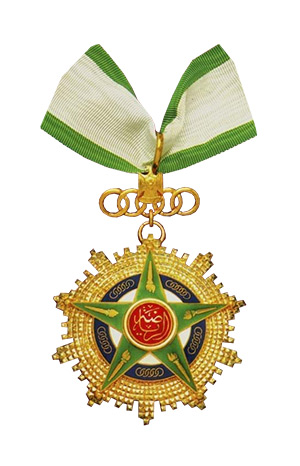
The Medal of Sports is crafted in the form of a five-pointed star adorned with vibrant green enamel, each point featuring the emblem of a blazing flame. These points are interconnected by a circular white enamel disc encircled by a blue enamel ring, upon which rests five interlocking circles symbolizing the Olympic games. Positioned at the heart of the star is a circular golden disc inscribed with the word “Sport” in Arabic above a crimson enamel backdrop.
The star is affixed atop a silver-gilded base, with radiant beams emanating from it. Suspended horizontally by a clip shaped like the overlapping Olympic rings, the Medal is awarded in multiple classes.
The First Class is worn suspended from a white silk ribbon with two green stripes around the neck, while both the First and Second Classes are worn on the left side of the chest using the same ribbon. Notably, the Second-Class medal is adorned with a Rosette for distinction.

The Medal of Work (Egypt)

The Medal of Work is an Egyptian decoration established in 1966 and granted to competent employees and distinguished individuals.

The Medal of Work (وسام العمل) is an Egyptian military order established in 1966 following the approval of the President of the Republic of Egypt under law no. 12/1972.

The decoration is conferred upon exceptional and proficient employees, as well as distinguished individuals, who demonstrate outstanding contributions to the advancement of the country in various fields such as production, industry, and economy, both in theory and practice.

The medal comprises four distinct classes, with each recipient receiving a corresponding remuneration determined by the class of the medal awarded:

  • First Class: LE 500
  • Second Class: LE 250
  • Third Class: LE 150
  • Fourth Class: LE 100

The Medal of Work Design

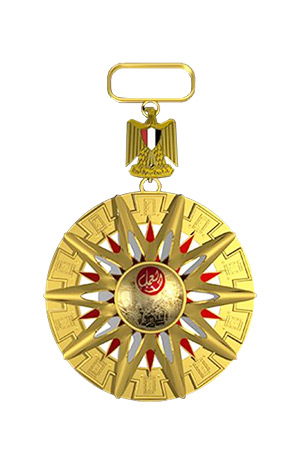
The design of the medal embodies the essence of labor.

Positioned at the center is a three-dimensional disc, with a circular inscription in Arabic spelling out the word “Work” at its zenith. Emitting from this central motif are beams of light, representing a spectrum of disciplines including science, art, knowledge, industry, agriculture, water resources, electricity generation, and nuclear research.