Desmond Doss: The First Conscientious Objector to Receive the Medal of Honor

Despite facing discrimination for his beliefs, Doss displayed extraordinary bravery and saved the lives of dozens of wounded soldiers.

Desmond Doss was an American Army medic who served during World War II. He gained widespread recognition for his remarkable bravery and adherence to his religious beliefs as a conscientious objector. Doss, a Seventh-day Adventist, refused to carry a weapon or harm another human being.

Despite facing skepticism and discrimination from his fellow soldiers, Doss remained steadfast in his commitment to serve his country as a medic. He voluntarily enlisted in the Army and was assigned to the 77th Infantry Division and, for his heroism and selflessness, Desmond Doss was awarded the Medal of Honor, the highest military decoration in the United States.

Who Was Desmond Doss?

Desmond Doss was born on February 7, 1919, in Lynchburg, Virginia, USA. He grew up in a devout Seventh-day Adventist family, deeply influenced by his parents’ strong Christian beliefs. From a young age, Doss was taught the principles of non-violence, compassion, and the sanctity of life, which would later shape his actions during his military service.

During his youth, Doss experienced the hardships of the Great Depression, which instilled in him a sense of duty to help others and serve his community. Despite facing financial struggles, Doss remained committed to his education and graduated from high school.

When World War II broke out, Doss felt a strong sense of patriotism and a desire to contribute to the war effort. However, as a devout Seventh-day Adventist and a conscientious objector, he refused to bear arms or participate in activities that went against his religious beliefs.

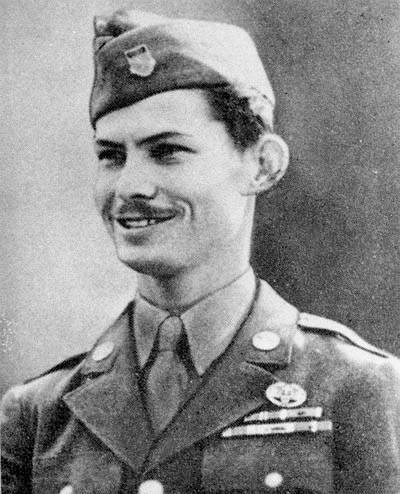
Doss, photographed prior to receiving the Medal of Honor in October 1945.
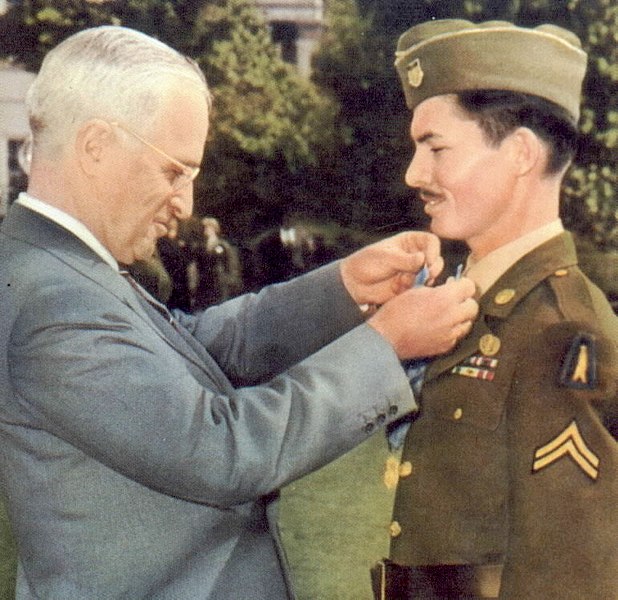
Desmond Doss, photographed prior to receiving the Medal of Honor in October 1945.

Doss Life as a Non-Combatant Medic in WW2

Despite facing skepticism and ridicule from his peers and superiors, Doss made the courageous decision to enlist in the U.S. Army in April 1942. He joined as a conscientious objector, expressing his willingness to serve as a non-combatant medic and adhere to his beliefs while still providing medical aid to his fellow soldiers.

As a non-combatant medic, Doss faced numerous challenges and obstacles. He endured harassment and discrimination from some of his fellow soldiers, who viewed his refusal to carry a weapon as a sign of weakness. However, Doss remained resolute in his convictions and refused to compromise his principles, even when pressured to do so by his superiors.

Throughout his service, Doss demonstrated exceptional courage and selflessness on the battlefield. He risked his own life countless times to rescue wounded soldiers, often under heavy enemy fire. His bravery and compassion earned him the respect and admiration of his comrades, many of whom had initially doubted his abilities.

Despite the dangers he faced, Doss never wavered in his commitment to saving lives and providing aid to those in need. He continued to serve as a medic until the end of the war, earning numerous awards and decorations for his bravery and devotion to duty.

Desmond Doss' Medals and Awards

Desmond Doss received several medals and decorations for his extraordinary bravery and selflessness as a medic during World War II. Among the honors he received are:

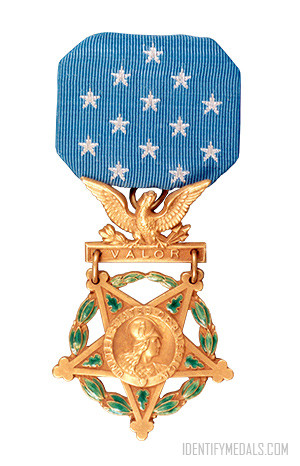
  1. Medal of Honor: Doss was awarded the Medal of Honor, the highest military decoration in the United States, for his heroic actions during the Battle of Okinawa. He became the first conscientious objector to receive this prestigious award. Doss’s citation for the Medal of Honor praised his “outstanding bravery and unflinching determination in the face of desperately dangerous conditions.”

  2. Bronze Star Medal: Doss was also awarded the Bronze Star Medal for his heroic achievement in a combat zone. The Bronze Star is awarded for acts of heroism, merit, or meritorious service in a combat zone.

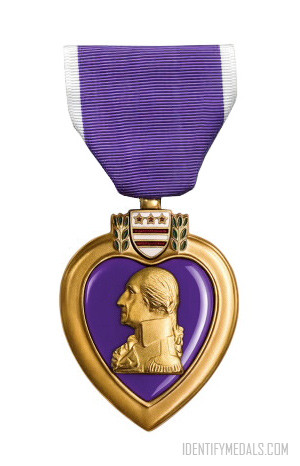
  3. Purple Heart: Doss received the Purple Heart, a military decoration awarded to members of the armed forces who are wounded or killed in action. He was wounded multiple times during his service as a medic, including during the Battle of Okinawa.

Citation: Private First Class Desmond T. Doss, United States Army, Medical Detachment, 307th Infantry, 77th Infantry Division. Near Urasoe-Mura, Okinawa, Ryukyu Islands, 29 April – 21 May 1945. He was a company aid man when the 1st Battalion assaulted a jagged escarpment 400 feet high. As our troops gained the summit, a heavy concentration of artillery, mortar and machinegun fire crashed into them, inflicting approximately 75 casualties and driving the others back. Private First Class Doss refused to seek cover and remained in the fire-swept area with the many stricken, carrying them one by one to the edge of the escarpment and there lowering them on a rope-supported litter down the face of a cliff to friendly hands. On 2 May, he exposed himself to heavy rifle and mortar fire in rescuing a wounded man 200 yards forward of the lines on the same escarpment; and two days later he treated four men who had been cut down while assaulting a strongly defended cave, advancing through a shower of grenades to within eight yards of enemy forces in a cave’s mouth, where he dressed his comrades’ wounds before making four separate trips under fire to evacuate them to safety. On 5 May, he unhesitatingly braved enemy shelling and small arms fire to assist an artillery officer. He applied bandages, moved his patient to a spot that offered protection from small-arms fire and, while artillery and mortar shells fell close by, painstakingly administered plasma. Later that day, when an American was severely wounded by fire from a cave, Private First Class Doss crawled to him where he had fallen 25 feet from the enemy position, rendered aid, and carried him 100 yards to safety while continually exposed to enemy fire. On 21 May, in a night attack on high ground near Shuri, he remained in exposed territory while the rest of his company took cover, fearlessly risking the chance that he would be mistaken for an infiltrating Japanese and giving aid to the injured until he was himself seriously wounded in the legs by the explosion of a grenade. Rather than call another aid man from cover, he cared for his own injuries and waited five hours before litter bearers reached him and started carrying him to cover. The trio was caught in an enemy tank attack and Private First Class Doss, seeing a more critically wounded man nearby, crawled off the litter and directed the bearers to give their first attention to the other man. Awaiting the litter bearers’ return, he was again struck, this time suffering a compound fracture of one arm. With magnificent fortitude he bound a rifle stock to his shattered arm as a splint and then crawled 300 yards over rough terrain to the aid station. Through his outstanding bravery and unflinching determination in the face of desperately dangerous conditions Private First Class Doss saved the lives of many soldiers. His name became a symbol throughout the 77th Infantry Division for outstanding gallantry far above and beyond the call of duty.

October 12, 1945
THE WHITE HOUSE

American Medals and Awards: The Medal of Honor (Army Version)

The U.S. Medal of Honor

The Medal of Honor is the United States of America’s most prestigious personal military decoration, awarded for acts of valor.
All of Doss' Medals

The Purple Heart - American Military Medals & Awards

The Purple Heart

The Purple Heart is a military decoration from the United States awarded to those wounded or killed while serving with the U.S. military.
American Medals and Awards: The Medal of Honor (Army Version)

The U.S. Medal of Honor

The Medal of Honor is the United States of America’s most prestigious personal military decoration, awarded for acts of valor.
The complete list is:

  • Combat Medical Badge
  • Medal of Honor Bronze Star Medal with 1 oak leaf cluster
  • Purple Heart with 2 oak leaf clusters
  • Good Conduct Medal
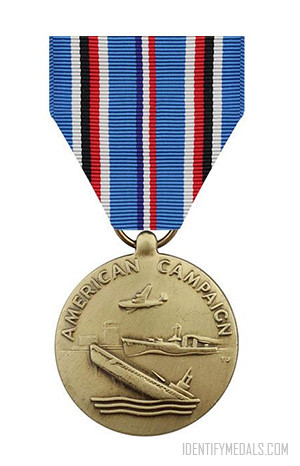
  • American Campaign Medal
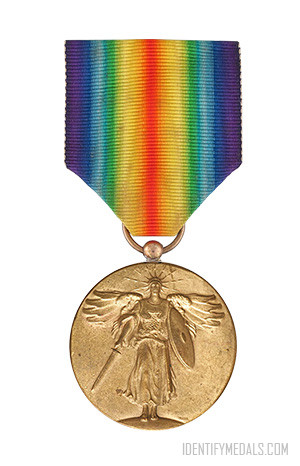
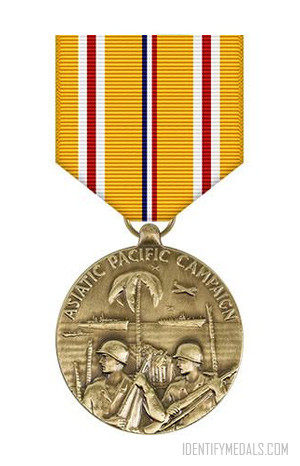
  • Asiatic–Pacific Campaign Medal with arrowhead device and 3 3⁄16″ bronze stars
  • World War II Victory Medal
  • Philippine Liberation Medal with 1 3⁄16″ bronze service star
  • Army Presidential Unit Citation Meritorious Unit Commendation
  • 77th Infantry Division SSI

Doss’s decision to join the war was driven by his deep-seated beliefs in pacifism, compassion, and service to others. His unwavering commitment to his principles, even in the face of adversity, would later earn him the admiration and respect of people around the world.

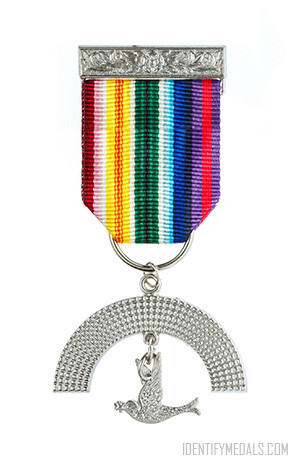
The Royal Ark Mariner Jewel

The Royal Ark Mariner Jewel is a decoration of the Royal Ark Mariner degree, an appendant Masonic degree associated with the Mark Masonry.

The Royal Ark Mariner Jewel is a decoration of the Royal Ark Mariner degree, an appendant Masonic degree associated with the Mark Masonry.

The degree is conferred in some Masonic jurisdictions around the world and is sometimes administered by a separate Grand Lodge or Grand Mark Lodge.

The degree centers around the story of Noah’s Ark and the biblical flood. Members of the Royal Ark Mariner degree are often referred to as “Ark Mariners.” The degree emphasizes themes of preparation, preservation, and providence, drawing from the biblical narrative of Noah and his ark.

Membership in the Royal Ark Mariner degree is typically open to Master Masons who have already received the Mark Master Mason degree. It offers members an opportunity for further Masonic education and personal growth, while also fostering fellowship and camaraderie among its members.

The Royal Ark Mariner Jewel Design

The Royal Ark Mariner Jewel design is rich in symbolism and craftsmanship. 

One distinctive element of the Royal Ark Mariner Jewel is the use of a rainbow-colored ribbon, symbolizing the story of Noah and the Ark, a tradition that has been maintained for centuries.

Additionally, the jewel tends to include symbols like a dove holding an olive branch, further emphasizing the Masonic symbolism associated with this degree.

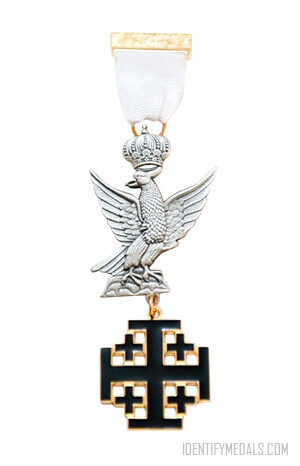
The Red Cross of Constantine Past Commanders Jewel

The Red Cross of Constantine Past Commanders Jewel is a decoration of the Christian fraternal order of Freemasonry.

The Red Cross of Constantine Jewel is a decoration of the Christian fraternal order of Freemasonry. Aspirants to the order are required to hold membership in Craft Freemasonry (lodge) and Royal Arch Freemasonry (chapter). Additionally, they must profess adherence to the Christian faith and affirm their belief in the Christian doctrine of the Holy Trinity.

The Masonic and Military Order of the Red Cross of Constantine comprises a three-degree Order of Masonry, and with its “Appendant Orders,” a total of five degrees are granted within this framework.

The Red Cross of Constantine bestows the title of Past Commander upon individuals who have previously served as Commanders within its ranks. This designation is a mark of honor and recognition for their dedication, leadership, and contributions to the order.

Past Commanders within the Red Cross of Constantine play a vital role in the organization’s activities and rituals. They bring a wealth of experience and knowledge to the table, guiding and mentoring newer members while upholding the traditions and values of the order. These esteemed individuals often continue to actively participate in the affairs of the Red Cross of Constantine, offering their expertise and support to ensure the continued success and prosperity of the order. 

The Red Cross of Constantine Past Commanders Jewel Design

For centuries, Freemasonry has integrated symbols and ceremonies from various Medieval military orders into its Masonic organizations. Among these is the notable Red Cross of Constantine, which is inspired by the Military Constantinian Order.

The insignia for the Red Cross of Constantine features a red cross pattée (a cross with arms that narrow towards the center) surrounded by a golden wreath or border. The Past Commander Jewel is instead black, with a bird suspension and a white ribbon.

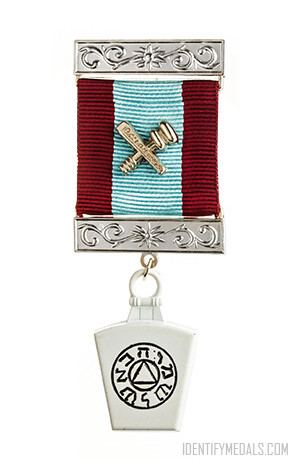
The Mark Master Masons Jewel

The Mark Master Masons Jewel is a decoration used to attend the lodge meetings. A symbol of Masonic honor, it symbolizes dedication.

The Mark Master Masons Jewel is a decoration used to attend the lodge meetings. A symbol of Masonic honor, it symbolizes dedication.

The Grand Lodge of Mark Master Masons, commonly referred to as the Mark Degree, is a distinct Masonic body that focuses on the teachings and symbolism associated with the biblical character of Mark Master Masons. It is considered one of the appendant bodies within Freemasonry, meaning it operates alongside regular Masonic lodges but requires Masonic membership for admission.

The Mark Degree emphasizes the themes of craftsmanship, dedication, and personal improvement, drawing from the story of the construction of King Solomon’s Temple as described in the Bible. Mark Master Masonry is centered around the symbolic portrayal of the skilled stonemasons who marked their work with their unique mark or symbol.

The Mark Master Masons Jewel Design

The pendant is marked “K.S.H.T.W.S.S.T.” for “Hiram The Widow’s Son Sent To King Solomon“.

In 1 Kings 7:13–14, Hiram is depicted as the offspring of a widow from the tribe of Naphtali, his father being a skilled bronze worker from Tyre. Solomon summoned him to fashion the bronze furnishings and intricate embellishments for the construction of the new temple. Freemasons frequently allude to Hiram (sometimes with the appended Abiff) as “the widow’s son,” drawing from this narrative. Hiram cast these bronze items in clay molds situated in the Jordan valley, between Succoth and Zarethan/Zeredathah (1 Kings 7:46–47). 

The ribbon is turquoise and red.

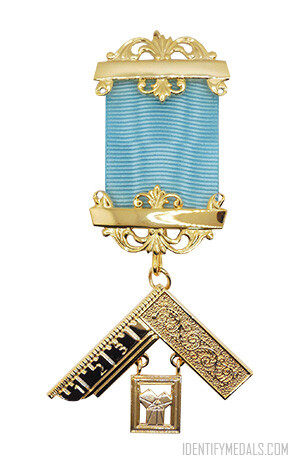
The Masonic Craft Past Masters Jewel

The Masonic Craft Past Masters Jewel is a decoration that signifies leadership and accomplishment among Freemasons.

The Masonic Craft Past Masters Jewel is a decoration that signifies leadership and accomplishment among Freemasons.

In Freemasonry, a Past Master refers to an individual who has previously served as the Worshipful Master of a Masonic Lodge. The title “Worshipful Master” is the formal designation for the presiding officer of a Masonic Lodge during their term of office. Once a Worshipful Master completes their tenure, they are referred to as a Past Master.

A Masonic Craft Past Master, therefore, is a Freemason who has held the position of Worshipful Master in a Masonic Craft Lodge. Past Masters often play important roles within their lodges and the broader Masonic community, providing guidance, wisdom, and leadership based on their experience in the chair. They may also participate in Masonic rituals and ceremonies, offering their knowledge and expertise to support the lodge and its members.

The Masonic Craft Past Masters Jewel Design

The jewel’s crest is made of metal gilt. It consists of the Square, the Compasses, and an Arc of a Circle in Scotland, the Square and Compasses with the capital ‘G’ in the center in Ireland, and in England, it has been the Square with the 47th Proposition of Euclid pendent within it. The shape of this jewel varies slightly depending on the region, but it commonly includes these symbolic elements.

The light blue or turquoise ribbon that accompanies the jewel is significant as well, as the color is one of the primary colors associated with Freemasonry. It represents the virtues of friendship, fidelity, and truth, which are central to the Masonic ethos.

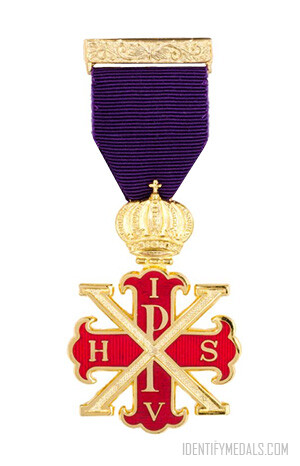
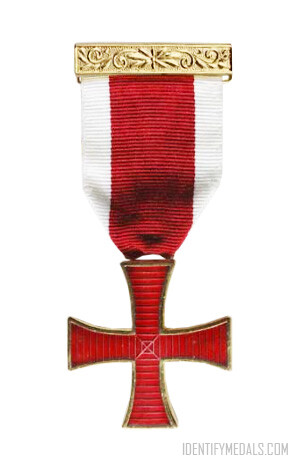
The Red Cross of Constantine Jewel

The Red Cross of Constantine Jewel is a decoration of the Christian fraternal order of Freemasonry. Members must be of Christian religion.

The Red Cross of Constantine Jewel is a decoration of the Christian fraternal order of Freemasonry. Aspirants to the order are required to hold membership in Craft Freemasonry (lodge) and Royal Arch Freemasonry (chapter). Additionally, they must profess adherence to the Christian faith and affirm their belief in the Christian doctrine of the Holy Trinity.

The Masonic and Military Order of the Red Cross of Constantine comprises a three-degree Order of Masonry, and with its “Appendant Orders,” a total of five degrees are granted within this framework.

Attainment of the title “Knight of the Red Cross of Constantine” marks entry into the Order’s initial degree. Subsequently, two additional degrees are conferred, along with two other separate Masonic Orders, both characterized by their Christian nature, overseen by each national or regional Grand Imperial Conclave of the Order.

The Knight-Mason ceremony is short and simple, but focuses on teaching valuable moral lessons to the candidate. These lessons are based upon the story of the Roman Emperor Constantine the Great and the Battle of the Milvian Bridge.

The Red Cross of Constantine Jewel Design

For centuries, Freemasonry has integrated symbols and ceremonies from various Medieval military orders into its Masonic organizations. Among these is the notable Red Cross of Constantine, which is inspired by the Military Constantinian Order.

The insignia for the Red Cross of Constantine features a red cross pattée (a cross with arms that narrow towards the center) surrounded by a golden wreath or border. This symbolizes the connection to the historical figure Constantine the Great, who is said to have had a vision of a red cross before a decisive battle.

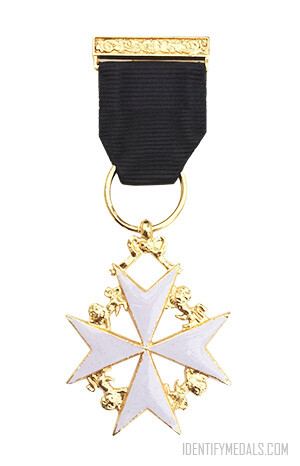
The Masonic Knights of Malta Jewel

The Knights of Malta Jewel is a decoration of one of the highest and most illustrious orders in Freemasonry, the Knights of Malta.

The Knights of Malta Jewel is a decoration of one of the highest and most illustrious orders in Freemasonry, the Knights of Malta

During the 11th century, the inception of the original Knights of Malta order aimed to ensure the safe journey and administer medical aid to Christian pilgrims.

In Masonic context, the Malta Degree is bestowed upon Candidates who have previously been Installed as Knights Templar. Although the regalia and ceremonial proceedings differ significantly from those of Knights Templar Freemasonry, it does not constitute a distinct governing body; rather, it serves as a progressive Degree within the Knights Templar Order. 

The Masonic ritual for the Installation of a Knight of Malta is richly ceremonial and punctuated with moments of drama and historical narrative. For instance, the ceremony commemorates the journey of the Knights Hospitaller from their origins in Jerusalem to their eventual settlement on the Island of Malta in 1522, following their passage through Palestine and Rhodes. 

The Masonic Knights of Malta Jewel Design

The Order’s jewel is a Maltese Cross similar to that of the Sovereign Military Order of Malta. On the obverse, the cross is adorned with white enamel and gold details. The ribbon is black.

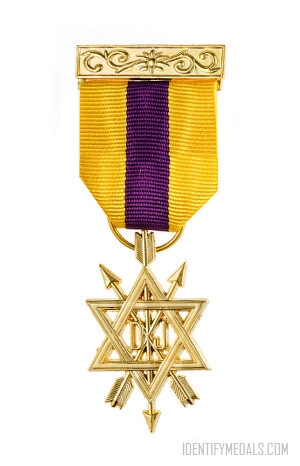
The Order of Secret Monitor Jewel

The Order of Secret Monitor Jewel is a decoration of the Brotherhood of David and Jonathan, a fraternal organization within Freemasonry.

The Order of Secret Monitor Jewel is a decoration of the Brotherhood of David and Jonathan, a fraternal organization within Freemasonry.

The Order of the Secret Monitor is based on the biblical story of the friendship between David, the future king of Israel, and Jonathan, the son of King Saul. In Freemasonry, this story is interpreted as a symbol of fidelity, loyalty, and brotherly love.

This is a Society framed upon the principles of self sacrifice; of mutual trust, watchful Brotherly care; of warning in time of danger; solace in time of sorrow; and skillful and effective friendly advice in every circumstance of life: A Society that meets a great and crying need in human affairs and is calculated to benefit those who act up to its tenets.

The primary aim of the Order of the Secret Monitor is to promote these values among its members and within the broader community. It does so through ritual ceremonies, lectures, and discussions that explore the themes of friendship, loyalty, and mutual support.

Membership in the Order of the Secret Monitor is open to Master Masons who are in good standing with their respective lodges. The organization is structured into individual units called Conclaves, each led by a Supreme Ruler. 

The Order consists of three Degrees:

  • Induction ceremony
  • Princes or admission Degree
  • Third Degree, during which a Brother is Installed as the Supreme Ruler of his Conclave.

The Order of Secret Monitor Jewel Design

The Order’s jewel is suspended from a collar of yellow and violet hues and a sash of matching colors.

The Supreme Ruler’s rank, along with the name and number of the Conclave, is embroidered in silver wire.

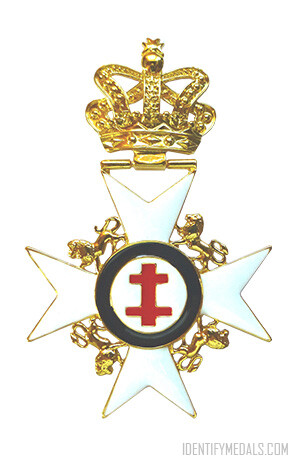
The Masonic Knights Templar Past Preceptor Jewel

The Masonic Knights Templar Past Preceptor Jewel is a distinctive emblem worn by members of the Knights Templar, within Freemasonry.

The Masonic Knight Templar Past Preceptor Jewel holds a distinguished significance within the Knights Templar, a chivalric order within Freemasonry. As a mark of honor and recognition, this emblem is bestowed upon those who have served with dedication and distinction as Preceptors within the Knights Templar.

The Knights Templar, formally known as The United Religious, Military, and Masonic Orders of the Temple and of St John of Jerusalem, Palestine, Rhodes, and Malta, is a fraternal organization associated with Freemasonry. Membership in the Knights Templar and several other Masonic Orders is restricted to Freemasons who profess faith in Christianity. As part of their obligations upon entry into the order, individuals are required to pledge to safeguard and uphold the Christian faith. 

For those who have served as Preceptors within the Knights Templar, the Past Preceptor jewel serves as a tangible reminder of their commitment to the principles of the order and their contributions to its mission. 

The Masonic Knights Templar Past Preceptor Jewel Design

The jewel is shaped like a Maltese Cross, the symbol of the Order of Malta.

The emblem incorporates white, black, and red hard enamel to highlight a crimson preceptor’s cross encircled by a black ring and white enamel. This enamel arrangement is enhanced by gold plating.

The Masonic Knights Templar Breast Jewel

The Knights Templar Breast Jewel is a distinctive emblem worn by members of the Knights Templar, a chivalric order within Freemasonry.

The Masonic Knights Templar Breast Jewel is a distinctive emblem worn by members of the Knights Templar, a chivalric order within Freemasonry. The jewel typically consists of a cross pattée (a type of cross with arms that narrow towards the center), often adorned with various symbols and designs that hold specific significance within the Knights Templar tradition.

The Knights Templar Breast Jewel is worn as a mark of membership and distinction within the Knights Templar order. It is typically worn suspended from a ribbon or chain around the neck, or pinned to the wearer’s clothing during Masonic ceremonies and events.

In addition to serving as a symbol of membership, the Knights Templar Breast Jewel carries with it the rich symbolism and tradition of the Knights Templar, including concepts of honor, duty, and service that are central to the ideals of chivalry and Freemasonry.

The Masonic Knights Templar Breast Jewel Design

At the center of the cross, there is a symbol representing the Knights Templar: Typically, a red cross potent or a crown.

Surrounding this central emblem, the cross may feature additional symbols such as swords, crowns, helmets, or other medieval motifs associated with chivalry and knighthood. For example, the Knights Templar Preceptory Centenary Breast Jewels also induce the Preceptory Name, number, and years of consecration on the obverse, as well as the word centenary on the enamelled bar.