
Top 10 Flying Aces of the United States During World War II

Flying aces are military aviators recognized for downing a minimum of five enemy aircraft. These are the top USA aces.

During World War II, the United States produced a significant number of flying aces, skilled pilots who distinguished themselves by shooting down numerous enemy aircraft in aerial combat. These aces played a crucial role in the air war over Europe and the Pacific, contributing to the Allies’ victory.

One of the most famous American flying aces of World War II was Richard Bong, who became the highest-scoring American ace of all time. Flying P-38 Lightning aircraft in the Pacific Theater, Bong shot down 40 Japanese aircraft, making him a legend in the annals of military aviation. Another notable American ace was Francis “Gabby” Gabreski, who flew P-47 Thunderbolts and P-51 Mustangs in both the European and Pacific Theaters. Gabreski scored 28 aerial victories, becoming one of the top American aces of the war.

These flying aces, along with many others, demonstrated exceptional skill, courage, and determination in combat, contributing significantly to the success of Allied air operations during World War II. Their exploits continue to be celebrated as a testament to the bravery and heroism of those who served in the skies during the war.

What is a Flying Ace, and How Many Does the USA Have?

A fighting ace, flying ace or air ace is a military aviator who has achieved a certain number of aerial victories in combat. The specific criteria for being designated as a flying ace vary by country and era, but typically, a pilot must shoot down a certain number of enemy aircraft to earn this title. During World War I, for example, most countries considered a pilot with five or more confirmed aerial victories to be a flying ace.

In the United States, the term “flying ace” generally refers to pilots who achieved this distinction during World War I and World War II, although it can also apply to pilots from other conflicts.

During World War II, the United States had numerous flying aces who achieved significant kill scores. We don’t have exact numbers, but estimates indicate that there were around 1,439 aces in total across all participating countries during the war.

Top 10 Flying Aces of the United States

Below is the list of the top aces from the United States that fought during World War II. When possible, I’ve also included some of the distinctions they received. The score shown is based on that shown by the American Fighter Aces Association

#1 - Richard "Dick" Ira Bong

Score: 40

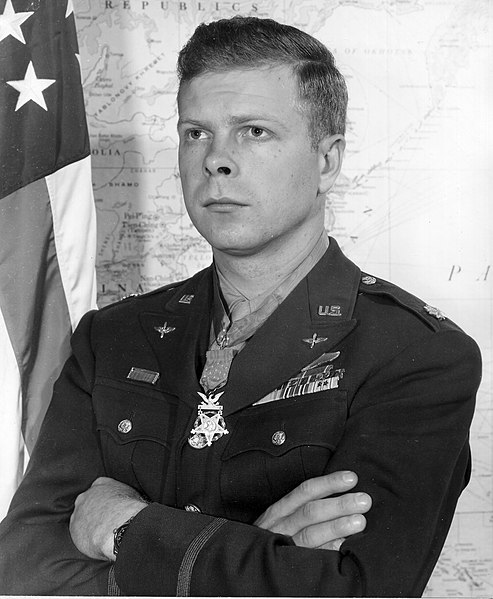
Richard "Dick" Ira Bong (September 24, 1920 – August 6, 1945)
Major Bong c. 1945.
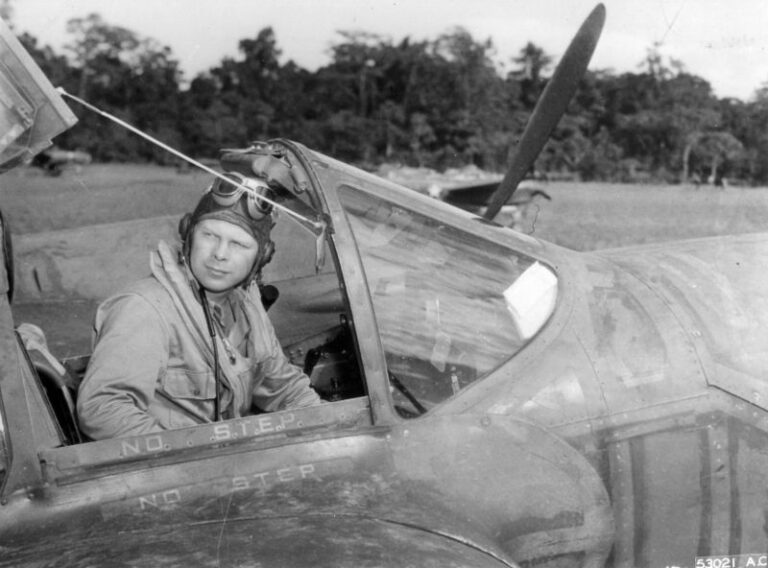
Major Bong in his P-38
Major Bong in his P-38.

Richard “Dick” Ira Bong was one of the most celebrated American flying aces of World War II. Born on September 24, 1920, in Superior, Wisconsin, Bong demonstrated an early interest in aviation, earning his pilot’s license before he even graduated from high school. He enlisted in the United States Army Air Forces (USAAF) in 1941, shortly before the United States entered World War II.

Bong trained as a pilot and was eventually assigned to the Pacific theater, where he flew the Lockheed P-38 Lightning, a twin-engine fighter aircraft. He quickly distinguished himself as a skilled and fearless pilot, known for his precise marksmanship and aggressive tactics in aerial combat.

Bong’s combat career reached its peak during his service in the Southwest Pacific Theater, particularly in the defense of New Guinea and the Philippines. Flying his P-38 named “Marge,” Bong shot down a remarkable total of 40 Japanese aircraft, making him the top American fighter ace of World War II. His tally of aerial victories earned him numerous awards and accolades, including the Medal of Honor, the United States’ highest military decoration.

Medals and Awards

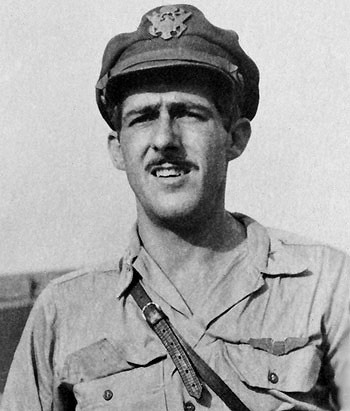
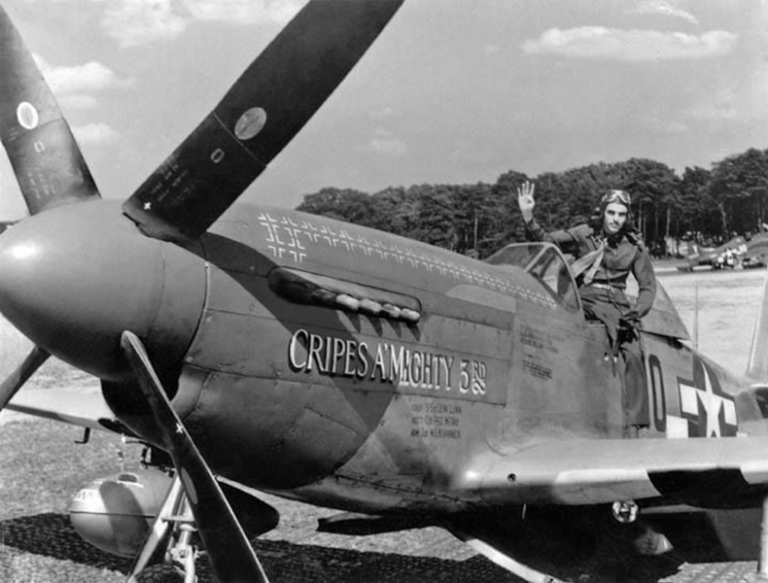
#2 - Thomas "Tommy" Buchanan McGuire Jr.

Score: 38

Thomas Buchanan McGuire
Thomas Buchanan McGuire Jr. (August 1, 1920 – January 7, 1945)
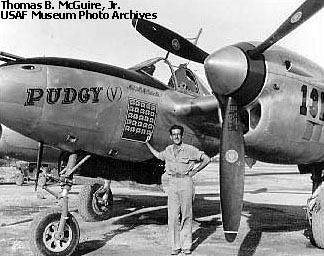
Major McGuire, commander of the 431st Fighter Squadron, next to his P-38L Pudgy (V) in 1944.

Thomas Buchanan McGuire Jr., known as Tommy McGuire, was an American fighter pilot and flying ace during World War II. Born on August 1, 1920, in Ridgewood, New Jersey, McGuire demonstrated an early passion for aviation. He attended the United States Military Academy at West Point and graduated in 1941.

After completing flight training, McGuire joined the United States Army Air Forces (USAAF) and was eventually assigned to the Pacific Theater of Operations. He flew the Lockheed P-38 Lightning, a twin-engine fighter known for its speed and firepower.

McGuire quickly gained a reputation as an exceptional pilot and marksman. He engaged in numerous aerial combat missions, primarily in the Southwest Pacific, where he participated in the defense of New Guinea and the Philippines.

McGuire’s combat prowess was highlighted by his extraordinary success in air-to-air combat. He became one of the top American aces of World War II, credited with shooting down 38 enemy aircraft. His achievements earned him the distinction of being the second-highest scoring American ace of the war, behind Richard Bong.

Despite his remarkable success, McGuire’s combat career was tragically cut short. On January 7, 1945, during a mission over the Philippines, his P-38 developed engine trouble. Rather than bailing out and risking the aircraft crashing into a populated area, McGuire chose to attempt a risky landing. Tragically, his aircraft crashed, and McGuire was killed instantly. He was posthumously awarded the Medal of Honor for his extraordinary heroism and self-sacrifice.

Medals and Awards

#3 - Francis Stanley "Gabby" Gabreski

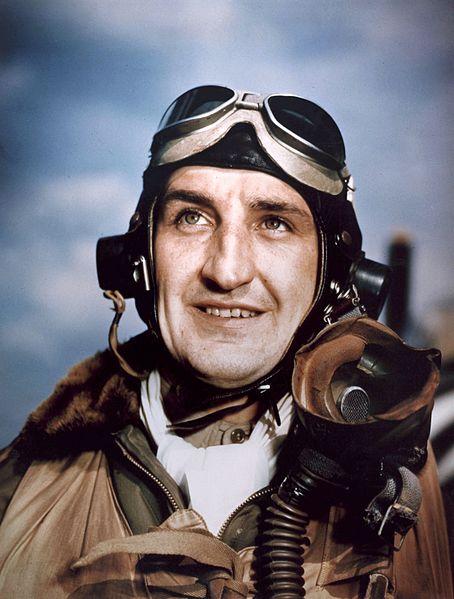
Score: 34.5

Francis Stanley "Gabby" Gabreski
Francis Stanley "Gabby" Gabreski in his pilot suit.
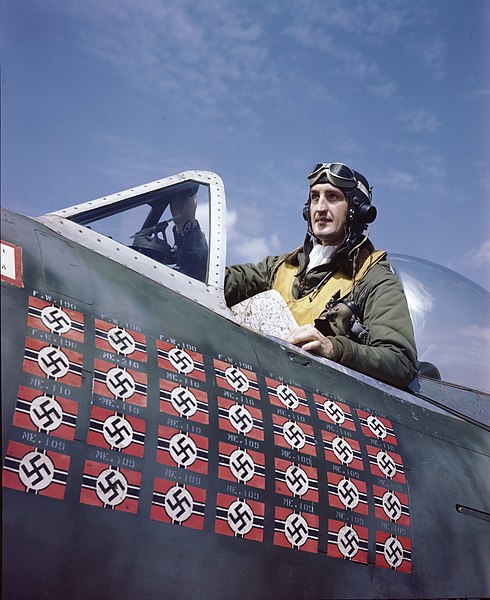
Gabreski in the cockpit of his P-47 after his 28th victory
Gabreski in the cockpit of his P-47 after his 28th victory.

Francis Stanley “Gabby” Gabreski was one of the most renowned American fighter pilots of World War II and the Korean War. Born on January 28, 1919, in Oil City, Pennsylvania, Gabreski developed a passion for aviation at a young age. He attended Notre Dame University for a year before enlisting in the United States Army Air Corps in 1940.

During World War II, Gabreski flew P-47 Thunderbolts in the European Theater of Operations, primarily with the 56th Fighter Group. He quickly established himself as an exceptional pilot, earning a reputation for his aggressive flying style and marksmanship.

Gabreski became one of America’s leading aces of the war, credited with shooting down 28 enemy aircraft. He achieved this remarkable feat despite enduring his share of challenges, including being shot down himself and evading capture by German forces for several months.

In addition to his combat success, Gabreski’s leadership qualities were highly regarded. He eventually rose to the rank of colonel and commanded the 61st Fighter Squadron, where he continued to inspire his fellow pilots with his courage and determination.

After World War II, Gabreski remained in the military and transitioned to jet aircraft during the Korean War. He flew the F-86 Sabre and added six more aerial victories to his tally, making him one of the few pilots to achieve ace status in both World War II and the Korean War.

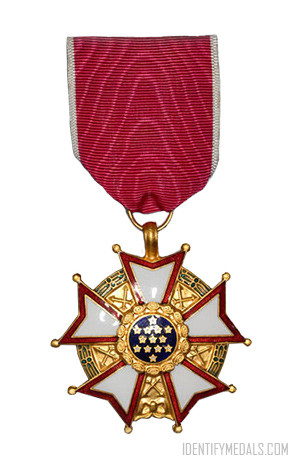
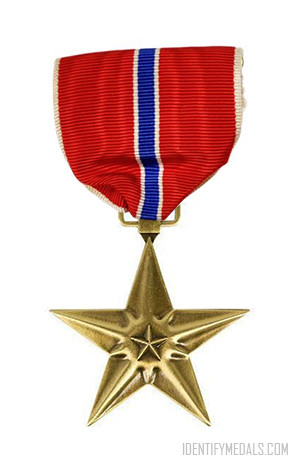
Medals and Awards

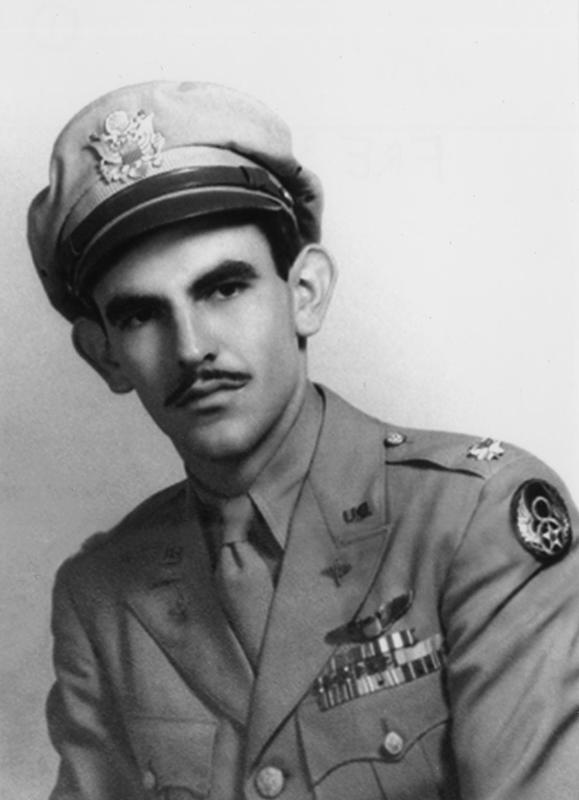
#4 - Captain David McCampbell

Score: 34

Captain David McCampbell (January 16, 1910 – June 30, 1996)
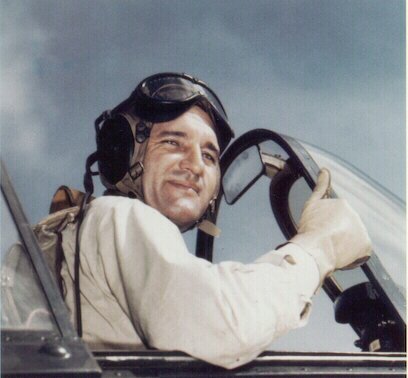
David McCampbell in the cockpit c. 1943.
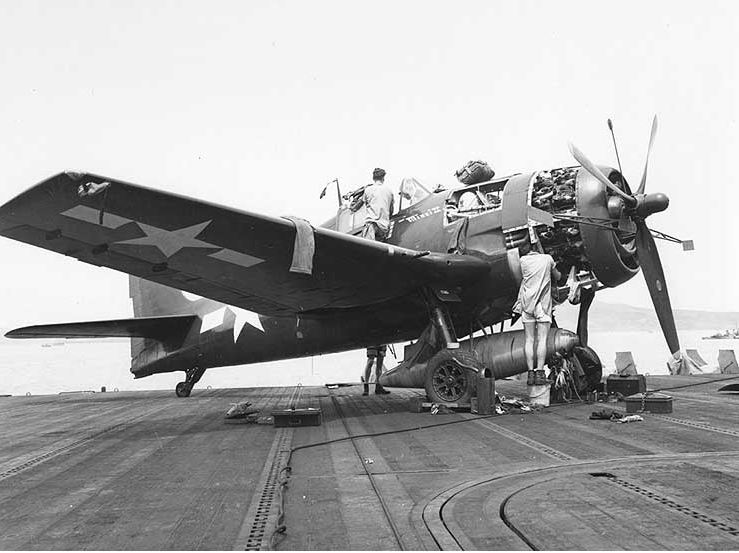
McCampbell's F6F-5 Hellcat fighter on board the aircraft carrier USS Essex 30 July 1944
McCampbell's F6F-5 Hellcat fighter on board the aircraft carrier USS Essex 30 July 1944.

David McCampbell was an American naval aviator and fighter pilot who distinguished himself as one of the top flying aces of World War II. Born on January 16, 1910, in Bessemer, Alabama, McCampbell developed a passion for aviation at an early age. He attended the United States Naval Academy and graduated in 1933.

During World War II, McCampbell served as a fighter pilot in the Pacific Theater of Operations. He initially flew Grumman F4F Wildcats with Fighting Squadron 15 (VF-15) aboard the aircraft carrier USS Essex. McCampbell quickly established himself as an exceptional pilot and leader, earning the respect of his fellow aviators.

McCampbell’s combat prowess became evident during the Battle of the Philippine Sea in June 1944, also known as the “Great Marianas Turkey Shoot.” On June 19, McCampbell led a group of F6F Hellcat fighters from VF-15 in an engagement against Japanese aircraft. In the span of nine minutes, he shot down seven enemy planes, an extraordinary feat that earned him the Medal of Honor, the highest military decoration awarded by the United States.

Throughout the war, McCampbell continued to excel in aerial combat, amassing a total of 34 confirmed aerial victories, making him the U.S. Navy’s all-time leading ace.

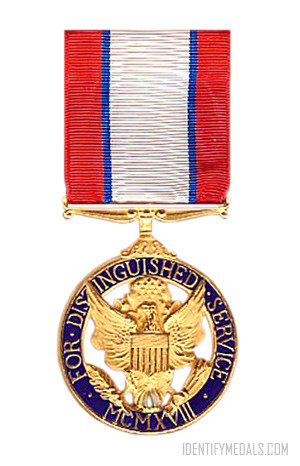
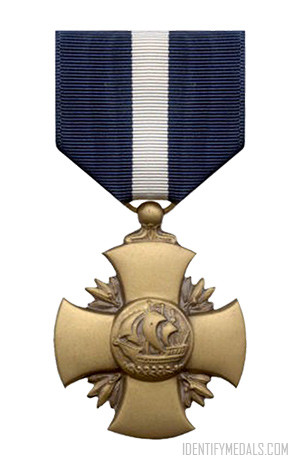
Medals and Awards

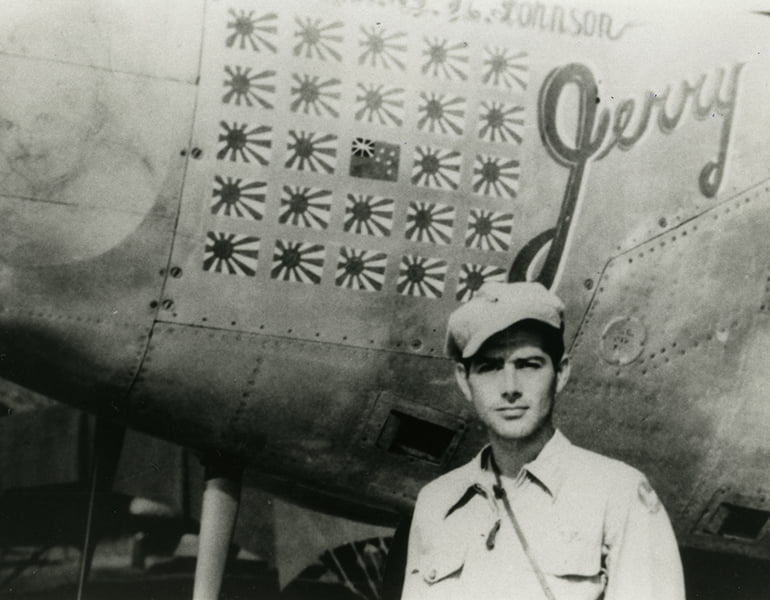
#5: Robert Samuel Johnson

Score: 27

Robert Samuel Johnson (February 21, 1920 – December 27, 1998)
Robert Samuel Johnson. Photo received 22 May 1944 from Signal Corps, released to public 26 May 1945.
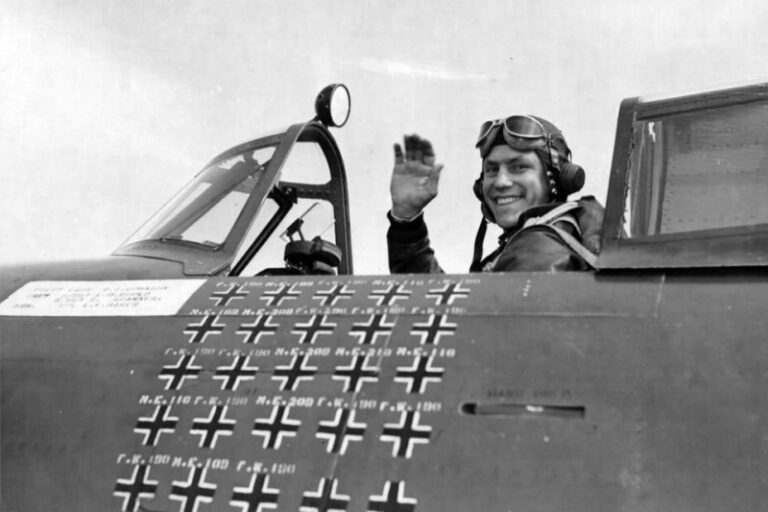
Johnson being greeted by crew chief Pappy Gould on return from a mission in March 1944
Johnson being greeted by crew chief Pappy Gould on return from a mission in March.

Robert Samuel Johnson, commonly known as “Bob” Johnson, was an esteemed American fighter pilot and flying ace during World War II. Born on February 21, 1920, in Lawton, Oklahoma, Johnson developed a passion for aviation from an early age. He attended the United States Military Academy at West Point and graduated in 1942.

During World War II, Johnson joined the U.S. Army Air Forces and became a pilot, flying the P-47 Thunderbolt fighter aircraft. He was assigned to the 61st Fighter Squadron, 56th Fighter Group, known as the “Zemke’s Wolfpack,” named after their legendary leader, Hubert “Hub” Zemke.

Johnson quickly demonstrated exceptional skill and bravery in aerial combat. He became known for his aggressive tactics and tenacity in engaging enemy aircraft. His combat record speaks volumes about his proficiency as a fighter pilot.

One of Johnson’s most notable engagements occurred on January 27, 1944, during a mission over Germany. In a single day, he shot down four German fighters, becoming an ace in a matter of minutes. Over the course of his combat career, Johnson achieved a total of 27 confirmed aerial victories, making him one of the top American aces of World War II.

Johnson’s leadership qualities and combat prowess earned him the respect of his fellow pilots and superiors. He was known for his cool demeanor under fire and his willingness to mentor younger pilots.

After the war, Johnson continued to serve in the U.S. Air Force, holding various command and staff positions. He retired as a colonel in 1966 but remained active in aviation circles, sharing his experiences and insights with future generations of pilots.

Medals and Awards

#6: Colonel Charles Henry "Mac" MacDonald

Score: 27

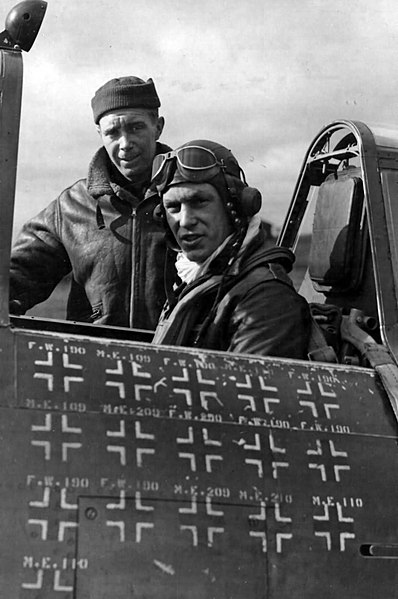
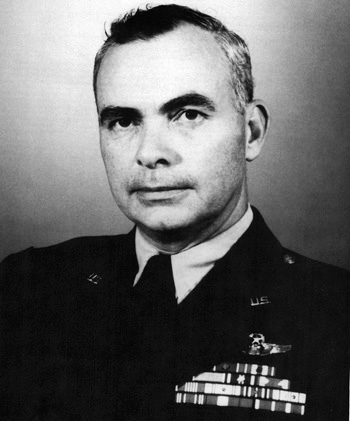
Col. Charles H. MacDonald
Col. Charles H. MacDonald.
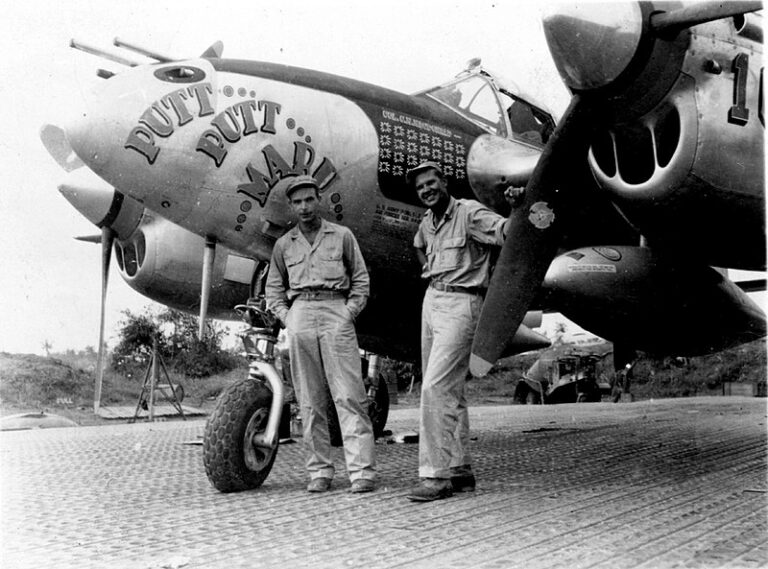
MacDonald and Al Nelson in the Pacific with MacDonald's P-38J Lightning "Putt Putt Maru".

Colonel Charles Henry “Mac” MacDonald was an American fighter pilot and flying ace who distinguished himself during World War II. Born on July 6, 1915, in Pittsfield, Massachusetts, MacDonald developed an early interest in aviation and enlisted in the U.S. Army Air Corps in 1939.

During World War II, MacDonald served as a pilot in the European Theater of Operations, flying the P-47 Thunderbolt with the 56th Fighter Group, known as the “Wolfpack.” He quickly proved himself to be a skilled and aggressive pilot, earning a reputation for his tenacity and combat prowess.

MacDonald achieved ace status by shooting down five or more enemy aircraft in aerial combat. He excelled in air-to-air engagements against German fighters, contributing significantly to the air superiority efforts of the Allied forces.

One of MacDonald’s most notable achievements occurred on January 11, 1944, during a mission over Germany. Flying his P-47 Thunderbolt, he engaged a large formation of enemy fighters, leading his squadron in a fierce dogfight. In the intense aerial battle, MacDonald shot down four enemy planes, bringing his total number of aerial victories to six.

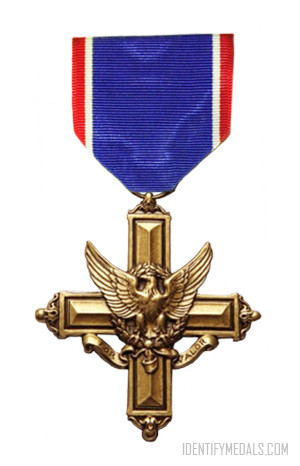
For his exceptional leadership and combat skill, MacDonald was awarded the Distinguished Service Cross, the second-highest military decoration of the United States Army, for his actions on that day.

Medals and Awards

#7: George Earl Preddy Jr.

Score: 26.8

George Earl Preddy Jr. (February 5, 1919 – December 25, 1944)
Major George E "Ratsy" Preddy Jr. of the 352nd Fighter Group in the cockpit of his P-51 Mustang
Major George E "Ratsy" Preddy Jr. of the 352nd Fighter Group in the cockpit of his P-51 Mustang.

George Earl Preddy Jr. was an American fighter pilot and one of the top-scoring aces of the United States Army Air Forces (USAAF) during World War II. Born on February 5, 1919, in Greensboro, North Carolina, Preddy grew up with a passion for flying and joined the USAAF in 1941.

Preddy initially flew P-40 Warhawks in North Africa before transitioning to the P-51 Mustang, where he achieved the majority of his victories. Known for his exceptional marksmanship, Preddy quickly rose to prominence as a skilled and aggressive fighter pilot.

Preddy’s combat record includes numerous aerial victories against enemy aircraft, earning him the title of ace. He demonstrated exceptional skill and courage in air-to-air combat, often leading his squadron with determination and tactical acumen.

One of Preddy’s most significant engagements occurred on Christmas Day in 1944 during the Battle of the Bulge. Leading a group of P-51 Mustang, Preddy intercepted a formation of German fighters and bombers over Belgium. In the ensuing dogfight, he shot down multiple enemy aircraft, including several Focke-Wulf Fw 190 fighters.

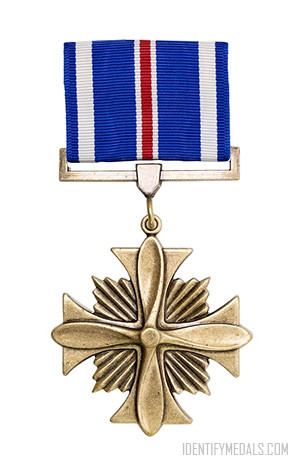
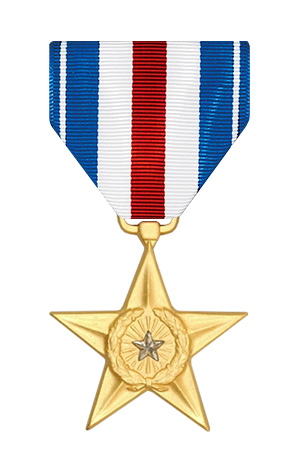
During his illustrious career, Preddy achieved a total of 26 confirmed aerial victories, making him one of the top-scoring American aces of World War II. His achievements in combat earned him numerous awards and decorations, including the Distinguished Service Cross, Silver Star, and Distinguished Flying Cross.

Medals and Awards

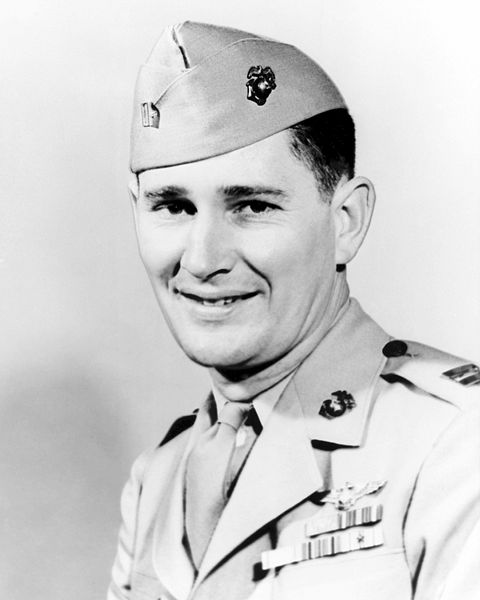
#8: Joseph Jacob "Joe" Foss

Score: 26

Joseph Jacob Foss (April 17, 1915 – January 1, 2003)
Captain Joe Foss, U.S. Marine Corps.
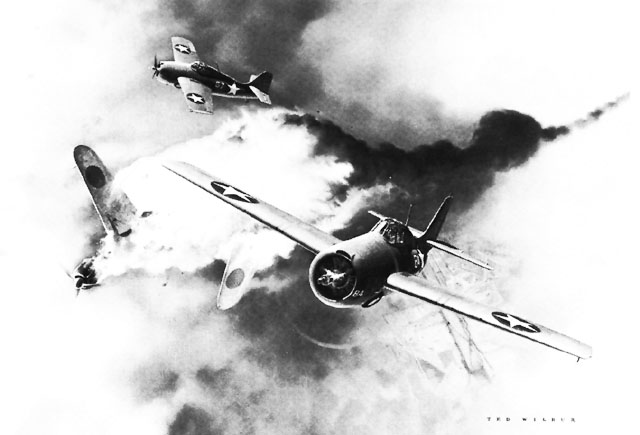
Watercolor of U.S. Marine Captain Joe Foss shooting down a Zero over Guadalcanal in October 1942
Watercolor of U.S. Marine Captain Joe Foss shooting down a Zero over Guadalcanal in October 1942.

Joseph Jacob Foss was an American fighter pilot and flying ace who achieved remarkable success during World War II. Born on April 17, 1915, in Sioux Falls, South Dakota, Foss developed a passion for aviation from a young age.

Foss joined the United States Marine Corps (USMC) in 1940 and quickly distinguished himself as an exceptional pilot. He initially flew Grumman F4F Wildcats and later transitioned to the newer F4U Corsair.

During his service in the Pacific theater, Foss demonstrated exceptional courage and skill in aerial combat, earning a reputation as one of the top fighter pilots of the war. He was known for his aggressive tactics and sharp shooting abilities.

Foss’s combat record includes 26 confirmed aerial victories, making him one of the leading American aces of World War II. His most notable achievements came during the Guadalcanal Campaign, where he played a pivotal role in defending the strategic island from Japanese air attacks.

On October 9, 1942, Foss shot down an impressive three Japanese aircraft in a single engagement, showcasing his exceptional flying skills and combat prowess. For his actions during the Guadalcanal Campaign, Foss was awarded the Medal of Honor, the United States’ highest military decoration.

After the war, Foss continued to serve in various roles, including as a politician, businessman, and television host. He served as the Governor of South Dakota from 1955 to 1959 and later as the Commissioner of the American Football League (AFL).

Medals and Awards

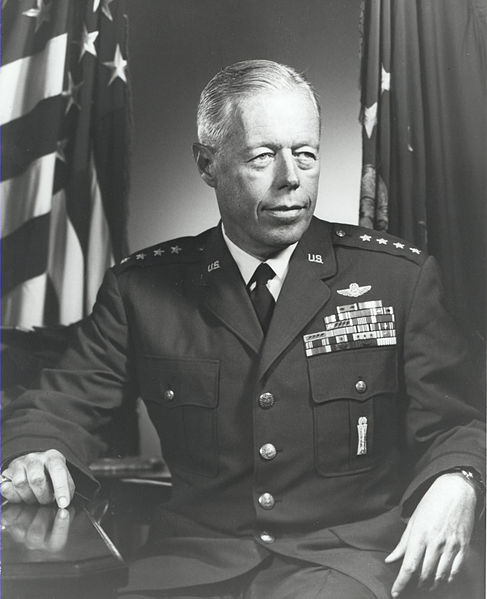
#9: General John Charles Meyer

Score: 26

General John C. Meyer
General John Charles Meyer (April 3, 1919 – December 2, 1975)
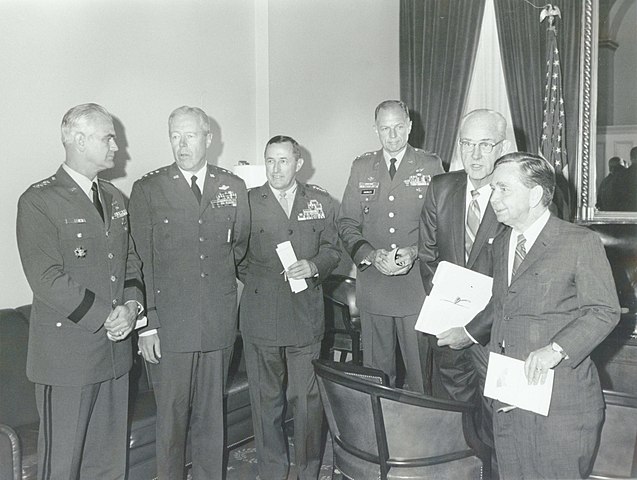
Air Force Vice Chief of Staff General John C. Meyer with Army Chief of Staff General William C. Westmoreland
Air Force Vice Chief of Staff General John C. Meyer with Army Chief of Staff General William C. Westmoreland.

General John Charles Meyer, born on December 14, 1919, in Chicago, Illinois, was an esteemed American aviator and military leader. He distinguished himself as a skilled fighter pilot during World War II and later rose through the ranks to become a highly respected Air Force officer.

Meyer began his military career in 1941 when he enlisted in the United States Army Air Forces (USAAF) shortly before the United States entered World War II. He underwent flight training and eventually became a fighter pilot.

During the war, Meyer served in the European Theater of Operations, where he flew P-47 Thunderbolts and P-51 Mustangs. He quickly demonstrated his exceptional flying abilities and combat skills, earning a reputation as a courageous and effective fighter pilot.

Meyer’s combat record includes multiple aerial victories against enemy aircraft, making him a flying ace. He also participated in numerous missions, providing close air support to ground forces and conducting bomber escort missions deep into enemy territory.

One of Meyer’s most notable achievements occurred on January 11, 1944, when he engaged a large formation of German fighters over France. In a fierce aerial battle, he shot down several enemy aircraft, demonstrating his exceptional marksmanship and aerial combat tactics.

For his gallantry and skill in combat, Meyer was awarded the Distinguished Service Cross, the United States’ second-highest military decoration for valor in combat. He also received the Distinguished Flying Cross and numerous other awards for his wartime service.

Medals and Awards

#10: Edward Vernon Rickenbacker

Score: 26

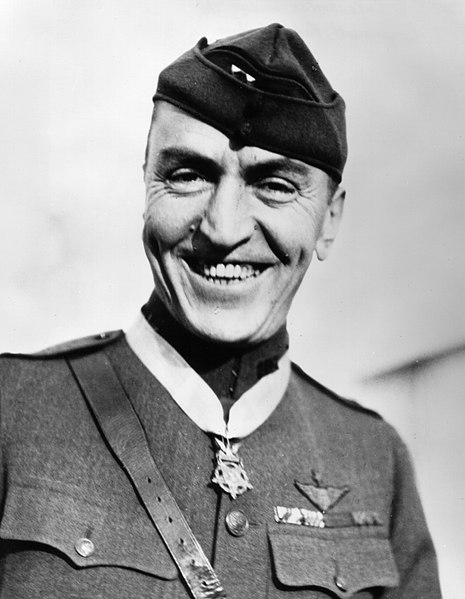
Edward Vernon Rickenbacker (born Edward Rickenbacher, October 8, 1890 – July 23, 1973)
Rickenbacker wearing the Medal of Honor in 1931.
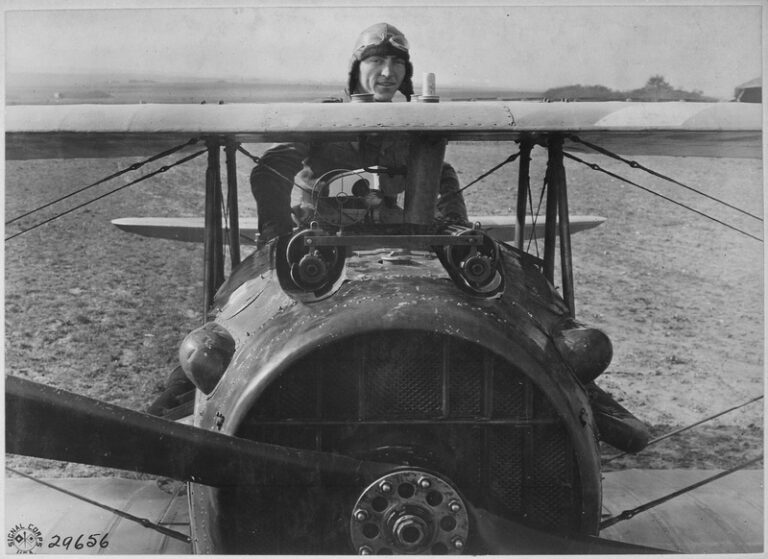
Rickenbacker in his SPAD S.XIII
Rickenbacker in his SPAD S.XIII.

Edward Vernon Rickenbacker, born on October 8, 1890, was an iconic American fighter pilot, race car driver, and business executive. He is best known for his remarkable achievements as a flying ace during World War I, where he became one of the most celebrated and decorated pilots of the conflict.

Rickenbacker’s journey to becoming a flying ace was unconventional. Before the war, he gained fame as a race car driver, competing in numerous prestigious events such as the Indianapolis 500. With the outbreak of World War I, Rickenbacker saw an opportunity to serve his country and enlisted in the United States Army.

Initially assigned to non-combat roles due to his age and civilian background, Rickenbacker persisted in his desire to become a pilot. After completing flight training, he was commissioned as a first lieutenant and assigned to the 94th Aero Squadron, an American fighter unit deployed to the Western Front in France.

Flying the nimble SPAD XIII fighter aircraft, Rickenbacker quickly demonstrated his exceptional flying skills and combat prowess. Despite his initial struggles to adjust to aerial combat, he soon became one of the squadron’s most skilled pilots.

Rickenbacker’s combat record is impressive, with 26 confirmed aerial victories, making him the leading American ace of World War I. His daring exploits in the air earned him the nickname “Ace of Aces” and made him a national hero.

Medals and Awards

Desmond Doss: The First Conscientious Objector to Receive the Medal of Honor

Despite facing discrimination for his beliefs, Doss displayed extraordinary bravery and saved the lives of dozens of wounded soldiers.
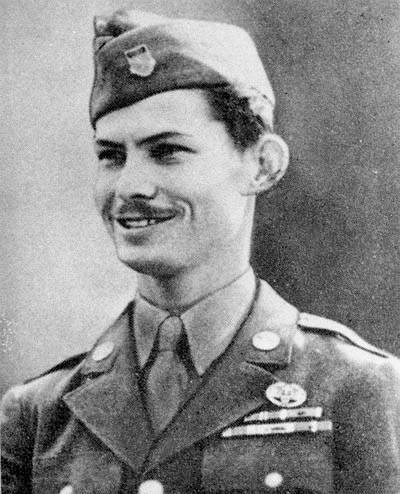
Desmond Doss was an American Army medic who served during World War II. He gained widespread recognition for his remarkable bravery and adherence to his religious beliefs as a conscientious objector. Doss, a Seventh-day Adventist, refused to carry a weapon or harm another human being.

Despite facing skepticism and discrimination from his fellow soldiers, Doss remained steadfast in his commitment to serve his country as a medic. He voluntarily enlisted in the Army and was assigned to the 77th Infantry Division and, for his heroism and selflessness, Desmond Doss was awarded the Medal of Honor, the highest military decoration in the United States.

Who Was Desmond Doss?

Desmond Doss was born on February 7, 1919, in Lynchburg, Virginia, USA. He grew up in a devout Seventh-day Adventist family, deeply influenced by his parents’ strong Christian beliefs. From a young age, Doss was taught the principles of non-violence, compassion, and the sanctity of life, which would later shape his actions during his military service.

During his youth, Doss experienced the hardships of the Great Depression, which instilled in him a sense of duty to help others and serve his community. Despite facing financial struggles, Doss remained committed to his education and graduated from high school.

When World War II broke out, Doss felt a strong sense of patriotism and a desire to contribute to the war effort. However, as a devout Seventh-day Adventist and a conscientious objector, he refused to bear arms or participate in activities that went against his religious beliefs.

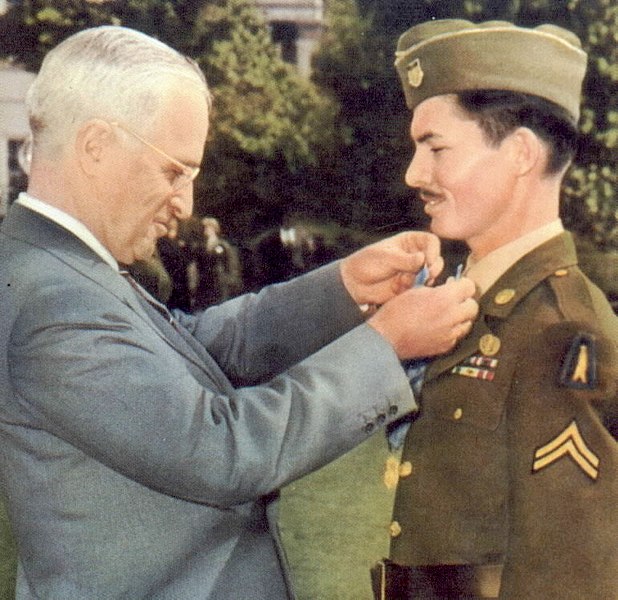
Doss, photographed prior to receiving the Medal of Honor in October 1945.
Desmond Doss, photographed prior to receiving the Medal of Honor in October 1945.

Doss Life as a Non-Combatant Medic in WW2

Despite facing skepticism and ridicule from his peers and superiors, Doss made the courageous decision to enlist in the U.S. Army in April 1942. He joined as a conscientious objector, expressing his willingness to serve as a non-combatant medic and adhere to his beliefs while still providing medical aid to his fellow soldiers.

As a non-combatant medic, Doss faced numerous challenges and obstacles. He endured harassment and discrimination from some of his fellow soldiers, who viewed his refusal to carry a weapon as a sign of weakness. However, Doss remained resolute in his convictions and refused to compromise his principles, even when pressured to do so by his superiors.

Throughout his service, Doss demonstrated exceptional courage and selflessness on the battlefield. He risked his own life countless times to rescue wounded soldiers, often under heavy enemy fire. His bravery and compassion earned him the respect and admiration of his comrades, many of whom had initially doubted his abilities.

Despite the dangers he faced, Doss never wavered in his commitment to saving lives and providing aid to those in need. He continued to serve as a medic until the end of the war, earning numerous awards and decorations for his bravery and devotion to duty.

Desmond Doss' Medals and Awards

Desmond Doss received several medals and decorations for his extraordinary bravery and selflessness as a medic during World War II. Among the honors he received are:

  1. Medal of Honor: Doss was awarded the Medal of Honor, the highest military decoration in the United States, for his heroic actions during the Battle of Okinawa. He became the first conscientious objector to receive this prestigious award. Doss’s citation for the Medal of Honor praised his “outstanding bravery and unflinching determination in the face of desperately dangerous conditions.”

  2. Bronze Star Medal: Doss was also awarded the Bronze Star Medal for his heroic achievement in a combat zone. The Bronze Star is awarded for acts of heroism, merit, or meritorious service in a combat zone.

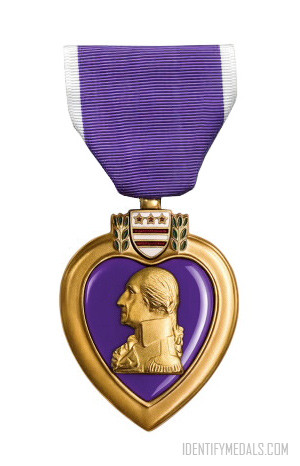
  3. Purple Heart: Doss received the Purple Heart, a military decoration awarded to members of the armed forces who are wounded or killed in action. He was wounded multiple times during his service as a medic, including during the Battle of Okinawa.

Citation: Private First Class Desmond T. Doss, United States Army, Medical Detachment, 307th Infantry, 77th Infantry Division. Near Urasoe-Mura, Okinawa, Ryukyu Islands, 29 April – 21 May 1945. He was a company aid man when the 1st Battalion assaulted a jagged escarpment 400 feet high. As our troops gained the summit, a heavy concentration of artillery, mortar and machinegun fire crashed into them, inflicting approximately 75 casualties and driving the others back. Private First Class Doss refused to seek cover and remained in the fire-swept area with the many stricken, carrying them one by one to the edge of the escarpment and there lowering them on a rope-supported litter down the face of a cliff to friendly hands. On 2 May, he exposed himself to heavy rifle and mortar fire in rescuing a wounded man 200 yards forward of the lines on the same escarpment; and two days later he treated four men who had been cut down while assaulting a strongly defended cave, advancing through a shower of grenades to within eight yards of enemy forces in a cave’s mouth, where he dressed his comrades’ wounds before making four separate trips under fire to evacuate them to safety. On 5 May, he unhesitatingly braved enemy shelling and small arms fire to assist an artillery officer. He applied bandages, moved his patient to a spot that offered protection from small-arms fire and, while artillery and mortar shells fell close by, painstakingly administered plasma. Later that day, when an American was severely wounded by fire from a cave, Private First Class Doss crawled to him where he had fallen 25 feet from the enemy position, rendered aid, and carried him 100 yards to safety while continually exposed to enemy fire. On 21 May, in a night attack on high ground near Shuri, he remained in exposed territory while the rest of his company took cover, fearlessly risking the chance that he would be mistaken for an infiltrating Japanese and giving aid to the injured until he was himself seriously wounded in the legs by the explosion of a grenade. Rather than call another aid man from cover, he cared for his own injuries and waited five hours before litter bearers reached him and started carrying him to cover. The trio was caught in an enemy tank attack and Private First Class Doss, seeing a more critically wounded man nearby, crawled off the litter and directed the bearers to give their first attention to the other man. Awaiting the litter bearers’ return, he was again struck, this time suffering a compound fracture of one arm. With magnificent fortitude he bound a rifle stock to his shattered arm as a splint and then crawled 300 yards over rough terrain to the aid station. Through his outstanding bravery and unflinching determination in the face of desperately dangerous conditions Private First Class Doss saved the lives of many soldiers. His name became a symbol throughout the 77th Infantry Division for outstanding gallantry far above and beyond the call of duty.

October 12, 1945
THE WHITE HOUSE
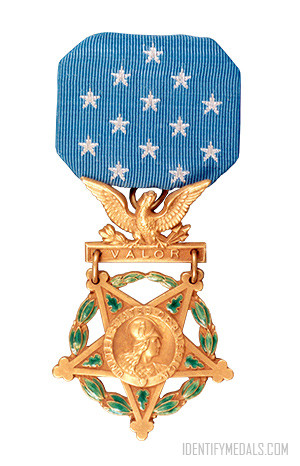
American Medals and Awards: The Medal of Honor (Army Version)

The U.S. Medal of Honor

The Medal of Honor is the United States of America’s most prestigious personal military decoration, awarded for acts of valor.
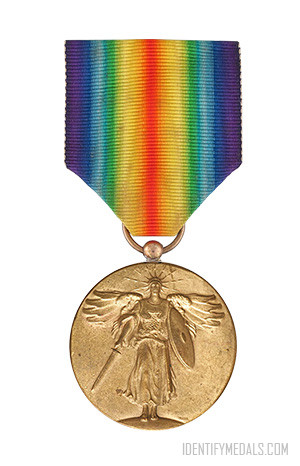
All of Doss' Medals

The Purple Heart - American Military Medals & Awards

The Purple Heart

The Purple Heart is a military decoration from the United States awarded to those wounded or killed while serving with the U.S. military.
American Medals and Awards: The Medal of Honor (Army Version)

The U.S. Medal of Honor

The Medal of Honor is the United States of America’s most prestigious personal military decoration, awarded for acts of valor.

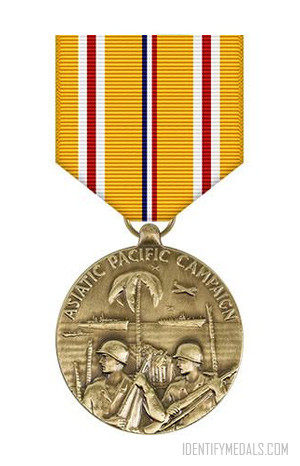
The complete list is:

  • Combat Medical Badge
  • Medal of Honor Bronze Star Medal with 1 oak leaf cluster
  • Purple Heart with 2 oak leaf clusters
  • Good Conduct Medal
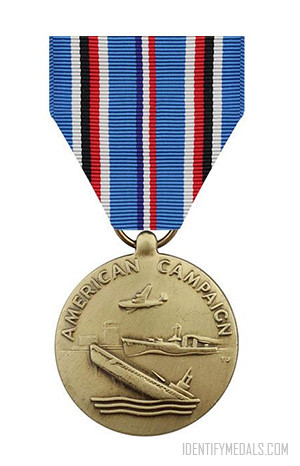
  • American Campaign Medal
  • Asiatic–Pacific Campaign Medal with arrowhead device and 3 3⁄16″ bronze stars
  • World War II Victory Medal
  • Philippine Liberation Medal with 1 3⁄16″ bronze service star
  • Army Presidential Unit Citation Meritorious Unit Commendation
  • 77th Infantry Division SSI

Doss’s decision to join the war was driven by his deep-seated beliefs in pacifism, compassion, and service to others. His unwavering commitment to his principles, even in the face of adversity, would later earn him the admiration and respect of people around the world.

The New York City Police Department Medals and Awards

The New York City Police Department presents several medals to its members for meritorious service. The highest award is the Medal of Honor.
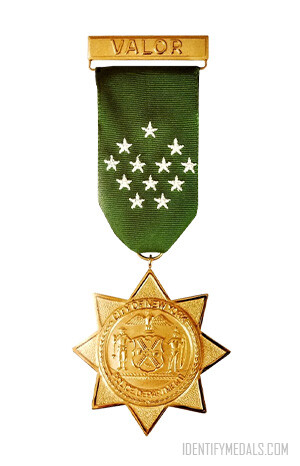
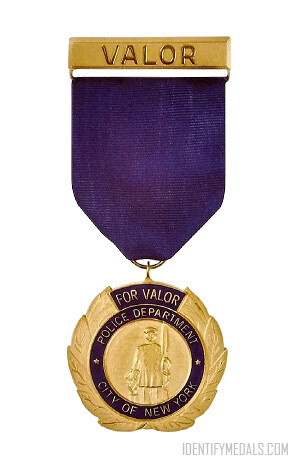
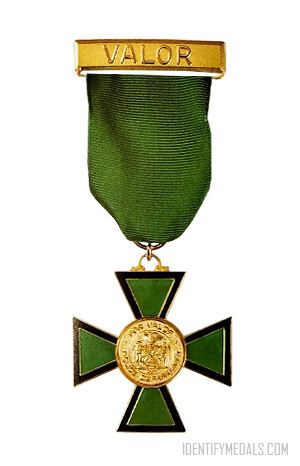
The New York City Police Department presents medals to its members for meritorious service. These include (in highest to lower precedence) the Medal of Honor, Police Combat Cross, and Medal of Valor. These medals are awarded for individual acts of extraordinary bravery and heroism. Here are the New York City Police Department medals (you can click on them to see more details):

A Short History of the NYPD and its Medals

The New York City Police Department (NYPD) is the primary law enforcement agency within the City of New York. The NYPD was established on May 23, 1845, replacing an old night watch system, and is the largest and one of the oldest police departments in the country. The NYPD employs around 55,000 people, including almost 35,000 uniformed officers.

The NYPD has a broad array of specialized services, including the Emergency Service Unit, air support, bomb squad, counter-terrorism, criminal intelligence, anti-gang, anti-organized crime, narcotics, public transportation, and public housing units. 

I made this  shortvideo to explain how each medal is awarded (keep scrolling to learn more):

The NYPD Medal of Honor

The highest honor bestowed by the NYPD, the Medal of Honor is awarded to officers who demonstrate extraordinary bravery in the face of imminent danger to their own lives. This medal is typically awarded to officers who display exceptional courage and valor while confronting armed assailants or during life-threatening situations. Recipients of the Medal of Honor are recognized for their selfless acts of heroism and their unwavering commitment to protecting the lives of others.

The Police Combat Cross

The Police Combat Cross is awarded to officers who demonstrate exceptional courage and valor in the line of duty, particularly in situations involving an armed confrontation with a dangerous suspect. Recipients of this medal have displayed extraordinary bravery and resourcefulness in the face of imminent danger, often risking their own lives to protect the lives of others. The Police Combat Cross is a symbol of the NYPD’s appreciation for the bravery and dedication of its officers in the most challenging and dangerous situations.

The NYPD Medal for Valor

The Medal for Valor is awarded to officers who demonstrate conspicuous bravery and heroism in the performance of their duties. Recipients of this medal have displayed exceptional courage and selflessness in the face of danger, often risking their own safety to protect the lives of others or to apprehend dangerous criminals. The Medal for Valor is a testament to the extraordinary dedication and bravery of NYPD officers in protecting the communities they serve.

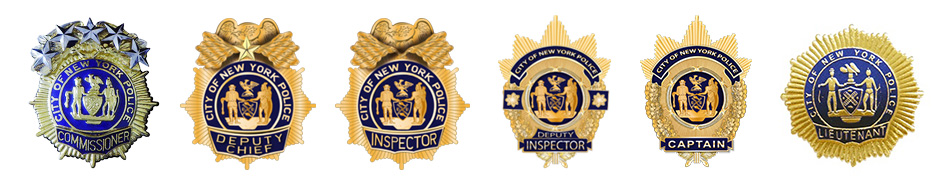
The NYPD Badges

Badges or “shields of the NYPD represent different ranks. Every rank has a different design (except for “police officer” and “probationary police officer”). All sworn members of the NYPD have their ID card photos taken against a red background (civilian employees’ photos are taken against a blue background).

Badges of the New York City Police Department

NYPD Ranks and the Medals

The New York City Police Department (NYPD) employs a structured rank system that organizes its personnel and defines the chain of command. This rank hierarchy also relates to the awarding of prestigious departmental honors such as the Medal of Honor, Police Combat Cross, and Medal of Valor.

  • All Ranks Eligible: Officers of all ranks are eligible for these awards. The acts of bravery and heroism that qualify someone for an award are not confined to a particular rank. However, higher-ranking officers may be involved in more strategic roles during critical incidents.
  • Recognition of Heroism: These awards are a testament to the heroism of NYPD officers across the rank structure. Whether it’s a police officer on patrol, a detective investigating a crime, or a sergeant leading a team, acts of exceptional bravery can occur at any level.
  • Promotion and Recognition: Receiving one of these prestigious awards can enhance an officer’s career, potentially leading to promotions and greater responsibilities within the department. Heroic acts and the recognition that follows underscore an officer’s commitment to duty and valor.

The Meritorious Police Duty (MPD) Bars

The Meritorious Conduct Board reviews the cases involving particularly meritorious
service and makes recommendations for proper recognition of outstanding acts. The MPD Bars are:

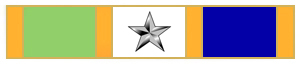
Honorable Mention

Honorable Mention

The Honorable Mention (displayed wearing the MPD medal with a silver star in the middle) is awarded for an act of extraordinary bravery intelligently performed in the line of duty at imminent and personal danger to life.

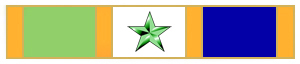
Exceptional Merit

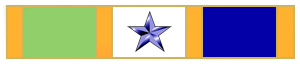
The Exceptional Merit (displayed wearing the MPD medal with a green star in the middle) is awarded for an act of bravery intelligently performed involving personal risk to life.

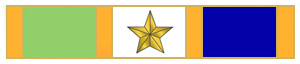
Commendation or Commendation—Integrity

Commendation or Commendation—Integrity

The Commendation or Commendation—Integrity (displayed wearing the MPD medal with a bronze star in the middle) is awarded for grave personal danger in the performance of duty, or a highly creditable, unusual police accomplishment.

Commendation—Community Service

Commendation—Community Service

The Commendation—Community Service (displayed wearing the MPD medal with a blue star in the middle) is awarded for an act which demonstrates devotion to Community service or an idea implemented that improves conditions within a Community.

Meritorious Police Duty

Meritorious Police Duty

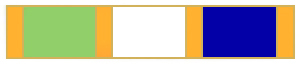
The Meritorious Police Duty (MPD medal with no star in the middle) is awarded for an act of intelligent and valuable police service demonstrating special faithfulness or perseverance, or highly creditable acts of police service over a period of time.

Other NYPD Awards

Excellent Police Duty (EPD)

Excellent Police Duty (EPD)

The Excellent Police Duty (green and white bar with gold vertical bars) is awarded for an intelligent act materially contributing to a valuable accomplishment, or submission of a device or method adopted to increase efficiency in an administrative or tactical procedure.

Unit Citation

Unit Citation

The Unit Citation (medium blue bar) is awarded to a specific unit or precinct for outstanding accomplishments.

Law Enforcement Purple Heart

Purple Shield

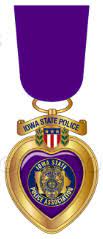
The department awards a Purple Shield to those injured or killed in the line of duty.

Distinguished Service Medal

The department also awards the Distinguished Service Medal posthumously to members of the service who suffer death as a result of illnesses associated with duty performed under unusual hazard or demand. It was first awarded in 2008.

Other Commemorative Medals

Various commemorative medals, unit citations, air crew wings, and others have also been authorized for wear:

  • American Flag Breast Bar: May be worn by any NYPD officer. When worn, it is affixed above any other medal.
  • World Trade Center Breast Bar: Once only reserved to be worn by any NYPD officer who was in active service during, or worked details related to the follow up on, the September 11 attacks, it has been updated to allow any NYPD Police Officer, at their discretion, to wear the bar in honor and remembrance. When worn, it is affixed just below the American Flag Breast Bar and above any other medal.
  • Firearms Proficiency Bar: May be worn by any NYPD officer who has been certified or recertified as an expert shooter with their police firearm. When worn, it is affixed just above the shield and below any other medal.

Find NYPD Medals Online

Right Now on eBay 
Clicking a link to eBay may result in a referral commission being paid if a purchase is made.
Loading...

NYPD Gift Ideas

The following NYPD products are Officially Licensed. As an Amazon Affiliate, I get a percentage of the sale if you make a purchase; however, the cost is the same for you. This helps me maintain the site running.

The Women Airforce Service Pilots (WASP) And Their Congressional Gold Medal

All about this medal, created in 1977 to recognize the service of the Women Airforce Service Pilots who flew military aircraft during WW2.
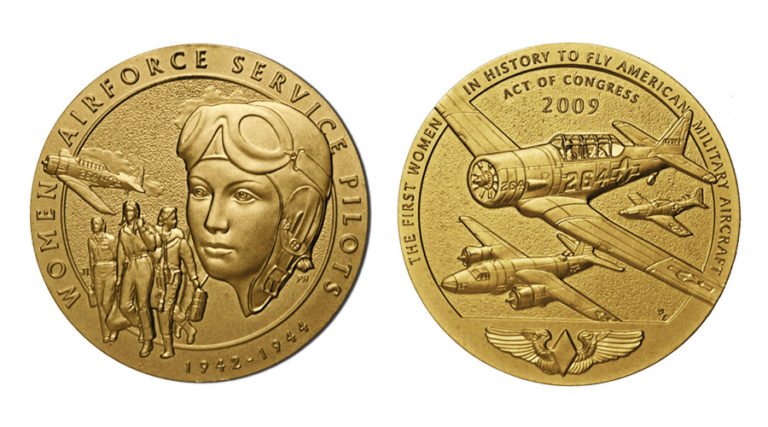
Learn about the Women Airforce Service Pilots who flew military aircraft during WW2 – and the medal they were awarded for their service, record, and revolutionary efforts at a ceremony in the Capitol on March 10, 2010. 

Who Were the Women Airforce Service Pilots?

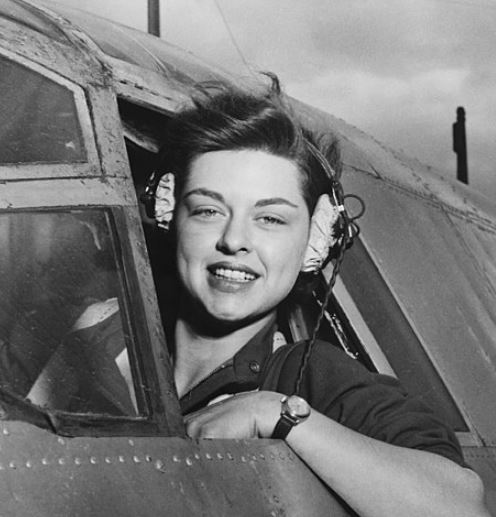
The Women Airforce Service Pilots (WASPs) were a group of female civilian pilots recruited to fly military aircraft during World War II. The program was established in 1942 as a way to free up male pilots for combat duty, and over 1,000 women ultimately served in the program.

The WASPs flew a variety of aircraft, including fighter planes, trainers, and bombers, and were tasked with a range of duties, including ferrying aircraft, conducting test flights, and training male pilots.

Despite their significant contributions to the war effort, the WASPs faced discrimination and opposition from some male pilots and military leaders.

They were not granted military status until 1977, and were not eligible for military benefits until 1979. Despite these challenges, the WASPs paved the way for future generations of female military pilots and helped to change the perception of women’s roles in aviation.

The WASP Congressional Gold Medal

On March 10, 2010, the American Senate and House of Representatives recognized and awarded the WASPs a medal for their service (Public Law 111-40). This medal (Congressional Gold Medal, Women Airforce Service Pilots) is awarded to an individual or group who performs an outstanding deed or act of service to the security, prosperity, and national interest of the United States. 

This is what the medal looks like:

The WASP Congressional Gold Medal - Obverse and Reverse

The WASP Congressional Gold Medal Design

The medal was designed and sculpted by U.S. Mint Sculptor-Engraver Don Everhart.

The obverse of the WASP Congressional Gold Medal features the portrait of a Women Airforce Service Pilot and three female figures with uniforms walking towards an aircraft. Surrounding the design is the inscription “Women Airforce Service Pilots” and “1942-1944”. 

The reverse of the medal depicts three aircraft, which symbolize the types that were flown by WASPs: Fighter planes, trainers, and bombers. The inscription on the edge reads “The first women in history to fly American military aircraft” and “Act of Congress 2009”. 

Where to See The WASP Congressional Gold Medal

This object is on display in the Boeing Aviation Hangar at the Smithsonian – Steven F. Udvar-Hazy Center in Chantilly, VA.

Flying Aces: Erich Alfred Hartmann, the Most Successful Fighter Ace of WW2

Erich Alfred Hartmann was a Geman fighter pilot and the most successful fighter ace of World War II. Here’s his story and medals.
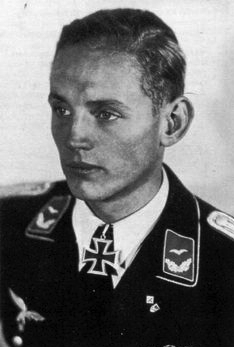
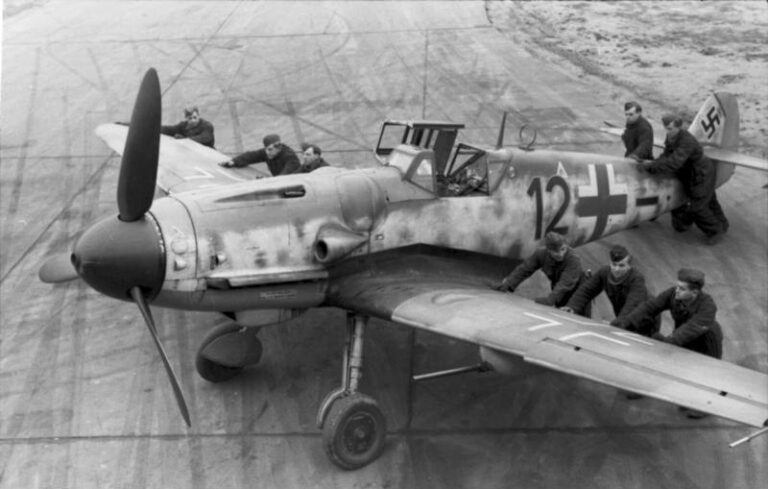
Erich Alfred Hartmann was a Geman fighter pilot. Not only did he fly 1,404 combat missions, but he was also the most successful fighter ace 🔗 of World War II. Here’s his story and the medals he was awarded for his actions.

Who Was Erich Alfred Hartmann?

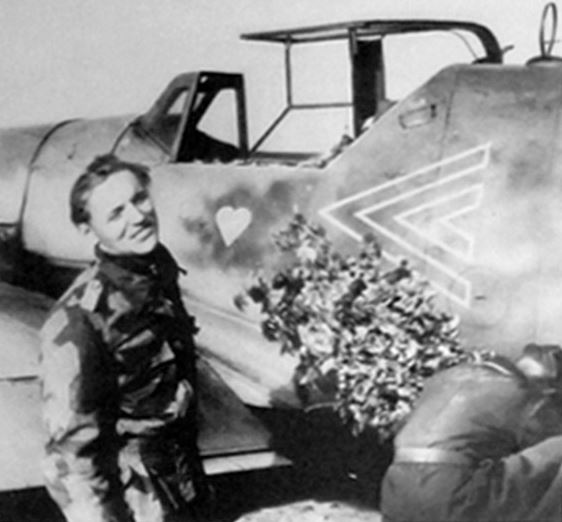
Erich Hartmann as a Luftwaffe Leutnant (1942–1944).
Erich Hartmann as a Luftwaffe Leutnant (1942–1944). Image courtesy of Wikimedia Commons.

Erich Alfred Hartmann was born on 19 April 1922 in Weissach, Württemberg, Germany. He spent his childhood in China because his father had to work there after the economic depression that followed World War I. When the Chinese Civil War erupted in 1928, the family had to return to Germany. 

Hartmann attended Volksschule in Weil im Schönbuch and gymnasium in Böblingen, the National Political Institutes of Education in Rottweil, and Korntal, where he obtained his Abitur. Korntal was also where Hartmann met his wife-to-be, Ursula. 

His flying career began soon after when he joined the Glider training program of the fledgling Luftwaffe. In fact, he was taught to fly by his mother, Elisabeth Wilhelmine Machtholf, one of the first female gliders in the country! Although the Hartmanns had owned a light aircraft, they had been forced to sell it in 1932.

The rise to power of the Nazi Party in 1933 resulted in increased support for gliding – reason why his mother was able to open a blub in Weil im Schönbuch where she served as an instructor. 

The Early Military Career of Erich Alfred Hartmann

Erich Alfred Hartmann’s military career began in 1 October 1940, when he started training with the 10th Flying Regiment in Neukuhren. He soon progressed to making his first flight as an instructor with the the Luftkriegsschule 2 (Air War School 2) in Berlin-Gatow. Hartmann then moved on to advanced flight training at pre-fighter school 2 in Lachen-Speyerdorf on 1 November 1941.

Lachen-Speyerdorf was where Hartmann learned gunnery skills and combat techniques. Between 1 March 1942 and 20 August 1942, he actually learned to fly the Messerschmitt Bf 109 🔗

Although Hartmann was a talented pilot, his training didn’t always go smoothly. In 1942, he ignored regulations to perform acrobatics using his Bf 109, which led to a week of confinement and a loss of two-thirds of his pay. Of this event, Hartmann actually said:

That week confined to my room actually saved my life. I had been scheduled to go up on a gunnery flight the afternoon that I was confined. My roommate took the flight instead of me, in an aircraft I had been scheduled to fly. Shortly after he took off, while on his way to the gunnery range, he developed engine trouble and had to crash-land near the Hindenburg-Kattowitz railroad. He was killed in the crash.

He learned from this experience, as he later passed on his credo to younger pilots. This was the idea that you should fly with your head, not your muscles. 

A Messerschmitt Me 109 aircraft.
A Messerschmitt Me 109 aircraft. Image courtesy of Wikipedia.
Bf 109 in the Hartmann color scheme.
Bf 109 in the Hartmann color scheme on display at the Evergreen Aviation & Space Museum. Image courtesy of Wikipedia.

Erich Alfred Hartmann During World War II

Erich Alfred Hartmann’s first assignment was as pat of the wing called Jagdgeschwader 52 (or JG 52), on the Eastern Front in the Soviet Union. Although the wing was equipped with Messerschmitts Me 109s, Hartmann and other pilots were instructed with ferrying Junkers Ju 87 Stukas down to Mariupol. During his fist flight, he actually had a brake failure and crashed the Stuka, destroying the controller’s hut. He was then assigned to III Gruppe of JG 52, led by group commander Major Hubertus von Bonin. During this time, he flew with experienced pilots such as Hans Dammers, Josef Zwernemann, and Alfred Grislawski (who said of Hartmann that he was a talented pilot). 

Perhaps one of the reasons why Hartmann became a success had to do also with his place as wingman to Paule Roßmann, who became a sort of teacher to him. with the help of these other pilots, Hartmann soon adopted the tactic “See – Decide – Attack – Break,” which had originated from Roßmann’s solution to being injured in one arm (“Stand off, evaluate the situation, select a target that was not taking evasive action, and destroy it at close range).

Erich Alfred Hartmann's Fighting Techniques

Hartmann was a master of stalk-and-ambush tactics. This meant that he preferred to ambush and fire at close range instead of dogfighting his enemies. When asked about his victories, Hartmann frequently explained that, along with firing at close range, Soviet maneuvers and defensive armament were inadequate, too. 

Here are some of the things that characterized Erich Alfred Hartmann’s method of attack:

  • Hold fire until the enemy aircraft is extremely close (20 meters/66 feet or less).
  • When attacking, unleash a short burst at point blank.

Additionally, Hartmann would also:

  • Only reveal his position at the last minute.
  • Compensate for low muzzle velocity by using higher ones (for exampe, those of the Bf 109 model). 
  • Shoot accurately and use less ammunition.
  • Prevent the adversary from making evasive maneuvers.

Once Hartmann got the kill, he immediately vacated the area. Survival was paramount, as another pilot could re-enter the zone and have combat advantage. 

Hartmann's Fighter Ace Victories - The Total Count

Erich Alfred Hartmann survived 1,400 missiles over the course of the Second World War. In total, he’s believed to have downed 352 allied aircraft (mostly Soviet, but also American). This makes him the most successful fighter ace in history. 

His ability to take on enemy aircraft was so effective, it’s said many Soviet pilots evaded his plane as soon as they would recognize the black tulip he had gotten painted on his aircraft. They’d rather retreat back to their base than face the ace.

Hartmann's Karaya 1 and Black Tulip

Hartmann used a scheme in the shape of a black tulip on the engine cowling. Soon, Soviet pilots became familiar with both the symbol of the black tulip he had flown on a few occasions and his radio call sign of Karaya 1, and put a price of 10,000 rubles on his head. An interesting fact is that, because many pilots didn’t want to face Hartmann, the Germans would allocate his plane to novices because they could fly it in relative safety. 

Hartmann had the tulip removed on 21 March 1944, after his kill rate dropped due to the reluctance of Soviet pilots. With the symbol gone, his aircraft claimed over 50 victories in the following two months. 

Erich Alfred Hartmann's Military Medals

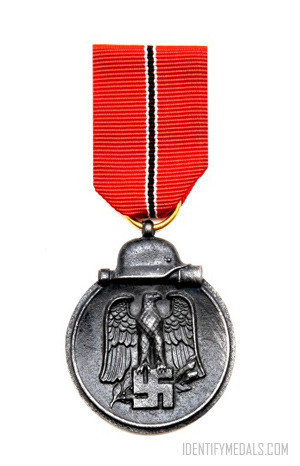
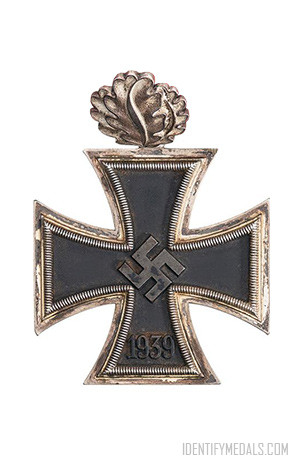
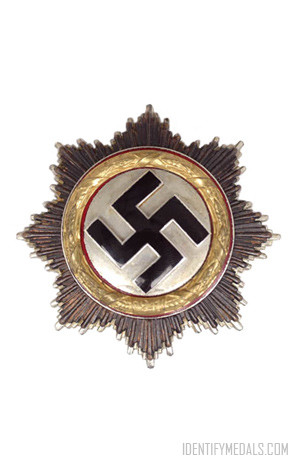
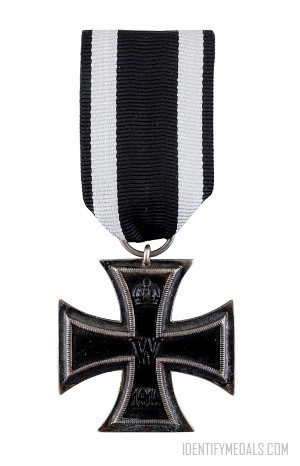
Erich Alfred Hartmann received multiple medals during his career. The first one was the Knight’s Cross of the Iron Cross (or Ritterkreuz des Eisernen Kreuzes in German), which was awarded to him on 29 October 1943. After passing the 3000mark on 24 August 1044, Hartmann was summoned to the “Wolf’s Lair” (Führerhauptquartier Wolfsschanze), Adolf Hitler’s military headquarters close to Rastenburg, where he was awarded the Diamonds to the Knight’s Cross. Other medals given to Hartmann include the Front Flying Clasp of the Luftwaffe in Gold with Pennant “1300”, the Pilot/Observer Badge in Gold with Diamonds, the Eastern Front Medal, the Iron Cross (2nd and 1st class), the Honour Goblet of the Luftwaffe, the German Cross in Gold, and the Knight’s Cross of the Iron Cross with Oak Leaves, Swords and Diamonds.

A Frozen Hell: The Battle of Suomussalmi and the Winter War

The Winter War and Battle of Suomussalmi. Joseph Stalin, World War II and the frozen confrontations at the border.
As Joachim Von Ribbentrop and Vyacheslav Molotov signed the infamous Molotov-Ribbentrop Pact, linking Nazi Germany and the Soviet Union, Europe was split into two. This Pact created two spheres of influence that the Nazis and the Communists would dominate after World War II.

Finland had never had normal relations with the Soviet Union. As this poor country broke free from the Tsardom of Russia and saw a political revolution ensuring the victory of the “Whites” against the Finnish Bolsheviks, it became the target of the Soviet Union.

Operation Barbarossa and Stalin

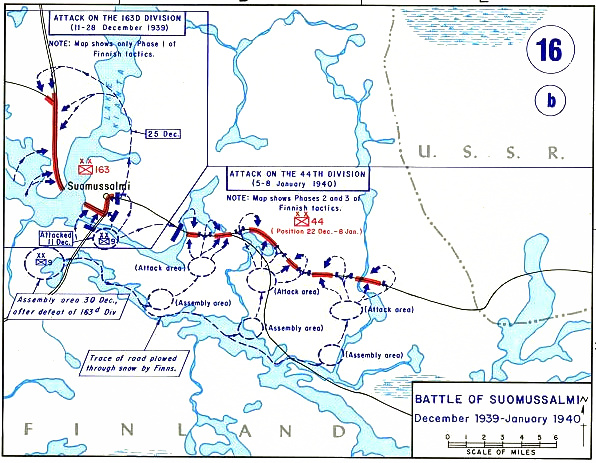
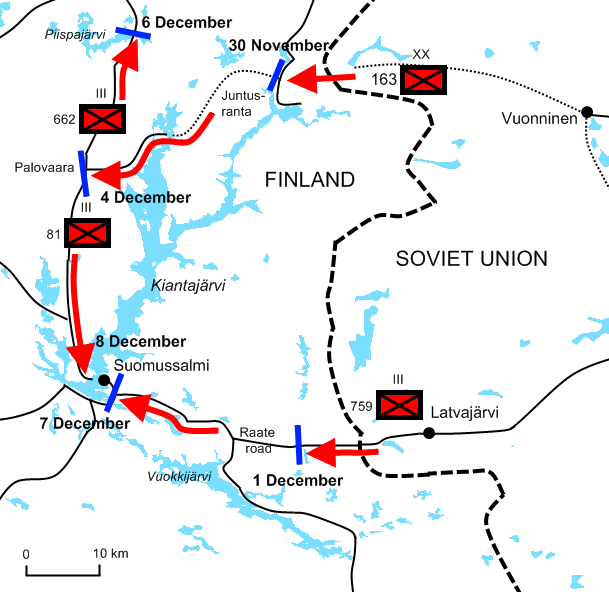
Diagram of the Battle of Suomussalmi from 30 November to 8 December 1939. The Soviet 163rd Division advanced to the town of Suomussalmi. Source: Wikipedia.

When you look back at the events of 1941 and Operation Barbarossait is easy to understand why the Soviets were so aggressive towards Finland during the 1930s, and why it ultimately led to war. Joseph Stalin said: “We can not move Leningrad back from the frontier, so we will have to push back the Frontier“.

Finland and the Soviet Union signed a non-aggression pact in 1932 and negotiations took place between the two countries to normalize their relationship and to reassure Stalin about his frontiers, the Finnish one being a possible theater of war since the Finnish government (and Finnish socialists too) was so anti-bolshevik.

The ultimate negotiations in November 1939 were nearly done but the Finns refused to lease the Hanko Harbour for 30 years, and so, they ultimately failed. The fate was sealed and war was thus inevitable.

The beginning of a disaster

The 28th of November 1939, a false flag attack was carried by the Soviet Union. They attacked one of their own village near the Finnish border with artillery shots and killed 4 of their own soldiers. Moscow thus immediately asked for excuses from the Finnish Government, and as they refused to excuse themselves, war broke out the 1st of December 1939. The Winter War had started.

The Soviet tactic was not a well thought one. They decided to attack in waves, but the terrain wasn’t the best for it. It proved to be absolutely disastrous when performed in forests – which covers most of Finland and its borders.

In Suomussalmi, not too far north but of strategic importance, the Soviet attack was a catastrophe. The original Soviet plan was to punch through the town and the Region, then to cut off Finland in two at Oulu at the Bothnia gulf coast. With its country split into two, it could be impossible for Finland to keep fighting and it would have been a fantastic victory for Stalin and the Soviet Union.

But something was not being accounted for: the sisu. The Sisu is a concept of hard determination, bravery, resilienceThe Finns would have rather all died than let their country becoming a Soviet satellite state.

As the Soviets decided to attack to Oulu, the Finnish only had one battalion located outside Suomussalmi, at Raate. That was only one battalion to face enormous enemy forces, around 45 to 55,000 Soviets.

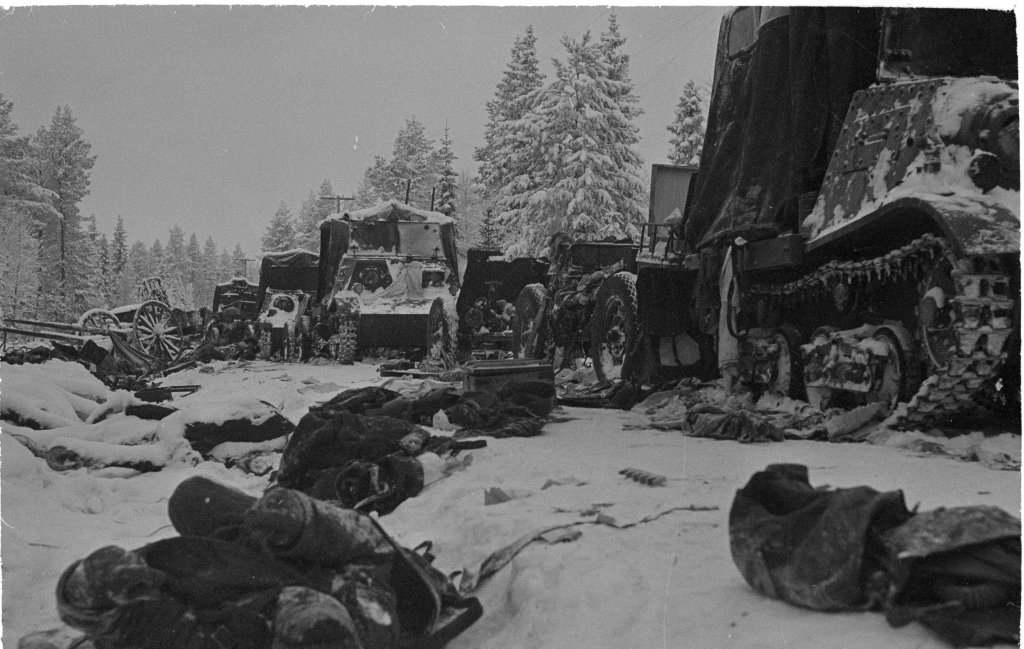
Soviet equipment and fallen soldiers at Raate Road, Suomussalmi
Soviet equipment and fallen soldiers at Raate Road, Suomussalmi. Courtesy Finnish Wartime Photograph Archive.

On December 7th, the Battle started. Suomussalmi was easily taken by the Soviets but in their retreat, the Finnish practiced the tactic that later saved the Soviet Union in 1941, the scorched-earth. The Winter War was exceptional because of the extreme temperatures the troops had to face during winter 1939-1940.

The very first day of the offensive was a victory. The following days would lead from disaster to shipwrecks. On Decembre 8th, the Soviets kept attacking through the lakes west of Suomussalmi but they never managed to break through the Finnish defensive line. The next offensives would prove to be even more and more disastrous. They also tried to attack farther north-west but it failed completely too. As the Soviet morale was sinking in the bottom of the lakes surrounding Suomussalmi, the Finnish were reinforced by a fresh battalion, led by intrepid Col. Hjalmar Siilasvuo. The initiative was not on the Soviet side anymore. Low morale, heavy casualties, failing tactics, equipment shortage, disaster was looming the soldiers of the Red Army.

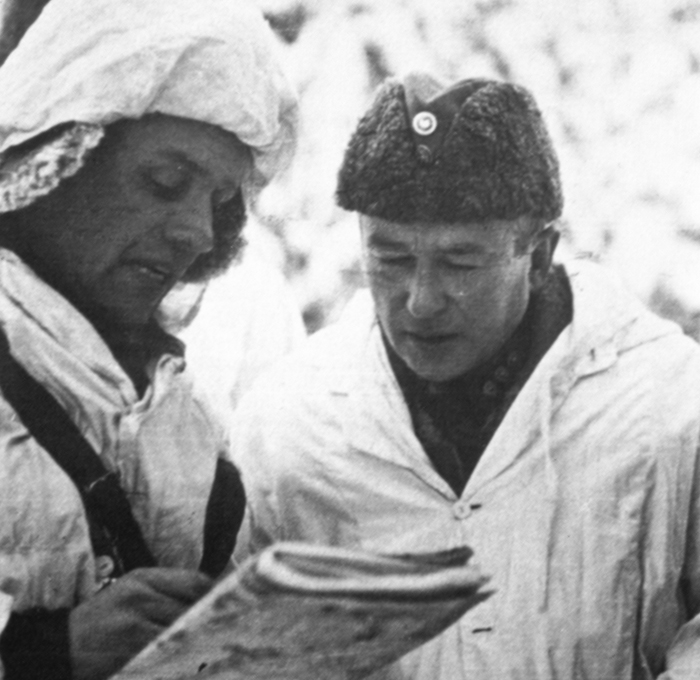
Colonel Siilasvuo receiving a briefing during the Battle of Suomussalmi, 1940.
Colonel Siilasvuo receiving a briefing during the Battle of Suomussalmi, 1940. Courtesy of The Finnish Defence Forces.

Reinforced the 9thSiilasvuo reorganized the units and went on the attack to recapture Suomussalmi, which proved to be a pyrrhic victory. The Soviets would not budge from the town and the Finnish would suffer (relatively) heavy casualties. The Soviets had bad tactics, but their art of defense would prove later to be a problem for Nazi Germany in Operation Barbarossa.

In Modern Warfare, mobility is the key and the Soviets with their heavy equipment and their tanks would try to push farther and farther in Finland but would stick to the roads. The objective to cut Finland in half, rushing to Oulu has made no sense since the region they had to cross was a forest. A giant one. As the Soviets were getting stuck on the roads and would progress very slowly, the Finnish would start attacking them, day and night.

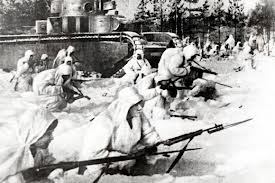
Their mobility with the skis was the key to victory. They would harass the Soviet divisions and finally cut them off from reinforcements. Most of the 45 to 55,000 men were then totally encircled with no shelter and no equipment.

The end of the 163rd Division

The legendary Motti tactics then happened. Motti is very simple: You have to cut the enemy into different parts and encircle them. You then have two choices, either you can assault frontally and destroy the enemy pocket or you can let the Motti “cook” itself and wait for the enemy to starve and die by himself. On the 26th, most of the enemy forces were encircled and most of them were starting to die or surrender.

On the 27th, the Finnish would finally retake Suomussalmi.

This was the end of the Battle of Suomussalmi. The casualties for the Finnish were high if you consider their very low manpower, as they lost 900 men. But in comparison with the Soviet casualties, they were inexistent. On the ~50,000 men the Soviets engaged in the Battle, half of them were killed in action or missing in action, so at least 25,000 casualties.

Map of the Battle of Suomussalmi 1939/40 by Edward J. Krasnobowski, Frank Martini.
Map of the Battle of Suomussalmi 1939/40 by Edward J. Krasnobowski, Frank Martini. Source: Wikipedia.

One battle leads to another…

The consequences following the end of the Battle were immediate and harsh for the Soviets. The 163rd Division was destroyed and the 44th Division, trailing by a few kilometers was the next target of the Finnish, on the Raate Road. 12 kilometers east of Suomussalmi, the 44th was waiting for orders from its General, Alexeï Vinogradov. Unfortunately, for them, the 44th was the target of attacks from all the available battalions from the Finnish side and this battle was even more costly than the one that took place only a few days before.

Starting the 5th and ending on the 7ththe 3,600 Finnish faced around 25,000 Soviets. It is estimated that more than 17,500 Soviets were killed or missing in action following these three days of hell. Vinogradov was held guilty by the High Command for not retreating fast enough from this tornado and was sentenced to death, and executed officially for losing 56 cantinas to the Finnish.

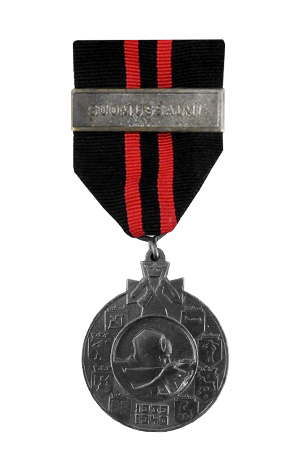
The Winter War 1939-1940 Medal and the Suomussalmi Battle Clasp

Those who took part in this slaughter on the Finnish side all received a medal: The Winter War 1939-1940 Medal. The Suomussalmi battle clasp was awarded to those who had barely a chance of winning the battle. Facing enormous mechanized troops from the East, they all deserved to get this award. 

This medal, awarded in august 1940 was very simple. A black and red ribbon linked with a blackened iron plate with “Kunnia Isänmaa” inscribed on it, which could be translated as “Motherland“.

The criteria for the award of this medal was as follows: The medal was ‘established to commemorate the war of 1939–1940 and the unanimous will to defend it and the deeds done for the benefit of the motherland.’ The medal was generally very liberally granted to those engaged in some form of war work. This could range from those who cooked and baked in canteens to soldiers and young boys and girls who helped pass messages and washed uniforms.

Conclusion

Little Finland had no chance had the beginning of the War and nobody expected them to hold for such a long time. For a few months, the Finnish destroyed divisions, tanks, planes all day long. This performance was absolutely stunning but in the end, even with their heroic defense, they couldn’t hold forever.

In late February, the situation was pretty clear: the Mannerheim line was breached in the South and, the Soviets were starting to push hard through Finland. The end of the war was near and, the Soviets searched for an armistice.

Even though some people may argue that the Soviets lost the war, I believe they are mostly wrong. Since the Soviets obtained even more then what they asked before the breakout of the war, they are victorious, but at a terrible price. This war served as a good lesson for the Soviets and what they saw in Suomussalmi and the scorched-earth tactic would be later employed in Belarus and Ukraine to slow the German advance in Operation Barbarossa.

We can all wonder what would have happened to Finland if the Soviets had cut them off in two. But thanks for to the defenders of Suomussalmi and the sacrifice, nobody knows it. They played a major role in this war and would be of great help when negotiations set off between Finland and the Soviet Union.

This battle, and many others, would shine all over the world and the Finnish would always be seen as a harsh warrior.

Guest Contributor: Kjetil Vion is a writer and a history enthusiast. A passionate of France and modern military history, he has a special interest into the Prussian state, specially since the Sadowa battle against Austria. Always wanting to learn more, he now looks to spread his knowledge in history.

Small-town Nurse Ellen Ainsworth Died Saving Patients in World War II

Although her name is unrecognizable to many, Ellen Ainsworth was one of the first four women in the Army to receive the Silver Star.
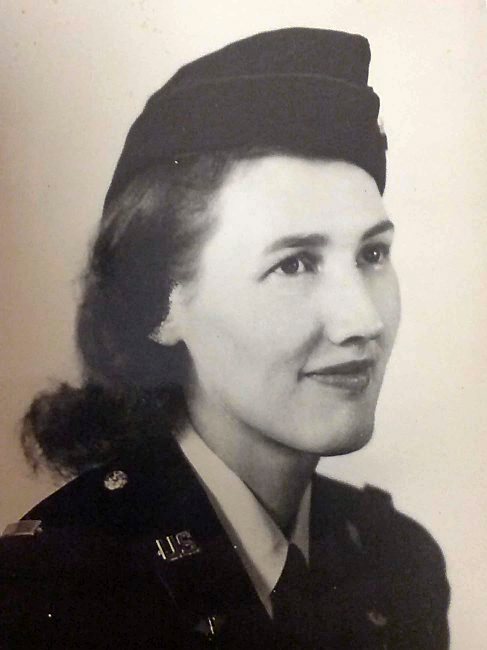
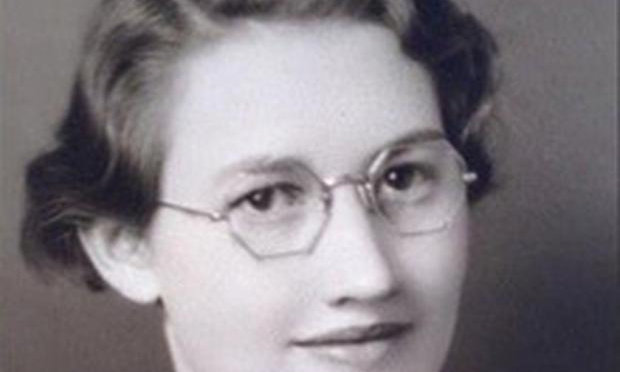
Although her name is unrecognizable to most Americans, Ellen Ainsworth was one of the first four women in the Army to receive the Silver Star as well as being the only woman from Wisconsin serving in the U.S. Armed Forces during World War II to die as a direct result of enemy fire.

Lt. Ellen Ainsworth pictured in her uniform in this undated photograph.

Who Was Ellen Ainsworth?

Born on March 9, 1919, Ainsworth had an inauspicious beginning, growing up in a small farming community of Wisconsin. She was the youngest of three siblings and attended nursing school at Eitel Hospital School of Nursing in Minneapolis, graduating in 1941. Even though she could have become a nurse at a private hospital in the Twin Cities, Ainsworth signed up for the U.S. Army Nurse Corps in March 1942.

Although nurses were highly encouraged to join the armed forces, Ainsworth also had a longing to see and experience the world, which is exactly what she ended up doing in her short life of 24 years. She was sent first to Morocco, then to Tunisia, and then to Salerno, Italy in September 1943. Several months later, Ainsworth was sent to Anzio, Italy where the Allies—Americans and British—had made a surprise landing behind German lines, but her travels would stop there.

Anzio was a battle that was only expected to take a couple weeks ended up taking several months, and Anzio would see some of the most savage fighting of World War II. Over the four-month period, the nurses and medical personnel at Anzio would care for more than 33,000, including 10,800 who had suffered battle wounds.

Ellen Ainsworth and the U.S. Army Nurse Corps

Of the sixteen women in the U.S. Army Nurse Corps were killed directly from enemy fire during World War II, six of them were killed at Anzio. Ellen Ainsworth was one of those six.

Assigned to the 56th Evacuation Hospital, which they called “a Half Acre of Hell,” Ainsworth cared for the wounded men at Anzio for only a few short weeks from late January until her eventual death on February 16, 1944. But she was able to make such an impact in that short time!

On February 12, 1944, the nurses of the 56th Evacuation Hospital rushed patients to nearby bunkers during a massive artillery bombardment. Ainsworth realized that some medical personnel needed to remain behind at the hospital tent to take care of the wounded, so she chose to stay. A German artillery round landed just outside the tent, and a piece of shrapnel penetrated Ainsworth’s chest close to her lungs. Even though she was wounded, Ainsworth continued to treat her patients.

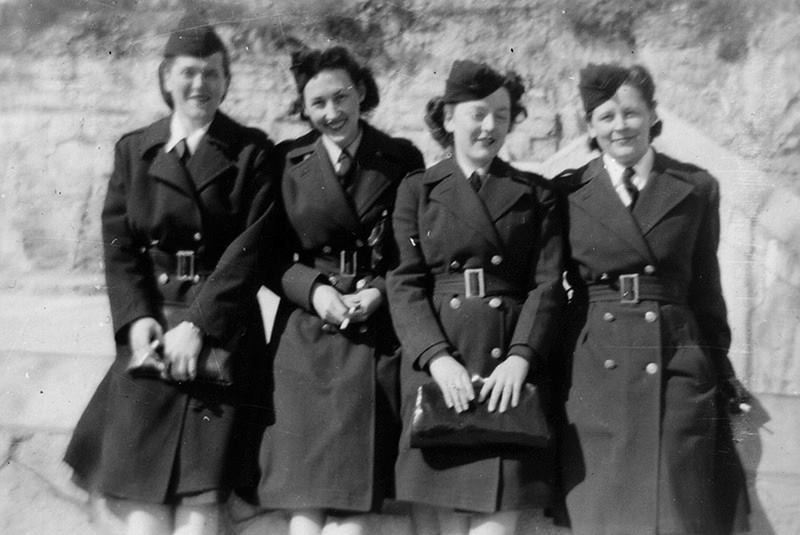
U.S. Army Nurse Corps nurses (from left) Mary Henehan, Ellen Ainsworth, Anne Graves and Doris Maxfield were photographed in New York City in April 1943.

Ainsworth was eventually evacuated, but her condition worsened. Slowly suffocating from internal wounds, Ainsworth died on February 16, 1944. She was just 24 years old. On March 9, which would have been Ainsworth’s 25th birthday, her family back in Wisconsin instead received a telegram informing them that Ainsworth had died.

Ellen Ainsworth's Medals

Due to her actions of bravery, including evacuating 42 patients to safety in complete disregard of the danger with three other nurses, Ainsworth and the other women became the first women in the Army to receive the Silver Star for their bravery (the third highest award for bravery after the Medal of Honor and Distinguished Service Cross/Navy Cross/Air Force Cross/Coast Guard Cross). Ainsworth would also posthumously receive the Purple Heart and Red Cross Bronze medals, a rare accomplishment for a nurse in World War II. She is also remembered with a portrait in the Pentagon, and the post office in her hometown of Glenwood City, Wisconsin was renamed in her honor in 2016.

Ellen Ainsworth’s Silver Star Citation

The President of the United States of America, authorized by Act of Congress July 9, 1918, takes pride in presenting the Silver Star (Posthumously) to Second Lieutenant Ellen G. Ainsworth (ASN: N-732770), United States Army, for conspicuous gallantry and intrepidity in action against the enemy while serving with the 56th Evacuation Hospital, in action at Anzio, Italy, on 10 February 1944. Second Lieutenant Ainsworth was on duty in a hospital ward, while the area was being subjected to heavy enemy artillery shelling. One shell dropped within a few feet of the ward, its fragments piercing the tent in numerous places. Despite the extreme danger, she calmly directed the placing of (42) surgical patients on the ground to lessen the danger of further injury. By her disregard for her own safety and her calm assurance, she instilled confidence in her assistants and her patients, thereby preventing serious panic and injury. Second Lieutenant Ainsworth’s gallant actions and dedicated devotion to duty, without regard for her own life, were in keeping with the highest traditions of military service and reflect great credit upon herself, his unit, and the United States Army.

Because her mother was ill when Ainsworth’s family received the news that she had been killed, her family chose to have her buried in the Sicily-Rome American Cemetery and Memorial in Nettuno, Italy. Ainsworth is one of nearly 7,900 Americans buried at the cemetery.

The Legacy of Ellen Ainsworth

Although Ainsworth only lived for 24 years, family and friends still remember her fondly, recalling how great of a sense of humor that she had. When she was evacuated due to the shrapnel, she made a cheeky comment to her fellow nurses that was something like, “Nothing these Krauts can do to scare at this point.

Her fellow nurses knew her as an outgoing, fun-loving individual, and her friends and family back home knew her as a caring girl who loved to sing (and had a beautiful voice!). These two elements came together for Christmas 1943 when Ainsworth wanted to bring some cheer to the troops in Italy, so she organized a group of people to sing Christmas carols over the PA system.

Her fellow nurses remembered her not only as the life of the party but also someone to tried to make every situation better. Even so, Ainsworth was immensely affected by the gruesomeness all around her.

Ainsworth’s sister Lyda wrote a speech in the 1970s that she presented at the dedication of a health clinic to Ainsworth and spoke of a letter she received from her sister Ellen. That letter was tear-stained, as Ellen wrote about the suffering of “her boys. She wished that she could do more to protect them, ease and comfort their pain, or halt their deaths, but there was so little she could do.

Ainsworth was not one to shirk duty, as is evident from her actions in choosing to stay with the wounded and risk death herself. Ainsworth was willing to pay the ultimate price to take care of “her boys,” and she did. But although her family and friends would greatly mourn her death, they took comfort in the fact that Ainsworth lived a full life for the short time she lived.

An Overview of the Red Cross Medals, Badges & Awards

Since the creation of the International Committee of the Red Cross in 1863, various Red Cross organizations and societies throughout the world have issued medals to award volunteers for meritorious service as well as to honor other individuals who have provided services of benefit to the Red Cross.

What is the Red Cross, and Why Does it Award Medals?

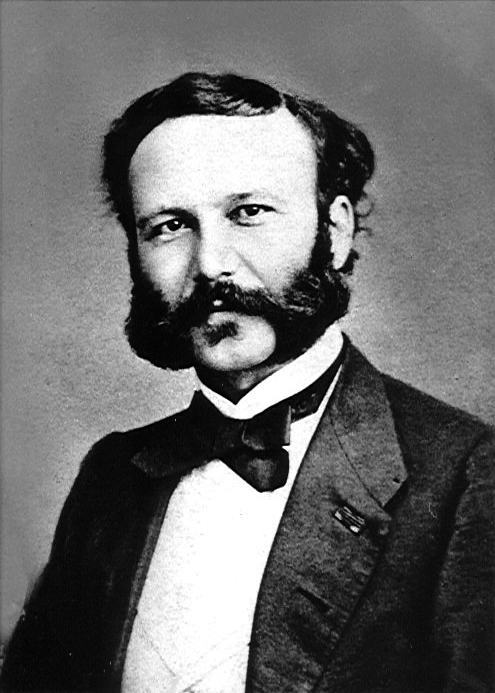
First conceived as a concept during the Battle of Solferino during the War of Italian Unification in 1859, the Red Cross became a reality thanks to the efforts of Swiss businessman Henry Dunant.

He had witnessed 40,000 dead and wounded men who had not received medical attention and wanted to establish an agency that would provide humanitarian aid during wartime protected by an international treaty that would recognize and uphold the neutrality of said agency.

Thus, in 1863, this agency became the International Committee of the Red Cross (ICRC) with the emblem of a red cross on a white background, which was the inverse of the Swiss flag. In 1864, the first Geneva Convention codified acceptable treatment of sick and wounded soldiers and was initially adopted by twelve nations. Due to these accomplishments, Dunant received the first Nobel Peace Prize in 1901.

Henry Dunant (1828–1910), Swiss philanthropist and co-founder of the International Committee of the Red Cross; Nobel Peace Prize laureate 1901
Henry Dunant (1828–1910), Swiss philanthropist and co-founder of the International Committee of the Red Cross; Nobel Peace Prize laureate 1901. Source: Wikipedia.

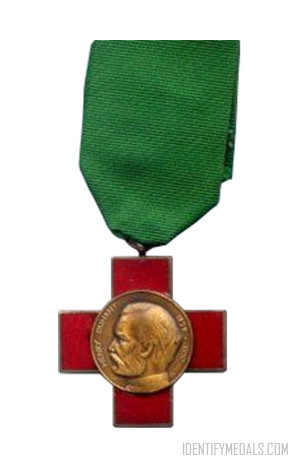
Even today, the highest award of the Red Cross Movement is the Henry Dunant Medal. Created 100 years after the establishment of the ICRC, the medal is named in honor of the founder of the International Red Cross. Thanks to the generosity of the Australian Red Cross, the medal was established by the International Red Cross Conference in Vienna in 1965, and the first medals were presented in 1969.

Awarded to

recognize and reward outstanding services and acts of great devotion, mainly of international significance, to the cause of the Red Cross/Red Crescent by any of its members,

only five Henry Dunant Medals are awarded every two years to maintain the prestige of the Red Cross’s highest honor.

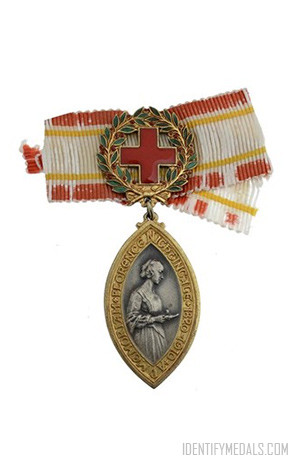
Similarly, the Florence Nightingale Medal, named in honor of the famous 19th century nurse, is awarded by the International Committee of the Red Cross to nurses or nursing aides who distinguished times either in peace or war. In addition, it may be awarded posthumously if the recipient died working in a conflict zone. First established in 1912, the medal was initially restricted to females, which would not change until 1991 when it was opened to both men and women.

The Henry Dunant Medal and the Florence Nightingale Medal

The Henry Dunant Medal and the Florence Nightingale Medal are some of the most prestigious awards one can receive from the Red Cross, but there are a plethora of awards given from various local and national societies.

After the establishment of the ICRC in 1863, it encouraged the creation of Red Cross societies which are now known as the International Federation of Red Cross and Red Crescent Societies. They are independent of the ICRC, as the ICRC acts as a liaison between the societies.

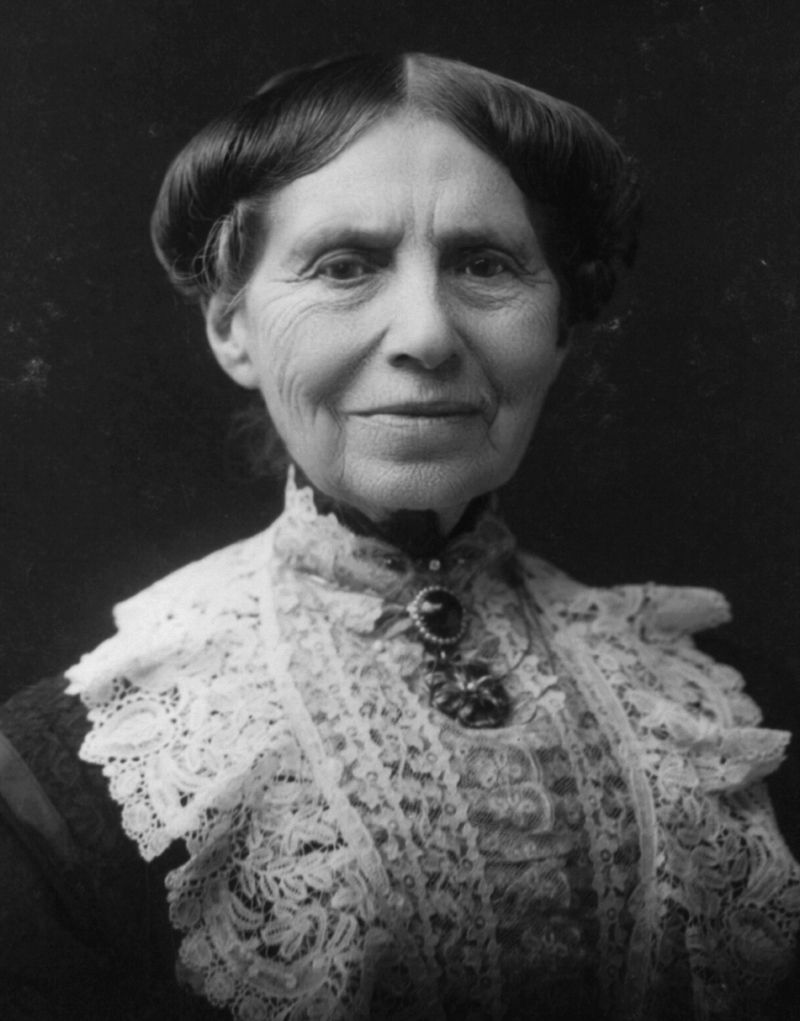
In 1881, Clara Barton, who is known for her efforts to improve nursing during the American Civil War, and a group of associates founded the American Red Cross in 1881 after becoming aware of the ICRC while visiting Europe. During World War I, the American Red Cross experienced substantial growth, going from 17,000 members in 1914 to over 20 million adult and 11 million junior members in 1918.

The Red Cross in WW1

World War I in particular would see the rise of many Red Cross medals, although medals did exist before then. The medals often had a double purpose especially during World War I—to honor and commemorate acts of great valor and to raise funds for the Red Cross during and after the war.

If you search Red Cross medals online, you will be overwhelmed by the number of medals out there. It seems like every country has a medal for every event or conflict that has ever occurred.

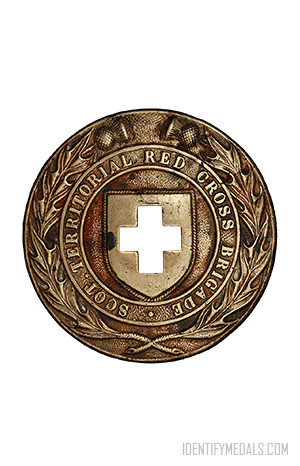
You’ll find rare medals like the Belgian Red Cross, Cross of Recognition 1st class, which was the earliest and highest award given by the Belgian Red Cross to volunteers during the Franco-Prussian War of 1870-1871 as well as the Early Scottish Territorial Red Cross Brigade badge that was issued to registered members of the voluntary aid detachments and had to be purchased by the member.

While I could have chosen any number of Red Cross Medals as examples, several in particular stood out to me, as they illustrate the wide variety of medals that individuals who volunteered with the Red Cross could receive.

On December 28, 1908, a 7.1-magnitude earthquake struck the southern Italian towns of Sicily and Messina, followed by a crippling tsunami. Navy and merchant ships from France, Great Britain, Italy, and Russia came to provide assistance to the devastated region.

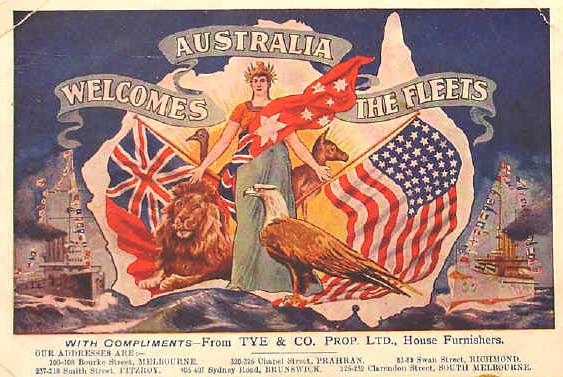
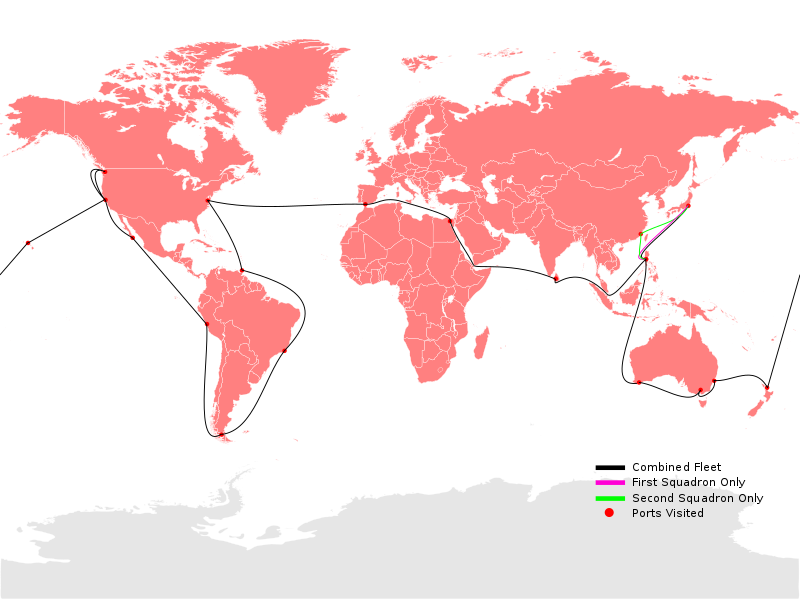
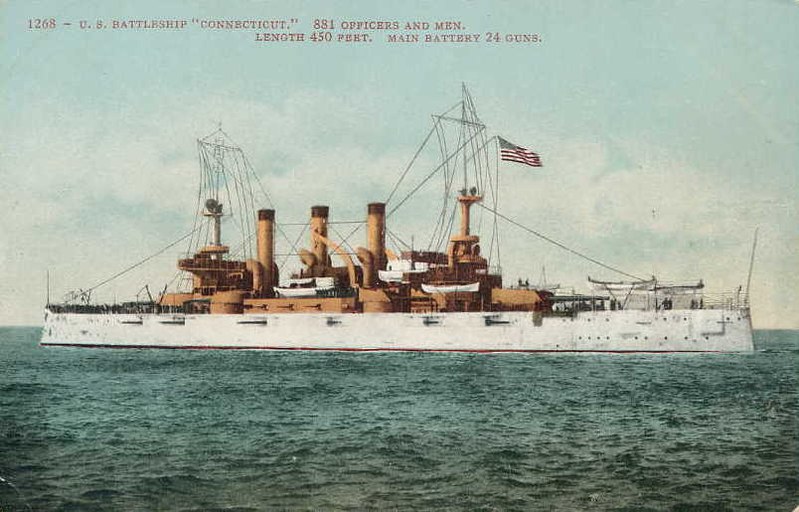
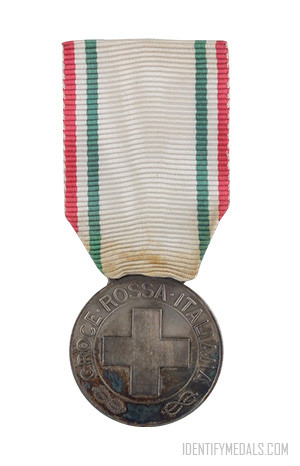
President Theodore Roosevelt even detoured the Great White Fleet, which had been circumnavigating the globe since December 1907 and had included 14,000 Sailors and Marines, in order to assist in the relief efforts. The Italian Red Cross Society commemorated the service of the Great White Fleet and others with the relief ribbon for earthquake relief efforts in Italy in 1908.

Clara Barton (1821–1912), founder of the American Red Cross
Clara Barton (1821–1912), founder of the American Red Cross. Source: Wikipedia.
A 1908 Australian postcard welcoming the American 'Great White Fleet' to Australia.
A 1908 Australian postcard welcoming the American 'Great White Fleet' to Australia. Source: Wikipedia.
Map of the Great White Fleet's voyage (2009 political boundaries shown)
Map of the Great White Fleet's voyage (2009 political boundaries shown). Source: Wikipedia.
Postcard of USS Connecticut (BB-18). It (#1268) was the first of a 24-card series printed of the Great White Fleet by Edward Mitchell.
Postcard of USS Connecticut (BB-18). It (#1268) was the first of a 24-card series printed of the Great White Fleet by Edward Mitchell. Source: Wikipedia.

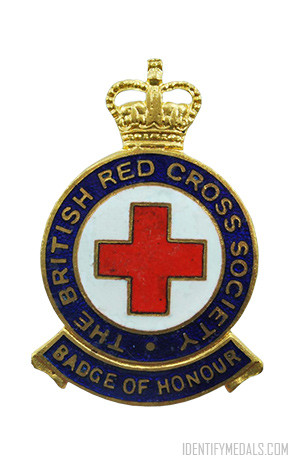
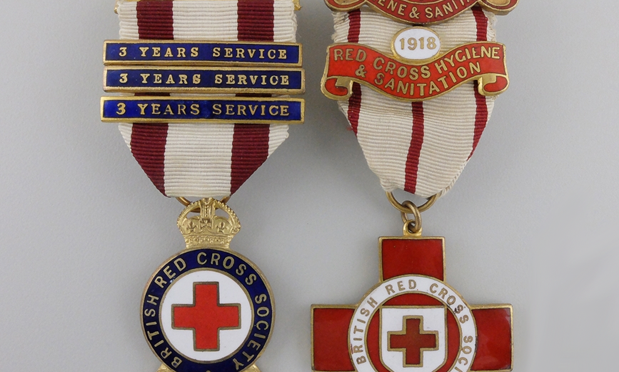
Another example was the British Red Cross medal awarded in 1921 to men and women who had volunteered during the First World War, who did not receive a British War Medal, and who had worked for 1,000 hours or 83 individual 12-hour shifts.

Many of the individuals who received the award worked on the Home Front in Great Britain in hospitals or nursing homes. Individuals who worked on the Front Line during the war—often as ambulance drivers or stretcher bearers—only had to have worked 500 hours to receive the medal.  

Meant to be worn with a Red Cross uniform, the British Red Cross medal was an unofficial medal since it was not given by the government. Even so, over 40,000 people who had volunteered in the Red Cross during August 4, 1914 to December 31, 1919 received the award. Other countries that had Red Cross or Red Crescent Societies also gave out similar medals for service during World War I.

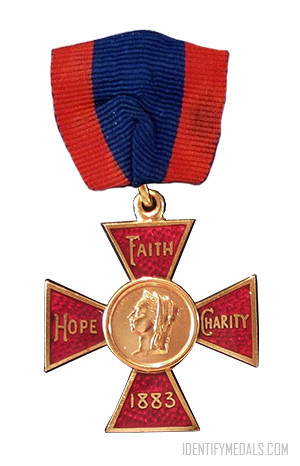
By contrast, the Royal Red Cross is a military decoration awarded in the United Kingdom and the Commonwealth for exceptional service in military nursing. Established on April 23, 1883 by Queen Victoria with a single class of Member, the Royal Red Cross was first awarded to Florence Nightingale. A second class of Associate would be added during World War I in November 1915.

Given to a fully trained military or civilian nurse of an officially recognized nursing service who shows exceptional devotion and competence in performing nursing duties over a substantial period of time or who has performed an exceptional act of bravery at his or her post of duty, the Royal Red Cross medal was exclusively conferred on women until 1967 when men became eligible. Similarly, in 1979, posthumous awards were permitted.

Both Members and Associates are entitled to use post-nominal letters, RRC and ARRC, respectively. While an initial award can be made in the first class, a second class holder—an Associate—will be promoted to the first class of Member if he or she receives a further award.

Kathleen Cambridge and the Royal Red Cross

In addition to Florence Nightingale, another prominent recipient of the Royal Red Cross was Kathleen Cambridge, who was part of a group of nurses affectionately nicknamed, “The Angels of Mons.” One of the first nurses to enter the battlefields of World War I, Cambridge convinced a Belgian family to turn their home into a hospital when she brought a group of wounded soldiers from the Battle of Mons.

Because Cambridge was not a member of the military, she was not entitled to any campaign medals. In 1916, however, Cambridge did join the Queen Alexandra’s Imperial Military Nursing Service, and King George V awarded Cambridge the Mons Star for her bravery. In 1919, she was awarded the Royal Red Cross.

All the Red Cross Medals

You can explore Red Cross medals here or go to the Red Cross Medals & Badges page. 

Sources

Guest Contributor: Rachel Basinger is a former history teacher turned freelance writer and editor. She loves studying military history, especially the World Wars, and of course military medals. She has authored three history books for young adults and transcribed interviews of World War II veterans. In her free time, Rachel is a voracious reader and is a runner who completed her first half marathon in May 2019.

Why Even the Allies Admired Field Marshal Erwin Rommel and The Medals He Won

While Erwin Rommel would become one of Germany’s most respected and honored generals, he did not grow up in a military family.
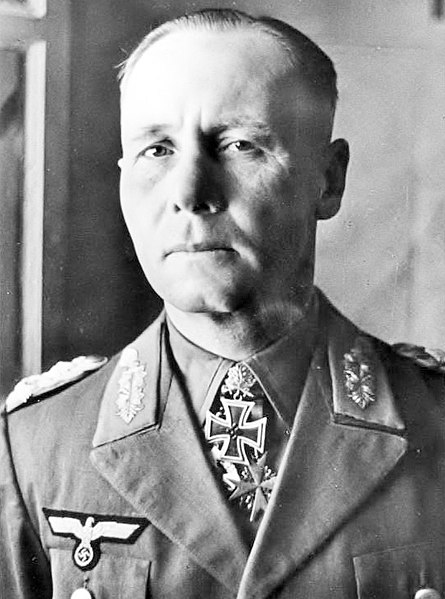
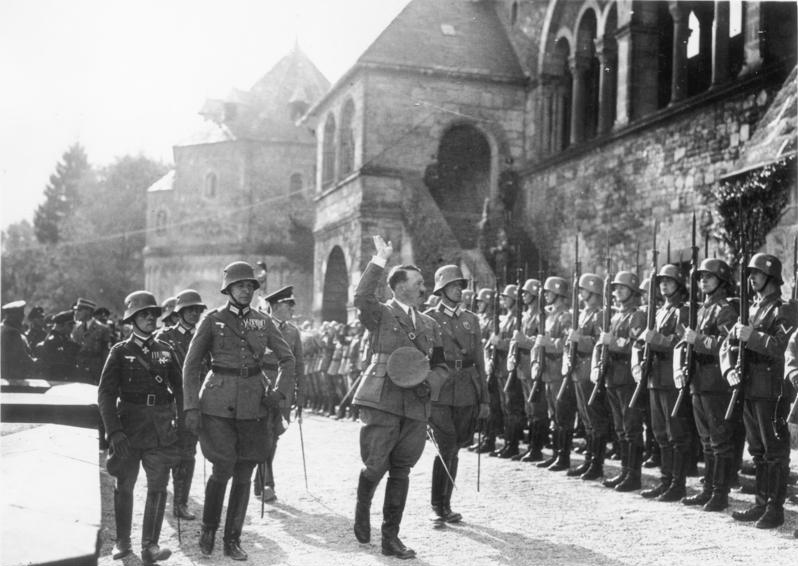
While Erwin Rommel would become one of Germany’s most respected and honored generals, he did not grow up in a military family. Rather, born in Heidenheim, Germany on November 15, 1891, Rommel was the son of a teacher.
Who Was Erwin Rommel?

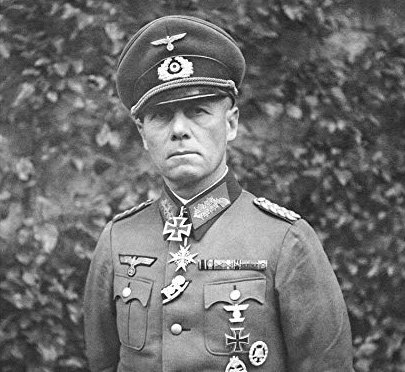
Photo of Field Marshal Erwin Rommel, c. 1942.
Photo of Field Marshal Erwin Rommel, c. 1942. Source: Wikipedia.

In 1909, as an eighteen-year-old, Rommel first attempted to join the military either in the artillery or as an engineer, but was rejected. Finally, however, in 1910, Rommel was accepted into the Germany infantry. As a cadet, Rommel was considered to be a “useful soldier,” an appellation that the rest of his military career would confirm.

Rommel served in World War I in France, Romania, and Italy and quickly learned to love the vigor of war. He became known as someone who would participate in dangerous raids and recon missions, causing his men to joke, “Where Rommel is, there is the front.”

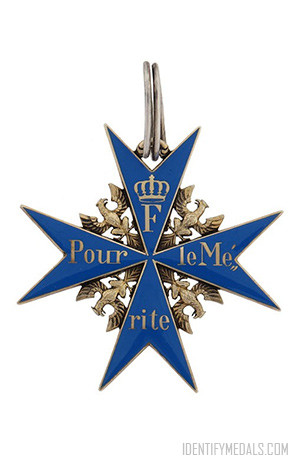
Quite the driven soldier, Rommel was intent on winning Germany’s highest military honor, known as the Pour le Merite or Blue Max, before the end of the war, which he would do in 1917. At the Battle of Caporetto, Rommel’s leadership of his company in a surprise attacked captured Mount Matajur and outflanked thousands of Italian troops, meriting the Blue Max. Rommel would proudly wear his Blue Max medal for the rest of his life.

In the mid-1930s, Rommel would write Infantry Attacks, a book that would perhaps completely alter Rommel’s military career. After Hitler read Rommel’s book in 1937, he was impressed and decided to appoint Rommel as the German Army’s liaison with the Hitler Youth. Two years later, Hitler gave Rommel command of his personal bodyguard during the Invasion of Poland in 1939.

Erwin Rommel and the Panzer Division

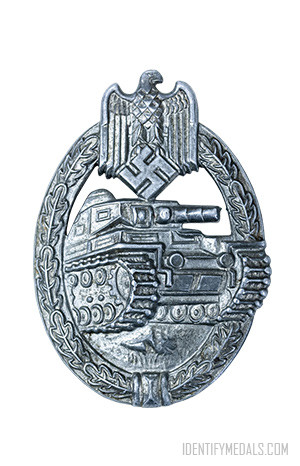
Finally, in February 1940, Hitler named Rommel as the commander of the 7th Panzer division, one of the new panzer units. It was in this command that Rommel would become a household name in countries beyond Germany. During the Battle of France, Rommel’s 7th Panzer division raced from Sedan on the border of Germany and France to the coast of the English Channel, covering 200 miles in just one week and capturing over 100,000 Allied troops as well as the French garrison of Cherbourg.

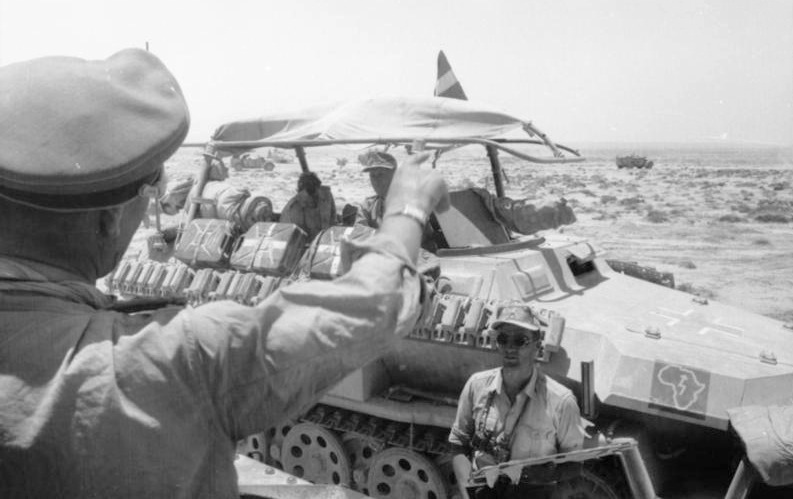
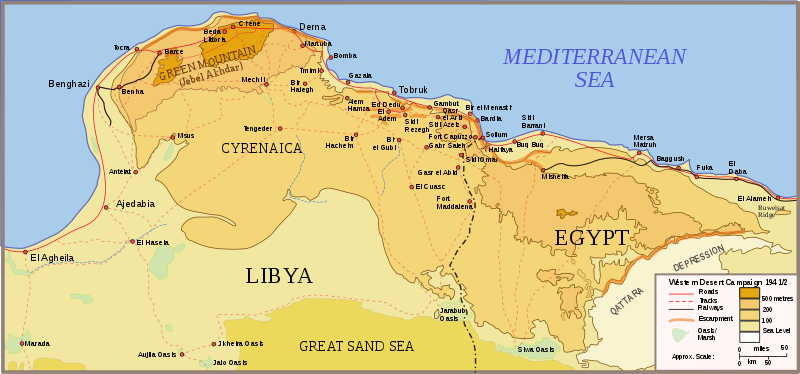
Due in large part to this success, Rommel was appointed commander of the German troops in North Africa, the Afrika Korps, a year later. At first, Rommel was unsuccessful in taking the port city of Tobruk from the British in December 1941, but when Rommel returned in June 1942, he took the city in an attack known as the Battle of Gazala. It was then that Hitler would promote Rommel to Field Marshal.

During the brief time of Rommel’s success in North Africa, which ended up lasting only several months, he would begin to win the respect of the Allies. Prime Minister Winston Churchill called Rommel “a very daring and skillful opponent” and even “a great general.” George Patton and Bernard Montgomery who both fought Rommel in North Africa likewise sang his praises.

Rommel too had a great regard for the military prowess of his enemies, Patton and Montgomery, noting that the former had “the most astonishing achievement in mobile warfare” and that the latter “never made a serious strategic mistake.

In the fall of 1942, Rommel’s success would turn with the British recapture of Tobruk at the Battle of El Alamein and the eventual loss of North Africa in May 1943. No longer needed in Northa Africa, Rommel returned to Europe to oversee the defense of the Atlantic coast in early 1944, exactly where the D-Day landings would occur in June 1944.

Rommel and Adolf Hitler in Goslar, 1934
Rommel and Adolf Hitler in Goslar, 1934. Foto Scherl Bilderdienst Berlin S.W.
Egypt & Cyrenaica, Libya: Map of the Western Desert Campaign and its Operation Compass Battle Area 1941.
Egypt & Cyrenaica, Libya: Map of the Western Desert Campaign and its Operation Compass Battle Area 1941. Source: Wikipedia.

Erwin Rommel and the 944 July Plot

Although Rommel had trusted Hitler’s leadership up until this point and did not question the FuhrerRommel began to change his tune in 1944 because he believed that Germany was going to lose the war.

Although Rommel doubted Hitler’s abilities for peace-making, evidence suggests that he did not want to dispose of him. Even so, Rommel’s contact with the conspirators in the 1944 July Plot, which was an assassination attempt against Hitler on July 20, 1944, implicated the Field Marshal in the plot against Hitler.

Given the option of facing a public trial or committing suicide, Rommel opted for the latter in order to protect his family. On October 14, 1944, German officers arrived at Rommel’s home to take him to a remote location where Rommel committed suicide through a cyanide capsule. He was 52 years old and received a full military burial, likely to appease the German public who did not know of Rommel’s connection to the assassination attempt.

Some of Erwin Rommel’s Medals

See all German Medals

In fact, the German government even told the people that Rommel had died from injuries due to Allied aircraft strafing Rommel’s car earlier in 1944. Rommel had actually won his last victory from a hospital bed recovering from these injuries. Rommel had encouraged defensive preparations at the strategic city of Caen that ended up holding the Allies at bay and inflicting heavy casualties. The truth about Rommel’s suicide would not be revealed until after the war.

Respected by his comrades and his enemies, Rommel became known as the “Desert Fox due to his penchant for surprise attacks and the “People’s Marshal” among his countrymen. Widely regarded as one of Hitler’s most successful generals and one of Germany’s most popular military officers, Rommel has continued to be honored to this day.

In addition to the adulation Rommel received from friend and foe alike, Field Marshal Rommel’s list of decorations and awards is extensive:

North Africa, Rommel in a Sd.Kfz. 250/3
North Africa, Rommel in a Sd.Kfz. 250/3. Source: Wikipedia.
Rommel's funeral procession.
Rommel's funeral procession. Source: Wikipedia.

In contrast to other well-known World War II-era Germans, Rommel has largely not been vilified. His name can be seen on two military bases, several German streets, and a monument in his hometown. While Rommel did have experience with the Nazi party and was close to Hitler, most historians agree that Rommel seemed to care more about winning military victories and promoting his own military career than condoning Nazi atrocities.

Sources

Guest Contributor: Rachel Basinger is a former history teacher turned freelance writer and editor. She loves studying military history, especially the World Wars, and of course military medals. She has authored three history books for young adults and transcribed interviews of World War II veterans. In her free time, Rachel is a voracious reader and is a runner who completed her first half marathon in May 2019.

The Maginot Line: A Defensive Barrier for World War II

World War I has just ended. France is victorious but it has cost it dearly. It’s necessary for France to defend its frontiers.
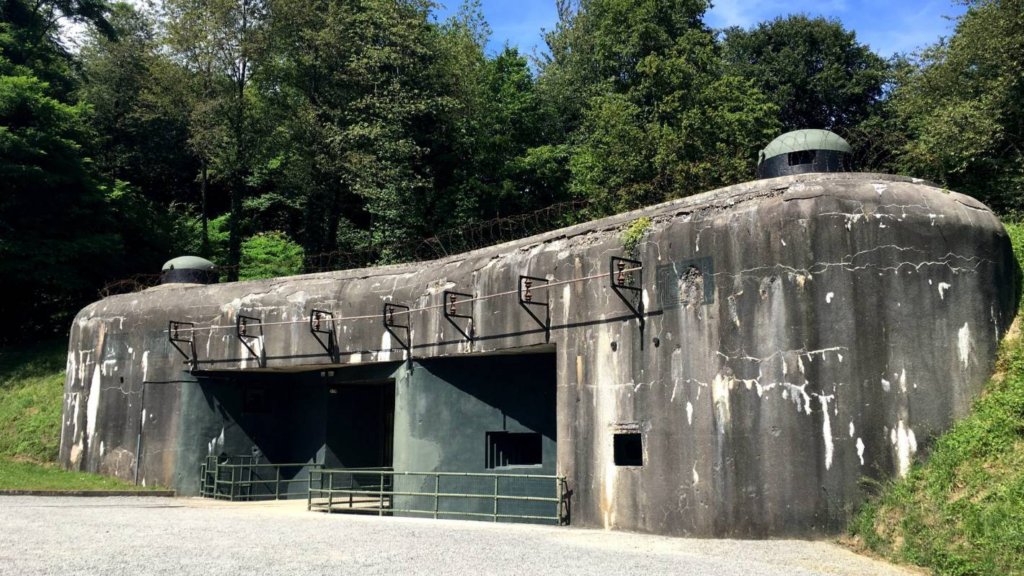
World War I has just ended. France is victorious but at a great cost. Millions of Frenchmen have died in the war, the Spanish Flu is destroying the country, and political agitation in Germany is scaring the French Government. A “Defense Council” is formed with Marshal PetainMarshal Joffre, and Marshal Foch, the French Minister of War and the French President in the late 1910’s.

It was decided that France was no match with Germany’s demography and industry, and that it was necessary for France to defend its frontiers. Was it a good decision to focus on a defensive, rather than an offensive, strategy? Marshal Petain was strongly against it, stating that France should focus on a Maneuvering Army and not a Static one.
The Frontiers of France

The Maginot Line: A Defensive Barrier for World War I

The French government decided to enact a law that would initiate the construction of a defensive line on the frontiers of France, near Switzerland and Belgium. The former had been neutral since 1815, and the latter was an ally of France. André Maginot, Minister of War in 1929, pushed hard for this law, and thus gave his name to what would later become the Maginot Line.

The Maginot Line was not a defensive line just at the German frontier, as the first Bunkers were built in Nice at the Italian Frontier in southeast France. Italy was no more a friend to France, and Benito Mussolini was increasingly more aggressive towards Savoie and the Nice territory. You can even find a lot of these bunkers in the Alps and get in if you dare to!

As the Occupation of the Rhineland was coming to an end in 1930, the French government decided to take the initiative by starting to build the defensive line at the German frontier in 1929. Until 1935, the German Frontier saw the acquisition of increasingly more defensive positions, artillery nests, bunkers, and tank traps.

How was the Maginot Line designed?

As you previously guessed, yes, the Maginot Line was a series of defensive position along the frontiers of France, some more armored than others and some more protected by terrain (the Alps is a fantastic wall, and Italy would never cross them in 1940).

The following description applies specifically for the German border. The structure of the line was very simple yet proved to be both great and really bad. The Line was divided in 4 different ones.

The first one was the weakest one, being a simple series of outposts with sentries, barbed wires, and mines. It was designed in a way that the sentries could quickly alert the second line that danger was coming. The barbed wires spread a distance of 10 to 15 meters. This was plenty for the machine guns from the second line to shoot down anything that could move in this zone as the French machine guns could shoot up to 1,200 meters.

The second line was the strongest one. Full of bunkers, more barbed wires, and mines, it was located around two kilometers behind the front line. With tank traps and machine gun nests located under heavy artillery cover, it was designed not only to hold, but also to inflict heavy casualties to the enemies.

The third line was designed to provide cover to the fighting troops in the field. With machine gun nests and bunkers, this line was designed to hold the enemy if it got through the first two lines through close quarter combat.

The fourth and last line was the logistic line: barracks, ammunition, and artillery. It was designed to provide support only. The enemy was not supposed to reach it and never really did.

The main goal of the Maginot Line was to inflict major casualties and to experience as few casualties as possible. The French demography was in no match for the German demography, and French blood had to be spared as much as possible.

The Maginot Line had a political goal too, as it was designed in a way to make the Germans attack through Belgium. Since the United Kingdom had guaranteed the independence of Belgium, if Germany dared to attack Belgium again, then the British would declare war to Germany again. But the French Government was then sure that Germany would never dare touch Belgium again.

Maginot Line in France. Graphic by Goran tek-en via Wikipedia.

This looked great but as General Patton said…

“There is no such things as successful defense.”

The defensive lines, even designed with extreme caution, had flaws. One of them is that, as you will see later on, there was no escape for some bunkers. Soldiers were trapped in shelters, cut from reinforcements and fresh air.

But the biggest flaw was that the line was incomplete because of diplomacy. To maintain a good relationship with its neutral neighbors of Belgium and Switzerland, the line at the borders of these two countries were lightly defended. It was a diplomatic strategy, but it proved to be an enormous mistake. Why? Not only because Germany did something that the French High Command did not really expect, but even worse, the line was designed in a way to defend the border and forbid the crossing of it. The back of the line was thus very vulnerable if a flanking attack happened and took the line from behind.

“Peace for our time…”

From 1936 to 1939, the line was fully occupied for different reasons and different lengths: the Rhineland re-militarization in ’36, the Anschluss, and the Sudeten crisis in ’38.

The Sudeten crisis had a major impact on the line. Political? Maybe. Strategic? No more than being a different crisis until the breakout of the war. For the Maginot Line itself, it was a disaster. When Germany annexed the Sudetenland, the Czech fortifications were thus captured and, as they were built with the help of French engineers, the Wehrmacht tested the fortifications and figured out how to break them. A few years later, this would prove to be a disaster for France.

Block 14 at the Ouvrage du Hochwald on the Maginot Line in 1940; 135 mm turret and Cloche GFM. Source: Wikipedia.
Anti-tank rails at the Casemate number 9 of the Hochwald ditch - Secteur Fortifié de Haguenau. Source: Wikipedia.

The Phony War

Poland had just rejected Germany’s demand about the Danzig corridor. War would breakout in a matter of time. The 21st of August 1939, France decided to mobilize and thus garrison the fortifications. Total mobilization would start on the 2nd of September, and war between Germany and France would start the 3rd after France declared war. During the first days of the war, nothing would happen. Besides some artillery shots, nothing. The Sarre offensive would do nothing as well.

Soon the phony war started. During winter of 1939-1940, the fortifications would continue to grow until May 1940. Did the French High Command ever expect what would follow?

“Fall Gleb”

It is the 10th of May 1940. Nothing changes as the Phony War continues. There are no casualties, and the soldiers are waiting. Waiting for what? Are they expecting anything? No. The French High Command has its “wall,” and the Army is believes that the enemies will not attack through it. They think that even attempting it would be a suicide mission.

The Wehrmacht has an other idea.

The Fall Gleb plan consisted of cutting through the Netherlands and Belgium and Luxemburg, bypassing the strongest elements of the Maginot Line. The French High Command didn’t really expect that. Even worse, they didn’t expect Germany to pierce the front in the Ardennes range and its deep forest. The Germans met some fortifications of the Maginot Line but they were only lightly defended as it was so unthinkable to attack through the Ardennes. What the Germans did was pretty simple. They basically dodged the strongest line of defense and attacked where it was weak. Punching hard in the Ardennes and in the direction of Sedan, like in 1870, the French High Command realized a disaster was happening.

The worse was yet to come as “Plan Dyle” started as a response to the German attack. The Allies entered in Belgium with the desire to counter-attack the Germans. A disaster happened during the following days through the application of the plan. The Germans were attacking deeper and deeper behind the Allies, and they were now flanking them. The Wehrmacht then attacked and pushed to the Channel and encircled most of the Allied armies in Belgium. Most of the French Armies, the British Corps, and the Belgian army began to surrender, completely cut off from the back. The Maginot Line saw little to no action. Most of the fortifications the Germans ran into were so lightly defended that it was impossible for the French troops to hold any attack there. Most of them were captured with small confrontation since the Germans were so dominant in every way. Some forts fought hard though. A strange case happened too with a fortification that would prove to be a major flaw for the Maginot Line. A bunker was isolated and couldn’t retreat and would not surrender. It was attacked, and trapped in the bunkers the soldiers were attacked by engineers. Trapped and with no fresh air, they all suffocated.

Later on, during the “Fall Rot,” it would happen many times.

The Maginot line - A diagram. Source: Wikipedia.

“Fall Rot,” or the End of the Battle of France

For a short period of time from the 25th of May until early June, the front was stabilizing and even with the loss of thousands of soldiers encircled and trapped in Belgium, the French dug behind the Aisne and the Somme rivers, and nothing happened for a few days. The Germans then launched their final battle plan, Fall Rot, which finally made France surrender.

During this final plan, the Germans attacked through the rivers and the strongest fortifications of the Maginot Line. Heroic defense from the French during 15 days would push back the Germans but the line would finally be breached on the 19th of June and then during the last 3 days of the Battle of France. The Latiremont Sector would fire up to 1577 shells a day to push back the assault groups, and even with the help of the “Big Bertha” and the Skoda Artillery Guns (305 mm), the line would hold in most of the fortifications.

The main danger would finally come from the back of the line, as General Heinz Guderian would push his panzers far behind the defensive line and encircle the French, too.

On the 22nd of June, the French Army would finally surrender to Germany, completely destroyed.

AM Bell (at the work of Welschhof). Source: Wikipedia.
GFM Bell (Ouvrage de l'Agaisen). Source: Wikipedia.
What remains of block 1 of the fort after the German experiments. (Four à Chaux, Alsace). Source: Wikipedia.

What about the Alps Front?

The Maginot Line was weaker there, but the Mountains were a fantastic defensive position for the French as the Germans or Italians would never break through. The Italians declared war the 10th in a very unfavorable terrain, and it proved to be a disaster. Only the German Armistice forced the French to surrender to Italy on the 25th of June.

There is also a very “internet famous” battle that happened during this short period. The “Battle of the Pont-Saint-Louis” gained fame, when 9 French soldiers held an enormous Italian attack, killing more than 150 Italians and only having two slightly injured soldiers.

Conclusion

The Maginot Line wasn’t so much of a bad idea in itself. It proved to be reliable, and it never really fell. Its only problem was that it was 30 years late. War changed during peace time, and the French stayed with the World War 1 strategies, which proved to be a total disaster. The war was now moving at a very fast pace.

The Blitzkrieg and the encirclement maneuvers of the Germans were very simple, and, in the end, not that well thought out. Their success was great but only because the French strategy was simply not possible during World War 2.

Guest Contributor: Kjetil Vion is a writer and a history enthusiast. A passionate of France and modern military history, he has a special interest into the Prussian state, specially since the Sadowa battle against Austria. Always wanting to learn more, he now looks to spread his knowledge in history.