The War Commemorative Medal of 1813-15

The War Commemorative Medal for 1813–1815 was established in 1813 by King Friedrich Wilhelm III of Prussia for the Wars of Liberation.

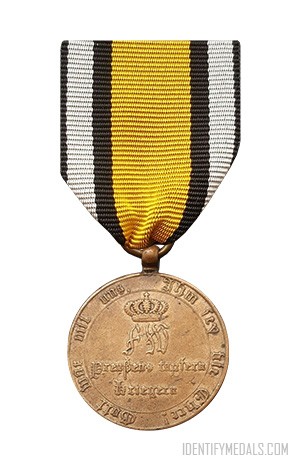
The War Commemorative Medal of 1813/15 (or Kriegsdenkmünze für 1813/15 in German) was a Prussian war commemorative medal  established on 24 December 1813 by King Friedrich Wilhelm III of Prussia to honour members of the Prussian Army who fought in the Wars of Liberation against Napoleonic France during 1813–1815.

It recognised those who served throughout the conflict, which included campaigns that eventually led to the defeat of Napoleon and the decisive Battle of Waterloo.

A later related piece, the Erinnerungs‑Kriegs‑Denkmünze, was instituted on 17 March 1863 by King Wilhelm I on the 50th anniversary of the original campaigns. This anniversary issue featured portraits of Friedrich Wilhelm III and inscriptions marking the years 1813–1815, and was intended as a keepsake for legitimate holders of the original medal and their families.

The War Commemorative Medal Design

The medal is about 29 mm in diameter and features a cross on the obverse with rays between its arms and a wreath of laurel and oak leaves encircling the year or years of service (such as 1813, 1814, or 1815). The reverse bears the crowned monogram “F. W.” for Friedrich Wilhelm and the inscription Preußens tapferen Kriegern, Gott war mit uns, Ihm sey die Ehre (“To Prussia’s brave warriors, God was with us, to Him be the glory”).

There were two versions of the medal: a combatant version struck in bronze made from captured artillery, often with the edge inscription Aus erobertem Geschütz (“From captured cannon”), and a non‑combatant version cast in iron and oval in shape, which was awarded to those who did not see active combat or who supported the war effort. The iron variant became informally known as the “Eiserne Pflaume” (“Iron Plum”) due to its shape.

Both versions were worn on the left breast suspended from distinctive ribbons: combatants on an orange ribbon edged in black and white, and non‑combatants on a white ribbon edged in black, orange, and white.

The Different Waterloo Medals

The Waterloo medal was issued by the British Government to all soldiers present during action. Seven nations of the Seventh Coalition struck differently designed medals for soldiers who took part in the campaign. These are:

The Waterloo Medal - British Medals Pre-WW1

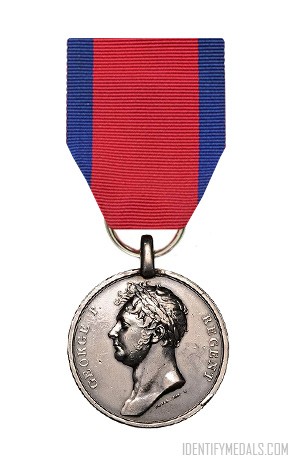
The Waterloo Medal

The Waterloo Medal is a British military medal established in 1816-17 and struck for all those who participated in the Waterloo campaign.
British Campaign Medals: The Brunswick Waterloo Medal

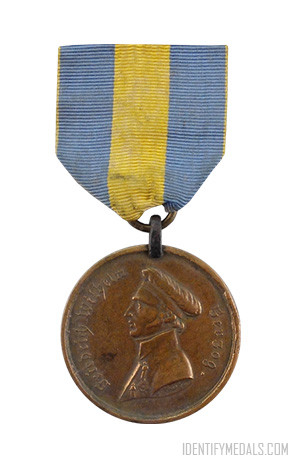
The Brunswick Waterloo Medal

The Brunswick Waterloo Medal was a campaign medal awarded to those who participated in the Battles of Quatre Bras and Waterloo.
British Campaign Medals: The Hanoverian Waterloo Medal

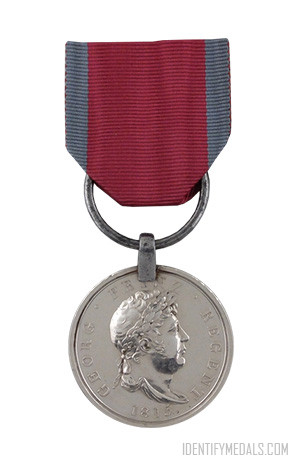
The Hanoverian Waterloo Medal

The Hanoverian Waterloo Medal was issued to all members of the Hanoverian army who fought in the battles of Quatre Bras and Waterloo.
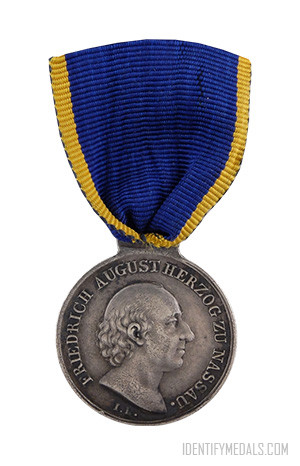
British Campaign Medals: The Nassau Medal for Waterloo

The Nassau Waterloo Medal

The Waterloo Medal is a campaign of the Duchy of Nassau established by Frederick Augustus, Duke of Nassau on 23 December 1815.
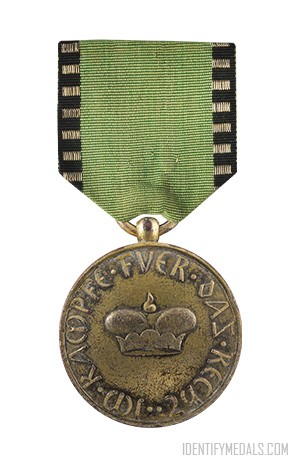
Where to Find Waterloo Medals

Right Now on eBay 
Clicking a link to eBay may result in a referral commission being paid if a purchase is made.
Loading...

The Silver Memorial Cross 1813–1815

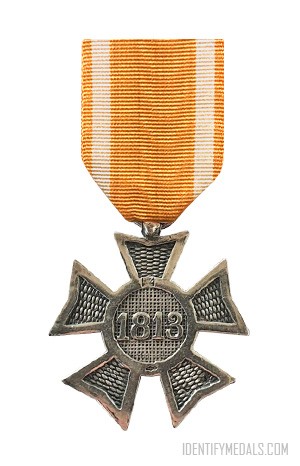
The Silver Memorial Cross 1813–1815 was a Dutch campaign medal created by King William III of the Netherlands in 1865.

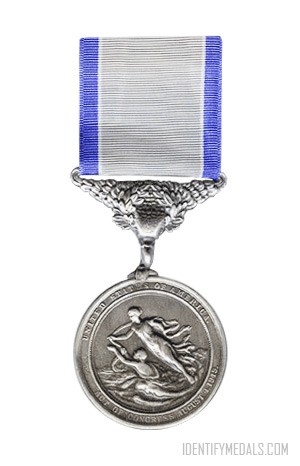
The Silver Memorial Cross 1813–1815 was a Dutch campaign medal created by King William III of the Netherlands in 1865 to honour veterans who had served in the wars that restored Dutch independence at the end of the Napoleonic Wars. It specifically commemorated service during the campaigns of 1813–1815, including the 1814 operations against French forces and the Hundred Days that culminated in the Battle of Waterloo.

The award was only given to surviving veterans, meaning it was both a retrospective recognition and a symbol of national gratitude. At the time it was issued, only a fraction of the original troops were still alive, making it a relatively rare and highly valued decoration.

The Silver Memorial Cross is historically significant because it not only commemorates military service but also represents one of the earliest examples of a state issuing a campaign medal retrospectively to surviving soldiers, decades after the conflict. It is often mentioned alongside other European post-Napoleonic commemoratives, like the Waterloo Medal.

The Silver Memorial Cross Medal Design

The cross is made of silver with five arms, featuring a central medallion engraved with the years 1813 and 1815. It was worn on a ribbon of orange with white stripes, reflecting the national colours of the Netherlands.

The medal was intended for everyday wear on military dress and ceremonial occasions, serving as a tangible link between the veterans and the country they helped free.

The Different Waterloo Medals

The Waterloo medal was issued by the British Government to all soldiers present during action. Seven nations of the Seventh Coalition struck differently designed medals for soldiers who took part in the campaign. These are:

The Waterloo Medal - British Medals Pre-WW1

The Waterloo Medal

The Waterloo Medal is a British military medal established in 1816-17 and struck for all those who participated in the Waterloo campaign.

British Campaign Medals: The Brunswick Waterloo Medal

The Brunswick Waterloo Medal

The Brunswick Waterloo Medal was a campaign medal awarded to those who participated in the Battles of Quatre Bras and Waterloo.

British Campaign Medals: The Hanoverian Waterloo Medal

The Hanoverian Waterloo Medal

The Hanoverian Waterloo Medal was issued to all members of the Hanoverian army who fought in the battles of Quatre Bras and Waterloo.

British Campaign Medals: The Nassau Medal for Waterloo

The Nassau Waterloo Medal

The Waterloo Medal is a campaign of the Duchy of Nassau established by Frederick Augustus, Duke of Nassau on 23 December 1815.

Where to Find Waterloo Medals

Right Now on eBay 
Clicking a link to eBay may result in a referral commission being paid if a purchase is made.
Loading...

The Coast Guard Silver Lifesaving Medal

Established at the same time as the gold grade in 1874, the Silver Lifesaving Medal recognizes extraordinary lifesaving efforts.

Established at the same time as the gold grade in 1874, the Silver Lifesaving Medal recognizes extraordinary lifesaving efforts that do not meet the extremely high threshold of the Gold Lifesaving Medal.

Like its gold counterpart, it transitioned from Treasury Department administration to Coast Guard responsibility and remains authorized under U.S. law. Over 1,900 Silver Lifesaving Medals have been awarded since its creation.

The Coast Guard Silver Lifesaving Medal Criteria

The Silver Lifesaving Medal is awarded to individuals who rescue or attempt to rescue someone from drowning, shipwreck, or other water‑related dangers under circumstances that show significant effort and risk but not to the same degree of personal danger required for the gold medal.

The geographic and jurisdictional requirements are the same as for the Gold Lifesaving Medal, and awards may also be made posthumously.

The Coast Guard Silver Lifesaving Medal Design

Like the gold medal, the silver version is struck from actual silver and features imagery representing lifesaving efforts.

Historically, early silver medals were worn from a light blue ribbon; post‑1949 versions use a standardized ribbon pattern with multiple colors. The obverse inscription usually identifies heroic deeds in saving life from the sea, and additional awards are often denoted by silver clasps or stars on the ribbon.

Buy Coast Guard Medals

Right Now on eBay 
Clicking a link to eBay may result in a referral commission being paid if a purchase is made.
Loading...

The Coast Guard Gold Lifesaving Medal

The Gold Lifesaving Medal is one of the oldest U.S. federal decorations, first authorized by an Act of Congress in 1874 to recognize heroism.

The Gold Lifesaving Medal is one of the oldest U.S. federal decorations, first authorized by an Act of Congress on June 20, 1874 to recognize heroism in saving lives from peril in the water.

Originally administered by the U.S. Life‑Saving Service under the Treasury Department, it became a Coast Guard‑administered award after the Life‑Saving Service merged with the Revenue Cutter Service to form the modern Coast Guard. The current legal authorization comes from Title 14 of the U.S. Code, and the medal continues to be awarded by the Coast Guard today. More than 600 Gold Lifesaving Medals have been issued since its inception.

The Coast Guard Gold Lifesaving Medal Criteria

The Gold Lifesaving Medal is awarded to any person—military or civilian—who rescues or attempts to rescue another person from drowning, shipwreck, or other perils of the water and does so at the risk of their own life, demonstrating extreme and heroic daring. The rescue must occur in waters within the United States or under its jurisdiction, or involve a U.S. citizen or vessel if outside U.S. jurisdiction. Awards may be made posthumously.

The Coast Guard Gold Lifesaving Medal Design

The medal is uniquely struck from pure gold, making it one of the few U.S. decorations made of the precious metal itself. Early versions were large, table‑display pieces; later iterations, dating from the late 19th century onward, were designed to be worn suspended from a ribbon.

The obverse depicts a rescue scene at sea, symbolizing life‑saving action, while the reverse bears inscriptions reflecting its purpose under Act of Congress.

The medal’s ribbon and size were standardized around 1949 to align with other U.S. awards. Subsequent awards are denoted by gold bars inscribed with the recipient’s name.

Buy Coast Guard Medals

Right Now on eBay 
Clicking a link to eBay may result in a referral commission being paid if a purchase is made.
Loading...

The Order of the Precious Wand

The Order of the Precious Wand was instituted in 1913 (reinstituted 1991) for strengthening democracy and cooperation with Mongolia.

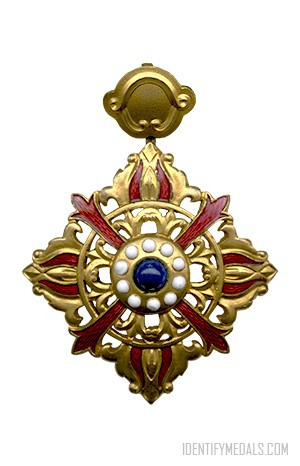
The Order of the Precious Wand, also known as the Order of the Vajra or the Order of the Precious Rod, is a Mongolian state decoration first instituted in 1913 during the era of the Bogd Khanate of Mongolia. Its creation was inspired by Mongolian leaders’ desire to establish a national honours system on the model of Russian imperial awards after Mongolia began asserting independence from Qing China. The first versions were ordered in St. Petersburg and featured multiple classes within three degrees, intended for Mongolian nobles, officials, and foreign dignitaries — especially Russians — as a symbol of diplomatic respect and alliance.

After the Mongolian Revolution of 1921, which overthrew the Bogd Khanate and ushered in a communist government, the original order was abolished as a feudal relic, though some awards were still bestowed briefly during the early revolutionary period.

In 1991, following Mongolia’s democratic transition, the Order of the Precious Wand was re-established as a contemporary state decoration with three degrees but without the older class distinctions. Today it is awarded primarily to foreign statesmen and individuals who have made significant contributions to strengthening democracy and cooperation with Mongolia. Until the establishment of the Order of Chinggis Khaan in 2002, it was once again Mongolia’s highest state award.

The Order of the Precious Wand Medal Design

The obverse (front) of earlier versions of the Order of the Precious Wand — particularly the pre-1921 badges — typically featured a central vajra (precious rod or thunderbolt) motif, which in Buddhist symbolism represents indestructibility and spiritual power. Embedded gems or enamel highlighted the vajra and surrounding ornamentation, with gilt metalwork creating a distinguished, radiant badge reflecting the order’s high prestige. These badges were often crafted in multiple classes with differing decorations, colors and metals to indicate rank within the order. 

Modern re-established versions reflect updated state symbolism but preserve the historic emphasis on the vajra/rod motif as the focal point of the obverse. Because current official descriptions do not detail each design element on Wikipedia, visual references from medal collectors are typically used to understand the medallion’s front — which combines traditional emblems with refined metallic and enamel finishes fitting a top diplomatic award.

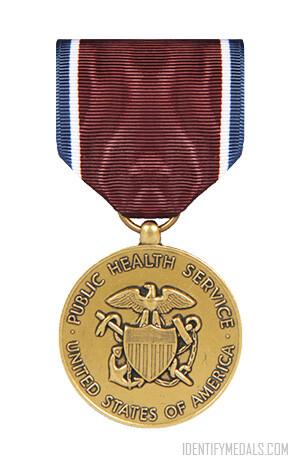
The Public Health Service Distinguished Service Medal

The highest honor awarded by the United States Public Health Service Commissioned Corps, it recognizes exceptional accomplishments.

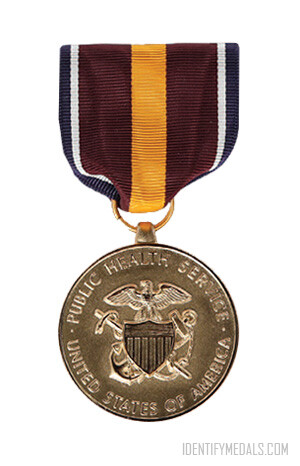
The Public Health Service (PHS) Distinguished Service Medal is the highest honor awarded by the United States Public Health Service Commissioned Corps.

It recognizes exceptional accomplishments by officers of the Corps or other members of the U.S. Uniformed Services whose achievements significantly advance the Corps’ mission. This prestigious medal is the top decoration of the Department of Health and Human Services Public Health Service Commissioned Corps.

Award Criteria

The medal is presented for extraordinary contributions that have a profound impact on national or global health. Recipients demonstrate an exceptional commitment to public service and make significant advancements in public health. The award may also honor acts of heroism that save lives or protect health.

The medal can be awarded “With Valor”, denoted by a bronze “V” device, to acknowledge acts of courage and bravery. This designation is reserved for officers who demonstrate conspicuous bravery, risking their own safety through specific actions that save or preserve lives. It does not apply to general exposure to hazardous conditions but instead requires clear evidence of extraordinary risk and heroism.

In summary:

  • Members of the United States Public Health Service
  • Commissioned Corps
  • Members of any other Uniformed Service of the United States

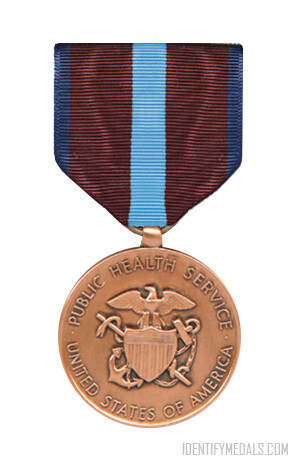
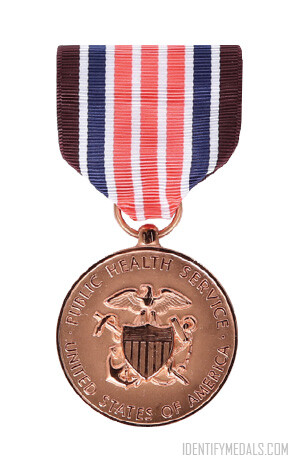
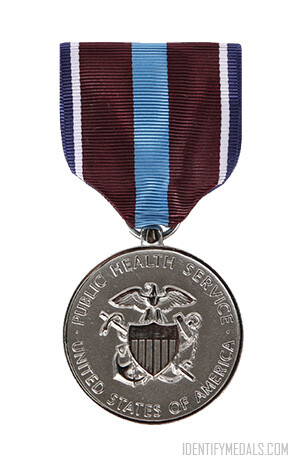
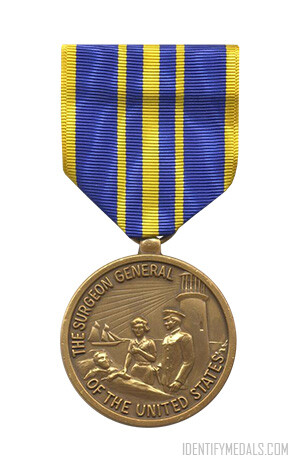
More Medals of the Public Health Service

Find This Medal Online

Right Now on eBay 
Clicking a link to eBay may result in a referral commission being paid if a purchase is made.
Loading...

The Médaille Militaire (France)

The Médaille Militaire (or French Military Medal) was established in 1952 and awarded for meritorious service and acts of bravery.

The Médaille Militaire (or Military Medal) is a distinguished military decoration of France, awarded for acts of bravery and meritorious service in action against an enemy. Reserved for non-commissioned ranks, it stands as the third-highest honor in the French Republic, following the Legion of Honour, which serves both civil and military purposes, and the Order of Liberation, an order established solely for the Second World War. This makes the Médaille militaire the highest exclusively military decoration still awarded in France.

During World War I, over 230,000 Médaille militaire honors were conferred, a testament to the sacrifices made, with 1.4 million French soldiers killed and 3 million wounded. By comparison, the British Military Medal was awarded approximately 115,000 times, and the Victoria Cross, the UK’s highest military decoration, was awarded to 627 recipients.

Established in 1852 by Louis-Napoléon Bonaparte, then-President of France, the award may have drawn inspiration from a similar medal created by his father, Louis Bonaparte, King of Holland. Following World War I, the Médaille militaire was briefly awarded to soldiers wounded in combat, adding a unique dimension to its legacy.

The Médaille Militaire Design

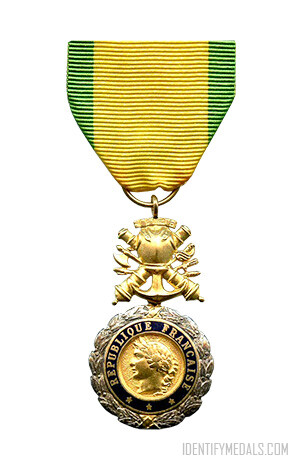
The Médaille militaire is a distinguished silver medal adorned with a laurel wreath, measuring 28 mm (1.1 in) across, encircling a central gold medallion. The medallion displays the left-facing profile of Marianne, symbolizing the French Republic, although earlier versions from the Second Empire featured Emperor Napoleon III’s profile instead. Encircling the medallion is a blue enamel ring inscribed in gold with “RÉPUBLIQUE FRANÇAISE” (“FRENCH REPUBLIC”), accompanied by a small gold star at the bottom. The number of stars varies by era, with one star for the Fourth Republic version and three stars for the Fifth Republic; the Third Republic medal bore the year “1870,” while the Second Empire version included “LOUIS-NAPOLEON” instead of “RÉPUBLIQUE FRANÇAISE” and floral embellishments beside the star.

Originally, the medal was topped with a silver imperial eagle, while later versions are adorned with a design combining a breastplate over crossed cannons, an anchor, sabres, swords, and battle axes, with a looped ring for attaching the ribbon. The reverse of the medal remains consistent across all versions, displaying the inscription “VALEUR ET DISCIPLINE” (“VALOUR AND DISCIPLINE”) in relief, surrounded by the blue enamel ring.

The Médaille militaire ribbon is 37 mm (1.5 in) wide, yellow with green edges measuring 6 mm (0.24 in) each. This ribbon design was inspired by the Order of the Iron Crown, which the Médaille militaire succeeded in France.

The Württemberg Charlotte Cross

The Württemberg Charlotte Cross was established on January 5, 1916, by King William II of Württemberg. It was named in honor of his wife.

The Charlottenkreuz (“Charlotte Cross“) was established on January 5, 1916, by King William II of Württemberg. It was named in honor of his wife, Queen Charlotte, who was born Princess Charlotte of Schaumburg-Lippe.

This decoration was intended to recognize individuals who demonstrated exceptional merit, either on the battlefield or on the home front, in caring for the wounded and ill, or in providing general war-related aid.

The Charlotte Cross Design

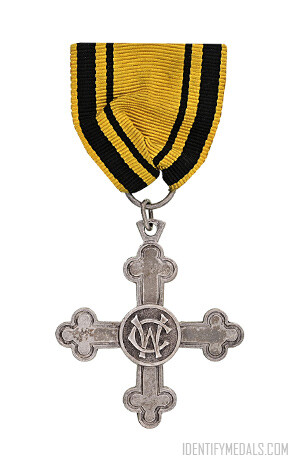
The decoration consists of a silvered white metal cross botonny with a central medallion. The front of the medallion features the intertwined initials C and W (for Charlotte and Wilhelm), while the reverse displays the year 1916.

Recipients wore the decoration on the left breast, suspended from a yellow ribbon with one narrow and one wide black stripe on each side.

Buy This Medal Online

Right Now on eBay 
Clicking a link to eBay may result in a referral commission being paid if a purchase is made.
Loading...

The Württemberg Order of Olga

The Württemberg Order of Olga was established by King Karl I of Württemberg on June 27, 1871, in honor of his queen consort.

The Order of Olga (or Olga-Orden in German) was established by King Karl I of Württemberg on June 27, 1871, in honor of his queen consort, Grand Duchess Olga Nikolaevna of Russia.

The order was primarily intended to recognize women who provided care for wounded soldiers during the Franco-Prussian War of 1870-1871. Although it was occasionally awarded to men, it predominantly remained an order for women.

The Order of Olga Design

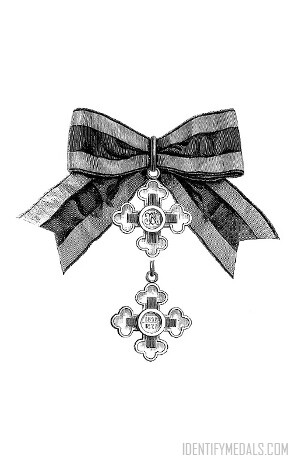
The insignia of the Order of Olga featured a silver cross with the interlocking ciphers of King Karl and Queen Olga on the obverse and the years 1870-71 on the reverse.

This emblem was suspended from a red and black ribbon. 

The Friedrich Order

The Friedrich Order was a prestigious order of merit in the German Kingdom of Württemberg. It was instituted on January 1, 1830.

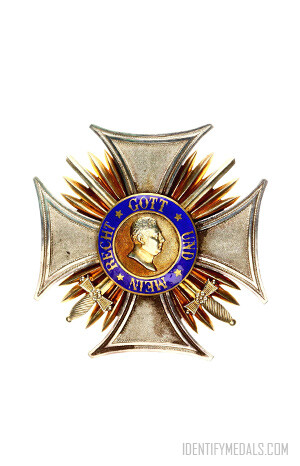
The Friedrich Order (or Friedrichs-Orden or Friedrichsorden in German) was a prestigious order of merit in the German Kingdom of Württemberg. It was instituted on January 1, 1830, by King Wilhelm I in honor of his father, King Friedrich I. The order was abolished in 1918 with the end of the monarchy.

The Friedrich Order Classes

Initially created as a single-class order that conferred nobility, the Friedrich Order was restructured on January 3, 1856, into four classes. On September 29, 1870, a Knight 1st Class and a military division with swords were added, with existing Knights being appointed to the new 1st Class. In 1892, the “Medal of the Order of Frederick” was introduced. An additional rank, the Grand Cross with Crown, was established on March 6, 1899.

The classes were:

  1. Grand Cross with Crown
  2. Grand Cross
  3. Commander 1st Class
  4. Commander 2nd Class
  5. Knight 1st Class
  6. Knight 2nd Class
  7. Medal

Buy This Medal Online

Right Now on eBay 
Clicking a link to eBay may result in a referral commission being paid if a purchase is made.
Loading...