Medals of Independence: Commemorating Africa’s Liberation Movements

The medals and honors awarded to individuals and groups who played pivotal roles in Africa’s struggle for independence from colonial rule.

Africa’s struggle for independence from colonial rule marked a pivotal chapter in the continent’s history, characterized by resilience, unity, and the pursuit of freedom. Central to this transformative period were the individuals and groups who dedicated themselves to liberation movements, seeking to overthrow colonial regimes and establish self-governance.

In recognition of their sacrifices and contributions, medals and honors were bestowed upon these heroes of independence, serving as tangible symbols of courage, leadership, and perseverance. So, let’s take a look at some of these awards, their stories, and meaning.

The Historical Context

During the colonial era in Africa, which spanned from the late 19th century to the mid-20th century, European powers such as Britain, France, Belgium, Portugal, and Germany imposed their rule over vast territories on the African continent. This period was characterized by the systematic exploitation of Africa’s natural resources, forced labor, cultural suppression, and the imposition of colonial administrations that favored European interests.

The impact of colonialism on Africa was profound and far-reaching. Indigenous populations were subjected to harsh treatment, including forced displacement, enslavement, and violence. Economic systems were structured to benefit colonial powers, too, leading to the extraction of wealth from Africa to European countries.

In response to these injustices, liberation movements began to emerge across Africa. These movements were fueled by a desire for self-determination, freedom from foreign domination, and the restoration of African sovereignty. 

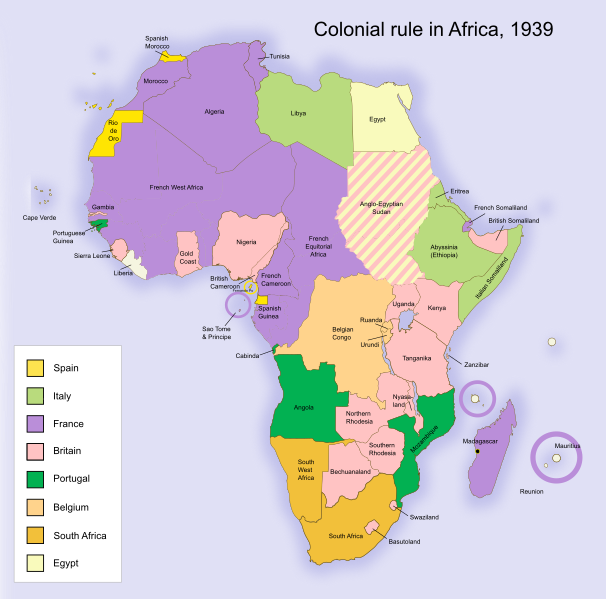
European control in 1939, the year the Second World War began
European control in 1939, the year the Second World War began.

Medals and Honors of the African Independence Movement

The medals awarded during Africa’s struggle for independence reflected the diverse nature of liberation movements and the individuals involved. Criteria for receiving these honors often included acts of bravery, leadership, and dedication to the cause. Medals were designed to embody the spirit of liberation, featuring motifs such as freedom symbols, national emblems, and cultural icons.

Among the recipients of these medals were iconic leaders such as Nelson Mandela, Julius Nyerere, and Kwame Nkrumah, whose visionary leadership and unwavering commitment to liberation inspired generations. Additionally, grassroots activists, freedom fighters, and ordinary citizens were recognized for their contributions to the struggle, underscoring the collective effort that drove Africa towards independence.

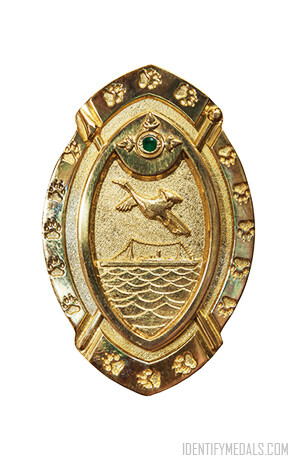
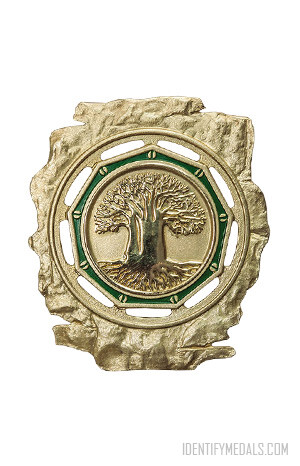
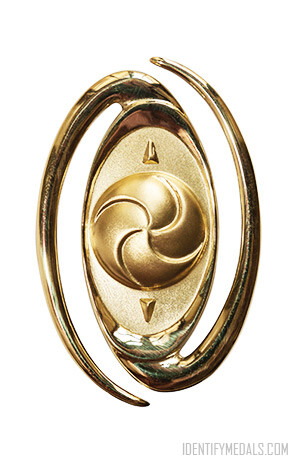
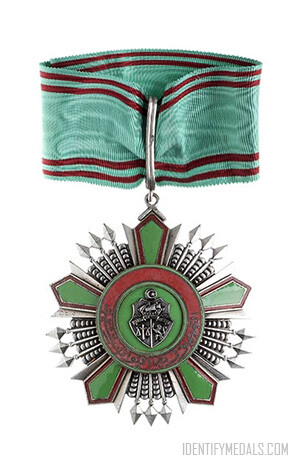
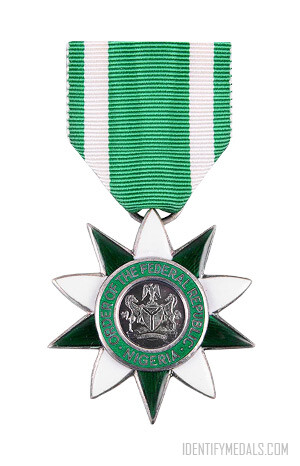
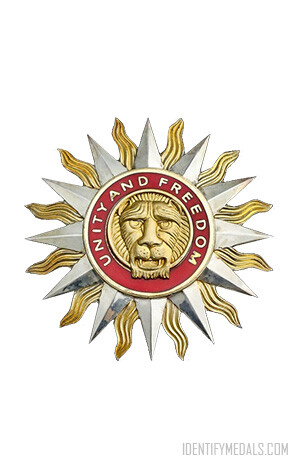
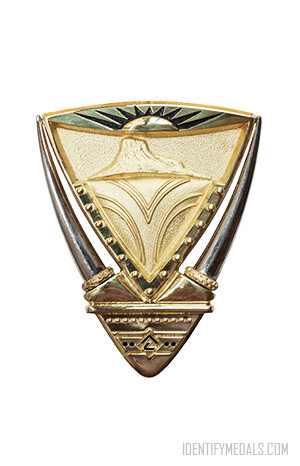
Here are some example of such medals (in his case, all from South Africa):

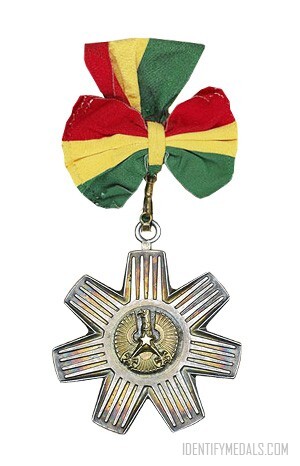
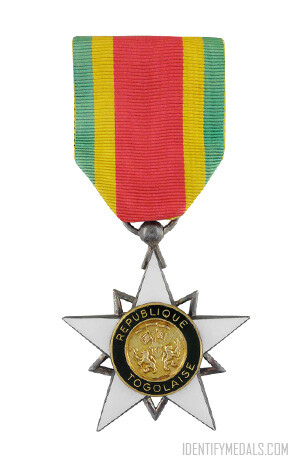
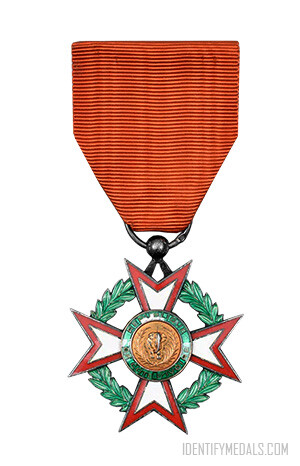
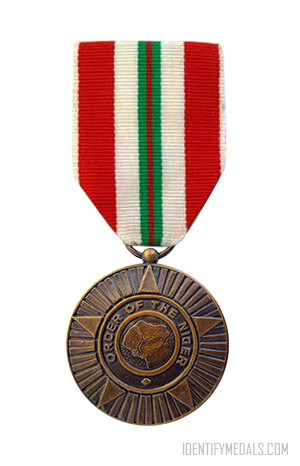
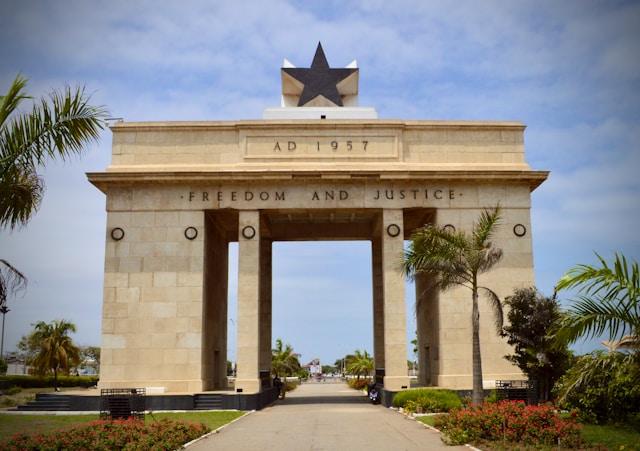
Other medals established to celebrate the independence of African countries include:

It Only Takes Two, and Other Sundry Facts About American Civil War Medals

Even if you don’t know much about military medals, you probably know a thing or two about some of the medals awarded during World War I or World War II. But unless you’re a Civil War history buff, you may have no clue about the medals, decorations, and orders received during the American Civil War of 1861-1865.

It turns out that it doesn’t take many medals to have a complete U.S. Civil War collection unlike other military medal collections such as Third Reich medals or USSR medals. You only need two for an official Civil War medal collection!

Civil War Medals: The Medal of Honor

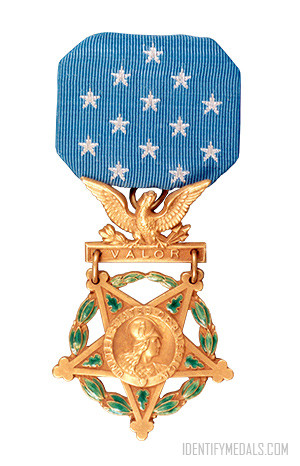
There was only one federally sponsored and issued medal during the Civil War, and that was the Medal of Honor, which was actually created during the Civil War. Signed into law by President Abraham Lincoln, a Navy Medal of Honor was first authorized on December 21, 1861 followed by an Army Medal of Honor, which was authorized on July 14, 1862.

Now the Medal of Honor is the highest military decoration that any member of the U.S. Armed Forces can receive, but it was the only decoration in the Civil War, and only enlisted personnel were eligible. Today the criteria to receive a Medal of Honor are very high, but it was different during the Civil War.

As an example, Secretary of War Edwin M. Stanton promised a Medal of Honor to any man who extended his enlistment in the 27th Maine Volunteer Regiment, and because there was no official list of names who did and didn’t, the War Department issued 864 Medals of Honor, one for every man in the unit. These 864 medals were later reviewed and revoked in 1916 by a military board.

Over 40 percent of the Medals of Honor awarded to date—1,522 out of 3,464 medals—were bestowed during the Civil War. In fact, some Civil War Medals of Honor years after the end of the war, including Andrew Jackson Smith whose medal was awarded in 2001 and Alonzo Cushing in 2014.

While we can’t begin to list everyone, some famous recipients include Private Jacob Parrot of Andrews’ Raid, William Harvey CarneyDr. Mary Walker, and Thomas Ward Custer.

The first Medals of Honor were given to participants of Andrews’ Raid or the Great Locomotive Chase with Private Jacob Parrot as the first person ever to be awarded the Medal of Honor.

During Andrews’ Raid named after James J. Andrews, 22 Union volunteers snuck behind enemy lines to Atlanta to steal a train to ride up north to Chattanooga. They also tried to burn bridges, destroy railroad tracks, and cut telegraph lines. The idea was to cut off Chattanooga, which was under control of the Confederates, from reinforcements just as the Union Army was attacking the city. Unfortunately, the raid failed, and some of the raiders were captured and executed. Even so, the raiders were regarded as heroes, and all but two of the military members received Medals of Honor, some posthumously.

At least 32 Medals of Honor were awarded to African-Americans, and William Harvey Carney was the first. Born a slave in Virginia, he finally found freedom in Massachusetts. He volunteered to join the 54th Massachusetts Infantry Regiment, the first African-American unit in the northern states although it was led by white officers.

Tasked with taking Fort Wagner, a beachhead fortification that protected the southern Charleston Harbor, the 54th was chosen for the second attack. The Union flag bearer was killed as the soldiers stormed the fort, but Carney stepped in and held the flag for the remainder of the battle, never losing possession of the flag despite several injuries. Unfortunately, the 54th was forced to retreat, but, as Carney said after the battle, “the old flag never touched the ground.” Carney was awarded the Medal of Honor in 1900, thirty-five years after the end of the Civil War.

Individuals who have received two Medals of Honor are rare, and Thomas Ward Custer is a part of this elite group, receiving both medals for actions during the Civil War. His first medal was awarded for actions during the Battle of Namozine Church where he led a cavalry charge while under fire, seized a Confederate flag, and took 14 Confederates prisoner. Custer’s second medal was awarded for actions three days later at the Battle of Sailor’s Creek where he again took a Confederate flag during a cavalry charge. Singlehandedly breaking a Confederate line, Custer charged at the Confederate flag-bearer, received a shot to the face before quickly recovering to kill the flag-bearer, and finally presented the flag to his brother, George Armstrong Custer.

Thomas Custer, George Custer, and one other brother would die at the Battle of Little Bighorn in 1876.

Civil War Medals: The Civil War Campaign Medal

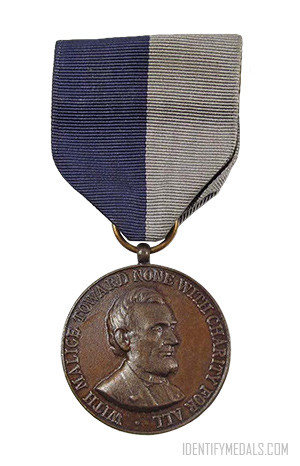
The other state-issued medal was the Civil War Campaign Medalauthorized by the War Department in 1907 for both Union and Confederate veterans who had served between April 15, 1861 and April 9, 1865 or service in Texas through August 20, 1866.

Referred to as a “badge” at the time, the Civil War Campaign Medal was first issued in 1909 (the medal was originally established as a badge because Congress would not approve a medal due to the costs involved.) The blue and gray ribbon denotes the respective uniform colors of the U.S. and Confederate troops. 

The medal was designed by Francis D. Millet, a noted sculptor who perished on the RMS Titanic in 1912. The monies necessary to mint and issue the medal were not appropriated by Congress until 1956 – 91 years after the war ended. The medal was then struck at the Philadelphia Mint. Its obverse displayed an engraved image of Abraham Lincoln while the Navy and Marine Corps versions depicted the USS Monitor and CSS Virginia‘s battle at Hampton Roads. The reverse has the words “The Civil War 1861-1865” encircled by a wreath. 

Civil War Medals: The Davis Guard Medal

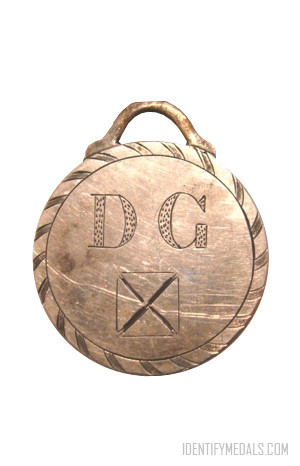
In addition, the Confederacy awarded one medal during the Civil War known as the Davis Guard MedalExtremely rare, the medal was given to the Davis Guards, a militia company organized in Houston, Texas, for their actions at the Battle of Sabine Pass on September 1, 1863. 

Issued by the residents of Sabine Pass although sanctioned by the Confederacy, the medal was issued in gratitude for the Confederate men who held back a Union force numbering in the thousands. It was presented as a one-time award to exactly 50 men (in addition to the 49 members of the battery, the award was also presented to Jefferson Davis as the unit’s honorary commander)

The medal consisted of a silver Mexican coin polished smooth with the letters “DG” on the front above a cross pattee. The reverse bore the inscription “Sabine Pass Sept. 23, 1864” in cursive script.

Civil War Medals: Other Medals

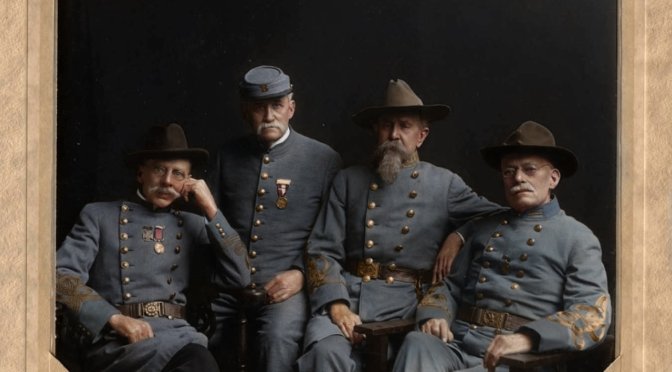
Even though you may have seen photos of Civil War soldiers or veterans with medals, most of these are medals from local military units or veteran medals of common organizations. As one example, many states awarded “first call” or “first defender” medals to individuals who voluntarily enlisted after President Lincoln’s first call to arms in April 1861.

Ohio was one of the first—if not the first—to issue state awards. Patterned after the British Crimean War Medal of 1854, 20,000 medals were produced immediately at the end of the war. The reverse of each medal is hand engraved to the recipient with his unit.

In addition, you should know that many of the awards given during the Civil War had some connection to capturing or saving regimental flags, which were the rallying point for the unit and guided its movements. Losing a flag could sometimes even disrupt a unit more than the death of the commanding officer.

In the end, you might want to consider starting a U.S. Civil War medal collection, as you’ll easily be able to say that you have all the official medals after just acquiring two! However, you might also enjoy trying to see how many different medals you could find from local units and veterans’ organizations. In that case, you’ll have to do a little bit more work!

Sources


Guest Contributor: Rachel Basinger is a former history teacher turned freelance writer and editor. She loves studying military history, especially the World Wars, and of course military medals. She has authored three history books for young adults and transcribed interviews of World War II veterans. In her free time, Rachel is a voracious reader and is a runner who completed her first half marathon in May 2019.

Florence Nightingale: The Life and Medals of the Lady With the Lamp

Florence Nightingale became a common household name due to her part in the Crimean War. She turned nursing into a respectable profession for women.

Born on May 12, 1820 to wealthy English parents, Florence Nightingale was named after the Italian city in which she was born—Florence, Italy—just like her sister Parthenope who had been born in Naples and was given the Greek name for the ancient city. 

When they returned to England, the Nightingale family divided their time between their two homes: Lea Hurst in Derbyshire for the summer and Embley in Hampshire for the winter.  

Who Was Florence Nightingale?

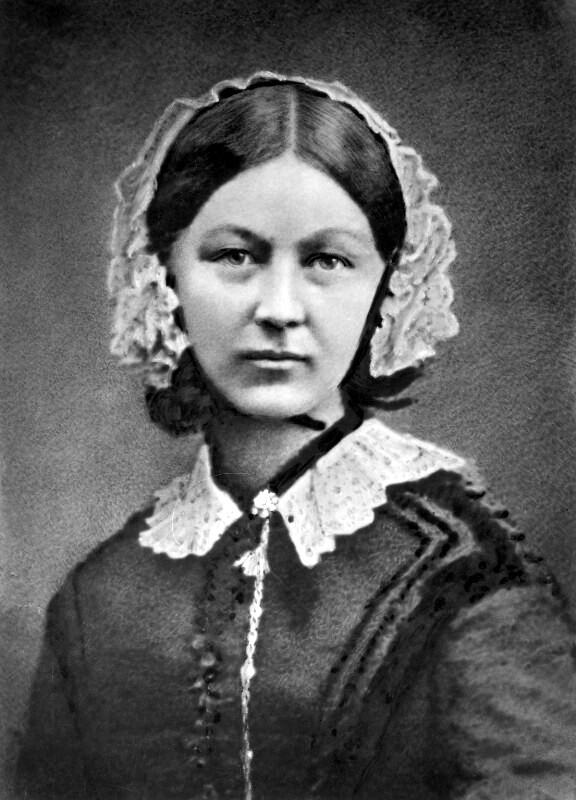
Florence Nightingale, circa 1860. Photograph by Henry Hering (1814-1893)
Florence Nightingale, circa 1860. Photograph by Henry Hering (1814-1893) - National Portrait Gallery, London.

Although many Victorian women did not attend universities, pursue professional careers, or receive an education, Florence’s father William believed that his daughters should have the opportunity to get an education. Thus, he decided to teach his daughters a variety of subjects, including Italian, Latin, Greek, history, and mathematics. Florence, in particular, excelled academically, and she received superb preparation in mathematics from her father and her aunt. It is due in part to Florence’s education as a child that her two greatest life achievements—pioneering the field of nursing and reforming hospitals—were possible.  

As Florence received her education from a young age, she also was very active in ministering to the ill and poor people in the village near her family’s estate. By the time she reached the age of 16, she believed that nursing was her calling and divine purpose. At first, her family did not take too kindly to this idea.

But Florence insisted. She turned down a marriage proposal and enrolled as a nursing student at the Lutheran Hospital of Pastor Fliedner in Kaiserwerth, Germany in 1844.

Florence Nightingale and the Crimean War

Florence Nightingale became a common household name due to her part in the Crimean War, which lasted from 1854 to 1856. In 1853, Florence had returned to London from Germany and began serving as an unpaid superintendent of an organization for gentlewomen suffering from illness and did so for a year. When the war broke out in 1854, Sidney Herbert, the Secretary of War, recruited Florence and 38 nurses to serve in Scutari during the Crimean War.

Florence and the nurses left London on October 21, 1854, crossing the English Channel, traveling through France to Marseilles, and sailing on to Constantinople (modern-day Istanbul) before arriving on November 3, 1854. Scutari was located near Constantinople, and the conditions were abysmal. The hospital was replete with vermin and lacked even basic equipment and provisions.

Moreover, the medical staff could not keep up with the substantial number of soldiers who were being shipped from across the Black Sea away from the fighting in Crimea. Even worse, more patients were dying from disease and infection than from battle wounds.

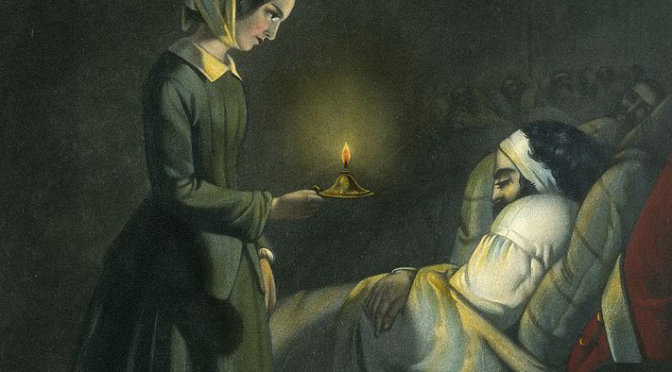
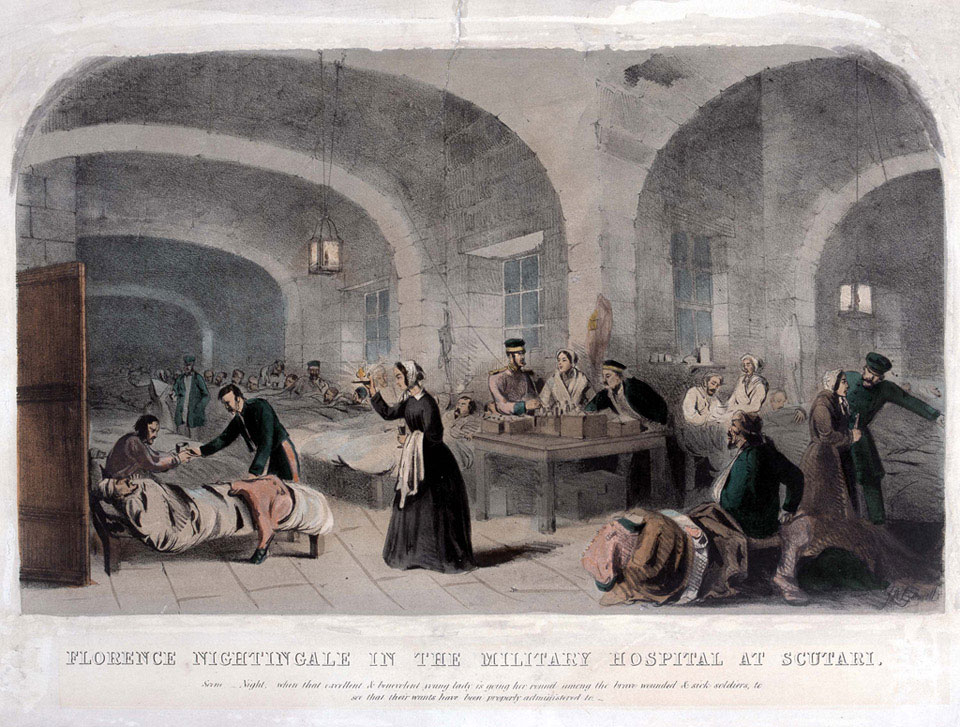
Florence Nightingale in the Military Hospital at Scutari', 1855
Florence Nightingale in the Military Hospital at Scutari, 1855. Courtesy of National Army Museum.

Florence Nightingale in Florence

Florence and her nurses got right to work. They turned the hospital into a significantly more healthy environment by washing the linens and clothes, improving the medical and sanitary arrangements, writing home on behalf of the soldiers, and introducing reading rooms. Within six months, the death rate of the patients fell from 40 percent to a mere 2 percent.

It was here at Scutari that Florence would acquire the nickname of “the Lady with the Lamp.” According to the TimesFlorence would walk among the beds at night, checking on the wounded men with a light in her hand. This image—in a similar way to the flag-raising at Iwo Jima—captivated the public, and she became a celebrity with her own “cult following.”

Henry Wadsworth Longfellow was one of many to admire Florence and immortalized her in his poem Santa Filomena:

Whene’er is spoken a noble thought Our hearts, in glad surprise, To higher levels rise. The tidal wave of deeper souls Into our inmost being rolls, And lifts us unawares Out of all meaner cares. Honor to those whose words or deeds Thus help us in our daily needs, And by their overflow Raise us from what is low! Thus thought I, as by night I read Of all the great army of the dead, The trenches cold and damp, The starved and frozen camp, — The wounded from the battle-plain In dreary hospitals of pain, The cheerless corridors, The cold and stony floors. Lo! in that house of misery A lady with a lamp I see Pass through the glimmering of gloom And flit from room to room. And slow, as in a dream of bliss, The speechless sufferer turns to kiss Her shadow, as it falls Upon the darkening walls. As if a door in heaven should be Opened, and then closed suddenly, The vision came and went, The light shone and was spent. On England’s annals, through the long Hereafter of her speech and song, That light its rays shall cast From portals of the past. A lady with a lamp shall stand In the great history of the land, A noble type of good, Heroic womanhood. Nor even shall be wanting here The palm, the lily, and the spear, The symbols that of yore Saint Filomena bore.

After several months of working at the hospital in Scutari, Florence desired to witness the conditions of the army at Balaklava herself and left on May 2, 1855. In just a few days of arriving in the harbor, she was struck with “Crimean fever,” and it was feared that Florence would die. By the end of the month, however, Lord Raglan telegraphed London that she was out of danger. Nonetheless, her complete recovery was slow due in part to her demanding schedule as a nurse.

Florence’s experiences in the Crimean War completely changed her, and when she returned to England in August 1856, she began to campaign for the reform of nursing and the sanitation of hospitals. Within three years, the Nightingale Fund had reached over £40,000, which Florence used to establish the Nightingale Training School at St. Thomas’ Hospital on July 9, 1860. After nurses received their training, they were sent to hospitals across Britain to introduce Florence’s ideas.

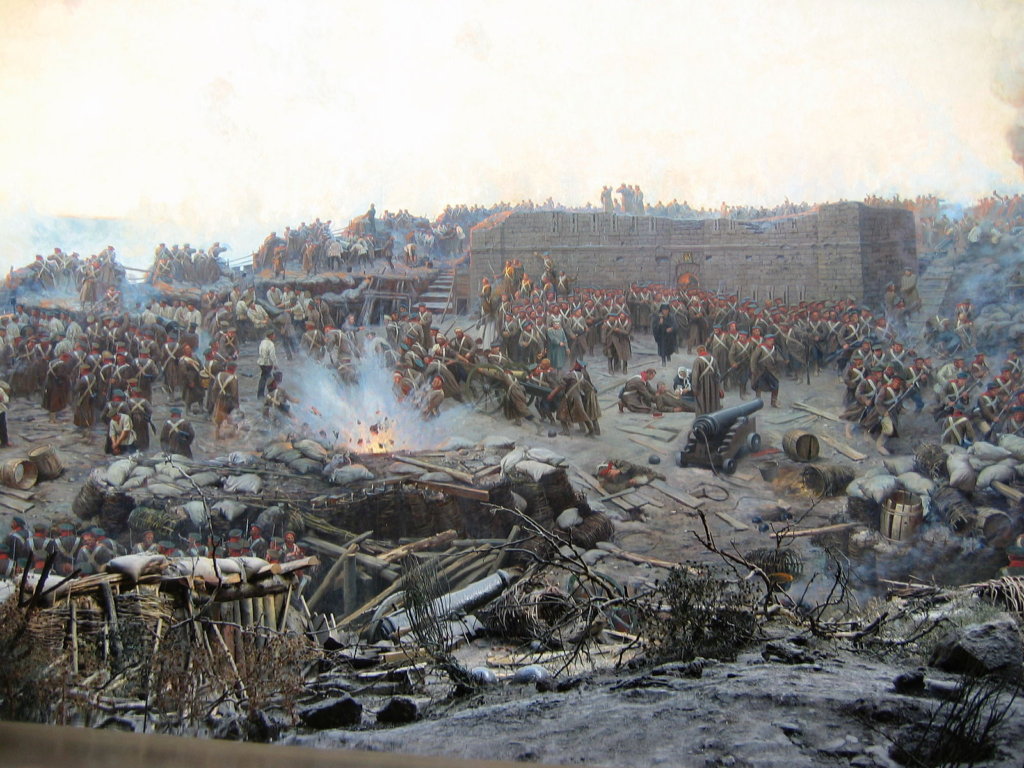
Detail of Franz Roubaud's panoramic painting The Siege of Sevastopol (1904).
Detail of Franz Roubaud's panoramic painting The Siege of Sevastopol (1904). Source: Wikipedia.

Florence Nightingale's Books

Around this time, Florence also published two books, Notes on Hospital and Notes on Nursing, both published in 1859. These books, in addition to about 200 other books, pamphlets, and reports on hospital, sanitation, and other health-related issues, would lay the foundations for modern nursing.

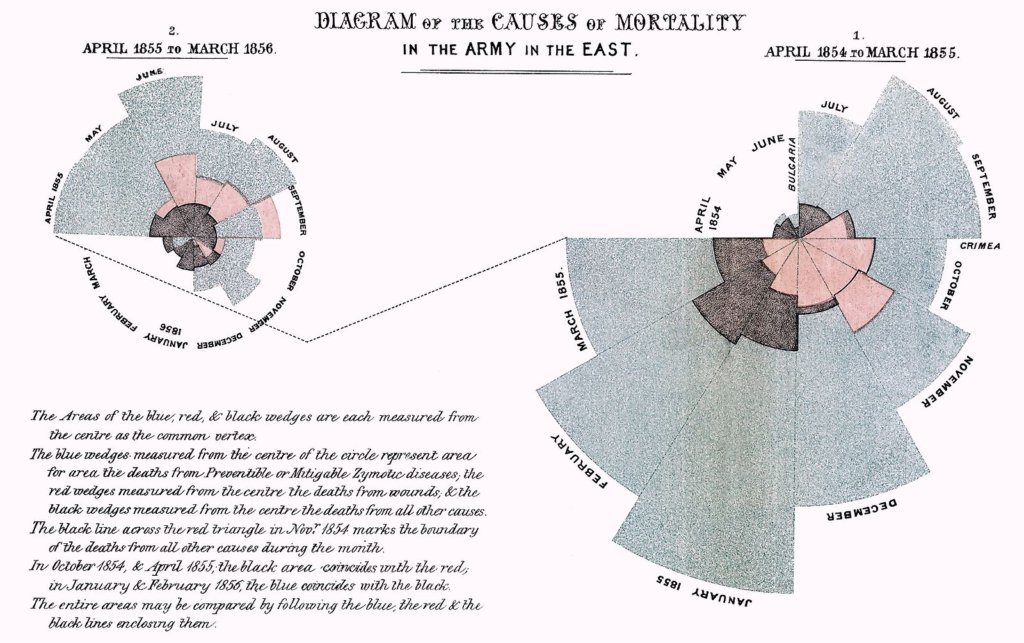
This "Diagram of the causes of mortality in the army in the East" was published in Notes on Matters Affecting the Health, Efficiency, and Hospital Administration of the British Army and sent to Queen Victoria in 1858.
This "Diagram of the causes of mortality in the army in the East" was published in Notes on Matters Affecting the Health, Efficiency, and Hospital Administration of the British Army and sent to Queen Victoria in 1858. Source: Wikipedia.

Florence lived until the age of 90, dying on August 13, 1910. Even though she had the opportunity to buried in Westminster Abbey, her relatives declined the offer, and she was instead buried at St. Margaret Church in East Wellow near her parents’ home.

Florence’s work and achievement cannot be understated. She turned nursing into a respectable profession for women. Previously with the exception of nuns, most women who worked as nurses were working-class and often poorly trained and disciplined. Florence was determined to educate women in the field of nursing and turn it into a respectable occupation. Due in large part to her work in Crimea, Florence helped to transform the public image of nursing.

The Legacy of Florence Nightingale

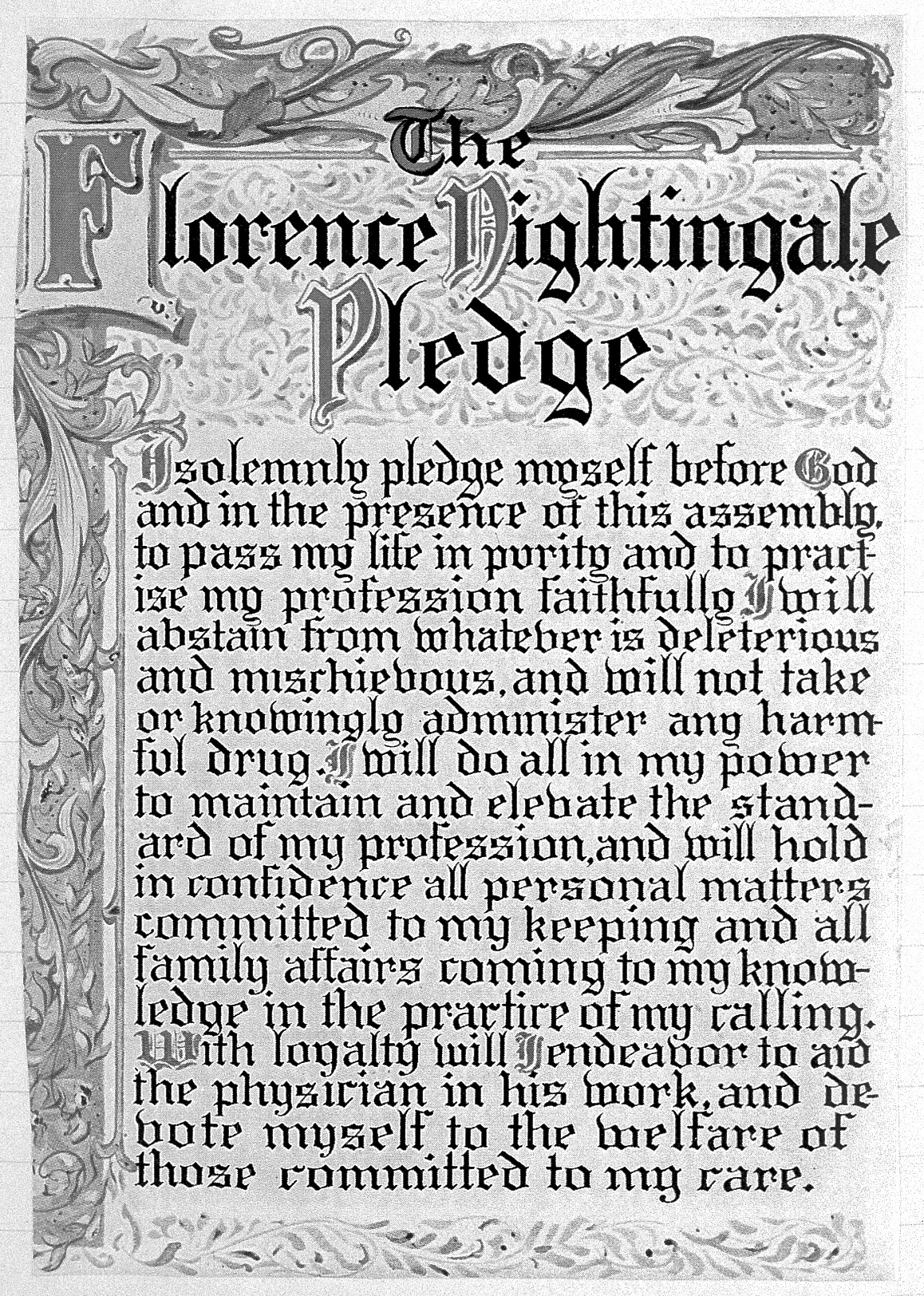
Pledge of Florence Nightingale. Credit: Wellcome Library, London.

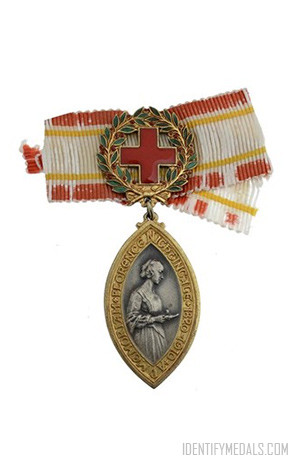
Even today, Florence continues to be recognized for her pioneering work. New nurses take the Nightingale Pledge, and the Florence Nightingale Medal, issued by the International Committee of the Red Cross beginning in 1912, is the highest international award that a nurse can achieve.

Like the woman named in honor, the Florence Nightingale Medal is awarded to nurses or nursing aides who exhibit “exceptional courage and devotion to the wounded, sick or disabled or to civilian victims of a conflict or disaster” or “exemplary services or a creative and pioneering spirit in the areas of public health or nursing education.” In addition, International Nurses Day has been celebrated on her birthday (May 12) each year since 1965.

Less well known are Florence’s mathematical achievements. However, her reforms in hospital sanitation methods were due to her use of new techniques in statistical analysis. Florence developed a “polar-area diagram” to depict the needless deaths that had been caused by unsanitary conditions. In this way, Florence was innovative in collection, graphical display, interpretation, and tabulation of descriptive statistics.

Even today, Florence continues to be recognized for her pioneering work. New nurses take the Nightingale Pledge, and the Florence Nightingale Medal, issued by the International Committee of the Red Cross beginning in 1912, is the highest international award that a nurse can achieve.

Like the woman named in honor, the Florence Nightingale Medal is awarded to nurses or nursing aides who exhibit “exceptional courage and devotion to the wounded, sick or disabled or to civilian victims of a conflict or disaster” or “exemplary services or a creative and pioneering spirit in the areas of public health or nursing education.” In addition, International Nurses Day has been celebrated on her birthday (May 12) each year since 1965.

Less well known are Florence’s mathematical achievements. However, her reforms in hospital sanitation methods were due to her use of new techniques in statistical analysis. Florence developed a “polar-area diagram” to depict the needless deaths that had been caused by unsanitary conditions. In this way, Florence was innovative in collection, graphical display, interpretation, and tabulation of descriptive statistics.

Florence even received an award from Queen Victoria herself: a jeweled brooch designed by Victoria’s husband, Prince Albert, with the dedication: “To Miss Florence Nightingale, as a mark of esteem and gratitude for her devotion towards the Queen’s brave soldiers.”

Sources:

Guest Contributor: Rachel Basinger is a former history teacher turned freelance writer and editor. She loves studying military history, especially the World Wars, and of course military medals. She has authored three history books for young adults and transcribed interviews of World War II veterans. In her free time, Rachel is a voracious reader and is a runner who completed her first half marathon in May 2019.

The Battle of Königgrätz Sadowa and the Birth of a New Era

Königgrätz Sadowa is one of the most important battles in history. Its modern tactics would be later used in the Franco-Prussian War and WW1.

It only takes one man and his dream to deeply change the world. Back in the 19th century, Germany was a mass of Duchies and little kingdoms dominated by Austria. But as Napoleon started shaking Europe, Austria began to lose its grip on the German states and the ruins of the Holy Roman Empire. The congress of Vienna tried to rebuild this order, introducing the German Confederacy but the tension between its two major powers, Prussia and Austria, kept raising through the years.

The birth of the Zollverein in 1834, a custom union unifying the northern German states and Prussia, left Austria isolated. The prosperity of this union kept reinforcing the power of Prussia and the members of this Union soon became “vassals” of Prussia. The War of the Duchies, fought in 1864 against Denmark, gave even more power to the Prussian Kingdom and the war between Austria and Prussia became unavoidable. The final fight between these two kingdoms would leave only one winner, a winner would dominate the German states for many years to come.

Battle of Koniggrätz between prussian and austrian soldiers (1866)
Overview of the Battle of Koniggrätz between prussian and austrian soldiers (1866).

“The Deutscher Krieg”

On the 8th of June 1866, Prussia decided to go on and occupy the Duchies ceded by Denmark to Austria in 1864. Austria thus chose to mobilize its army and war was on its way. Both sides had multiple allies: Prussia had the Kingdom of Piedmont-Sardinia (Later known as Italy) and minor German states such as Bremen, Lübeck and Hamburg. Austria had substantial allies such as the Kingdoms of Bavaria and Saxony. Both sides were of equal size but a long economic crisis was plaguing Austria. The state was heavily indebted, suffering from the Hungarian revolution (1848) and the second Italian war of Independence.

The Prussian economy was in a very good shape and was ready. Its army was the most modern in the World and the reforms they did several years before the war were crucial in boosting the morale and the willpower of its infantry.

As the war was escalating, it became clear that no major power would join the war. Russia still bore a grudge about the Crimean war a few years before and France was confidently thinking that the Austrians would defeat Prussia.

Gitschin, the early days

The first “real” encounter of the war between Austria and Prussia took place in Gitschin on the 29th of June. A few battles had already taken place in Italy as Austria defeated the Italians. But in Gitschin, the course of the battle would be very different: The Austrians and the Saxons would suffer way higher casualties than Prussia and would retreat in a very disorganized manner.

Strategy was very difficult to function, as the officers from different ethnicities would not always listen or trust each others. The Hungarians would often disobey the Austrian High Command, and the same thing would happen several days after that, in Sadowa.

This battle is perhaps one of the most important in the military history. Not only because it would consolidate the position of Prussia as the main power in Germany, but also because it would be a glimpse of the modern tactics that would be later used in the Franco-Prussian War, World War I and many, many more.

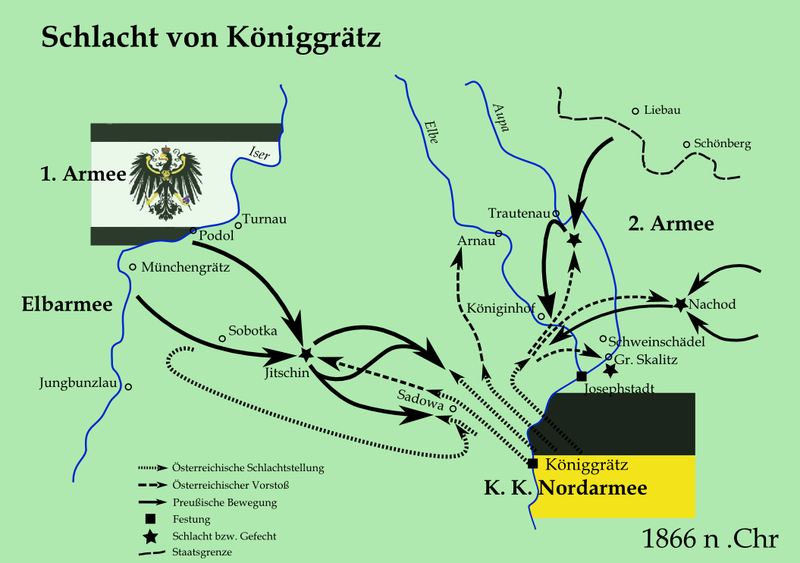
Let’s get back to the battle. Gitschin was the first opportunity for Austrians to see the Prussians in front of their cannons and it would prove to be a harsh discovery. But on the 3rd of July 1866, it would be a disastrous lesson. The Austrian Army, strong of around 215,000 men, would face in the morning only 120,000 Prussians, divided into two groups. Hiding behind fortified positions and with artillery support, the Austrians were confident. As they first encountered the enemy, they fired and then decided to retreat behind a river, in good order. The beginning of the Battle was in the advantage of the Austrians.

The Prussians were advancing, but very slowly and even if the river was easy to cross for Infantry, it wouldn’t be the same for the artillery. Austria’s manpower and firepower held the high ground.

At 11:00, the Austrians decided to attack the Prussian Infantry stuck in the woods around Sadowa. Meanwhile, the Hungarian officers decided to attack on their own. A general counter attack would have been decisive: the Prussian frontline may break, and what would happen then?

Unfortunately, the right flank of the Austrian army was now weakened and the Prussian saviors arrived, another army of around 100,000 men. They attacked the flank of the enemy, inflicting high casualties as the Prussian artillery pounded the center of the Austrian army. It was time for a general attack from the Prussians, as the three groups engaged in the battle attacked simultaneously, destroying the Austrian lines. The Austrian Army was broken. Even when the Prussians lost around 9,000 men, the Austrian lost more than 32,000. Retreat was inevitable.

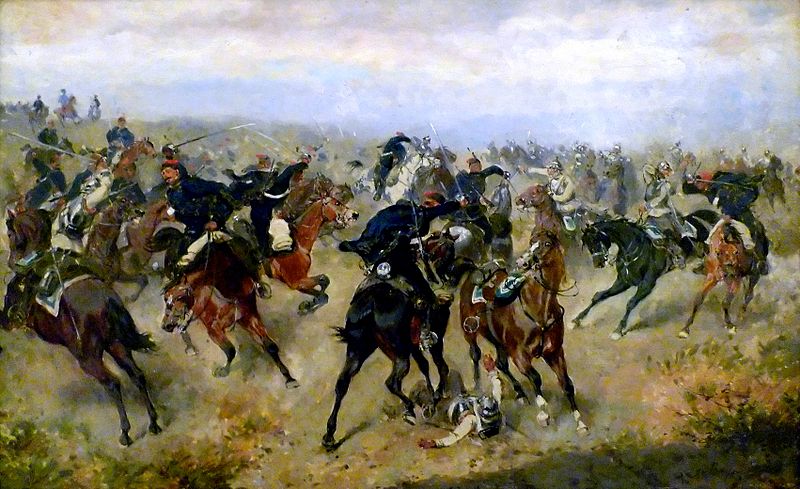
Skirmish between Austrian hussars and Prussian cuirassiers at the Battle of Königgrätz. Oil on wood, Heeresgeschichtliches Museum Wien.
Skirmish between Austrian hussars and Prussian cuirassiers at the Battle of Königgrätz. Oil on wood, Heeresgeschichtliches Museum Wien. Souce: Wikipedia.

The Austrian Empire is Starting to Shake…

As the Prussians were starting to overrun all the position the Austrians held in the morning, a fierce pursuit engaged between them. The Austrians, retreating as fast they could, would be skirmished until the armistice was signed on the 22nd. The objective of Bismarch was not to chase the Austrians until they reached the Austrian mainland and even maybe Vienna. It would have been possible, since the Prussians were so much stronger than their enemy. The Austrians had no choice but to give up on everything. Besides, a total victory of Prussia over Austria would have warned the neighbors of these two countries and the peace treaty may have not been in favor of the Prussians. They needed to win, but not to destroy their enemy.

And Prussia is Rising in the North

Prussia had jumped in the world of Imperialism and was now the only major power ready to unify the German states. They were given everything they demanded: territories, money. They also gained an alliance with pretty much all of the German states that fought against them like Bavaria and Saxony. These two Kingdoms would prove to be very useful in the Franco-Prussian war in 1870.

But the biggest victory Prussia achieved through the Peace treaty of Prague was the following: Austria would never play a major role ever again in the “German Question”. Prussia would be the only one leading the unification of the German states and Austria would be left out of it.

The Königgrätz Cross

The Prussians won this battle. And it was such a victory that an award was necessary to recognize the efforts done by the Infantry, those who stayed under artillery fire behind the river or those who held the ground in the forest near Sadowa.

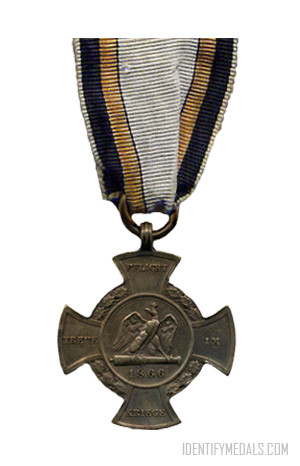
To commemorate this victorious campaign, four different crosses were created and awarded. Called the Königgrätz Cross, it was issued to more than 120,000 different soldiers who either participated directly or indirectly to the battle. The medal has the shape of a cross pattée with a round medallion superimposed on its center and a round wreath between its arms and is made of bronze from captured Austrian cannons.

There were four different crosses instituted to commemorate 1866 victorious campaign: The Königgrätz Cross, the “Main Army” Cross, the “Loyal Fighters” Cross and the “Loyal to its duty in times of war” Cross.

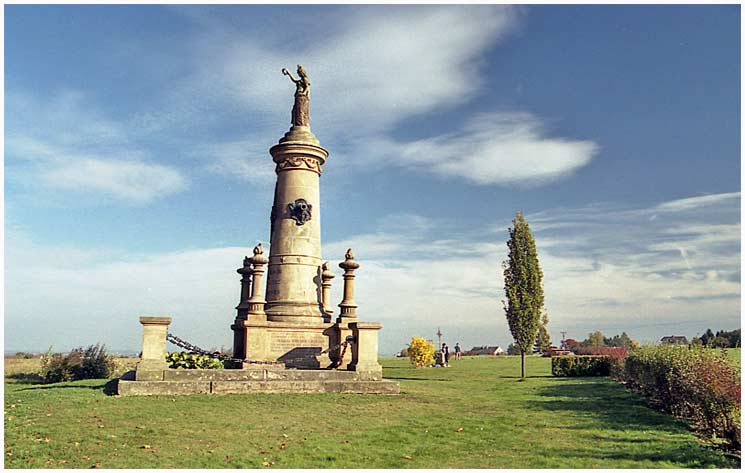
Memorial to Battery of the Death at Chlum conmemorates one of heaviest fights during Battle of Battle of Königgrätz.
Memorial to Battery of the Death at Chlum conmemorates one of heaviest fights during Battle of Battle of Königgrätz. Source: Wikipedia.

Conclusion

This battle was the beginning of something new. A new era started when the Austrians started retreating towards Vienna. The Prussian, and later German, hegemony over Europe marked the beginning of an era that could only lead to disaster. Imperialism and competition between France, Germany, Austria-Hungary, Russia and the United Kingdom could only lead to fierce fighting and what happened in 1914 is the result of many years of sleeping conflicts and diverging interests. And it all started on this day of July.

Guest Contributor: Kjetil Vion is a writer and a history enthusiast. A passionate of France and modern military history, he has a special interest into the Prussian state, specially since the Sadowa battle against Austria. Always wanting to learn more, he now looks to spread his knowledge in history.