The Most Decorated U.S. Service Members (Army, Navy, Air Force and Marine Corps)

No matter what country you’re from, we all owe a huge debt to the countless service members who have risked their lives for our freedom. Some, however, went substantially above and beyond the call of duty and have received numerous medals for their valor and gallantry

While you may not recognize all of these names, it’s important to study the stories of the most decorated U.S. service members—one from each branch of service—who did so much to protect our freedom.

Army

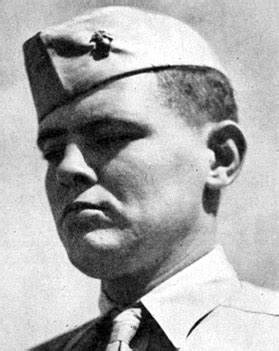
Major Audie Murphy (World War II)
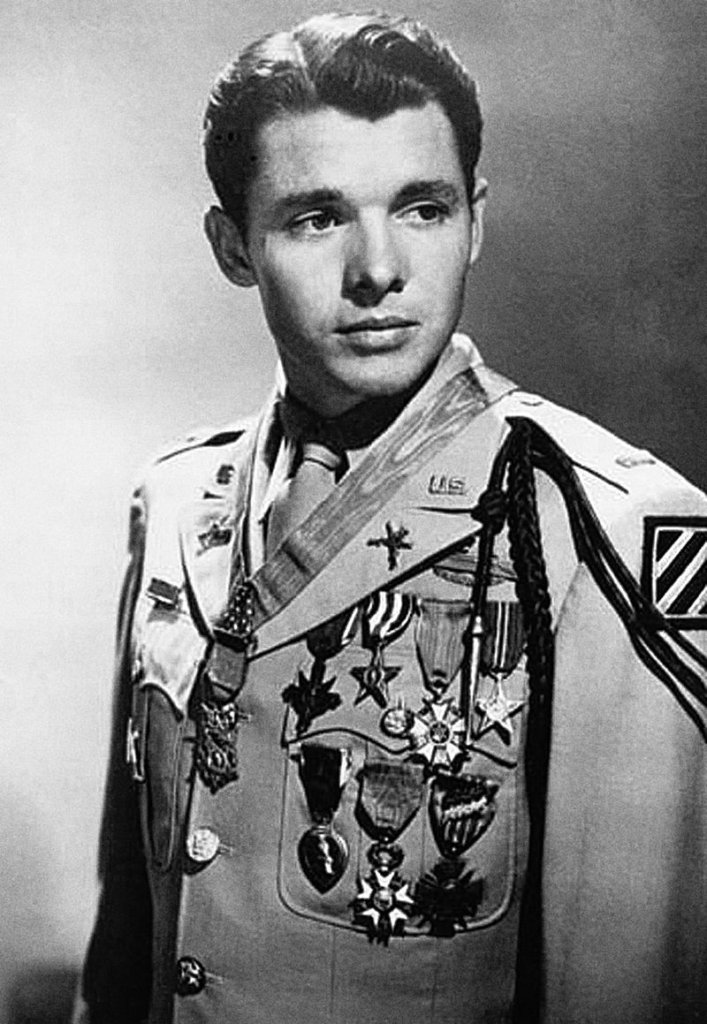
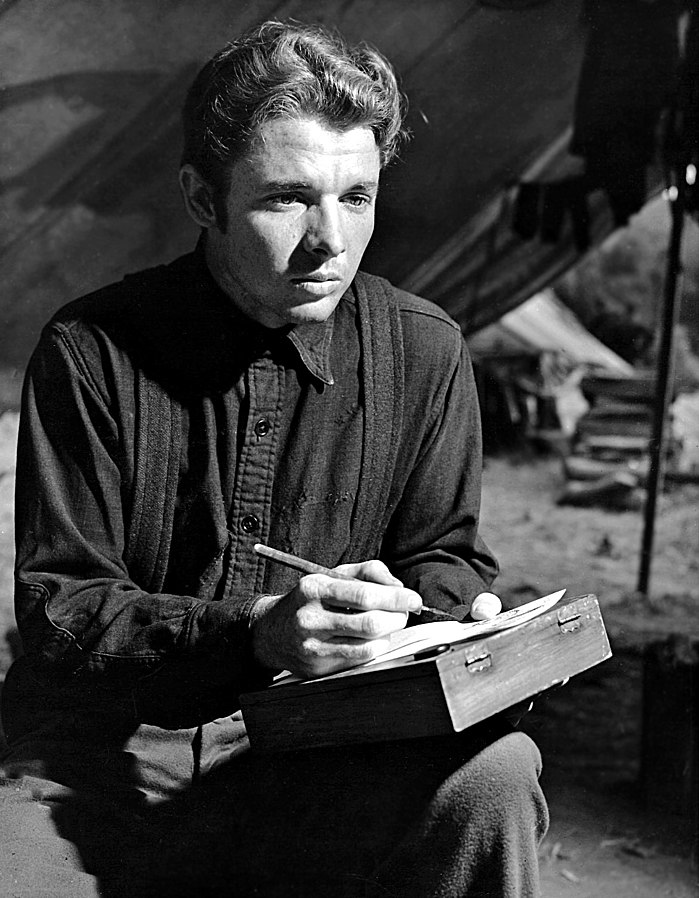
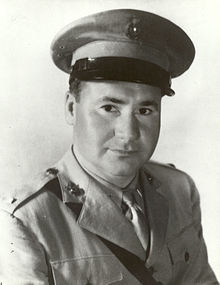
Audie Murphy photographed in 1948 wearing the U.S. Army khaki "Class A" (tropical service) uniform with full-size medals. Source: Wikipedia.
Original studio publicity photo of Audie Murphy for film The Red Badge of Courage. No writing on back.
Original studio publicity photo of Audie Murphy for film The Red Badge of Courage. Source: Wikipedia.

Audie Murphy is a name that many would recognize due to his acting career after the war, but he was also quite the soldier during World War II and is known as the most decorated soldier of World War II. Growing up on a sharecropper’s farm in Hunt County, Texas, Murphy had to assist in raising his 10 siblings after his father left his mother and dealt with the untimely death of his mother when Murphy was only 16.

After Pearl Harbor, Murphy wanted to join the Marine Corps to assist in the war effort and get out of the poor life that he knew and lied about his age in an attempt to enlist in the USMC. However, his height of 5’5” kept him out of the Marines and the paratroopersso he opted for the infantry. After basic training, Murphy was assigned to B Company, 1st Battalion, 15th Regiment, 3rd Infantry Division currently in North Africa and preparing to invade Sicily in 1943. Murphy would land at Salerno and fight in the Voltuno River campaign and later at Anzio in 1944 as a part of the Allied force fighting to Rome, rising in the ranks from private all the way up to Staff Sergeant.

After the Battle of Cisterna in January, Murphy and the 3rd Division returned to Anzio. On March 2, 1944, Murphy and his platoon held out in an abandoned farmhouse to escape bad weather and annihilated a German tank and its crew that was passing by with rifle grenades. Murphy was awarded the Bronze Star with a “V” (for valor) device for this action. In addition, Murphy and 60 others of B Company, 15th Infantry were awarded the Combat Infantryman Badge on May 8, 1944.

After this time in Italy, Murphy and his unit were withdrawn to train for Operation Anvil-Dragoon, the invasion of southern France, which Murphy took part in where he and his platoon were attacked by German soldiers as they fought through a vineyard. Grabbing a machine gun, Murphy returned fire, killing two Germans and wounded one and then killed six, wounded two more, and took 11 German prisoners from a house 100 yards away. For these actions on August 15, 1944, Murphy was awarded the Distinguished Service Cross. The 1st Battalion also received a Presidential Unit Citation for their fighting around Montélimar.

In September 1944, Murphy received a Purple Heart from mortar shrapnel, and he also received a Silver Star medal for charging a German machine gun position, killing four and wounding three. Murphy would later add a Bronze Leaf to his Silver Star, indicating an additional act of valor. Murphy had directed fire against the Germans under constant, direct fire, resulting in the death of 15 enemy soldiers and 35 wounded.
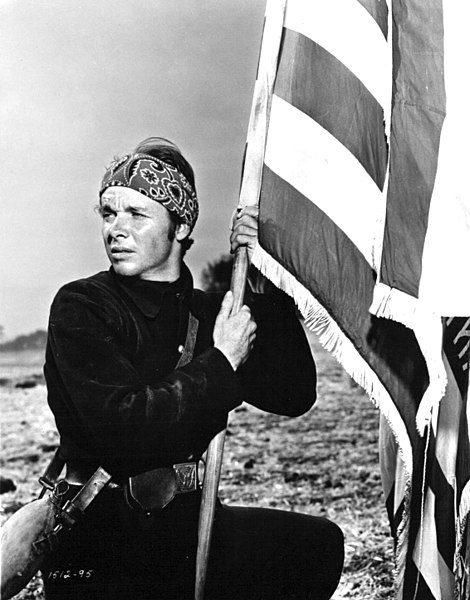
Publicity photo of Audie Murphy for film, Red Badge of Courage
Publicity photo of Audie Murphy for film, Red Badge of Courage. 1951. Source: Wikipedia.
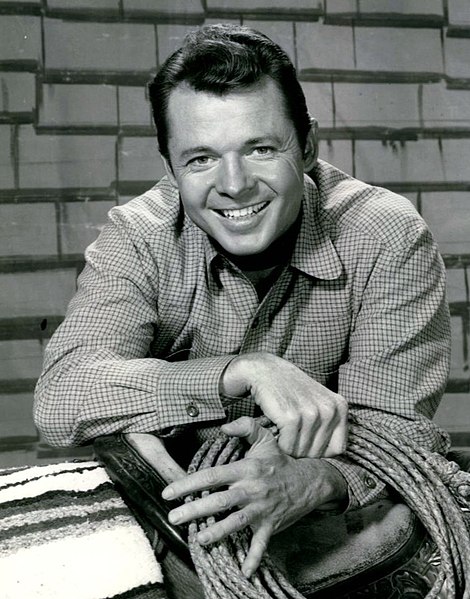
Photo of Audie Murphy as Tom Smith from the television program Whispering Smith.
Photo of Audie Murphy as Tom Smith from the television program Whispering Smith. 1959-61. Source: Wikipedia.

Murphy’s most heroic act, however, happened on January 26, 1945 near the village of Holtzwihr in eastern France. Faced with six Panzer tanks and 250 infantryman, Murphy and his men fell back to increase their defenses. Murphy mounted an abandoned burning task and repelled the German advance for nearly an hour alone and with a single machine gun, even through a wound in the leg. Murphy single-handedly killed 50 Germans and allowed Murphy and his men to counterattack and drive the enemy from Holtzwihr.

Murphy received the Medal of Honor and Legion of Merit for this action on June 2, 1945 in Salzburg, Austria. After the war when asked about his decision to seize the machine gun and take on a company of German infantry single-handedly, Murphy replied, “They were killing my friends.

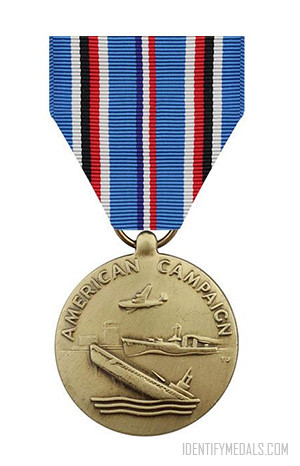
At the end of the war, Murphy had become America’s most decorated soldier, receiving every U.S. military combat award for valor available from the U.S. Army as well as three medals from France and one from Belgium. This included the American Campaign Medal, the European–African–Middle Eastern Campaign Medal with arrowhead device and 9 campaign stars, the World War II Victory Medal, and the Army of Occupation Medal with Germany Clasp for U.S. medals.

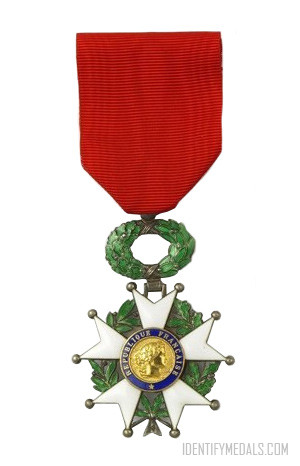
Murphy received the following medals and accolades from France:  the French Legion of Honor – Grade of Chevalier, the French Croix de Guerre with Silver Star, the French Croix de Guerre with Palm, the French Liberation Medal, and the French Fourragère in Colors of the Croix de Guerre, which was authorized for all members of the 3rd Infantry Division who fought in France during World War II. Finally, Belgium awarded Murphy the Belgian Croix de Guerre with 1940 Palm. Murphy would receive all of these medals before he turned 22 years old.

When Murphy came back from the war, he became an actor and was featured in forty films, including the film adaption of his book, To Hell and Back. He had to sleep with a pistol underneath his pillow because he suffered from what we would now call PTSD. Murphy died at the age of 46 due to a private plane crash near Roanoke, Virginia in 1971. He is buried in Arlington National Cemetery and has the most visited grave after John F. Kennedy and the Unknown Soldier.

Navy

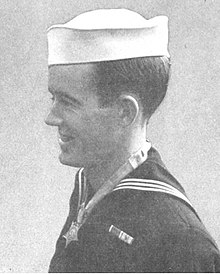
Boatswain’s Mate First Class James “Willie” Williams (Vietnam War)
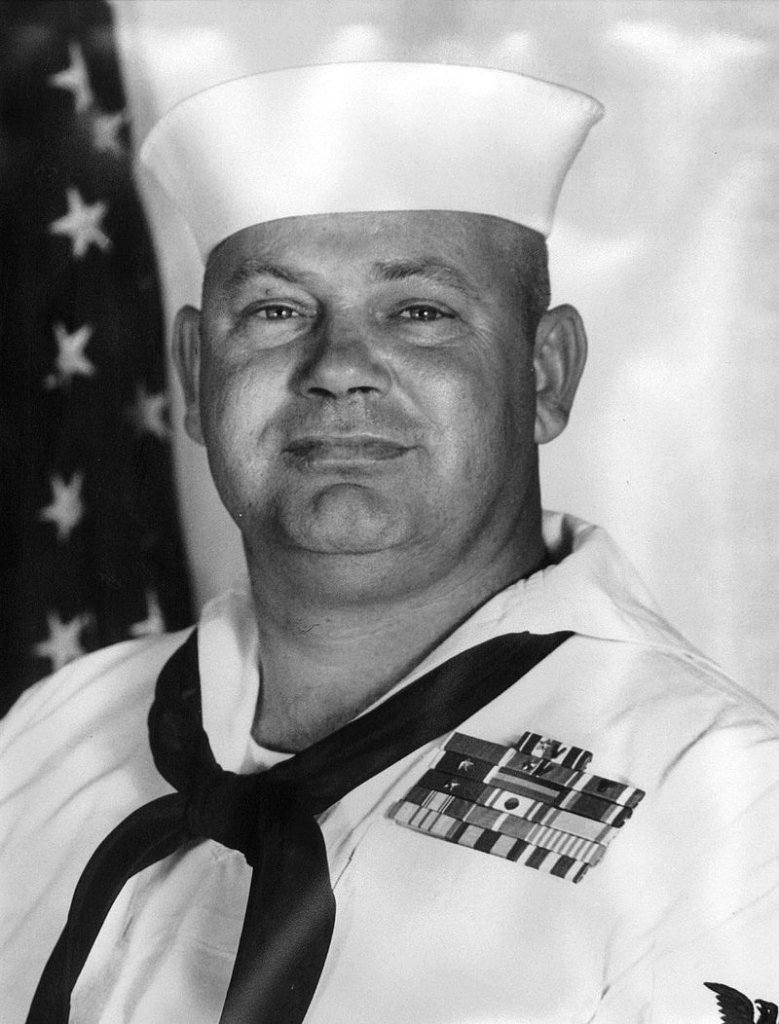
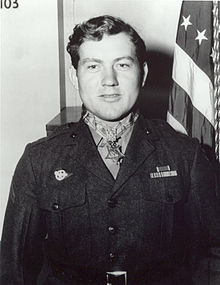
James Elliott Williams, winner of the Medal of Honor during the Vietnam War.
James Elliott Williams, winner of the Medal of Honor during the Vietnam War. Unknown date, but taken prior to Williams' retirement from the US Navy in 1967. Source: Wikipedia.

Born in South Carolina in 1930, Cherokee Indian James “Willie” Williams enlisted in the Navy in 1947 as a 16-year-old with a fraudulent birth certificate. While Williams would serve almost 20 years in the U.S. Navy, he received the majority of his medals during the last seven months of service in Vietnam.

Williams served during the destroyer U.S.S. Douglas H. Fox during the Korean War and completed additional tours on several naval vessels following the end of the Korean War. In May 1966, Williams was assigned to command Patrol Boat, River 105 in South Vietnam, which was a 30-foot fiberglass that often carried four men who patrolled inland waterways to prevent the Viet Cong from using them. On July 1, 1996, Williams’s leadership of his patrol that had come under fire from a Viet Cong sampan resulted in the death of five VC and the capture of the enemy boat, which would earn Williams a Bronze Star Medal with a “V” for valor device. In less than a month, Williams would also receive another Bronze Star for valor as well as a Silver Star and the first of three Purple Hearts.

On October 31, 1966, Williams’ actions against the Viet Cong would earn him the Medal of Honor, making him one of the 32 Native Americans to receive this award. During the command of a two-boat patrol, Williams and his crews discovered the increasingly larger force of Viet Cong, which he held at bay each time. During the discovery of a larger force, Williams called for helicopter gunship support but did not wait for the armed forces to attack. His two-boat patrol fought a three-hour battle that destroyed or damaged 65 VC boats and killed 1,200 VC.

Several months later in January 1967, Williams’s actions to receive a drowning man from the Navy dredge Jamaica Bay would earn him the Navy and Marine Corps Medal, sometimes called “the non-combat medal of honor,” and his attack of three VC heavy-weapons companies of 400 fighters, killing 16, wounding 20, and destroying 9 sampans and junks, even when wounded himself would earn Williams the Navy Cross.

During Williams’s last seven months in the Navy, he received every sea-service award for heroism, including the Legion of Merit with a “V” for valor device, two Navy Commendation Medals for valor, and three Purple Hearts. After he returned home, he began a career in the U.S. Marshals Service. Williams died in 1999, but his widow Elaine Williams watched the launching of the Arleigh Burke class destroyer, U.S.S. James E. Williams, in 2003.

Williams became the most decorated enlisted man in the Navy, one of only seven men and the only enlisted man to earn all of the “Big Three” valor awards—Medal of Honor, Navy Cross, and Silver Star Medal. His other awards include the Korean Service Medal, the Armed Forces Expeditionary Medal, the Vietnam Service Medal, the Republic of Vietnam Gallantry Cross, the Republic of Korea Presidential Unit Citation, the Republic of Vietnam Meritorious Unit Citation—both Gallantry Cross and Civil Actions, the United Nations Korea Medal, the Republic of Vietnam Campaign Medal with 1960 device, and the Korean War Service Medal (South Korea).

Air Force

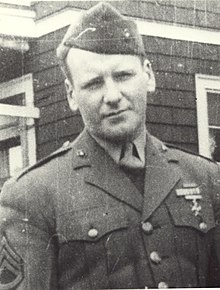
Brigadier General George Everette “Bud” Day (World War II, Korean War, and Vietnam War)
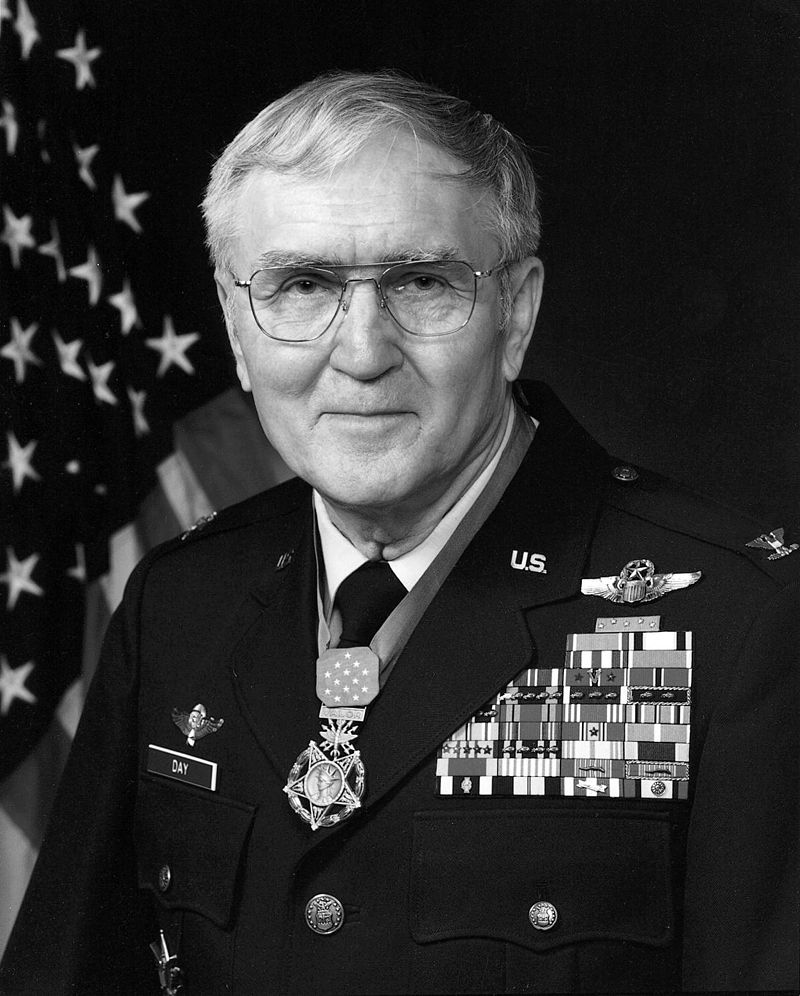
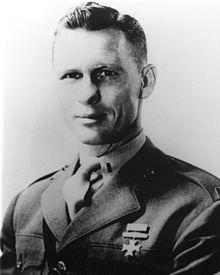
Brigadier General (then Colonel) Bud Day. Source: Wikipedia.
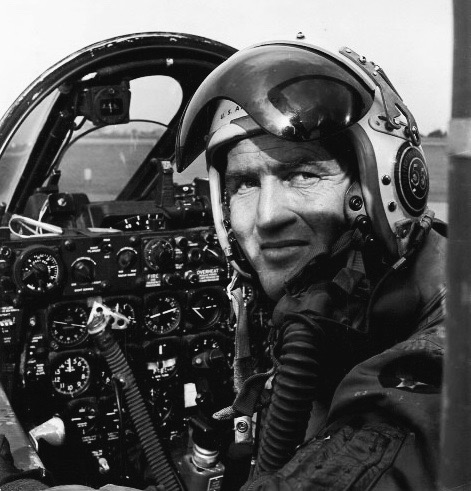
Captain Day in the cockpit of a Republic F-84F Thunderstreak, circa 1956.
Captain Day in the cockpit of a Republic F-84F Thunderstreak, circa 1956. Credit: U.S. Air Force.

Although you probably don’t recognize the name of Brigadier General George Everette “Bud” Day, he is considered to be the most decorated United States military officer since General Douglas MacArthur. Born in humble beginnings in Sioux City, Iowa in 1925, Day would earn over 70 awards, decorations, and medals.

Like many other young men, Day dropped out of high school to enlist in the Marine Corps in December 1942. He would serve for 30 months in the Pacific Theater. When he was discharged in November 1945, Day used the G.I. Bill to attend college, receiving a Bachelor of Science degree and a PhD in Humane Letters from Morningside College and a Juris Doctorate (J.D.) from the University of South Dakota. During his time in college, Day served in the United States Army Reserves.

In 1950, Day transferred to the Iowa Air National Guard and began active duty in July 1950, earning his pilot’s wings in September 1952. Beginning in 1953, Day flew two Korean War tours in F-84 Thunderjets with the 559th Strategic Fighter Squadron, based out of Japan. From 1955 to 1959, Day would serve with the 55th Fighter Bomber Squadron based at RAF Wethersfield, England.

For roughly the next eight years, Day would command the ROTC unit at St. Louis University in addition to serving as assistant professor of aerospace science and adding a Master of Arts degree in International Law and later serve as an Air Force Advisor to the New York Air National Guard at the Niagara Falls Air Force Base for two-and-a-half years.

In 1967, anticipating a retirement, then Major Day volunteered for a tour in Vietnam. He first served as an F-100 Assistant Operations Officer at Tuy Hoa Air Base and completed 72 missions. In June 1967, Day was reassigned to become the first commander of the Misty Super FACs at Phu Cat Air Baseflying 67 missions in North Vietnam by August. On one mission, the North Vietnamese shot down his plane, and Day was captured by the North Vietnamese. While he originally was able to escape, he was recaptured two weeks later near Quang Tri City and would spend the next five-and-a-half years in a prison camp in North Vietnam. When Day was released on March 14, 1973, Day had survived 2,028 as a prisoner of war.

In 1976, President Gerald Ford awarded Day the Medal of Honor for bravery and leadership during captivity. When Day retired from active duty in 1977, he had earned nearly 70 medals, including the Medal of Honor and the Air Force Cross, one of only two men to receive both awards—the other recipient being Tech Sergeant John Chapman who served in Afghanistan.

Day died in 2013 as a colonel (retired), but would posthumously receive the rank of brigadier general in 2018. The advancement was introduced by former POW cellmate and Senator John McCain.

By the time of his retirement, Day had flown over 6,000 hours and received numerous awards, medals, and decorations, including campaign medals from all three major wars (World War II, Korean War, and Vietnam War), the Distinguished Flying Cross, and the Prisoner of War medal.

Marine Corps

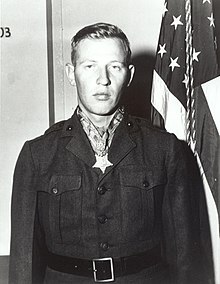
Sergeant Major Daniel Daly (World War I)
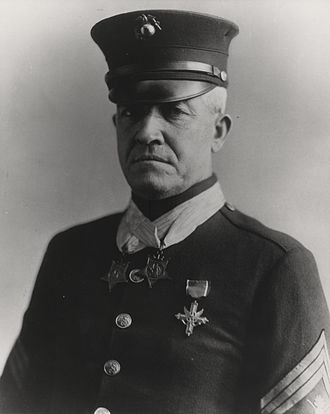
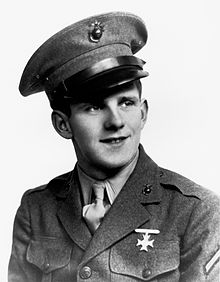
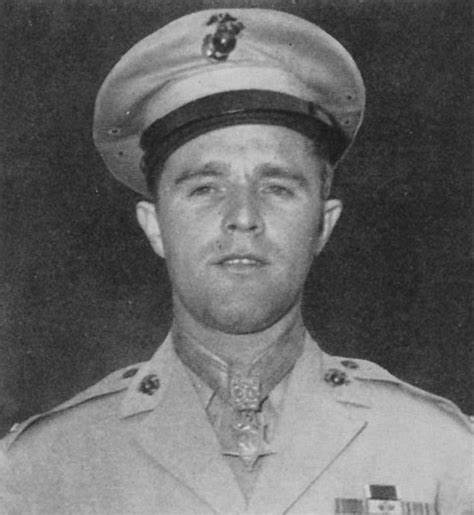
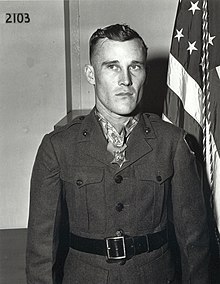
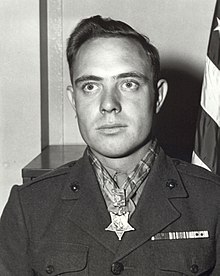
Depicted is then-Gunnery Sergeant Daniel Daly, a double recipient of the Medal of Honor. From the Dan Daly Collection (COLL/3334) at the Marine Corps Archives and Special Collections.

Although you probably don’t recognize the name Daniel Dalyhe is one of the “fightiest Marines” who has ever lived and one of the fightiest service members too. One of only nineteen men, including seven Marines, to receive the Medal of Honor twice, Daly and Major General Smedley Butler were the only Marines to receive both Medals of Honor for different actions.

Born 1873 in New York, Daly had established a good record as a boxer even at the small size of 5’6” even before he enlisted in the Marine Corps in 1899. Daly deployed in 1900 during the Boxer Rebellion in China and was part of a small contingent of Marines who had the mission to protect American diplomats in Peking (modern-day Beijing). In mid-August 1900, Daly found himself having to defend a position on top of the wall between two gates, armed only with a rifle and a bayonet alone. During the night of August 14, Daly single-handedly held off several enemy charges while under constant sniper fire. He is believed to have inflicted around 200 casualties. For this action, Daly would receive his first Medal of Honor.

As Daly continued in his Marine Corps career, he was stationed at eight post in the United States and was assigned to numerous ships and saw combat in several countries, including leading a platoon of Marines ashore during the invasion of Veracruz, Mexico in 1914. Throughout his career, Daly would be offered an officer’s commission. But he would turn it down every time, saying that he would rather be an outstanding sergeant instead of just another officer.

In 1915, Daly deployed to Haiti to support the Haitian government’s battle against guerrillas known as Cacos. During the Battle of Fort Diptie on October 24, 1915, Daly and 37 other men who were mounted from the 15th Company of Marines were ambushed on three sides by 400 Cacos. As the Marines fought their way to high ground, they lost 12 horses and a mule that carried their only machine gun. Despite being under a barrage of fire, Daly voluntarily returned to the ravine to get the machine gun strapped to the dead mule, which returned getting past numerous enemy positions. Able to locate the machine gun, Daly returned with the heavy load of the machine gun and ammunition past more Cacos to the Marine position. During the next morning, three squads of Marines attacked the enemy from three different directions and surprised the Cacos, inflicting 75 casualties. Daly would receive his second Medal of Honor for this action.

In 1917, Daly, now 44 years old, would deploy to France with the American entry into World War I. Daly risked his life to extinguish a fire in an ammunition dump at Lucy-le-Bocage on June 5, 1918 and five days later assisted in a counterattack against the enemy at the Battle of Belleau Wood. The acting First Sergeant of 73rd Company, 6th Marines in support of another attack by the 1st Battalion, 6th marines, Daly is thought to have shouted to his men as they entered the wood, “Come on, you sons of bitches, do you want to live forever?” Although Daly was recommended to receive another Medal of Honor, the AEF headquarters rejected the request, believing that no one should receive three Medals of Honor. Instead, Daly received the Distinguished Service Cross and later the Navy Cross.

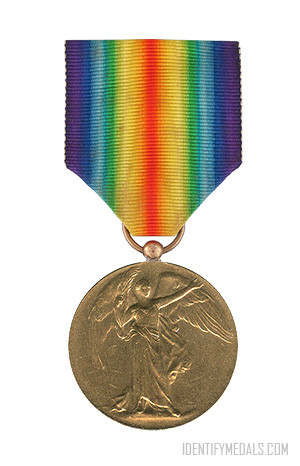
Daly would leave the Marine Corps in 1929 and live a quiet life until he died in 1937. He received numerous decorations and medals during his Marine Corps career, including the China Relief Expedition Medal, the Philippine Campaign Medal, the Expeditionary Medal with one bronze star, the Mexican Service Medal, the Haitian Campaign Medal, the World War I Victory Medal with Aisne, St. Mihiel, Meuse-Argonne, and Defensive-Sectors clasps, the French Médaille militaireCroix de Guerre with Palm, and Fourragère. In 2005, the United States Postal Service included Daly on one of four Distinguished Marines stamps alongside John Basilone, John Lejeune, and Chesty Puller.

I had the challenging task of selecting just one extremely decorated service member from each branch, but I’d encourage you to read about the many other decorated U.S. service members like Colonel Edward Rickenbacker (Army Air Corps, World War I) and Lieutenant General Chesty Puller (USMC, World War II and Korean War). The stories of their valor and bravery are truly inspiring.

Sources

Guest Contributor: Rachel Basinger is a former history teacher turned freelance writer and editor. She loves studying military history, especially the World Wars, and of course military medals. She has authored three history books for young adults and transcribed interviews of World War II veterans. In her free time, Rachel is a voracious reader and is a runner who completed her first half marathon in May 2019.
Iwo Jima: The Battle With the Greatest Number of Medals of Honor

Did you know that of the 82 Marines that were Medal of Honor recipients during World War II, over one-fourth, or twenty-two, of those awards were given for actions during the Battle on Iwo Jima? 

Of the 27 Medals of Honor awarded at Iwo Jima, almost half, or thirteen, of the awards were posthumous. In addition, there were over 200 Navy Cross medals awarded, a decoration second only to the Medal of Honor, and many Navy Cross citations could have warranted a Medal of Honor.

The Medals of Iwo Jima

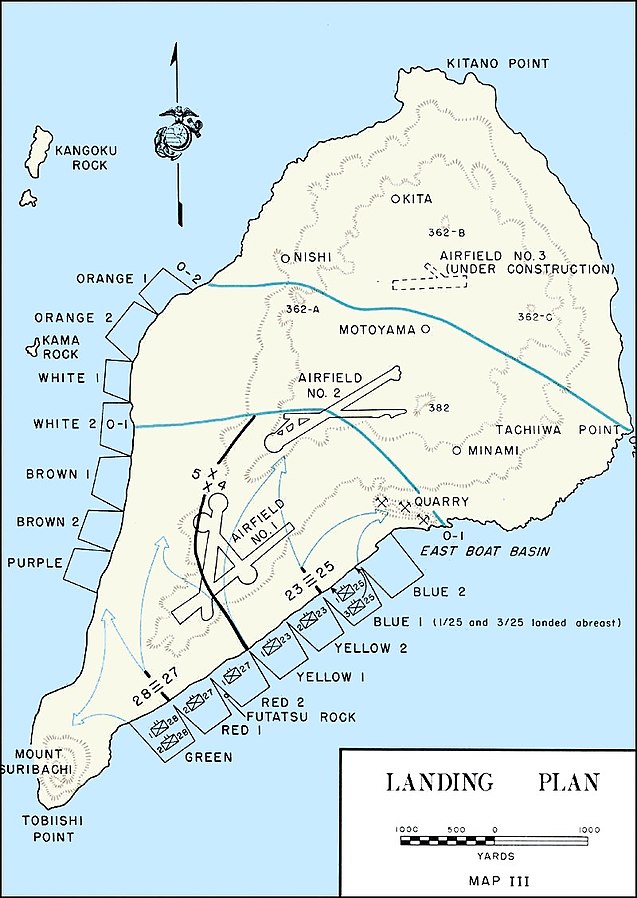
Iwo Jima - Landing Plan. Source: ibiblio.org.

22 Marines and 5 sailors would receive Medals of Honor for their actions at Iwo Jima during the campaign that lasted slightly over a month and featured three Marine divisions minus one regiment. In fact, Iwo Jima is the most highly decorated single engagement in United States history.

By contrast, the second largest campaign for Medals of Honor award—Okinawa—was eighty-one days long, involved four Army and two Marine divisions, and 24 Medals of Honor were awarded to soldiers, sailors, and Marines.

Admiral Chester W. Nimitz’s phrase about Iwo Jima seems particularly apt:

Among the men who fought on Iwo Island, uncommon valor was a common virtue.

Time after time, veterans who recalled fighting on Iwo Jima and who had participated in other battles like at Tarawa or Guadalcanal said that nothing compared to Iwo Jima.

Peter Zurlinden, a veteran Marine combat correspondent, noted that it was different: “At Tarawa, Saipan and Tinian, I saw Marines killed and wounded in a shocking manner, but I saw nothing like the ghastliness that hung over the Iwo beachhead. Nothing any of us had ever known could compare with the utter anguish, frustration and constant inner battle to maintain some semblance of sanity.

About the Battle of Iwo Jima

The Battle of Iwo Jima, which lasted from February 19 to March 26, 1945 featured around 70,000 Marines and somewhere between 18,000-20,000 Japanese on a volcanic island 660 miles south of Tokyo that was 2 miles wide by 4 miles long. It is estimated that there were at least 17,000 Japanese casualties, including dead and missing, plus 216 taken prisoner. The Marines suffered 6,800 deaths alone and a total of over 26,000 casualties. In the first day alone, the Marines would experience 2,400 casualties, a number comparable with American losses at Omaha Beach on D-Day at Normandy in June 1944.

Iwo Jima was the largest, yet costliest, Marine amphibious operation during World War II with a casualty rate of 35of Marines employed. The bloodiest battle in the history of the Marine Corps, Iwo Jima was the only major Pacific battle in which the Marines suffered greater casualties than they inflicted. Due to the lethality of the campaign, junior Marines had to assume leadership roles in order to continue in the attack like Private first classes leading platoons because all the officers and non-commissioned officers (NCOs) had been killed.

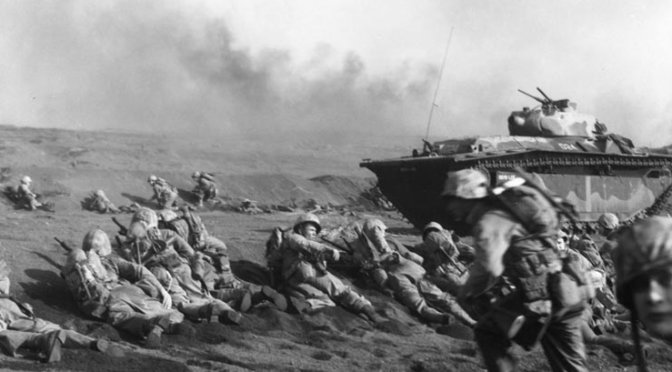
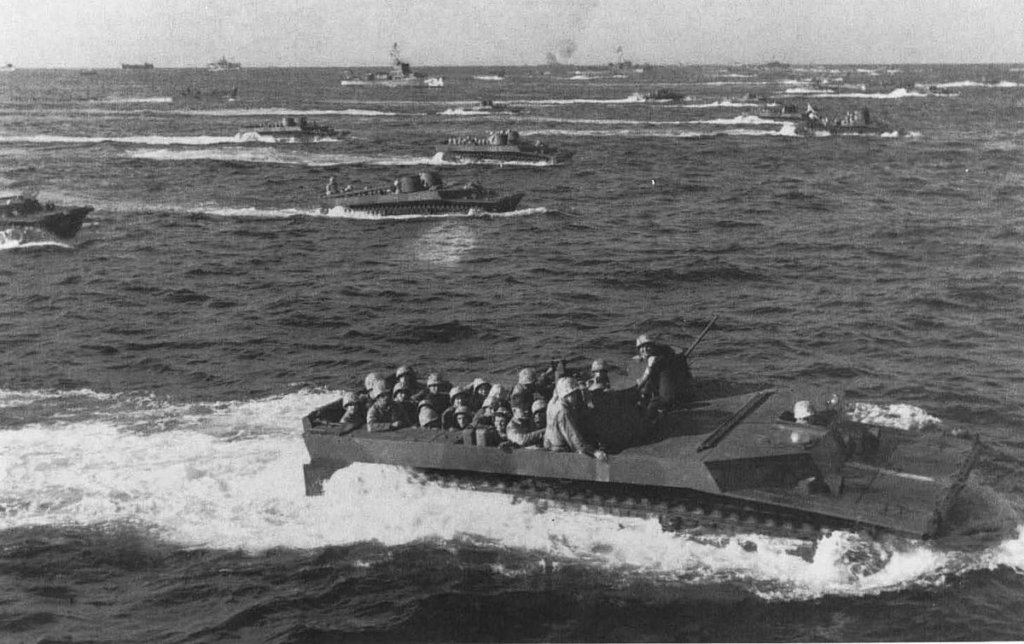
Tracked landing vehicles (LVTs), jam-packed with 4th Marine Division troops, approach the Line of Departure at H-hour on D-day.
Tracked landing vehicles (LVTs), jam-packed with 4th Marine Division troops, approach the Line of Departure at H-hour on D-day. Source: Wikimedia.
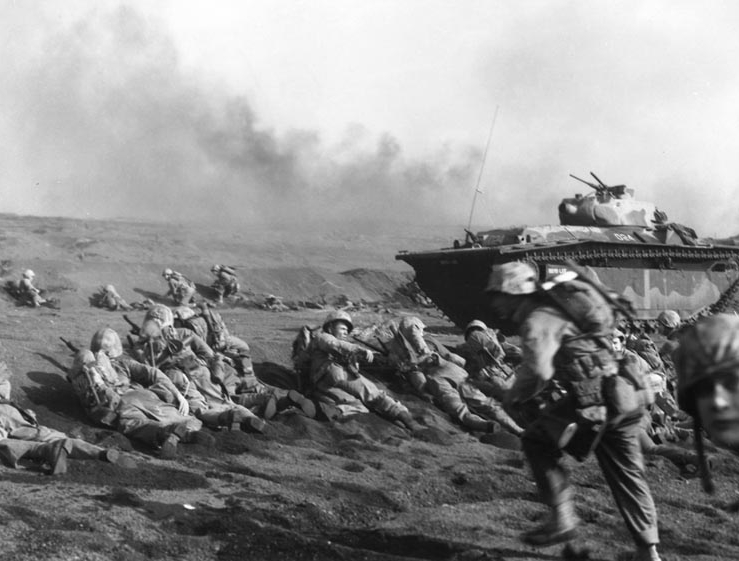
U.S. Marines of the Second Battalion, Seventh Regiment, wait to move inland on Iwo Jima, soon after going ashore on 19 February 1945. An LVT(A)-5 amphibious tractor is in the background. Source: Wikipedia.

The Strategic Importance of Iwo Jima

Although the campaign was extremely deadly, it was essential for the United States. It gave the Americans an advanced base, which would boost the strategic bombing campaign against mainland Japan, and it would assist in the eventual invasion of Japan. After the battle, Iwo Jima became the emergency landing site for over 2,200 B-29 bombers.

The Japanese had the upper hand as the defenders. Iwo Jima had few beaches and was replete with cliffs and caves. They had buried underground and riddled the landscape with pillboxes that blended into the ground. Although the Army Air Forces B-24 bombers had raided the island for 10 straight days and the Navy ships and carrier ships took over three days before the landing, the bombardment had little impact since most of the Japanese were underground.

The distinctive flag-raising atop Mount Suribachi took place on February 23, 1945, five days after the battle began. After the first flag raising of the day, Associated Press photographer Joe Rosenthal captured the famous moment of six Marines raising the flag, an image now ingrained in the mind of every American.

The U.S. Marine Corps War Memorial in Arlington, Virginia. Source: Catie Drew, Wikipedia.

These men were Michael StrankHarlon BlockFranklin SousleyIra HayesRene Gagnon, and Harold Schultz. Until 2016, it was believed that the sixth man was John Bradley, a Navy hospital corpsman, who took place in the first flag raising that day, instead of Schultz who had died in 1995. Strank, Block, and Sousley would die on Iwo Jima.

The Medal of Honor and Iwo Jima

Twenty-seven Medals of Honor were awarded for action on Iwo Jima, which is more than any other battle in U.S. history. This is fitting as the Medal of Honor is our country’s highest military award for bravery, and Iwo Jima required a bravery that many other battles did not.

Of the twenty-seven Medals of Honor awarded, there were some that were particularly unique. Captain Robert H. Dunlap received the Medal of Honor at Iwo Jima, and his cousin, Jim Stockdale, admired him as a boy and ended up becoming a Navy pilot, receiving a Medal of Honor for his heroism as a POW during the Vietnam War. They are the only cousin-pair to receive Medals of Honor.

Private First Class (PFC) Donald J. Ruhl was the only person from the state of Montana to receive a Medal of Honor during World War II. Joe McCarthy received a Medal of Honor, Silver Star, and three Purple Hearts and became the only active firefighter to receive the Medal of Honor during World War II. For his actions on February 17, 1945 before the battle began, Lieutenant (jg) Rufus G. Herring received the only Medal of Honor awarded to an LCI sailor during World War II.

Sergeant William G. Harrell lost his two hands during the Iwo Jima campaign protecting others and had two steel hooks for hands. But ever the prankster, he had goosed the hero in front of him with his hook moments before the Medal of Honor recipients walked into the ceremony to receive their awards from President Harry S. Truman.

Finally, PFC Jack Lucas was the youngest Medal of Honor recipient during World War II, receiving his decoration at the age of 17.

One Medal of Honor recipient from Iwo Jima is still alive: Hershel “Woody” Williams. He is one of the four remaining Medal of Honor recipients from World War II and the only Marine still alive. He received the Medal of Honor for his actions with a flamethrower in destroying a variety of enemy pillboxes.

Woody Williams like many others who survived feels grateful and that his medal does not belong to him. Instead, as he says, “It belongs to those Marines who did not get to come home.”

Medal of Honor Recipients at Iwo Jima

Sources


Guest Contributor: Rachel Basinger is a former history teacher turned freelance writer and editor. She loves studying military history, especially the World Wars, and of course military medals. She has authored three history books for young adults and transcribed interviews of World War II veterans. In her free time, Rachel is a voracious reader and is a runner who completed her first half marathon in May 2019.
Joseph Joffre: The Man Who Resisted the Germans and Held Paris

A disaster loomed over Europe. The Archduke Franz-Ferdinand was murdered, and the Russians had guaranteed the independence of Serbia. Austria-Hungary’s ultimatum to Serbia was rejected, and Germany planned to stand by its ally, Austria-Hungary.

Since France was a part of the Entente, a military alliance with the Russian Empire, the German ambassador in Paris asked for an answer about the French posture. Rene Viviani, president of the French Republic, answered on August 1st that “France will draw on its interests.”

On August 3rd, the German Empire subsequently invaded Luxemburg as part of the Schlieffen Plan and declared war on France. France and its high command was ready. The “Plan XVII,” drafted by Joseph Joffre, was already fully operational.

Joseph Joffre's Early Years

Born in 1852 in the Pyrénées range south of France, Joseph Joffre was a career officer. His career started in late 1869, and he was already second lieutenant when France declared war on Prussia in 1870 and ended up participating in different artillery battalions. He was highly disappointed by the disastrous defense of the French army during the war and was hostile towards the “Commune de Paris,” a communist rebellion during 1871.

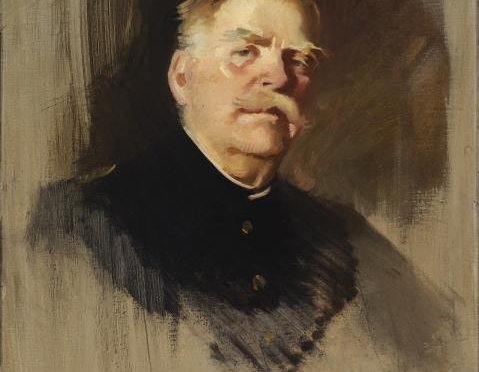
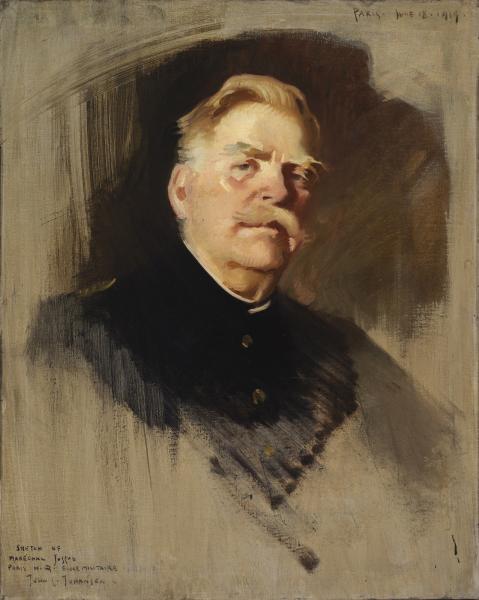
Oil painting of Marechal Joseph Joffre by John C. Johansen. Source: Smithsonian American Art Museum.

Back to school at the end of the Franco-Prussian War, Joffre went to different French colonies all around the globe: Madagascar, French Indochina, French Sudan (today’s Mali). Additionally, he studied and progressed through the ranks, finally coming back and settling down in Paris where he got his final position, the highest one: “Généralissime” of the French Army. At 59 years old, he was one of the youngest generals in the Army to obtain this rank and during the few months before hell was unleashed during World War II, he spent most of his time reorganizing the French Army and designing the “Plan XVII”.

This plan was simple and was one of the major reasons why France did not capitulate in a matter of days during the terrible month of August 1914. In a very short time, the French Army was able to mobilize and transport thousands of men in the direction of the German frontier. However, what happened during the first days of the war was unexpected, and the breaking point was nearly reached.

August 1914. France was on the edge of the cliff.

During the first few days of the war, no one would predict that the French army could stand against the terrible attack and the implementation of the Schlieffen Plan.

Defeated on the majority of the front, the French infantry despite their courage and determination could not hold against the enemy cannons. Until the end of August, the French Army was in full retreat on the entire front, excepting Alsace-Lorraine. The “Plan XVII” drafted by Joffre had been a failure even though some good things resulted. The French had advanced in Alsace-Lorraine, but the German Army opened a major breach west of Lorraine in the Ardennes and Belgium. The highest success of the “Plan XVII” had been the fast mobilization of the French army.

The cold-blood of Joseph Joffre surely prevented an even greater disaster, and he is now famous saying: “Surtout, pas d’affolement!”, translated as “Above all, do not panic!

But the German Headquarters made some fatal mistakes. The first one was that Joffre decided to counter-attack every time he could against the Germans. Fixing divisions was crucial for the French as they could reorganize their army all along the Marne river.

The Germans were also very stubborn about their beloved Schlieffen Plan which had been proven to have major flaws. The first and perhaps the most important one was that the Plan needed to cut through Belgium, which dragged another country into war when the Belgians refused to let through the German troops. This subsequently brought the United Kingdom into war as they had guaranteed Belgium’s independence.

The second major mistake was that the Germans wanted to destroy Belgium and their forts by any means. Fixing more than 150,000 men and most of their artillery in an attempt to destroy the Forts of Liège, Namur, and Anvers, the Germans experienced a crucial time and manpower loss. Instead of directing their force against France and destroying the French armies, the Germans lost time which they would never get back again and would finally cost them Paris.

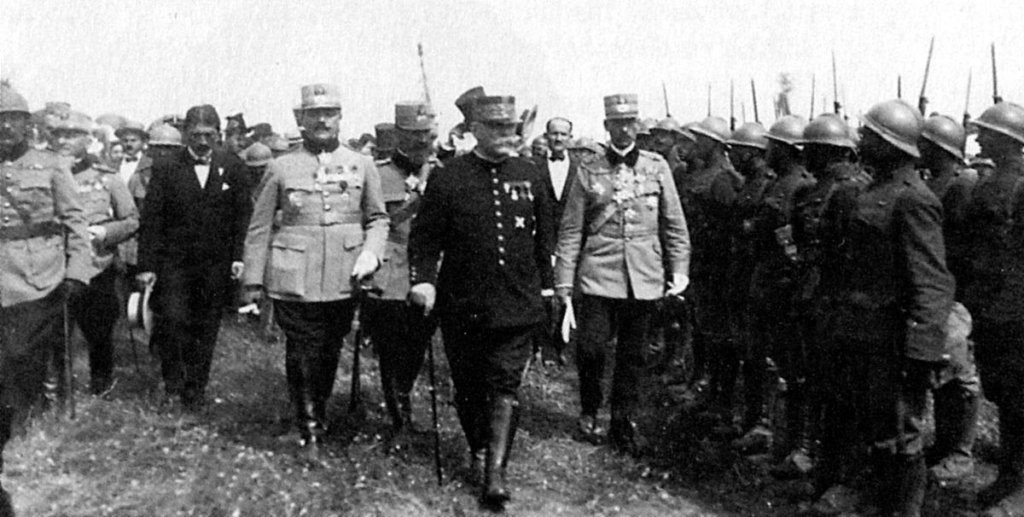
Marshal Joffre inspecting Romanian troops during WWI. Source: Wikipedia.
Marshal Joffre inspecting Romanian troops during WWI. Source: Serviciul Fotografic şi Cinematografic al Armatei Române.

“The Marne Miracle”

As stated before, Joffre declared a Full Retreat, and all the units capable of organizing the defense were sent off behind the Marne River, one of the last major rivers before Paris. Some 70 kilometers away from the front, British General John French was already thinking about evacuating the British Expeditionary Force.

General Kitchener convinced General French to listen to Joffre. During the retreat, August 29 would become a significant day and permit the success of the Marne Battle. During this crucial day, General Lanrezac held an important German attack at Guise, which fixed German troops and cost them time. During this battle, Joffre found time to reorganize the army and refine his strategy to block the Germans.

During this time, Joffre carefully analyzed how the German Army was organized to try and find something interesting. Strategy is all about opportunities, and, since the beginning of the War, nothing was interesting enough for France. Joffre spotted gaps between the 9th and the 4th German Army, and came up with the main objectives of destabilizing the frontline and completing encirclement maneuvers around the enemies. A recon plane spotted that the German Army was making a move in direction of Meaux, which indicated the moment when the French and British should attack.

After several hours of hesitation, Gallieni and Joffre decided that the attack should be completed as soon as possible. And in the early morning of the 6th of September, the decisive Battle of the Marne started. Possibly the most important battle of WWI, this battle was of strategic importance. The French and the British attacked and destroyed multiple German divisions, pushing them 100 kilometers back in a matter of days! “The Miracle of the Marne” happened and saved France from collapsing, thanks to the sacrifice, the courage, and the determination of its infantry.

Even if the tactics and the strategies were already long obsolete, it was enough for the Germans to be stopped and drove back from Paris’s region.

Following the Marne Battle, the Aisne Battle (another river in northern France) began, but no movement from both sides were decisive enough, the Germans finally settled down behind a river and the French were exhausted by this enormous effort.

This battle proved that the Schlieffen Plan was indeed a failure, and the belligerents could not go on with a war movement which was very costly for both sides. Thus began Trench Warfare.

In this “Miracle,” Joffre’s cold blood prevented major disasters and his ability to convince General French to withdraw his troops contributed to this strategic victory. His mind was a key-factor in the final victory of France in WWI.

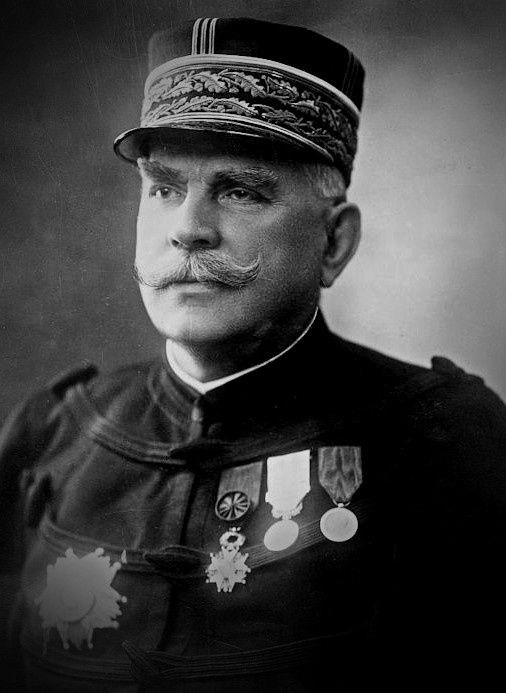
Photograph of French Commander-In-Chief, Marshal Joseph Joffre
Photograph of French Commander-In-Chief, Marshal Joseph Joffre. Source: Wikipedia.
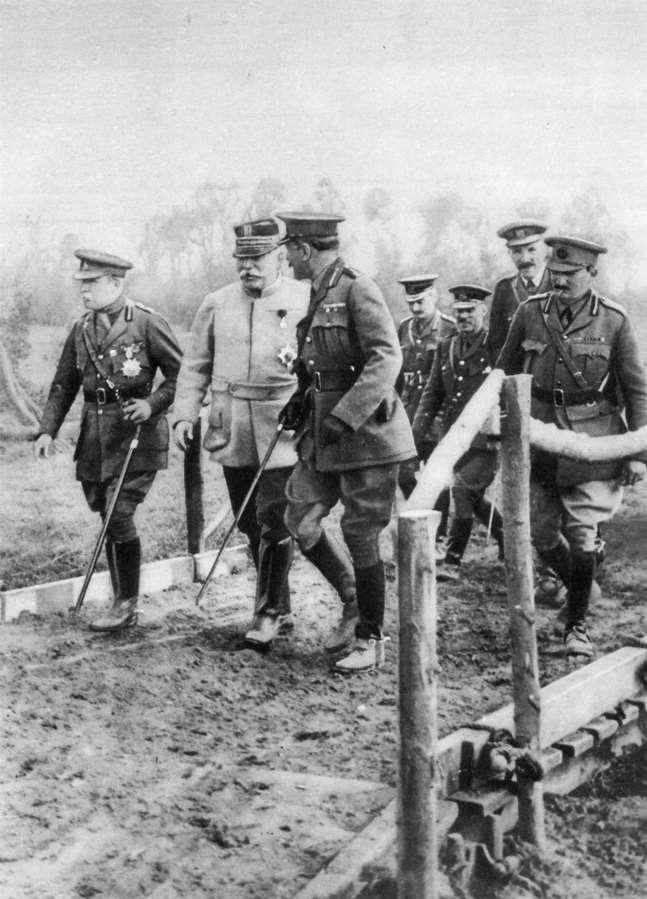
Generals French, Joffre and Haig at the Front (right to left order), 1915. Source: Wikipedia.

Bloodbath after Bloodbath…

At the end of the Aisne Battle, the infamous Trench Warfare started. As the belligerents started to dig themselves deeper and deeper, offensives from both sides looked disastrous. So began enormous casualties for insignificant victories, and the horrors of the Trench Warfare developed.

The “Chemin des Dames,” the Flanders Battle, the Champagne BattlesYpres, all of these battles were disasters for multiple reasons. First, the French Army always lacked ammunition and firepower to break the lines. The bravery of the Infantry shined on the battlefield but no major breakouts could be achieved from October 1914 until the end of 1916, when Joffre was sacked. Second was the appearance of a new weapon: lethal gas. It was not the best way to attack since the attacking side could also suffer from the effect of the gas, but when used as a defensive means, it was very reliable since one army could absolutely choke the whole no-man’s land with it.

The last major battle directed by Joffre was the Somme Battle. As the Verdun Battle had already been raging on for several months during 1916, the Somme was an ideal objective for Joffre to break the enemy frontline but dissensions in the Allies Headquarters sabotaged the effort. Like the previous battles, the Somme ended in a useless bloodbath and was very costly for France, the United Kingdom, and Germany. The Status Quo stood.

Joffre proved several times he was a real general and probably saved France in September 1914, but within several years, his tactics were outdated, and it was time for change. Robert Nivelle became the new commander of the Allied Armies in France on the 26th of December 1916. Joffre was out.

The same day, Joseph Joffre was named Marshal of France.

French Calvary going to front, Paris 2 August 1914. Source: Wikipedia.
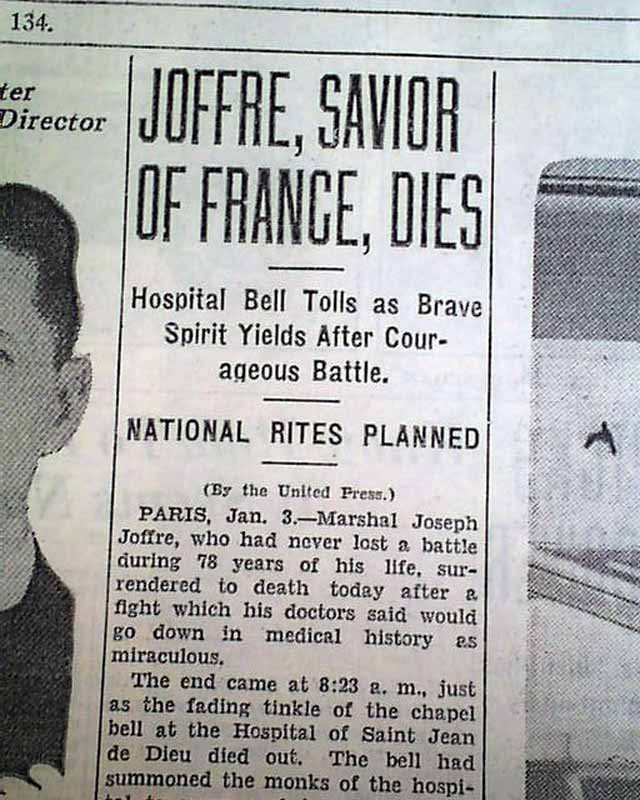
Marshal Joseph Joffre dies. THE DETROIT NEWS, January 3, 1931.

His legacy

Seen as a savior by some and as a butcher by others, everyone had his opinion about Joseph Joffre. It is possible to discuss the horrific battles that took place under his command but despite having significantly fewer troops and firepower than German General Von Moltke, Joffre did what he was tasked for: resist and hold.

Even though his Plan XVII was ultimately a failure and France nearly collapsed, his strategy to push the enemies of the French Republic back were a success, and it is important to remember the sacrifices and bravery of the men that died under his orders.

After all, we can see Joseph Joffre as a true savior because Paris did not fall to the hand of the German Imperial Army. As in 1871, it could have caused major troubles to the French war effort. Revolution, revolts, mutinies? What could have happened if the cold blood of Joffre did not prevent the Germans from entering Paris as they did 40 years before?

In the end, France won the Great War with enormous casualties, and every effort from the entire French population was vital for the war. Joffre had been their leader, the leader of a nation every step of the way.

Guest Contributor: Kjetil Vion is a writer and a history enthusiast. A passionate of France and modern military history, he has a special interest into the Prussian state, specially since the Sadowa battle against Austria. Always wanting to learn more, he now looks to spread his knowledge in history.

Odette Sansom: The Most Decorated Woman of World War II

The most decorated woman of World War II was a spy. Her name was Odette Sansom, a woman born in France that moved to Britain. This is her story.

Did you know that the most decorated woman of World War II was a spy? That’s right. Her name was Odette Sansom, a woman who was originally born in France and later moved to Britain, married an Englishman, and had three girls. 

Odette would survive several years in prison after being captured by the Germans before the war ended. She was a determined, audacious woman whose adventurous and loyal spirit made her one of Britain’s best spies. Odette, better known by her code name of Lise, was also World War II’s most highly decorated spy.

Who Was Odette Sansom?

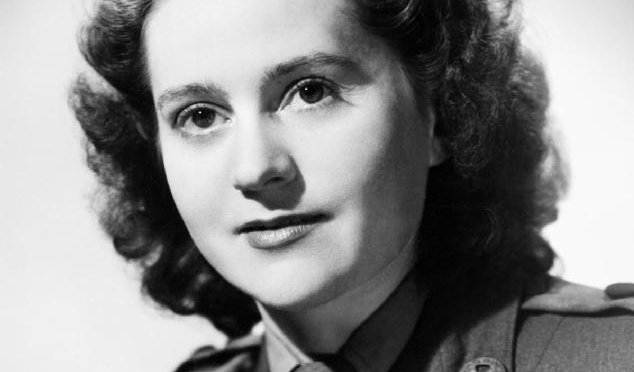
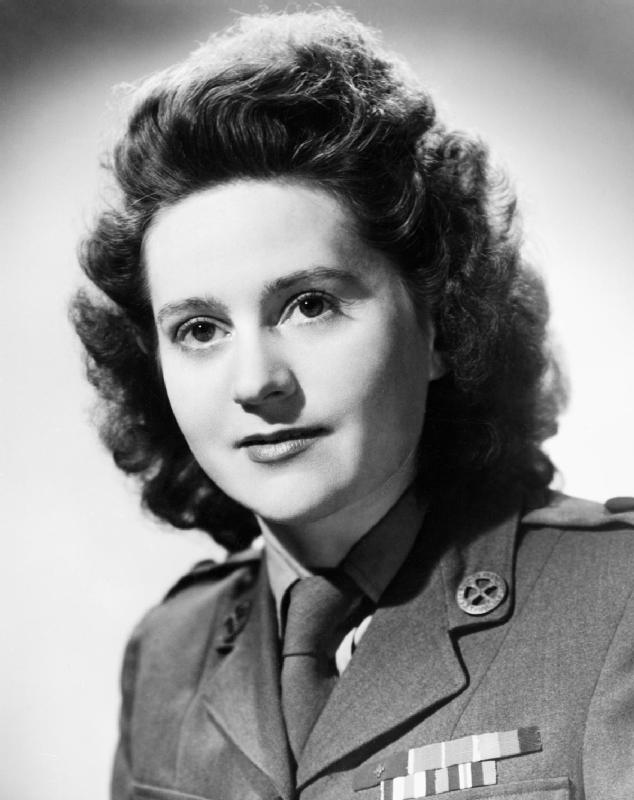
Lieutenant Odette Marie-Céline Sansom (1912-1995), George Cross, MBE. Odette Sansom served as a courier with F Section, Special Operations Executive.
Lieutenant Odette Marie-Céline Sansom (1912-1995), George Cross, MBE. Odette Sansom served as a courier with F Section, Special Operations Executive. CC Wikipedia.

Odette Marie Céline was born on April 28, 1912 to Gaston and Yvonne Brailly who lived in Amiens, France. Her brother Louis was born a year later in 1913. In 1914 when World War I broke out, Odette’s father joined the Infantry Regiment and received the Croix de Guerre and Médaille Militaire for his bravery. He died trying to find two of his men who had gone missing after the Battle of Verdun. Thus, Odette and her brother Louis grew up never knowing their father except his brave deeds.

Odette was a sickly child, but she managed to grow out of that when her mother enrolled her at a convent near the English Channel. When Odette graduated from high school, the nuns wrote in their final report that Odette was intelligent but also petulant. This streak would be seen clearly in Odette’s later activities as a spy.

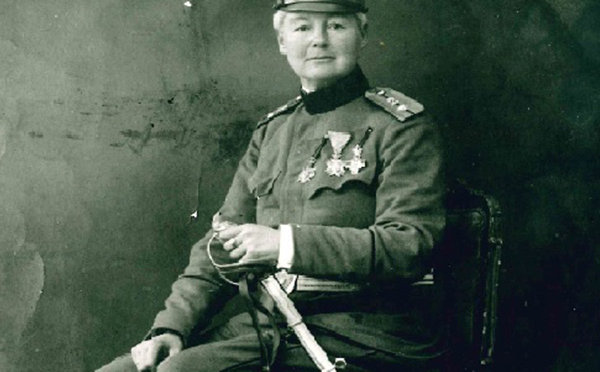
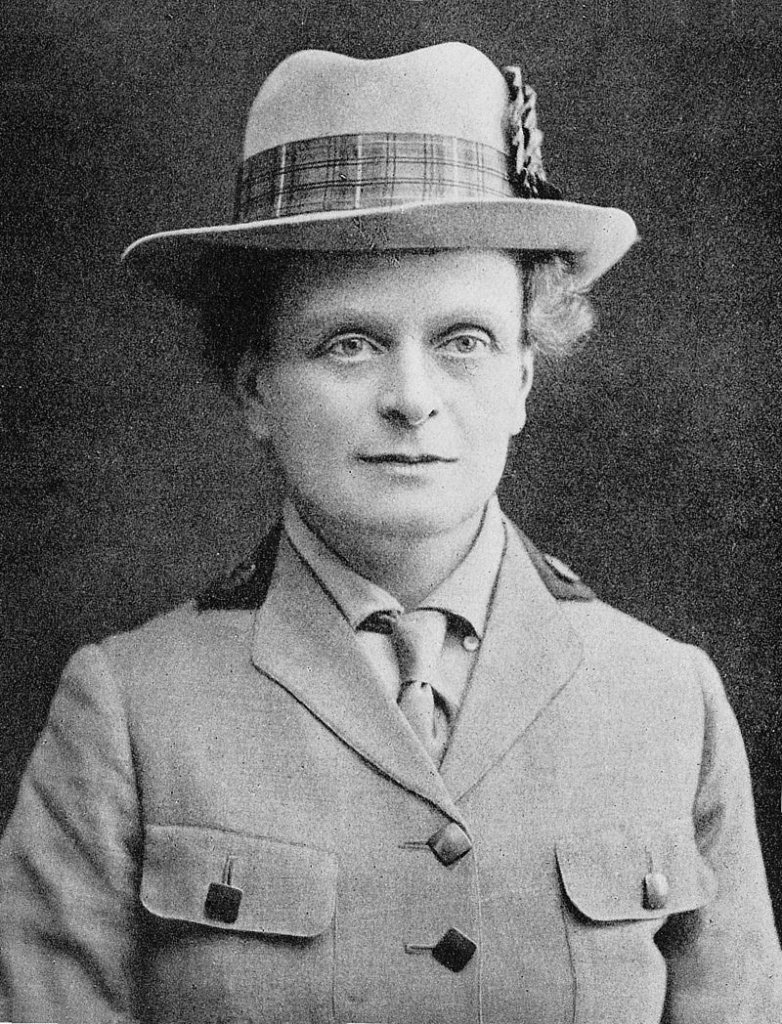
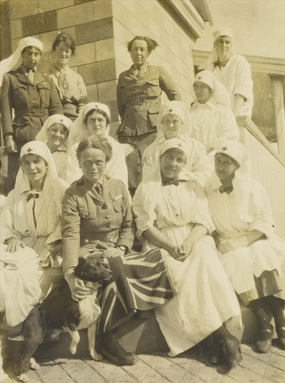
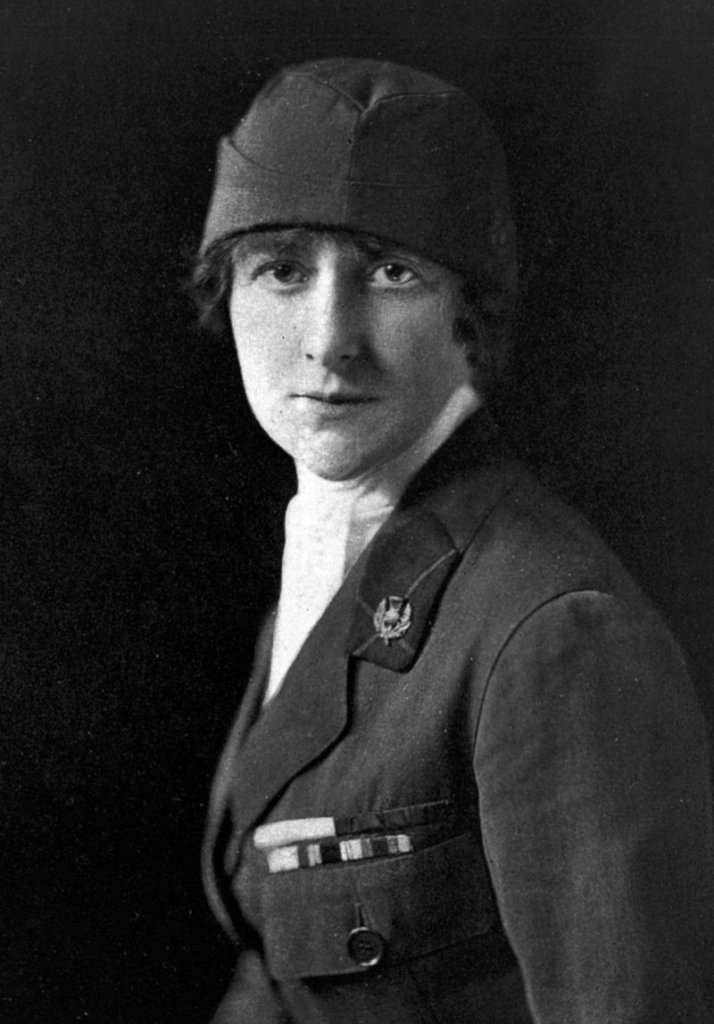
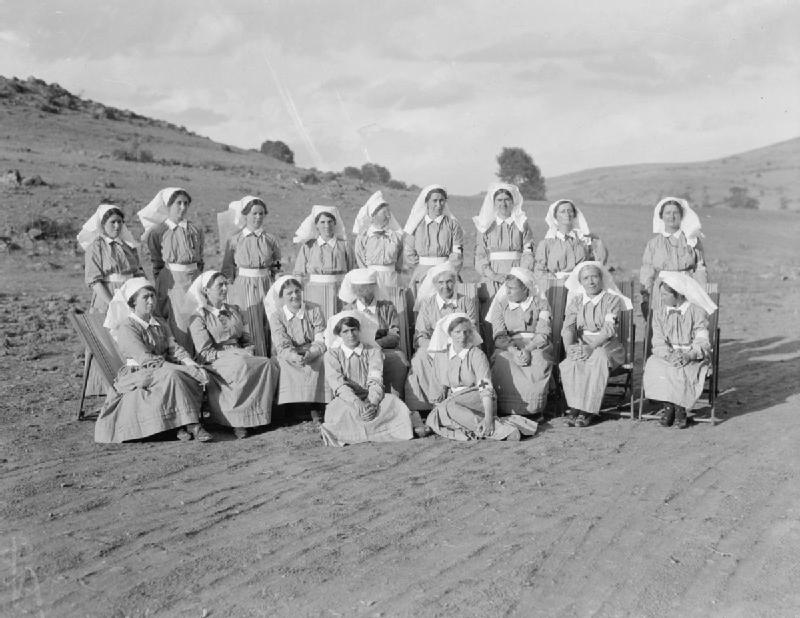
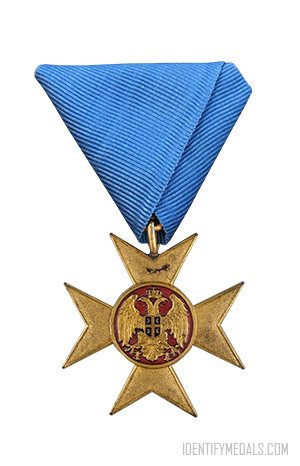
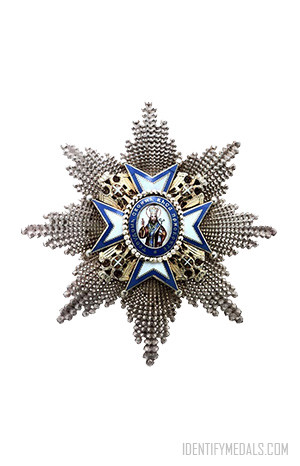
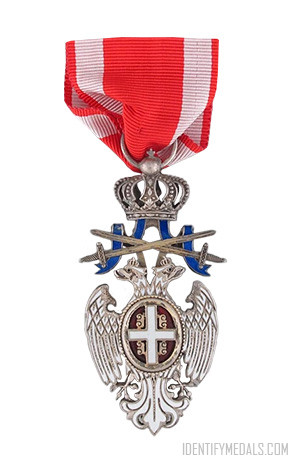
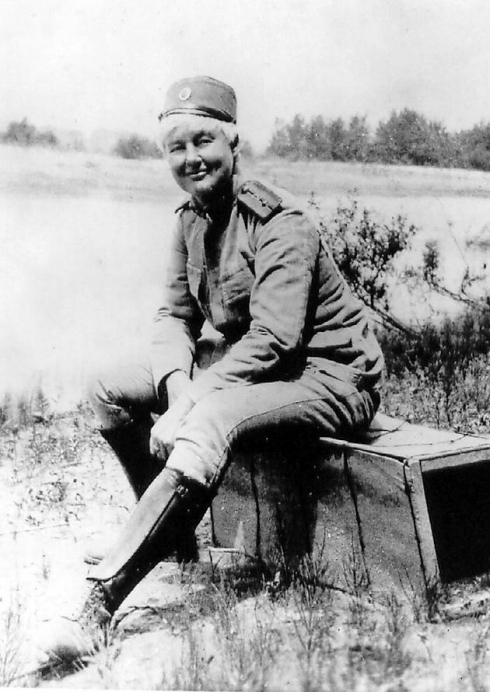
Bessie Dora Bowhill was a woman who served alongside of Dr. Inglis. Although Bowhill is less well-known than Inglis, she nevertheless did much to improve the lives of the Serbians she served. Bowhill had served during the Boer War and joined one of the Scottish Women’s Hospitals in Serbia during the First World War. She retained her senior position as a matron of the unit until she left Serbia in 1916. Like Dr. Inglis, Bowhill experienced the German occupation and did much to assist the suffering Serbians. Bowhill received the Serbian Cross of Mercy as well as the British War Medal and the British Victory Medal due to her nursing work in Serbia.

Odette married an Englishman, Roy Sansom, in 1930, and they moved to London after the birth of their first daughter, Francoise, 1932. They would later have Lily in 1934 and Marianne in 1936. After Nazi Germany invaded Poland in 1939 and France and Britain declared war, Roy enlisted with the British army and Odette was left at home to take care of their girls.

In 1942, Odette happened to hear on the radio that the Royal Navy was asking for photos of France. Odette had spent a fair amount of time on the beaches around Calais with her brother when Odette was in high school, so she had photos to send. In addition, Odette also mentioned in an accompanying letter that her parents were French and she was well-acquainted with the coastal regions, and promptly (and mistakenly!) sent the letter to the War Office.

Odette Sansom Turns Into Lise

Around a week later, Odette was summoned to the War Office where a Major Guthrie asked if she might be interested in some part-time work. Shortly thereafter, she received a letter from Captain Selwyn Jepson, who Odette would later discover worked for the F (France) Section of the SOE—Special Operations Executive—a secret organization that was supposed to assist with resistance efforts in Nazi-occupied countries and perform acts of sabotage in those countries.

Captain Jepson asked if she would be willing to undergo training to see if she would be fit for the role of saboteur. That day and for weeks later, Odette said no, saying that she had to take care of her children. Finally, she relented, just to prove Captain Jepson wrong that she was not fit for the job. But ironically, it turned out that she was, and Odette loved the training and was propelled by her desire to assist those in France.

After several failed attempts to get her to France, Odette under the code name Lise, arrived in Cannes on October 1942 to temporarily join Peter Churchill, who had the code name Pierre ChauvetMichel, or Raoul, and the SPINDLE circuit. Odette was later supposed to go on to Auxerre to establish a safe house, but Peter—unrelated to Winston Churchill—pulled some strings, and Odette joined his circuit, which included one of the best radio operators, Adolphe Rabinovitch who had the code name Arnaud

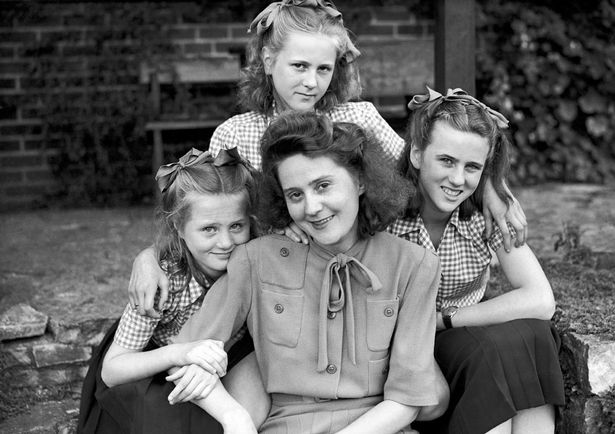
Odette Sansom and children
Odette Sansom with her children, Marianne, Lily and Francoise.
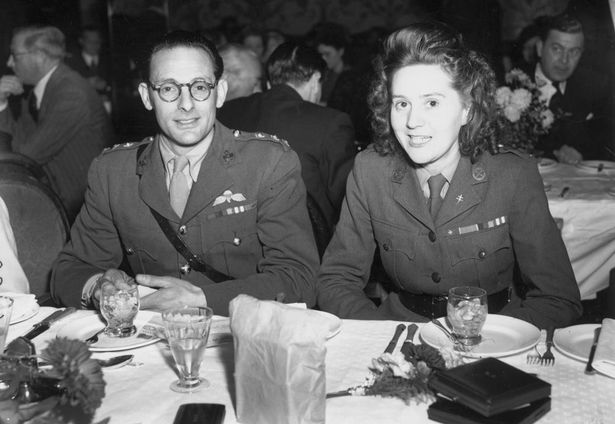
French secret agent and heroine Odette Sansom at a restaurant with her fiance, Captain Peter Churchill (Image: Getty)
French secret agent and heroine Odette Sansom at a restaurant with her fiance, Captain Peter Churchill. Image Source: Getty

Odette Sansom and Peter Churchill Are Captured

For six months, Odette, Peter, Arnaud, and the SPINDLE circuit together incited mayhem and avoided Germans, which required relocating several times. Unfortunately, though, a member of their network, Andre Marsac, had been captured and a sweet-talking Abwehr—the German intelligence organization—officer Hugo Bleicher, known as Colonel Henri, convinced Marsac to name members of his organization. On April 16, 1943, Odette and Peter were captured, and by this time, had developed a romantic connection so it was fairly easy to play that they were married.

From that point on until the end of the war, Odette and Peter would move into different prisons and concentration camps, sometimes together, but other times not. Odette tried to save Peter by convincing the Gestapo that she was the mastermind, not Peter, and she mentioned that Peter, who she called her husband, was the nephew of the Prime Minister Winston Churchill. These intelligent acts certainly saved Odette and Peter’s lives for some time.

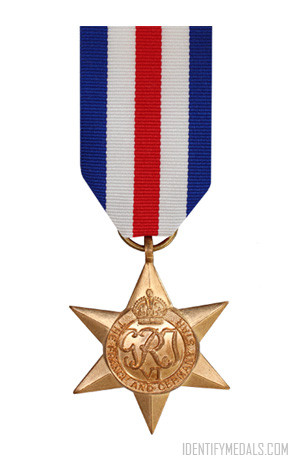
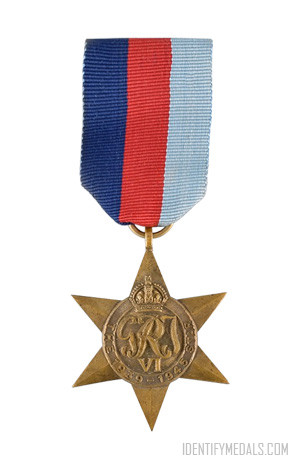
Odette Sansom’s Medals:

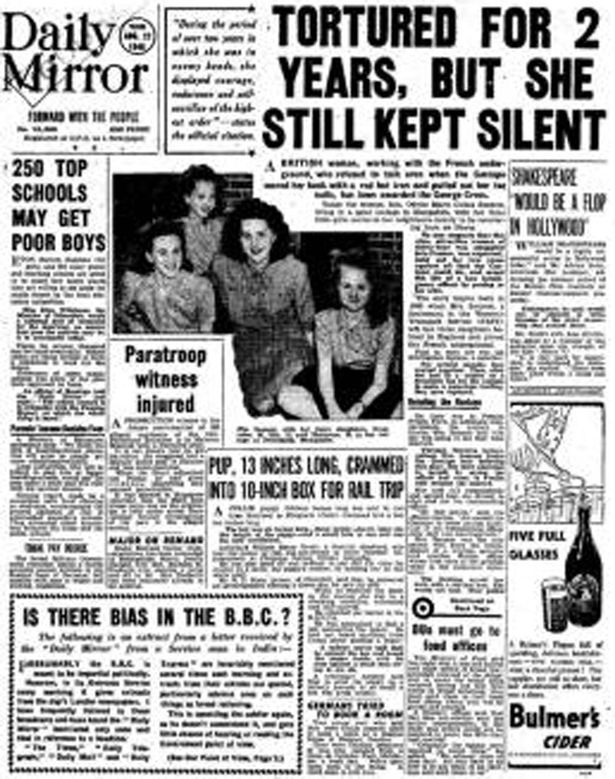
The Gestapo brutally tortured Odette since they considered her the mastermind and asked her for the location of some individuals which only Odette knew. Even when a red hot poker was placed on her back and all of her toenails were pulled out, Odette simply replied, “I have nothing to say.”

In July 1944, Odette was sent to Ravensbruck concentration camp and was kept in a dark bunker completely isolated for three months and 11 days at one point during her stay. Even though she was extremely emaciated and her hair and teeth were falling out, Odette still had her wits about her.

The camp commandment Fritz Suhren decided to take Odette with him to the American forces in May 1945, knowing that the Allies had entered Germany and that Odette had said that she was related to Winston Churchill. Odette, however, told the Americans to take him prisoner. Although Suhren would escape several times, he was eventually hanged for war crimes due in part to Odette’s testimony.

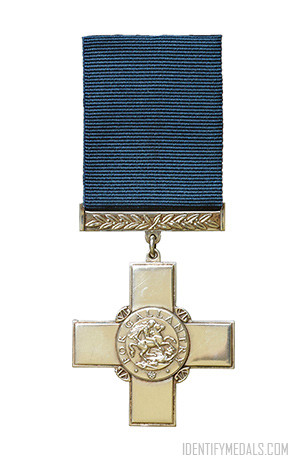
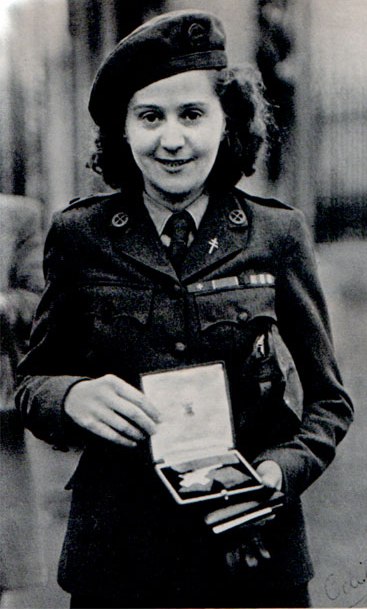
On August 19, 1946, Odette received news that she had received the George Cross, Britain’s second-highest honor, and it was decided that she and Peter would receive their British awards together at the investiture on November 17 of that same year. The only woman out of about 250 soldiers and officers about to be decorated, Odette was given the honor of leading the investiture.

Daily Mirror front page featuring WW2 female spy Odette Sansom.

Odette’s George Cross Citation:

‘The KING has been graciously pleased to award the GEORGE CROSS to: Odette Marie Celina, Mrs. SANSOM, M.B.E., Women’s Transport Service (First Aid Nursing Yeomanry).

Mrs. Sansom was infiltrated into enemy occupied France and worked with great courage and distinction until April, 1943, when she was arrested with her Commanding Officer. Between Marseilles and Paris on the way to the prison at Fresnes, she succeeded in speaking to her Commanding Officer and for mutual protection they agreed to maintain that they were married. She adhered to this story and even succeeded in convincing her captors in spite of considerable contrary evidence and through at least fourteen interrogations. She also drew Gestapo attention from her Commanding Officer on to herself saying that he had only come to France on her insistence. She took full responsibility and agreed that it should be herself and not her Commanding Officer who should be shot. By this action she caused the Gestapo to cease paying attention to her Commanding Officer after only two interrogations. In addition the Gestapo were most determined to discover the whereabouts of a wireless operator and of another British officer whose lives were of the greatest value to the Resistance Organisation. Mrs. Sansom was the only person who knew of their whereabouts. The Gestapo tortured her most brutally to try to make her give away this information. They seared her back with a red hot iron and, when, that failed, they pulled out all her toe-nails. Mrs. Sansom, however, continually refused to speak and by her bravery and determination, she not only saved the lives of the two officers but also enabled them to carry on their most valuable work. During the period of over two years in which she was in enemy hands, she displayed courage, endurance and self-sacrifice of the highest possible order.’

Odette Sansom holding her medals.

The Reunion of Odette and Peter

After the war, Odette and Peter reunited after fifteen months of being separated and were married on February 15, 1947 although they would later divorce in 1956, but Peter never spoke ill of his ex-wife who married Geoffrey Hallowes later in 1956. Odette died on March 13, 1995 at the age of 82.

One of only three F Section agents operating in France to receive the George Cross, Britain’s second-highest honor, Odette was the only one to receive the award in her lifetime. In addition, Odette was the second SOE agent and the first female who had faced the enemy to receive the award. Odette did not like being especially singled out and asked that the award be regarded as acknowledgement of all who had assisted to liberate France. Even though some individuals disputed Odette’s receipt of the George Cross and asked it to be revoked, Prime Minister Macmillan refused to entertain the idea, as Odette had duly received the award.

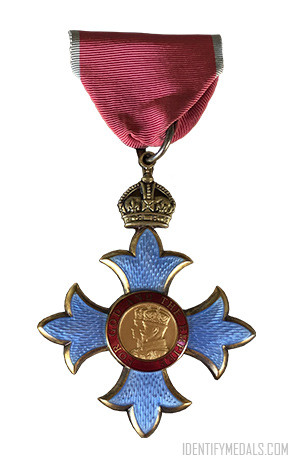
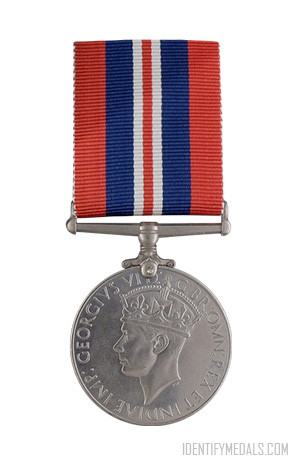
In addition to the George Cross, Odette received the Order of the British Empire (M.B.E.), the Chevalier de la Legion d’honneur, the the 1939-1945 Star, the France and Germany Star, the War Medal 1939-1945, the Queen Elizabeth II Coronation Medal, and the Queen Elizabeth II Silver Jubilee Medal. In 1950, Odette’s story was made in a film called Odette, and the Royal Mail released a stamp in Odette’s honor in 2012.

Sources

Guest Contributor: Rachel Basinger is a former history teacher turned freelance writer and editor. She loves studying military history, especially the World Wars, and of course military medals. She has authored three history books for young adults and transcribed interviews of World War II veterans. In her free time, Rachel is a voracious reader and is a runner who completed her first half marathon in May 2019.
A Visit to the Arromanches Museum in Normandy

The Arromanches Museum is a monument in the name of those who jumped above Normandy and landed at the beaches to end Fascism in Europe.

1944, Normandy. The sky is grey and the fog is compact. The night is dark. The wind blows but somehow, the most intrepid of all men decided on their own to jump over France. It is the 5th of June, and some of them will never see their homeland again. But in the name of Freedom and Democracy, they decided it was their duty to help those who are oppressed.

The museum is a monument in the name of those who decided to jump above Normandy and land at the beaches. It is a monument for those who made possible what would later lead to the defeat of Nazi Germany and the end of Fascism in Europe.

What is the Arromanches Museum about?

Arromanches Landing Museum - Exhibit. CC GK Sens-Yonne Flickr.

Why would you go to this museum in the first place? Well, it is nearby all the bridgeheads of the Normandy landings.

If you start your journey from Utah Beach, the most western of all the beaches, you’ll have the luck to go across all the beaches from West to East and the final stage in this trip is naturally, Arromanches, which was a crucial point during the Liberation of France. Or if you take the trip in the other way around, it is the first necessary stop on your way to knowledge.

The museum has two particulars addressed subjects: the first one is as you guessed, the Normandy landings and the second one is the Mulberry Harbor. This harbor was capital for the landings as the Dieppe Landing (1942) proved that the Allies couldn’t not breach the Atlantic Wall to capture a harbor. Even though the Allies finally captured Cherbourg and its precious harbor, the Mulberry harbor was still in use for 10 months after the initial landings. More than 2,500,000 men, 500,000 vehicles and 4 million tons of supplies landed in the harbor.

But why would you buy a museum just by this particular site? French President René Coty pushed hard in the 1950s for a museum to be built in the area, to show the magnificent war effort that was done just for the landings and to help supply the troops that were liberating France.

So as you guessed, in this museum, you will have the luck to see everything about the harbor. You will enter first a big room where you will see a mock up of the harbor. Every aspect of the harbor and how it worked is detailed on this mock up that is around 20 meters long!

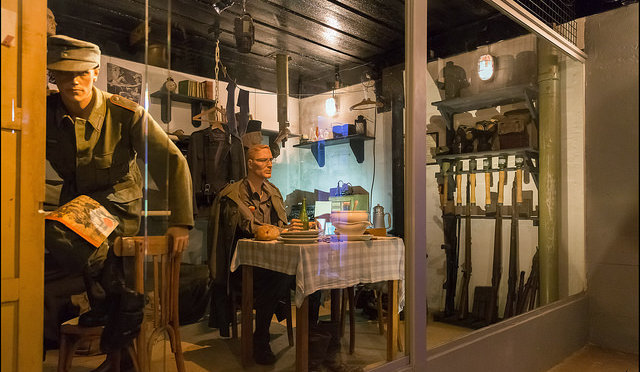
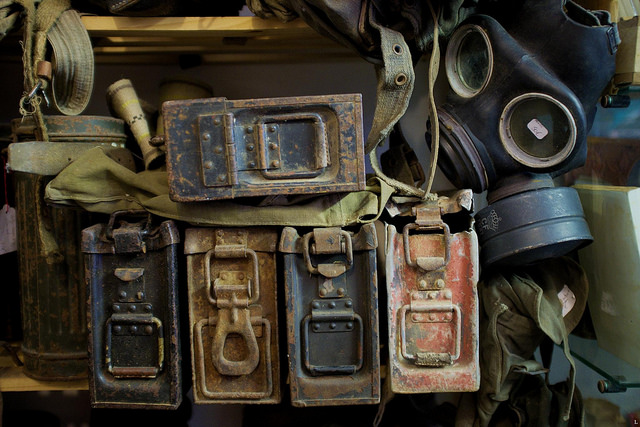
You can find many other things in the museum. You’ll find different uniforms used by the troops of both sides, some rifles, some German equipment… There is also a movie describing the Normandy landing and the role of the Harbor, its conception and the strategic importance it had.

At the end of your tour in the museum, you will of course happen to land… in a souvenir shop like every museum in the world. Outside the museum, and next to the usual flags that you can find pretty much all across the Normandy coast, you will find some interesting pieces of artillery, from both England and Germany.

Inside the museum. CC txindoki, Flickr.
Outside the museum. CC Davide P., Flickr.

Outside the museum…

Not only you should go to the museum for all the things you can learn inside the museum, but the most important thing in Arromanches is the scenery offered to the visitor. Not only Arromanches is a beautiful city on the Channel Coast, but the sea is just by the museum, on the shore.

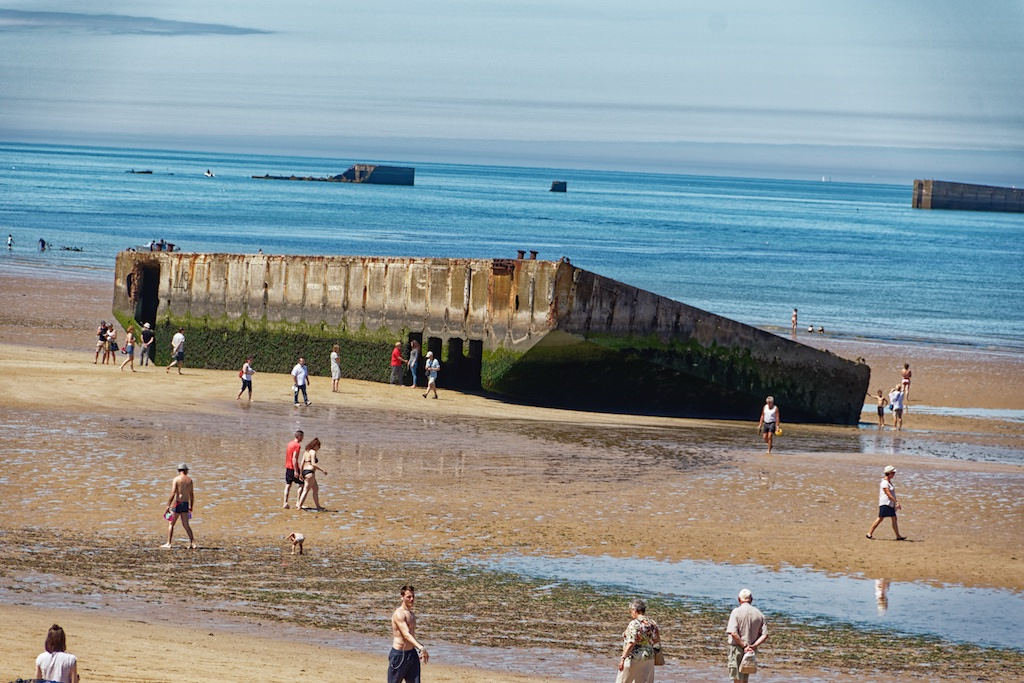
The most impressing thing in all of that is that ashore, you can still see what used to be a harbor. As Lord Mountbatten said: “If we dispose of no harbors, we will bring our own.

The gigantic dockyard that was used to pour equipment through the Channel and into France was located in the bay of Arromanches, just ashore of the museum! If the tide is low, you can even walk to the remains of the harbor! You’ll happen to find gigantic pieces of concrete that could float, and that was used as pontoons, going back and forth with the tide.

The artificial harbor at Arromanche.
The artificial harbor at Arromanche. Credit: Andrew Thomson, CC, Flickr.

The remains of the harbor give you an idea of how enormous what the Allies decided to do. They didn’t bother asking themselves which sea harbor would be the best between Cherbourg, Le Havre or many more. They just built their own harbor in the middle of basically nowhere, in the only place where the shore is not a cliff in the area. The things you can discover inside the museum are truly interesting and is an important stop on your way to history and how everything happened. But outside, you can truly appreciate the effort that was done to help and supports the troops fighting Nazi Germany inland.

The Mulberry Harbour of Arromanches was of strategic importance, and there was no way Germany could disrupt its effort in any manner, considering the Luftwaffe and Kriegsmarine had no way to interfere. They could always sabotage the harbors they were holding such as what happened in Cherbourg, but the Mulberry of Arromanches stood and, it was one of the most important points of the Allies invasion of Western Europe.

The point of this museum is as stated before, not to be the most precise or detailed one, but to be a monument. A monument dedicated to the people who decided to do the impossible, the unthinkable. They decided to go for it, to liberate Europe from Fascism and Nazism. It is dedicated to those who thought and built the Mulberrys. Those who decided to fight for Freedom.

Guest Contributor: Kjetil Vion is a writer and a history enthusiast. A passionate of France and modern military history, he has a special interest into the Prussian state, specially since the Sadowa battle against Austria. Always wanting to learn more, he now looks to spread his knowledge in history.

The Arctic Convoys of the Second World War

How after a disaster in the Eastern front and the possible collapse of the communist giant, the USA and Great Britain helped the Red Army.

This night of the 21st of June 1941, no one would have expected what followed. Well, some saw some signs that an enormous army was reaching the borders between Nazi Germany and the Soviet Union. The tsunami that ensued was one of the most ambitious attack ever created by any army in the history of Mankind.

In a few days, lacking any real orders nor information from the Stavka (Soviet high command of the Armed forces) or Stalin, most of the troops of the Red Army were wiped out. The equipment was captured or destroyed. It would take several months for the Red Army to recover from this hurricane, and they would only stop the Germans in the suburbs of Moscow.

Seeing a total disaster in the Eastern front and the possible collapse of the communist giant, America and Great Britain decided to help the Red Army, in an unusual way but in a way that could only help the soviets recovering. The lend-lease program thus started in august 1941, taking its part in saving the explosion of the Soviet Union.

Where did the Arctic convoys come from, and where did they arrive?

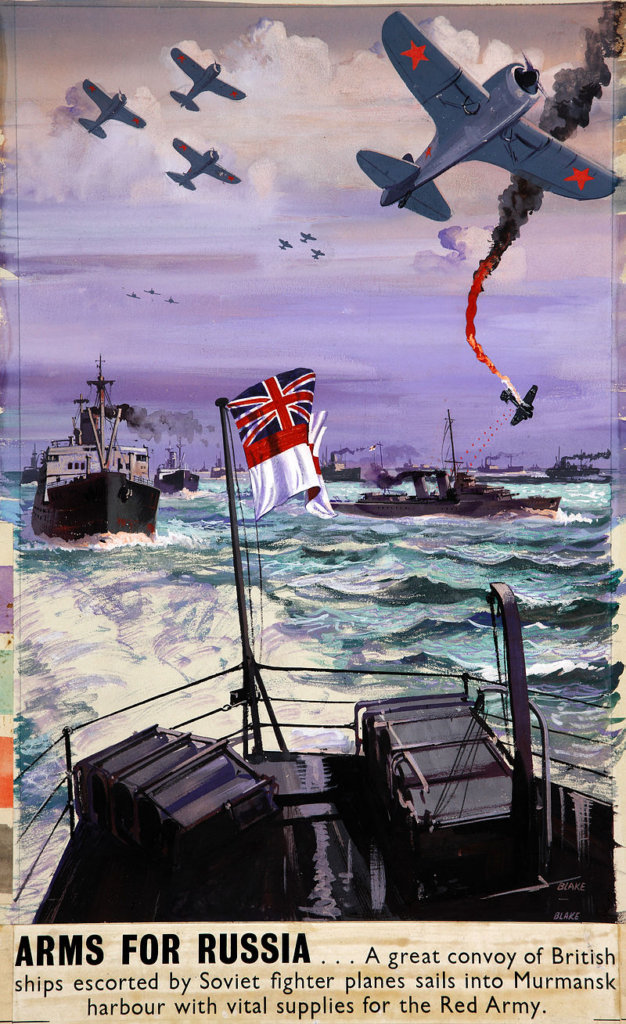
A British wartime poster about the Arctic convoys.
A British wartime poster about the Arctic convoys. Public Domain. Courtesy of The National Archives (United Kingdom).

Escorted by the Royal Navy, the Royal Canadian Navy and the US Navythe convoys sailed in the north Atlantic to a meeting point situated in Iceland and then sailed through the north, crossing the Norwegian sea as far away from the coast as possible, the tumultuous Barents Sea and arriving in Murmansk or Arkhangelsk deep in the coast of the White Sea.

During this journey, the vessels and their escorts would sneak between the icebergs of the Arctic Ocean and the German naval bases located in the fjords of the Norwegian coastline.

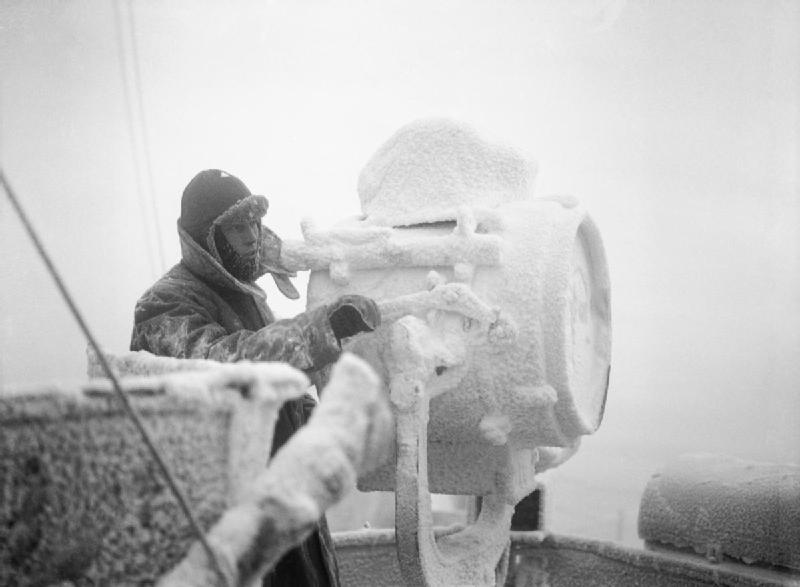
Besides the danger of icebergs and the minus 50 degree Celsius the sailors could face, the main trouble was the wolf packs of GroßAdmiral Dönitz. These packs were composed of several U-Boote and were hunting the vessels all year long. The submarines were not the only hunters in the paths of the convoys, as the Tirpitz and the Scharnhorst were also stationed in the fjords. As the Battle of the Atlantic was carrying on and with the slow death of the Kriegsmarine, these two Battleships had no real impact after 1942.

The destination of the convoys was not clear but the ideal target was Murmansk in the Kola peninsula. With the efficient rail network that covered the Soviet Union, it was the fastest stop to unload equipment and make it go across the country, until it reached front-line units.

Murmansk was at first a very dangerous stop for the convoys as Finland also joined the war against the USSR as a co-belligerent. One of the objectives of the Finns was to attack and cease Murmansk in case convoys would reach the Soviet Union. Operation ‘Silver Fox’ was a failure and the outnumbered and badly equipped Russians held Murmansk until the end of the war with Finland in 1944.

It would take around 10 to 15 days for the convoys to sail from their meeting point, either in Iceland or near the Orkney Islands, to Murmansk or Arkhangelsk.

Some may ask why the USA didn’t sail across the Northern Pacific to harbors like Vladivostok. The answer is quite obvious, since Japan declared war in late 1941. The Pacific Ocean was dangerous, not only because the Japanese Imperial Navy was hunting in the area, but also because in the Aleutian Islands, the Japanese did a ground landing and thus starting the only ground battle on American Soil.

Were the convoys that important for the USSR war economy?

We can always try and want to rewrite history, but the arctic convoys played a major role during the Great Patriotic War as the Russians call it nowadays. Some convoys were so stacked, it would take sometimes more than 6 months to unload their shipping in the soviet harbors. Tanks, aircraft, artillery, basic equipment like boots, trucks… The convoys unloaded more than 4 million tons of equipment into the arctic harbors!

Arguing about the necessity of the convoys is easy, knowing that all the Soviet war industries were displaced far away behind the Urals, but in 1941, when in the very first day of Operation Barbarossa, most of the Soviet air force was destroyed by the Blitzkrieg orchestrated by Nazi Germany, this equipment was more than necessary. It was vital.

The first English aircraft that set foot on Soviet territory was directly engaged in combat. Even “The Hurricanes” participated in the Battle for Moscow during winter 1941-1942, when the Soviet Union was on the brink of collapsing.

Ice forming on a 20-inch signal projector on the cruiser HMS SHEFFIELD whilst she is helping to escort an Arctic convoy to Russia. CC Wikipedia.
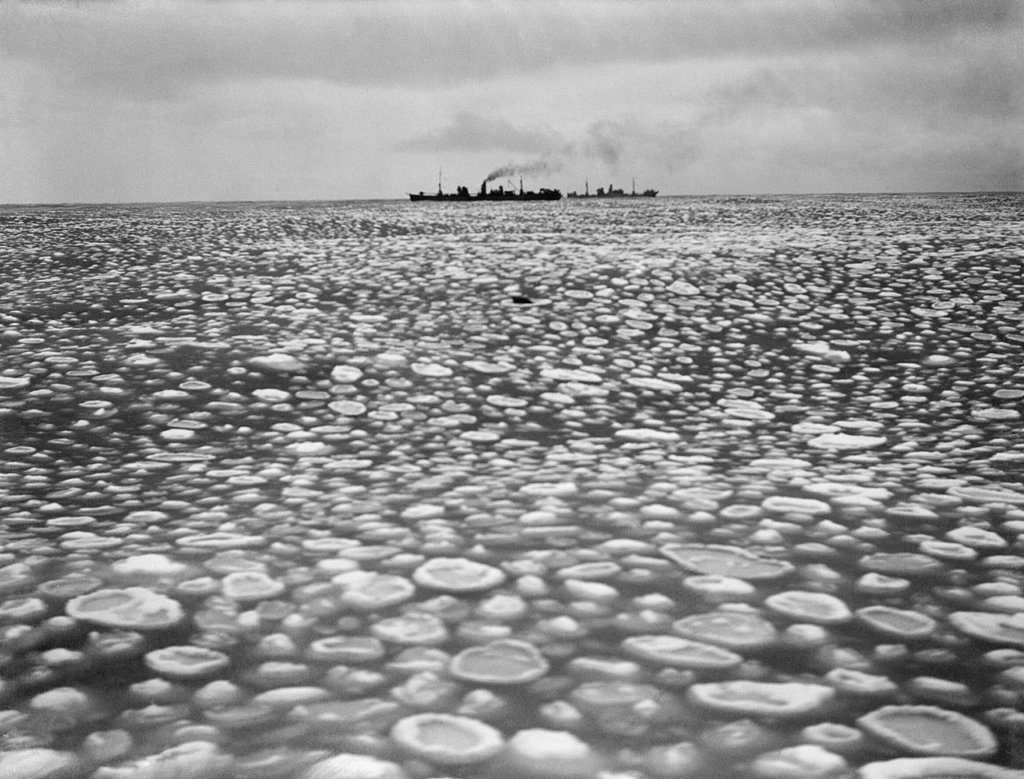
The ships on northern convoy duty passing through pack ice during the voyage.
The ships on northern convoy duty passing through pack ice during the voyage. CC Wikipedia.
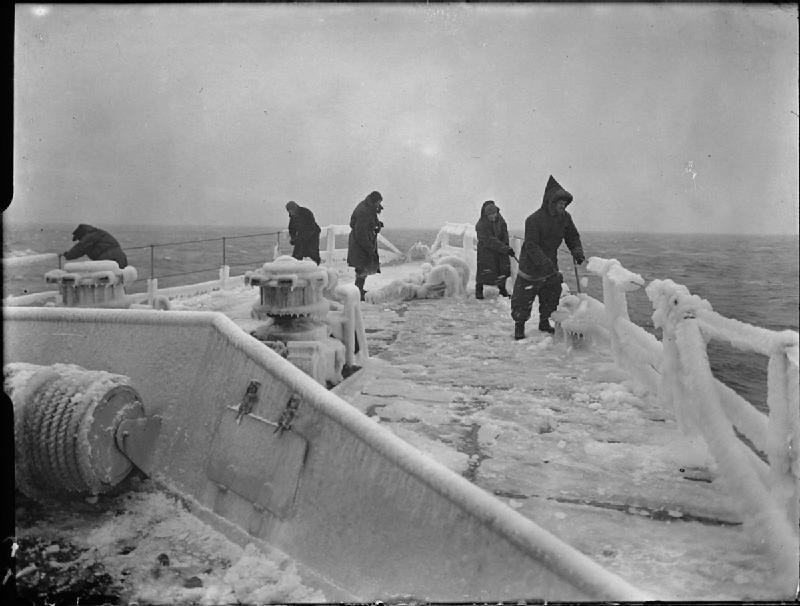
Members of the crew clearing the frozen focsle of HMS INGLEFIELD during convoy duty in Arctic waters.
Members of the crew clearing the frozen focsle of HMS INGLEFIELD during convoy duty in Arctic waters. CC Wikipedia.

Why did the convoys play a Major role in the War?

The convoys played a major role in the war effort. Not only on the battlefield, even though the equipment provided by the UK and the USA was vital for the Soviet war effort, it wasn’t as vital as the diplomatic actions and trust it installed between the communist giant and the western democracies.

The convoys were vital for Stalin, but they were for Churchill as well. It showed that the West was prone to help the USSR before creating the “Second Front” in Western Europe in 1943 and 1944. Stalin was paranoiac but in the West was trying to help him, he knew he could trust the Allies and that they would not give up on him.

These sailors probably didn’t know it and some died without knowing it, but they played a major role in winning the War. They tried and succeeded to connect two different ideologies against a monstrosity only for the good to succeed in the end.As we look back, we must remember the sacrifice of these sailors, not because they did their job but because as FieldMarshal Mannerheim said : “Fortifications, artillery, foreign aid will be of no value, unless the ordinary soldier knows that it is HE guarding his Country.

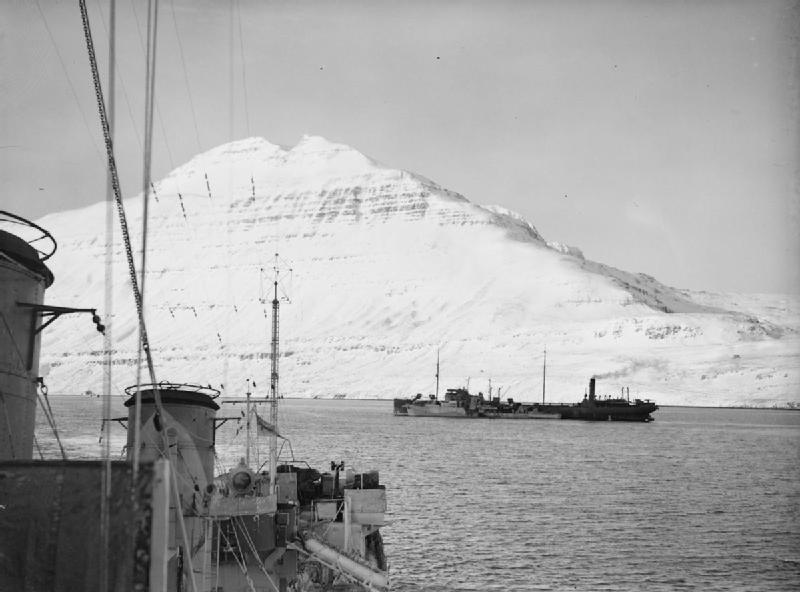
Arctic Convoy. on Board HMS Inglefield , 14 February To 13 March 1943, during Convoy Duty in Arctic Waters.
Arctic Convoy. on Board HMS Inglefield , 14 February To 13 March 1943, during Convoy Duty in Arctic Waters. CC Wikimedia.
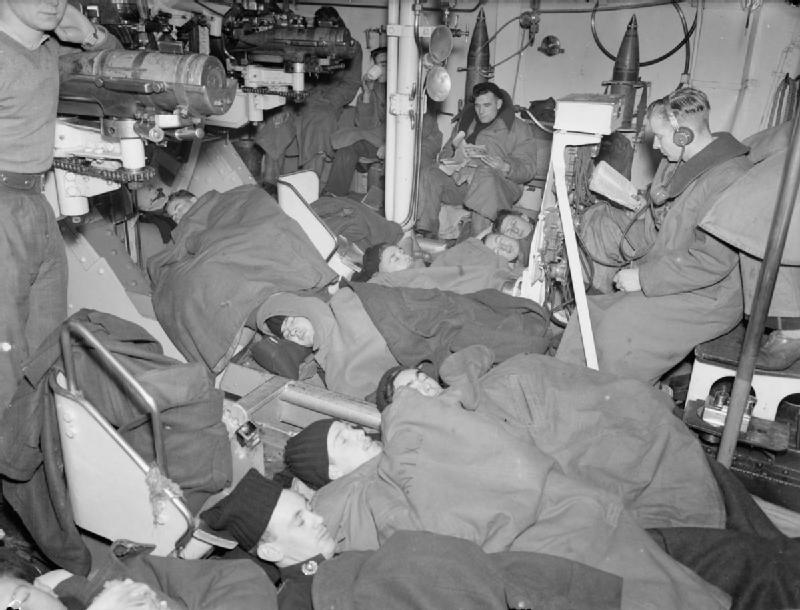
Inside one of the gunhouses for the triple mounted 6 inch gun aboard HMS SHEFFIELD.
Inside one of the gunhouses for the triple mounted 6 inch gun aboard HMS SHEFFIELD. CC Wikimedia.

Sources:

Guest Contributor: Kjetil Vion is a writer and a history enthusiast. A passionate of France and modern military history, he has a special interest into the Prussian state, specially since the Sadowa battle against Austria. Always wanting to learn more, he now looks to spread his knowledge in history.

Colonial Military Involvement in World War I

More than half a million colonial soldiers fought in Europe. They came from all corners of Africa and were deployed in different battles.

It is still difficult to determine whether colonial military involvement in World War I helped strengthened or loosen colonial ties. More than half a million colonial soldiers fought in Europe, mainly in the French army. These soldiers came from all corners of Africa and were deployed in different parts of Europe.

Most of the European countries involved in colonizing Africa participated in World War I. They controlled large parts of the continent, thereby forcing the native Africans to participate in the war. Apart from the economic exploitation of Africa to support the war, colonial powers forced Africans to migrate to Europe where they either became workers or soldiers.

WW1 and the Colonies

Between 1914 and 1918 alone, more than 440,000 native soldiers and 268,000 workers were shipped to Europe, where they were forced to participate in the war. According to the British Library, more than four million men of African origin were mobilized across the continent to participate in the First World War alone.

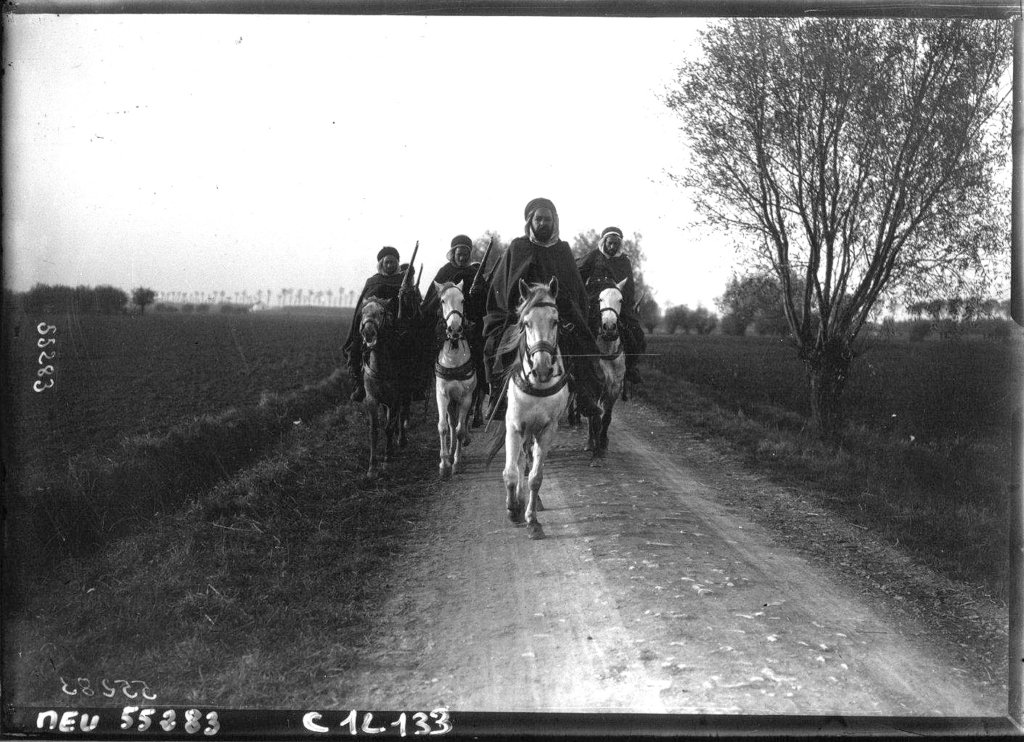
Cavalry patrol of Moroccan Spahis fighting for the French army near Furnes, Belgium, 1914.
Cavalry patrol of Moroccan Spahis fighting for the French army near Furnes, Belgium, 1914. Public Domain. Courtesy of Bibliothèque nationale de France.

The Origin of Colonial Troops

France was the most notable culprit as far as colonial troops were involved. It had already used African soldiers to fight its European wars like the Italian war in 1859, Crimean war (1854-1856) and the Franco-Prussian war in 1870-71.

After the first crisis in Morocco in 1905 Adolphe Messimy, a radical army general, petitioned for an extended period of compulsory military service to Muslim Algerians. A 1912 verdict allowed for the forceful recruitment if the required number wasn’t met by those who volunteered.

From 1914-1915, France deployed more than 450,000 soldiers from Africa. They came from West Africa, Algeria, Morocco, Tunisia, and Somalia. European settlers added another 110,000 from North Africa, while around 5,700 were extracted from Senegalese ports and towns. The then Prime Minister George Clemenceau (1841-1929) came up with a suggestion to hire 200,000 Ethiopian mercenaries, but it never happened.

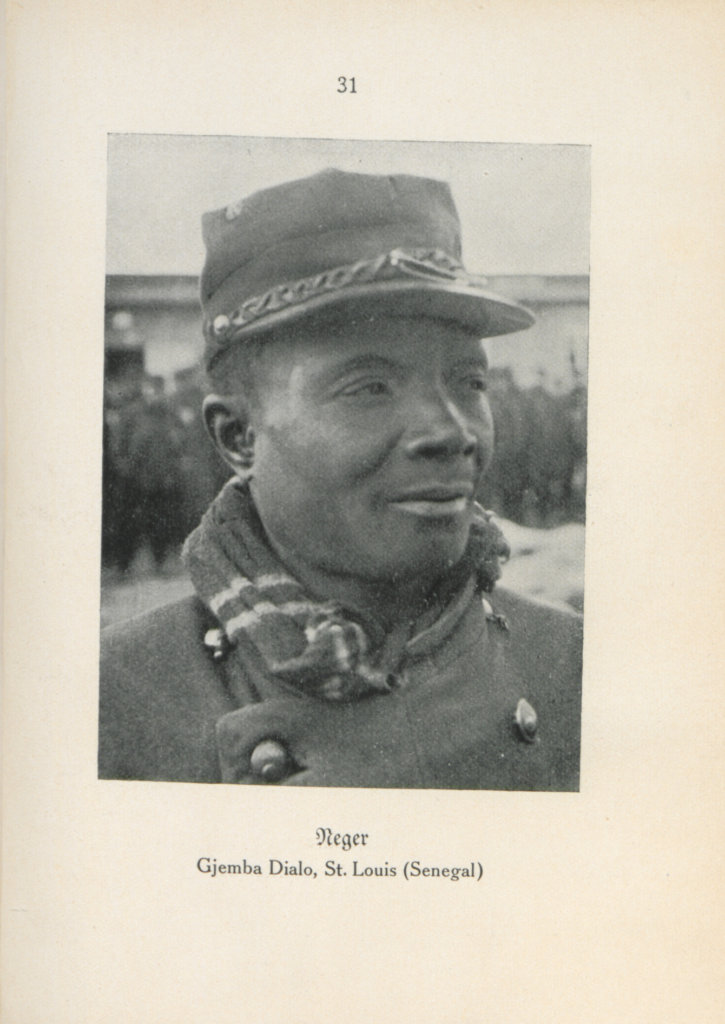
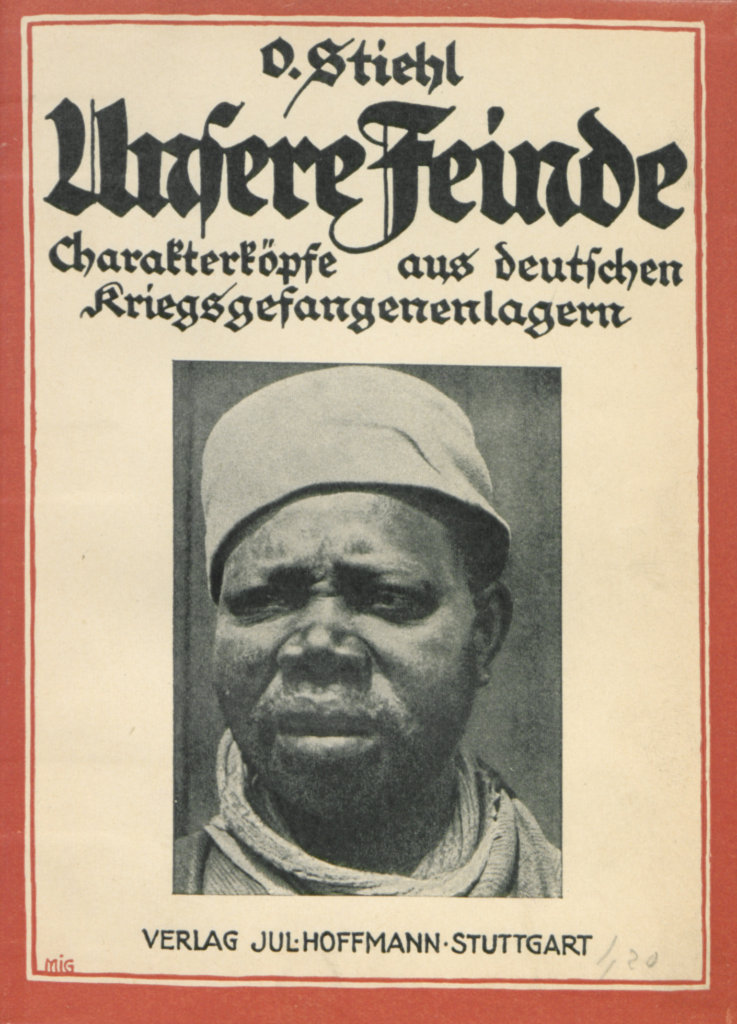
Portrait titled "Our Enemies. 96 Character Heads from Prisoner of War Camps in Germany".
Portrait from portraits are titled "Our Enemies. 96 Character Heads from Prisoner of War Camps in Germany". Public Domain. Courtesy of Staatsbibliothek zu Berlin.

The number of colonial troops increased in the second half of the First World War. After suffering heavy casualties in the first phase, a new doctrine emerged. Colonial troops were to fight alongside soldiers from European countries to minimize defections and casualties.

The massive recruitment of men from North and West Africa to participate in World War I came with numerous challenges. For instance, the French saw a drop in the number of volunteers and the military resorted to coerced recruitment. This approach faced opposition from many people.

In West Africa, rich and influential Africans would resort to handing over their servants and slaves to the recruiting officers to spare their family members from participating in the war. Resistance came in many forms; for instance, there were cases of self-mutilation, fleeing into Liberia, the Gold coast, Guinea or even into the dense forests. In some instances, armed rebellion cropped up to fight the colonial powers taking people to fight in the First World War.

In West Africa, rich and influential Africans would resort to handing over their servants and slaves to the recruiting officers to spare their family members from participating in the war.

Unlike the French who never hesitated to deploy colonial troops in the First World War, countries like BritainItaly, and Belgium among others exhibited some reluctance in deploying their colonial soldiers.

The British soldiers comprised of colonial troops in the Middle East and Africa. Part of India’s colonial soldiers was partially used in Europe from as early as 1914. But in 1916 the famous ‘million black army’ was endorsed by many politicians like Winston Churchill (1874-1965) and senior military officers. However, racial prejudice, logistical challenges, and opposition from African countries made it difficult to use these troops in Europe.

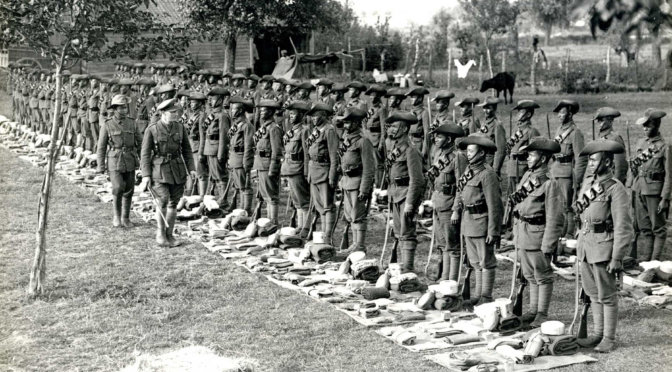
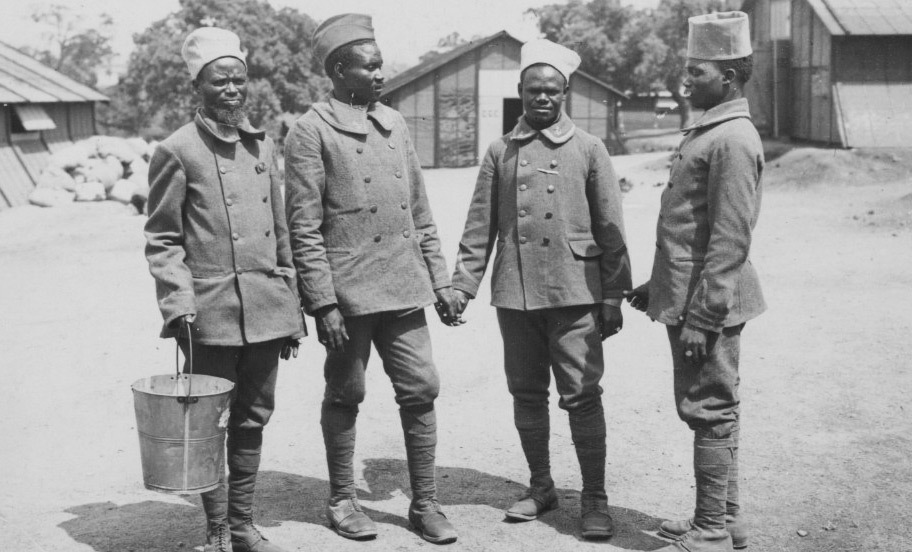
Senegalese soldiers at a Sudanese camp during World War One, circa 1914-1918.
Senegalese soldiers at a Sudanese camp during World War One, circa 1914-1918. Public Domain.

Italy tried deploying its colonial troops in Europe but it was disastrous. For instance, in August 1915, around 2,700 troops from Libya were taken to Sicily. But they failed to get to the frontline because many died from pneumonia immediately after arriving. As a result, the remaining Libyans had to be shipped back home.

Belgium had planned to ship its colonial soldiers from Congo, but this never materialized. But a small number of Congolese fighters fought alongside metropolitan Belgian troops. The Portuguese didn’t bother deploying its colonial troops in Europe either. The Germans used a majority of its colonial forces in the African theatres of wars but never envisioned sending them to Europe to fight in the First World War. Furthermore, they wouldn’t have done so due to logistical challenges.

Race and Military Dogma

It is no secret the involvement of the colonial troops in the First World War is remarkable in the sense that people from different races met and fought against each other and alongside one another. This diversity is the reason why Britain and France resorted to using non-white soldiers against the Germans.

In 1914, The Times History of the World wrote, “the instinct which made us such sticklers for propriety in all our dealings made us more reluctant than other nations would feel to employ colored troops against a white enemy.”

Britain used colonial troops in its colonies for imperial defense and not in Europe to fight other white groups. The argument brought forward is if a white man is trained to use arms against another European, there’s no guarantee that they’ll not attack their own masters in the future. However, this changed after European countries realized their native soldiers were suffering heavy casualties, hence the decision to use colonial troops. The British had a racial categorization policy that informed their decision to deploy two Indian divisions in France.

German publication, Our Enemies. Striking heads in the Prisoner of War camps in Germany, 1916.
German publication, Our Enemies. Striking heads in the Prisoner of War camps in Germany, 1916. Public Domain. Courtesy of Staatsbibliothek zu Berlin.
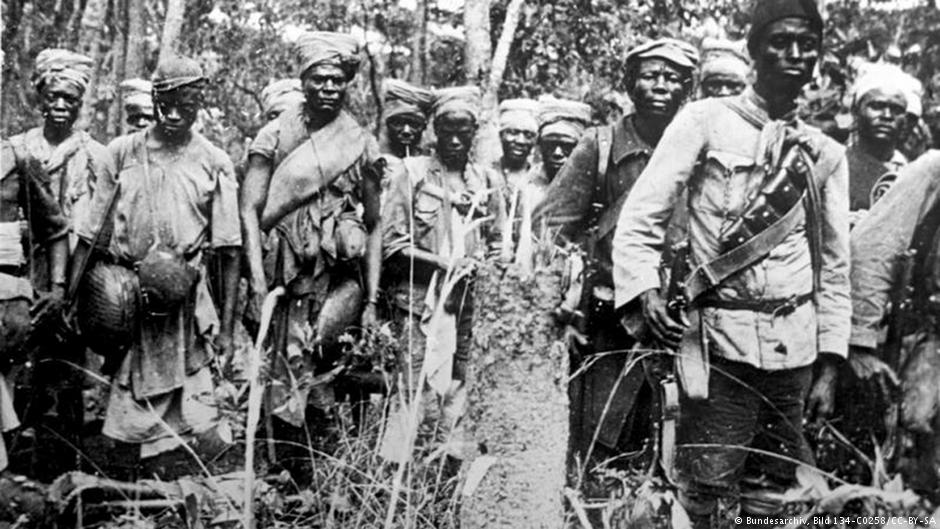
Askaris and bearers in German East Africa
Askaris and bearers in German East Africa. Public Domain. Courtesy of Bundesarhiv.
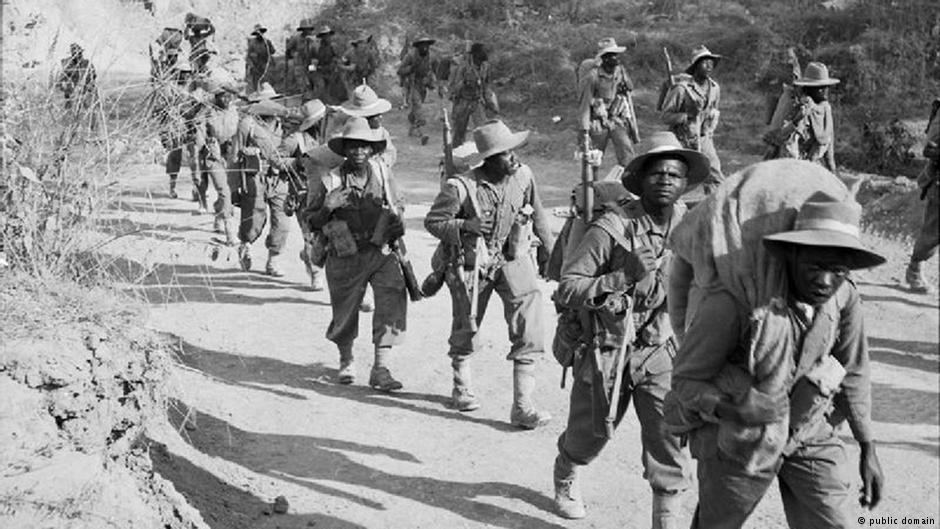
Troops of the East Africa division marching in Burma.
Troops of the East Africa division marching in Burma. Public Domain. Courtesy of DW.

Final Thoughts

While in common thought the perception of World War I is narrowly confined to the Western Front, the battle took place in the Middle East, Europe and Africa. But there were brief excursions in the Far East and Central Asia.

The litany of the labels of the different arenas of combat has become the identifier for the ‘world’ nature of World War I. The colonial Homefront -the lives of many, women and children across Africa and Asia who lost their fathers, brothers, and husbands and experienced a myriad of challenges remains one of the under-researched areas of World War I history.

Part of the problem lies in the sources. A majority of the colonial soldiers who served in the First World War were illiterate and did not leave memoirs and diaries like those found in Europe. But there is much to learn from the experiences of both men, women and children, both combatants and non-combatants who fought in the war and whose lives were changed forever.

Guest Contributor: Solomon Ochieng is an ex-soldier turned freelance writer. He’s interested in military history, its traditions and recent developments. He has a BsC in ICT Management from Maseno University and regularly writes for Ethiopia’s Ezega.com, and a regular contributor to Identify Medals focused on military medals and awards. In his free time, you’ll find him reading or working out.

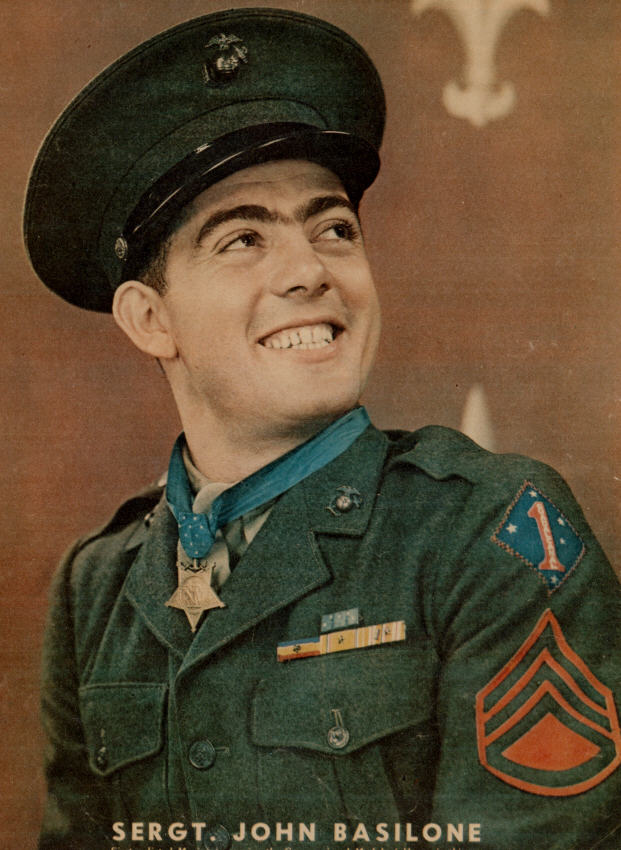
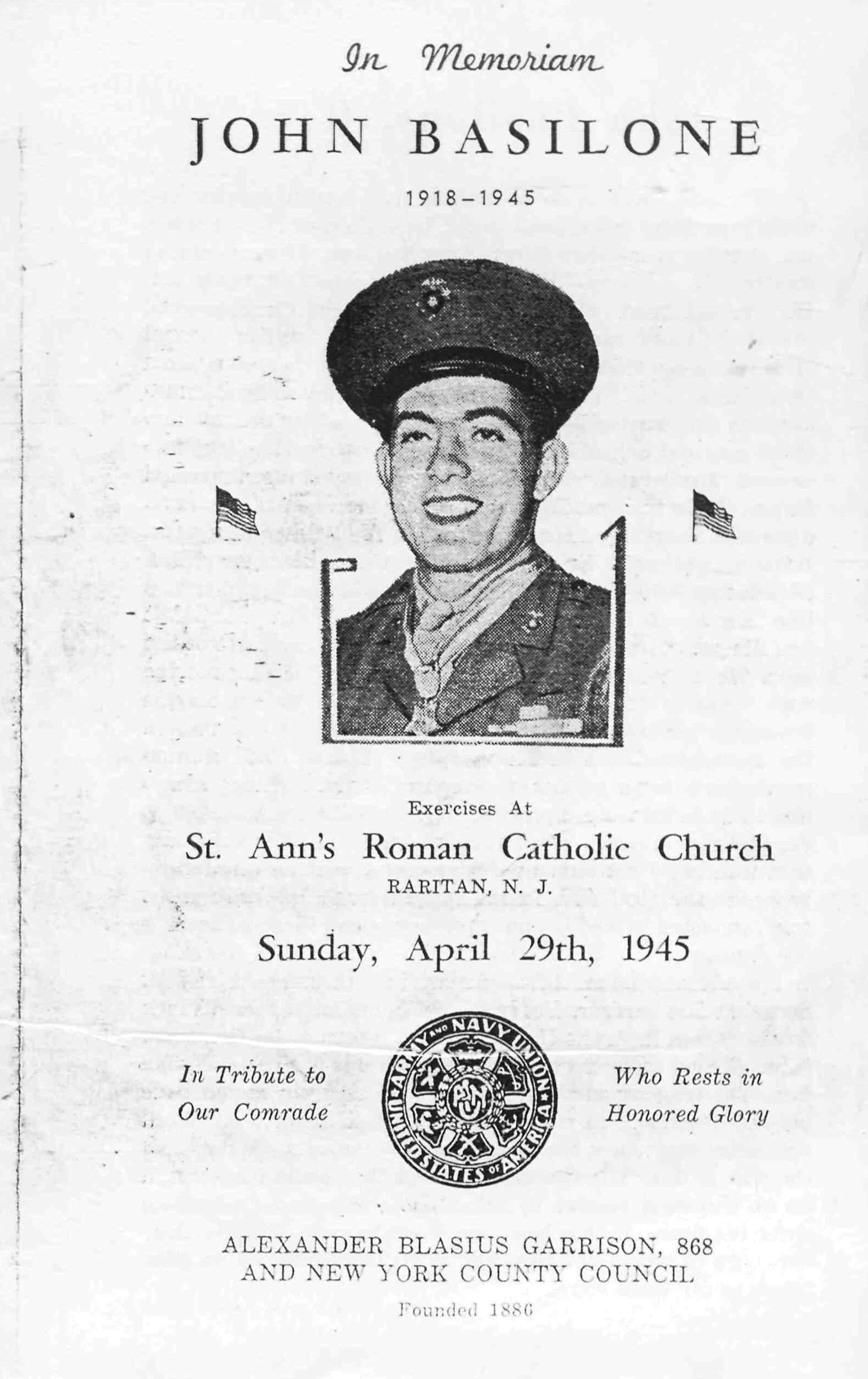
The Incredible Story of John Basilone, U.S. Marine

The only Marine in World War II to receive the two highest U.S. military medals, John Basilone is an excellent example of a U.S. fighter.

If you aren’t a U.S. Marine, you might have not heard heard the name John Basilone before. He’s quite a legend in the United States Marine Corps and should be for the general population as well because of his incredible feats. So, let’s take a look at the story of Manila John and his medals.

The only Marine in World War II to receive the two highest U.S. military medals—the Medal of Honor and the Navy Cross, John Basilone is an excellent example of a U.S. Marine and a fighter well deserving of the medals he received.

Who Was John Basilone?

Born on November 4, 1916 in Ruritan, New Jersey, Basilone was the six of ten children in an Italian family and would grow up as a tough young man. Just before his 18th birthday, Basilone enlisted in the U.S. Army and served in the Philippines as an infantryman from 1934 to 1937. He would become known as “Manila John” due to his Army service in the Philippines.

Basilone as Field Cook

Before becoming known for his heroic actions in combat, Basilone served as a field cook in the United States Marine Corps. While stationed at various bases, including Quantico and Parris Island, he worked in the mess hall, preparing meals for his fellow Marines. This experience as a field cook provided Basilone with valuable skills and insights that would later serve him well during his combat deployments.

During his time there, Basilone became a champion boxer and absolutely adored life in the Philippines. Thus, when he returned to the States in 1937 and started working as a truck driver, it was not the life Basilone longed to leave, so he enlisted in the Marine Corps on June 3, 1940, in hopes of returning to his beloved Philippines.

Basilone was deployed to Guantanamo Bay, Cuba before he took part in the invasion of Guadalcanal in the Pacific, where he would achieve his renown. From August 1942 on, Basilone and his unit—1st Battalion, 7th Marines of the 1st Marine Division—were tasked with fighting the Japanese deep in the jungles of Guadalcanal, one of the hundreds of islands that comprise the Solomons.  

Sgt. Basilone receives the congratulations of his platoon.
Sgt. Basilone receives the congratulations of his platoon after receiving the Congressional Medal of Honor. Courtesy of The Raritan Library.

John Basilone's Extraordinary Heroism
(And the Military Medals He Received)

Late in the fall on the night of October 24, 1942, Basilone who was then a sergeant, was responsible for commanding two heavy  caliber fire sections (.30-caliber machine gun) from 1/7 that had the task of holding a narrow pass at Tenaru River. A Japanese regiment that numbered 3,000 men began to attack the small crews of Marines as they dug in for the night with grenades and mortar fire. The Marines successfully held off the attack until one gun crew was disabled by enemy fire.

As Basilone’s Medal of Honor citation notes, Basilone carried roughly 90 pounds of weaponry and ammunition to the disabled gun pit, running a distance of 200 yards through enemy fire with total disregard for his own life. As he ran, Basilone killed several Japanese soldiers with his Colt .45 pistol.

John Basilone’s Citation for his Congressional Medal of Honor (Guadalcanal):

For extraordinary heroism and conspicuous gallantry in action against enemy Japanese forces, above and beyond the call of duty, while serving with the 1st Battalion, 7th Marines in the Lunga Area, Guadalcanal, Solomon Islands, on 24 and 25 of October 1942. While the enemy was hammering at the Marines defensive positions, Sgt. Basilone, in charge of 2 sections of heavy machine guns, fought valiantly to check the savage and determined assault. In a fierce frontal attack with the Japanese blasting his guns with grenades and mortar fire, one of Sgt. Basilone’s sections, with its “gun crews”, was put out of action, leaving only 2 men able to carry on. Moving an extra gun into position, he placed it in action, then, under continual fire, repaired another and personally manned it, gallantly holding his line until replacements arrives. A little later, with ammunition critically low and the supply lines cut off, Sgt. Basilone, at great risk to his own life and in the face of continued enemy attack, battled his way through hostile lines with urgently needed shells for his gunners, thereby contributing in large measure to the virtual annihilation of a Japanese regiment. His great personal valor and courageous initiative were in keeping with the highest traditions of the U.S. Naval Service.

Franklin D. Roosevelt

WW1 Medals and Awards: The Navy Cross

The Navy Cross

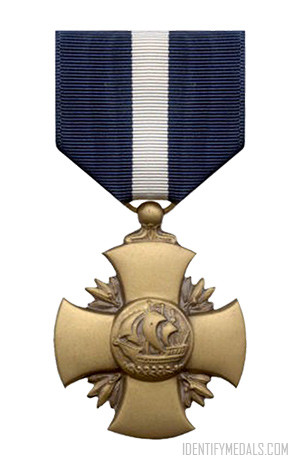
The Navy Cross is the United States military’s second-highest decoration and awarded to members of the Navy, Marine Corps, and Coast Guard. 

Read More »

John Basilone’s Citation for his Navy Cross (Iwo Jima):

“For extraordinary heroism while serving as a leader of a Machine-Gun Section of Company C, First Battalion, Twenty-Seventh Marines, Fifth Marine Division, in Action against enemy Japanese forces on Iwo Jima in the Volcano Islands, 19 February 1945. Shrewdly gauging the tactical situation shortly after landing when his company’s advance was held up by the concentrated fire of heavily fortified Japanese blockhouse, Gunnery Sergeant Basilone boldly defied The smashing bombardment of heavy caliber fire to work his way around the flank and up to a position directly on top of the blockhouse and then, attacking With grenades and demolitions, single-handedly destroyed the entire hostile strongpoint and its defending garrison. Consistently daring and aggressive as he fought his way over the battle-torn beach and up the sloping, gun-studded terraces toward Airfield Number One, he repeatedly exposed himself to the blasting fury of exploding shells and later in the day coolly proceeded to the aid of a friendly tank which had been trapped in an enemy mine field under intense mortar and artillery Barrages, skillfully guiding the heavy vehicle over the hazardous terrain to safety, despite the overwhelming volume of hostile fire. In the forefront of the assault at all times, he pushed forward with dauntless courage and iron determination until, moving upon the edge of the airfield, he fell, instantly by a bursting mortar shell. Stout-hearted and indomitable, Gunnery Sergeant Basilone by his intrepid initiative, outstanding professional skill and valiant spirit of self-sacrifice in the face of fanatic opposition, contributed materially to the advance of his company during the early critical period of the assault, and his unwavering devotion to his comrades and reflects the highest credit upon Gunnery Sergeant Basilone and the United States Naval Service.”

For a total of three days, Basilone ran back and forth between gun pits, supplying ammunition and assisting the junior Marines. He even lost his asbestos gloves, which were gloves used to hold or switch the hot barrels of the heavily used machine guns. Undeterred, Basilone used his bare hands to remove the barrel of his machine gun and take out an entire wave of Japanese soldiers during the height of the battle even though he burned his hands and arms in the process.

By the time reinforcements arrived for the Marines, Basilone and his gun crews had thwarted the entire Japanese regiment, but at great cost: only Basilone and two other Marines were left standing. Basilone himself killed at least 38 enemy soldiers, using the machine guns, his pistol, and even a machete.

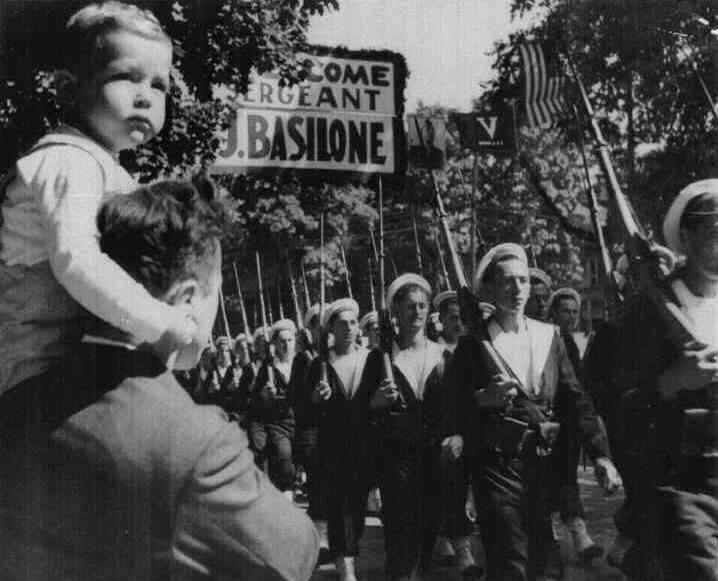
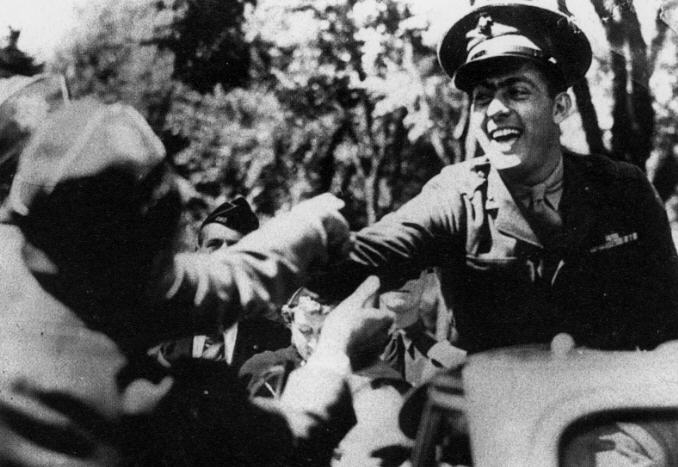
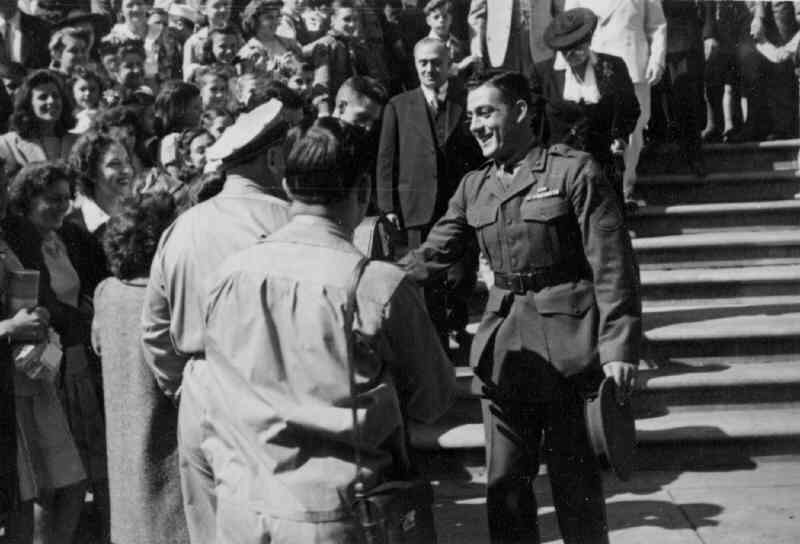
The 1943 Welcome Home Parade.
The 1943 Welcome Home Parade. Courtesy of The Raritan Library.
The 1943 Welcome Home Parade.
The 1943 Welcome Home Parade. Courtesy of The Raritan Library.
The 1943 Welcome Home Parade.
The 1943 Welcome Home Parade. Courtesy of The Raritan Library.
The 1943 Welcome Home Parade.
The 1943 Welcome Home Parade. Courtesy of The Raritan Library.

Due to his great acts of valor, he was awarded the Medal of Honor and promoted to Gunnery Sergeant Johh Basilone, becoming the first enlisted U.S. Marine to earn the Medal of Honor during World War II. He refused an opportunity to have President Franklin D. Roosevelt bestow the medal and instead opted to have the ceremony in the field with his unit.

As Basilone would note, “Only part of this medal belongs to me. Pieces of it belong to the boys who are still on Guadalcanal.”

John Basilone's Return Home

Basilone returned home to the United States for a homecoming parade in his hometown on September 19, 1943, and began to participate in war bond tours to raise money for the war effort. Even so, Basilone hated being away from his unit and the fighting and kept requesting to return to the Pacific, turning down a commission and an instructor position to get back with his men. He never completely liked all the attention from receiving the Medal of Honor. Basilone just wanted to be a plain Marine allegedly saying, “I ain’t no officer and I ain’t no museum piece. I belong back with my outfit.”

Basilone was sent to Camp Pendleton in California to complete additional training for combat in the Pacific where he ended up meeting his wife, a fellow Marine Sergeant named Lena Mae Riggi. The two would wed on July 10, 1944.

Basilone and Lena Liggi

Sgt Lena Mae Riggi Basilone played a significant role on the home front, supporting her husband and actively participating in war bond drives and other patriotic efforts. She, in fact, became a symbol of resilience and strength for many Americans during the war and left a lasting impact on the legacy of John Basilone and the spirit of American patriotism.

Wedding of John Basilone and Lena Riggi
Wedding of John Basilone and Lena Riggi - Married July 1944. Courtesy of The Raritan Library.

John Basilone And The 5th Division

In December 1944, Basilone returned to the Pacific, headed toward Iwo Jima. Serving with the 1st Battalion, 27th Marines, 5th Marine Division, Basilone stormed Red Beach on Iwo Jima on February 19, 1945. Leading his gunners up the steep black sand, Basilone and his unit were pinned down by enemy machine gun fire. As in Guadalcanal, Basilone started attacking a heavily-fortified blockhouse with grenades and demolitions, single-handedly destroying an enemy strong point. He fought his way toward an airfield and assisted a Marine tank trapped in an enemy mine field, guiding the vehicle over the deadly terrain to safety even though he was under intense mortar and artillery barrages. At the edge of the airfield, Basilone was killed by enemy Japanese forces due to mortar shrapnel, dying at the age of 28.

For his brave actions during the invasion, Basilone would posthumously receive the Purple Heart and the Navy Cross, becoming the only enlisted Marine in World War II to earn the Navy Cross posthumously. He received the Navy Presidential Unit Citation with one star, the American Defense Service medal with one star, the American Campaign medal, the Asiatic-Pacific Campaign medal, and the World War II Victory medal.

Other Accolades by John Basilone

In addition to his numerous medals, Basilone has received other accolades. In 1945, the U.S. Navy named a destroyer after Basilone, which his wife christened. His wife would never remarry and died at the age of 86 in 1999. She was buried wearing her wedding ring.

Additionally, Basilone was a central character in the HBO series The Pacific, appeared in the “Distinguished Marines” postage stamp series, and has another destroyer named after him—John Basilone—scheduled for commission in 2019. You can find Basilone’s grave in Section 12, Grave 384 in Arlington National Cemetery.

Truly a Marine to whom all Marines aspire and an incredible individual that we can all admire, John Basilone is an excellent example of the brave men and women who fought and died in World War II.

Portrait appeared on the cover of Colliers Magazine.
Portrait appeared on the cover of Colliers Magazine. Courtesy of The Raritan Library.
Photo of John Basilone appeared in The New York Daily News.
Photo of John Basilone appeared in The New York Daily News. Courtesy of The Raritan Library.
Program from 1945 Memorial Mass for John Basilone
Program from 1945 Memorial Mass for John Basilone. Courtesy of The Raritan Library.

Sources:

Guest Contributor: Rachel Basinger is a former history teacher turned freelance writer and editor. She loves studying military history, especially the World Wars, and of course military medals. She has authored three history books for young adults and transcribed interviews of World War II veterans. In her free time, Rachel is a voracious reader and is a runner who completed her first half marathon in May 2019.
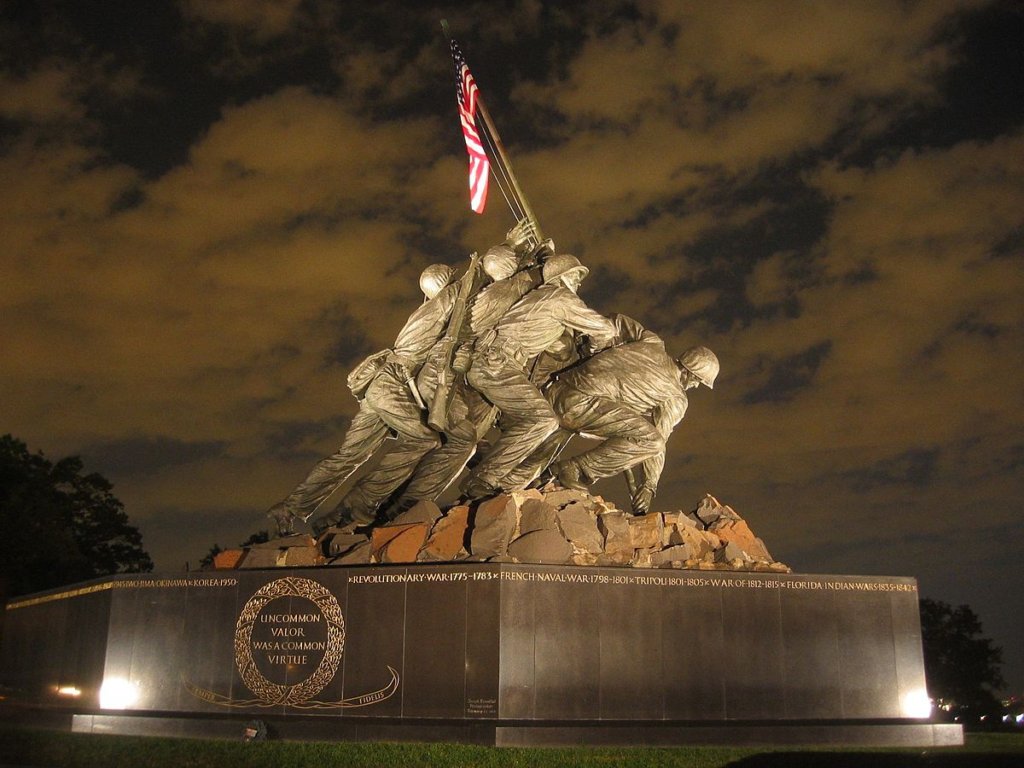
Women Who Received Military Medals During World War I: Serbia

Over 600 British women contributed to the war effort in Serbia during World War I, including Flora Sandes, Dr. Elsie Inglis, and Dr. Isabel Hutton.

Over 600 British women contributed to the war effort in Serbia during World War I, including women like Captain Flora SandesDr. Elsie Inglis, and Dr. Isabel Galloway Hutton who are featured on Serbian stamps commemorating the centennial of World War I. 

Women and Military Medals During WW1

Elsie Inglis
Elsie Inglis, born 1864. Source: Wikipedia.
"The Chief" (Elsie Inglis) and some of her sisters - 1916
"The Chief" (Elsie Inglis) and some of her sisters - 1916. Source: Wikimedia.

Many of the British women who served in Serbia were doctors, nurses, and ambulance drivers, but Flora Sandes was unique: she was the only British woman to officially serve during World War I. Due to their substantial contributions, many of these amazing women received military medals from not only Serbia but also Russia, France, and Great Britain for their service. Here are just a few of their stories.

Dr. Elsie Inglis

Dr. Elsie Inglis was one of the first female graduates of the University of Edinburgh, and she was a suffragist who would not take no for an answer. When she first asked the War Office if she, as a qualified doctor, could open up a hospital and serve on the frontlines, she was told to “go home and sit still.”

Undeterred, Dr. Inglis decided to found her own hospital, which became known as the Scottish Women’s Hospitals. Hundreds of British women served at these hospitals overseas, including 60 doctors, but the most prominent locations were in Serbia.

Those who served alongside Dr. Inglis faced incredible dangers like a typhus epidemic in early 1915 and the “Great Retreat” of the fall of 1915. Dr. Inglis and others chose to remain with the hospitals even though they became prisoners of war under the Germans. Later, after the Germans had sent home Dr. Inglis and her staff, she traveled with the Serbs to the Russian front near the end of 1916 to set up two field hospitals even though Inglis had learned that she had cancer.

Although Dr. Inglis would not live until the end of the war—she died on November 26, 1917 in England, she posthumously received the highest awards in Russia and Serbia: the Gold St. George Medal and the White Eagle with Swords. It was an especially high honor, as Dr. Inglis was the first female recipient of these awards although she did not live to accept them in person.

Bessie Dora Bowhill 

Bessie Dora Bowhill was a woman who served alongside of Dr. Inglis. Although Bowhill is less well-known than Inglis, she nevertheless did much to improve the lives of the Serbians she served. Bowhill had served during the Boer War and joined one of the Scottish Women’s Hospitals in Serbia during the First World War. She retained her senior position as a matron of the unit until she left Serbia in 1916. Like Dr. Inglis, Bowhill experienced the German occupation and did much to assist the suffering Serbians. Bowhill received the Serbian Cross of Mercy as well as the British War Medal and the British Victory Medal due to her nursing work in Serbia.

Dr. Isabel Galloway Hutton

Dr. Isabel Galloway Hutton was another example of a woman who was turned away from the War Office like Dr. Inglis and instead chose to serve in the Scottish Women’s Hospitals to support the war effort. Dr. Hutton—then Dr. Emslie as she married Major Thomas Hutton in 1921—started her service in 1915 and would serve until 1920 in France, Greece, and Serbia. Dr. Hutton was a trained psychiatrist who specialized in mental disorders, so she took the position of Assistant Medical Officer and Pathologist with the Scottish Women’s Hospitals. She started in France and then later moved onto Serbia.

As Chief of the no. 2 Scottish Women’s Hospitals, Dr. Hutton is known for accompanying the Serbian army during its advance in 1918. She was awarded the Serbian orders of the White Eagle and St. Sava, the Russian Order of St. Anna, and the French Croix de Guerre (or Cross of War).

Photographic portrait of I.G. Hutton, half length, in uniform.
Photographic portrait of I.G. Hutton, half length, in uniform. Source: Wikimedia.
Women of the Sixth (American) Unit of the Scottish Women's Hospital at Ostrovo
Women of the Sixth (American) Unit of the Scottish Women's Hospital at Ostrovo . Source: Wikipedia.

Medals

Captain Flora Sandes

While women like Dr. Inglis, Bowhill, and Dr. Hutton put themselves in harm’s way often serving alongside the military, one woman did even more: Captain Flora Sandes. A British woman who was not content to sit on the sidelines, Sandes wanted to be in the fray.

But Sandes wanted to keep serving and asked the regiment’s commander, Colonel Milić, if she could stay on as a private in the Serbian army. The colonel agreed, and Sandes became a beloved part of the regiment. The men called her “Nashi Engleskinja,” or “Our Englishwoman,” and sometimes even called her “brother.”

In late 1915, Sandes fought alongside the Serbians during the Great Retreat across Albania. Once they reached the coast of Albania, Sandes began relief efforts for the remaining Serbs, and she was promoted to sergeant. After making a brief trip to England, Sandes returned to Serbia near the end of World War I to join the Serbian advance that pushed the Austrians, Bulgarians, and Germans out of Serbia in 1918.

Sandes had always been inspired by the charge of the British cavalry against the Russians during the Battle of Balaklava, commemorated by Alfred, Lord Tennyson’s “The Charge of the Light Brigade.” When World War I broke out, Sandes was 38 years old, but she still wanted to serve. She applied to serve with the Voluntary Aid Detachment (VAD) but was turned down due to her connection to the suffrage movement. Sandes decided to try the Serbian Red Cross where she was more successful. She not only served as a nurse but also came back to England to raise money for the Serbian war effort in late 1914 and early 1915.

When the typhus epidemic broke out, Sandes was there just like Dr. Inglis. In the fall of 1915, Sandes joined a medical unit attached to the Serbian army in order to continue to work in Serbia. After the Bulgarians pushed the Serbian regiment to which Sandes and the medical unit was attached to an area without roads, the medical team could no longer follow in the ox wagons.

Flora Sandes in uniform, about 1918.
Flora Sandes in uniform, about 1918. Source: Wikipedia
New York Times newspaper clipping reporting Flora Sandes' decoration for her service in the Serbian Army.
New York Times newspaper clipping reporting Flora Sandes' decoration for her service in the Serbian Army. Source:Wikimedia.
Scottish WW1 Heroins honored in Serbian stamps.
Scottish WW1 Heroins honored in Serbian stamps. Source: British Embassy Belgrade.

In June 1919, a special Serbian Act of Parliament honored Sandes and made her the first woman to be commissioned in the Serbian Army, promoting her to captain.

In addition, Sandes received seven medals during her service, including the Order of the Karađorđe’s Star, the highest decoration of the Serbian Military.

These four women are just a small sample of the over 600 women who served in Serbia during World War I, and each contributed in her own way, as the wide variety of medals that each woman received demonstrates. Whether on the battlefield or in a hospital tent, these British women made life significantly better for the Serbs during World War I and rightfully received some of the highest military medals for their service.

Notes:

Bessie’s medal record card can be downloaded, for a small fee, from the National Archives. It shows she was a Matron with Dr. Inglis’ Unit and the Scottish Women’s Hospital. See http://discovery.nationalarchives.gov.uk/details/r/D6068814

Sources

Sources:
  • https://www.theyworkforyou.com/whall/?id=2017-11-28a.29.1
  • Allcock, John B., and Antonia Young. Black Lambs & Grey Falcons: Women Travellers in the Balkans. Berghahn Books, 2000.
  • Bourke, Joanna. “Women and the Military During World War One.” BBC News, 3 March 2011, www.bbc.co.uk/history/british/britain_wwone/women_combatants_01.shtml. Accessed 30 December 2018.
  • Brocklehurst, Steven. “The female war medic who refused to ‘go home and sit still.’” BBC.
  • News, 26 November 2017, www.bbc.com/news/uk-scotland-42096350. Accessed 30 December 2018.
  • “Elsie Inglis to be commemorated for war achievements.” BBC News, 8 November 2017, www.bbc.com/news/uk-scotland-edinburgh-east-fife-41915396. Accessed 30 December 2018.
  • Hartley, Cathy, editor. “Inglis, Elsie Maud.” A Historical Dictionary of British Women. Psychology Press, 2003, p. 237.
  • Sandes, Flora. The Autobiography of a Woman Soldier: A Brief Record of Adventure with the Serbian Army, 1916-1919. H. F. & G. Witherby, 1927, p. 220.

Guest Contributor: Rachel Basinger is a former history teacher turned freelance writer and editor. She loves studying military history, especially the World Wars, and of course military medals. She has authored three history books for young adults and transcribed interviews of World War II veterans. In her free time, Rachel is a voracious reader and is a runner who completed her first half marathon in May 2019.
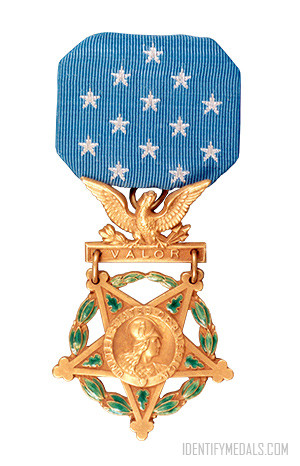
How does the Congressional Gold Medal Differ from the Medal of Honor?

If you are a football fan like I am, you know that former Saints player Steve Gleason became the first NFL player to receive the Congressional Gold Medal, prompting my mom to ask me how it differs from the Congressional Medal of Honor. While the level of prestige is similar, both medals have a slightly different focus.
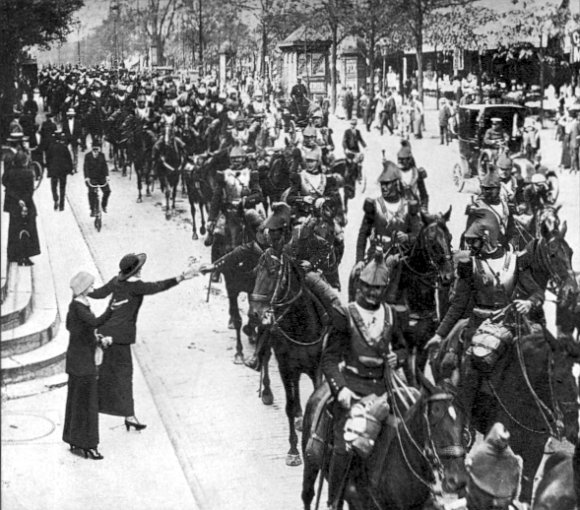
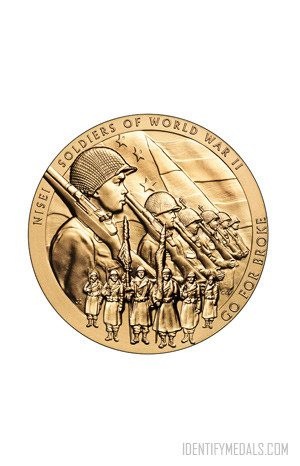
If you are a football fan like I am, you know that former Saints player Steve Gleason became the first NFL player to receive the Congressional Gold Medal, prompting my mom to ask me how it differs from the Congressional Medal of Honor. While the level of prestige is similar, both medals have a slightly different focus.

What's the Diference Between the Gold Medal and the Medal of Honor?

Like the Presidential Medal of Freedom, which is personally awarded by the President of the United States, the Congressional Gold Medal is awarded by an act of Congress. Both are considered the highest civilian award in the United States and are awarded to individuals who have performed an outstanding deed of service to the national interest, prosperity, or security of the United States.

American citizenship is not a requirement to receive the award.

By contrast, the Medal of Honor is a military award given for extreme bravery in action. It is specifically for a member of the U.S. Armed Force, and each service branch has a uniquely designed medal with the exception of the Coast Guard and the Marine Corps which both use the Navy’s medal. The Medal of Honor is presented personally to the recipient to the next of kin in the case of a posthumous award.

In order to receive the Medal of Honor, the chain of command can nominate a service member, followed by approval at each level of the command. This is the more common protocol. However, the other method is nomination by a member of Congress followed by approval by a special act of Congress. In either case, the President of the United States presents the Medal of Honor on behalf of Congress.

Although it is awarded by the Department of Defense “in the name of Congress,” it is not called the Congressional Medal of Honor even though many incorrectly do. It is simply the Medal of Honor. First issued during the American Civil War, it became the supreme honor by the time of the Spanish American War and has special protection under U.S. law due to its high status.

Guest Contributor: Rachel Basinger is a former history teacher turned freelance writer and editor. She loves studying military history, especially the World Wars, and of course military medals. She has authored three history books for young adults and transcribed interviews of World War II veterans. In her free time, Rachel is a voracious reader and is a runner who completed her first half marathon in May 2019.